Disclosure: This article contains affiliate links. If you purchase a product through one of these links, we may earn a commission at no additional cost to you.

The Best Lip Balms and Lip Masks for Chapped Lips

Chapped lips are small but impossible to ignore. They sting, crack, peel and make lipstick look patchy. And once they start, they can be stubborn, especially in cold, dry weather.
The best lip balm for chapped lips does two things: it adds a protective layer that holds moisture in, and it avoids ingredients that make the problem worse. Here is how to choose well, plus the best balms, masks and ointments to try.
Why Lips Get Chapped
Lips have thinner skin than the rest of your face and no oil glands of their own, so they dry out easily. Common causes include:
- Cold wind and low humidity
- Indoor heating
- Licking your lips, which leaves them drier once saliva evaporates
- Mouth breathing, especially at night
- Sun exposure
- Certain ingredients in lip products
The answer is to protect lips consistently and stop the cycle of dryness and irritation.
Balm, Mask or Ointment: Which One Do You Need?
- Lip balm is the everyday choice. Use it throughout the day for protection and light repair.
- Lip mask is a thicker overnight treatment. It softens lips while you sleep.
- Healing ointment is best for severely dry, cracked lips. It forms a strong seal over the skin.
Most people do best with a mask or ointment at night and a balm during the day.
Ingredients to Look For
- Petrolatum, lanolin or beeswax seal in moisture.
- Shea butter and plant oils soften and smooth.
- Ceramides and hyaluronic acid support moisture and the skin barrier.
- SPF 15 or higher protects lips in daylight, especially outdoors.
Ingredients to Avoid
If your lips are very dry, be cautious with balms that contain menthol, camphor, strong fragrance or flavoring, and phenol. They can feel refreshing at first but irritate chapped skin. If a balm tingles every time you use it and your lips never improve, switch to a simpler formula.
Best Lip Balms and Lip Masks for Chapped Lips
Best Healing Ointment: Aquaphor Lip Repair or CeraVe Healing Ointment
When lips are cracked and sore, a simple occlusive ointment is hard to beat. These work by creating a protective seal that helps skin recover.
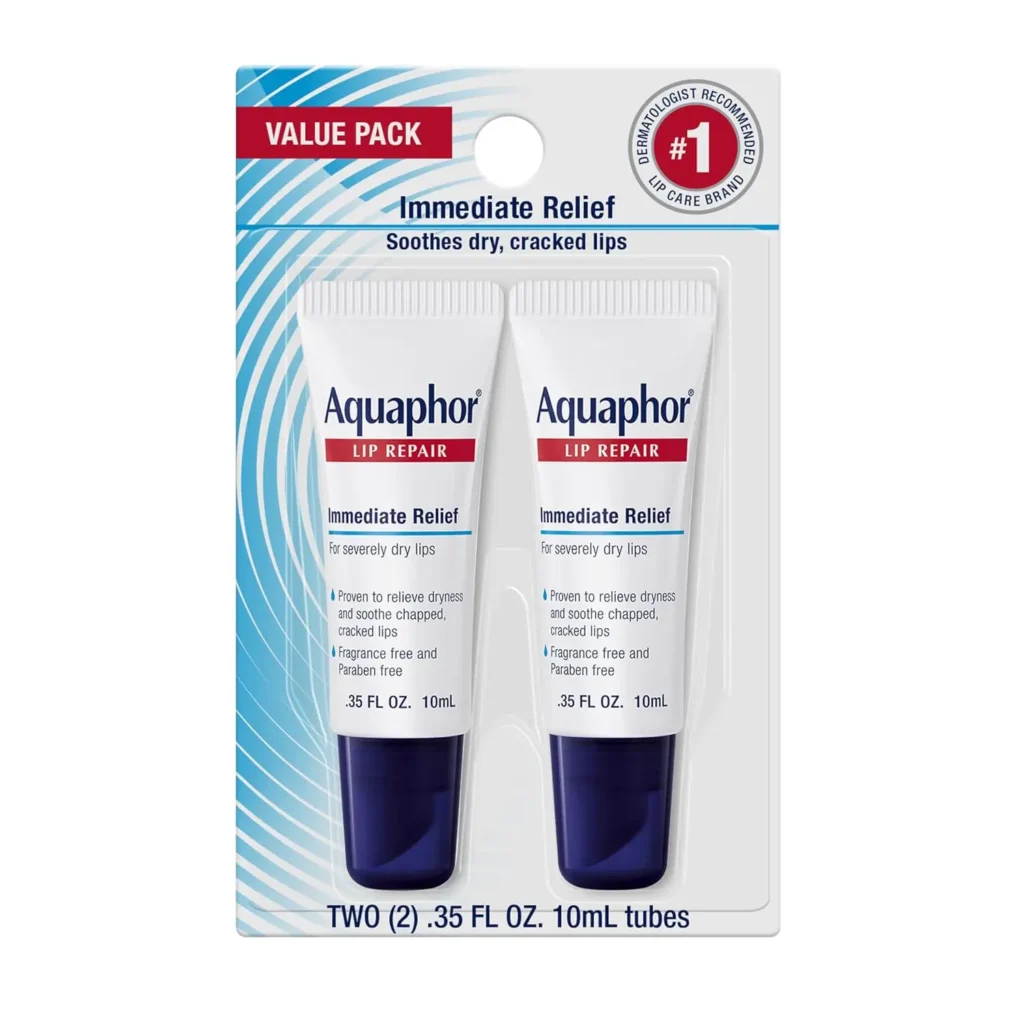
Aquaphor Lip Repair Ointment
Best Overnight Lip Mask: Laneige Lip Sleeping Mask
This popular mask is known for its thick, cushiony texture and comes in several scents and flavors. Apply a layer before bed and wake up to softer lips. If you are sensitive to fragrance, choose the unscented option when available or test it first.

Laneige Lip Sleeping Mask
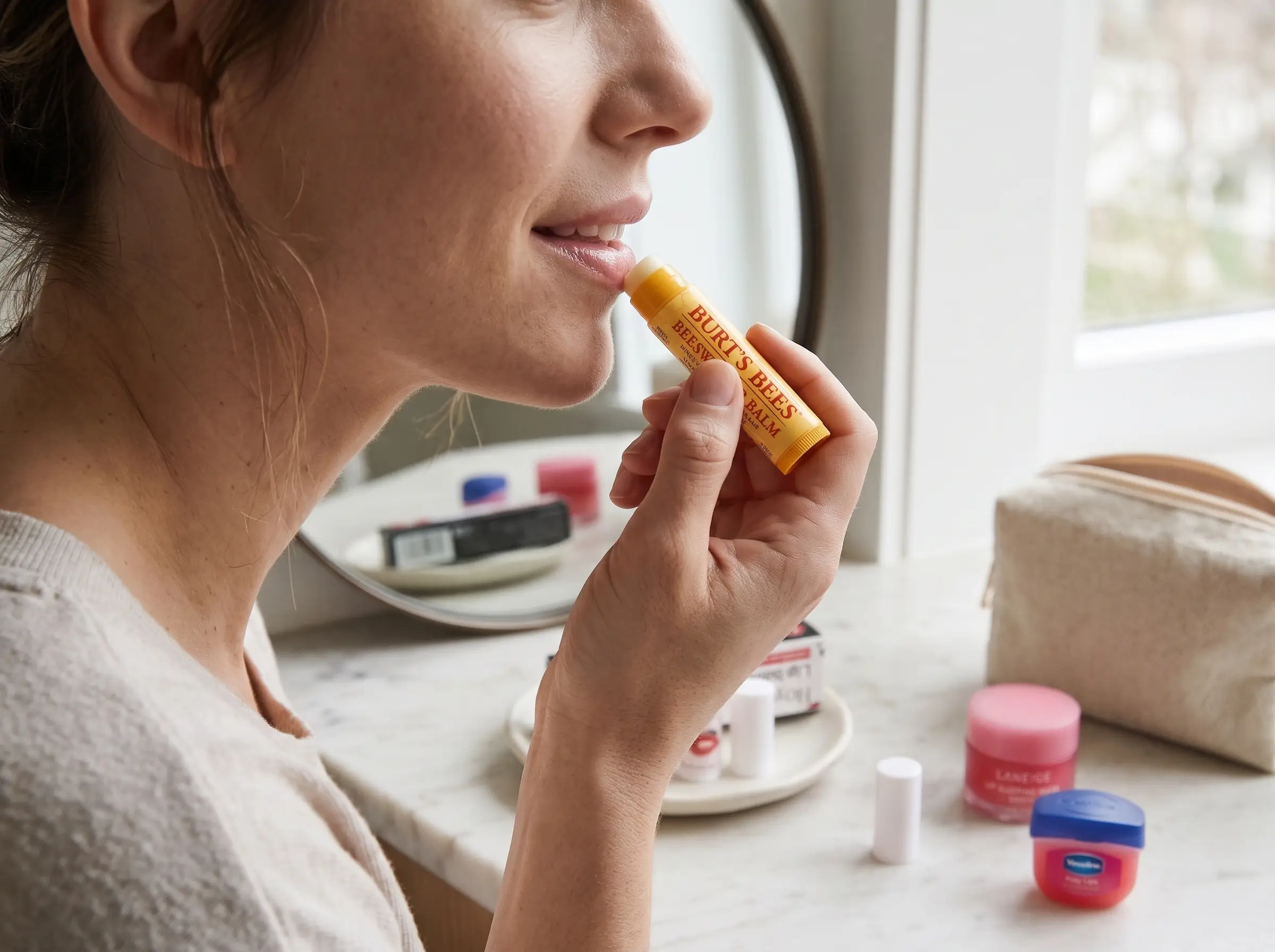
Best Everyday Balm: Burt’s Bees Beeswax Lip Balm
A classic, simple balm made with beeswax. It is convenient to carry and works well for light dryness. Check the ingredient list if you are sensitive to mint.

Burts Bees Beeswax Lip Balm
Best Budget Pick: Vaseline Lip Therapy
Inexpensive, simple and effective. Petrolatum-based balms are a go-to for sealing in moisture without extras.

Vaseline Lip Therapy
Best Tinted Balm: Summer Fridays Lip Butter Balm or similar
If you want comfort with a hint of color, a tinted lip butter balm gives you both. It is a good pick for daytime wear.
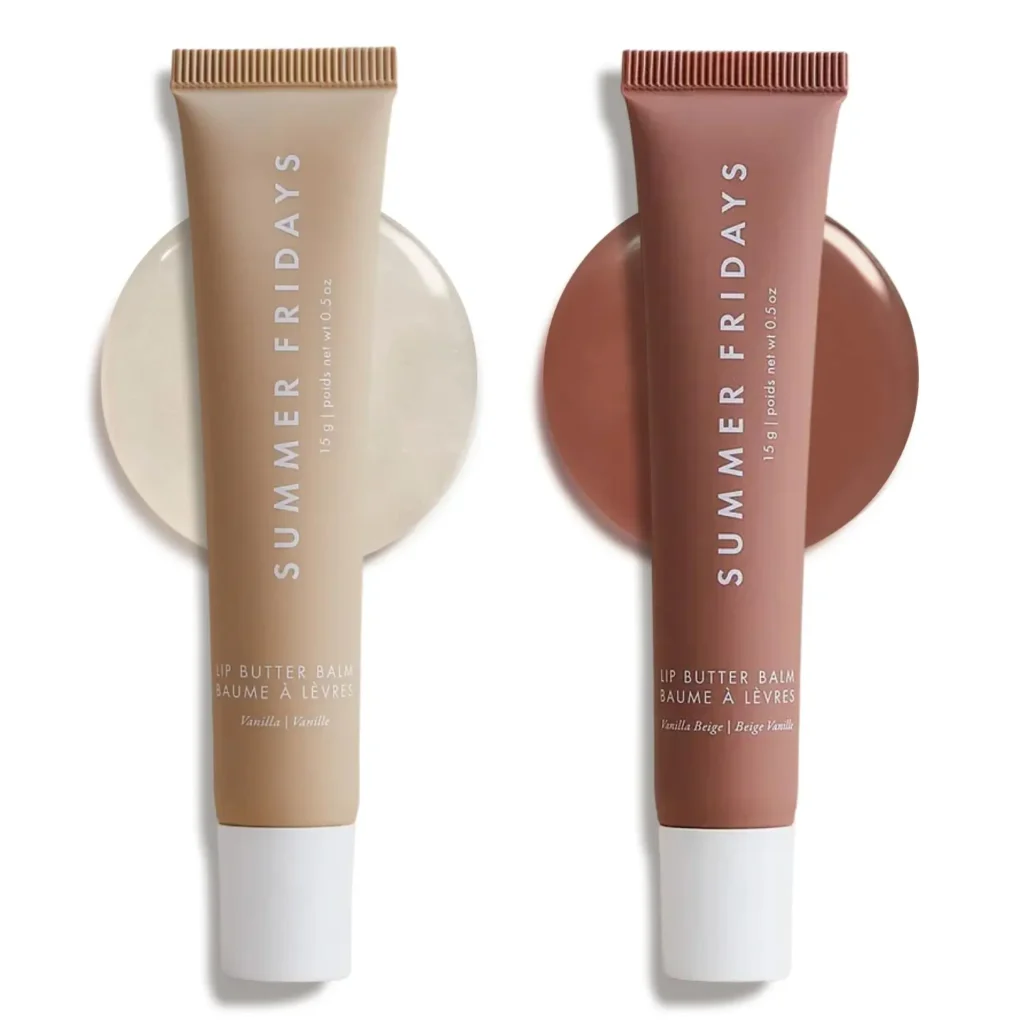
Summer Fridays Lip Butter Balm
Best With SPF: A broad-spectrum SPF 30 lip balm
If you spend time outdoors, even in winter, use a lip balm with SPF during the day. Reapply after eating or drinking.

lip balm SPF 30
How to Heal Chapped Lips Faster
- Stop licking and picking. This is the single biggest habit to break.
- Apply balm often. Reapply after eating, drinking and before going outside.
- Use a mask or ointment at night. Overnight care gives lips time to recover.
- Exfoliate gently, or not at all. Skip harsh scrubs. If you exfoliate, use a damp, soft cloth and do it only when lips are peeling lightly.
- Drink water and run a humidifier. Dry indoor air makes everything worse.
- Sleep comfortably. A smooth satin or silk pillowcase will not fix chapped lips but is gentle on skin and hair overnight.
For more cold-weather care, read our guide to hydrating face masks for dry winter skin.
Lip Balm Under Lipstick
Apply a thin layer of balm and let it absorb for a few minutes. Blot lightly with a tissue, then apply lipstick. This helps color glide on smoothly without sliding.
When to See a Doctor
If your lips stay cracked or sore for weeks, bleed, or develop painful cracks at the corners of the mouth, see a doctor or dermatologist. Persistent chapping can sometimes be caused by an allergy, infection or nutritional issue.
Lip Care Mistakes That Keep Lips Chapped
If your lips stay dry no matter what you try, one of these habits may be the reason.
- Licking your lips. Saliva evaporates quickly and leaves lips drier than before. It is the most common cause of a chapped cycle.
- Picking at peeling skin. It can cause small cracks and slow healing. Let the flakes loosen on their own or soften them with a balm.
- Over-exfoliating. Scrubbing every day irritates lips and prevents them from recovering.
- Using only a tingly balm. A cooling or tingling feeling can be a sign of an irritating ingredient. If lips do not improve, try a simpler formula.
- Reapplying too rarely. Balm wears off. Reapply after eating, drinking and before bed.
- Skipping sun protection. Lips can burn too, even in winter, and sun exposure adds to dryness.
A Simple Lip Care Routine for Winter
A short routine, done every day, does more than a different product every week.
Morning. Apply a thin layer of balm, ideally with SPF. If you wear lipstick, give the balm a few minutes to settle first.
Throughout the day. Reapply after meals, after coffee and whenever lips feel tight. Keep one balm in your bag, one at your desk and one in your coat pocket so you never have to go without.
Evening. Remove lipstick gently. A little cleansing balm on a soft cloth works well, because it lifts pigment without harsh rubbing.
Bedtime. Apply a thicker layer of lip mask or ointment. If your room is dry, run a humidifier so lips do not lose moisture overnight.
How to Wear Lipstick Without Drying Your Lips Further
Chapped lips and bold lipstick do not have to be enemies. A few steps make a big difference.
- Prep first. Apply a balm and wait a few minutes, then blot the excess.
- Choose creamy formulas. Satin, cream and tinted balm finishes are kinder to dry lips than very matte liquid lipsticks.
- Skip heavy exfoliation. If lips are peeling, softening them with balm and a damp cloth is gentler than scrubbing.
- Remove gently at night. Use a balm or oil cleanser rather than rubbing with a dry wipe.
- Give lips a rest. On the driest days, wear a tinted balm instead.
Lip Balm Ingredients Explained
The label can be confusing, so here is a quick guide to what common ingredients do.
- Petrolatum forms a protective seal that keeps moisture from escaping. It is simple and very effective for dry lips.
- Beeswax and candelilla wax add structure and protection and give balms their firm texture.
- Lanolin is a rich emollient that softens lips, though some people are sensitive to it.
- Shea butter, cocoa butter and plant oils soften and condition.
- Ceramides and hyaluronic acid support moisture and the skin barrier.
- Menthol, camphor and phenol can feel soothing at first but may irritate very dry lips.
- Fragrance and flavoring make a balm pleasant but are a common cause of irritation.
Why Lips Chap Even When You Drink Enough Water
Drinking water is good for your health, but chapped lips are usually caused by what is happening on the surface. Cold wind, dry indoor air, licking and irritating products all remove moisture faster than your body can replace it. That is why a protective balm helps far more than drinking extra water alone.
Lip Care for Different Situations
- Flying or traveling: Cabin air is very dry, so apply a thick layer before you board and reapply during the flight.
- Skiing and cold weather: Choose a balm with SPF and a protective, thick texture.
- Working in heated or air-conditioned offices: Keep a balm at your desk and sip water through the day.
- When you are sick: Frequent nose blowing and mouth breathing dry lips, so a healing ointment helps.

Frequently Asked Questions
What is the best lip balm for chapped lips?
A simple, fragrance-free balm or ointment with petrolatum, lanolin or beeswax is usually the best option. Choose one with SPF for daytime.
Why do my lips stay chapped even with lip balm?
Your balm may contain irritants such as menthol or strong fragrance, or you may be licking your lips often. Switch to a simpler formula and avoid licking.
Is a lip mask better than a lip balm?
They do different jobs. A lip mask is a thick overnight treatment, while a balm is for everyday protection. Using both is ideal.
Can lip balm be addictive?
There is no evidence it is truly addictive. If your lips feel worse without it, the balm may be irritating them or not providing enough moisture. Try a gentler, simpler formula.
How long does it take to heal chapped lips?
Mild chapping often improves in a few days with consistent care. Severe cases can take a couple of weeks.
Should I exfoliate chapped lips?
Only gently, and not often. If skin is flaking lightly, soften it with balm and wipe with a damp cloth. Avoid scrubbing cracked or sore lips.
Is Vaseline good for chapped lips?
Petrolatum is a well-known protective ingredient, and many people find it works well to seal in moisture. It is a simple, inexpensive option.
Can dehydration cause chapped lips?
It can contribute, but weather, licking, mouth breathing and irritating products are more common causes. Moisturizing the lips directly is the most effective step.
Why are the corners of my mouth cracked?
Dryness, saliva buildup and irritation are common causes. If the cracks are painful, red or do not heal, see a doctor, since they can sometimes be caused by an infection or a nutritional issue.
Final Thoughts
Healthy lips come from a simple routine: protect them during the day, repair them overnight, and avoid anything that irritates. Keep a balm in your bag, one by your bed, and your lips should feel smoother soon.