Disclosure: This article contains affiliate links. If you purchase a product through one of these links, we may earn a commission at no additional cost to you.

10 Hair Care Myths That Can Cause Damage

If you have ever wondered whether you are washing your hair too often, brushing it the wrong way, or buying products you do not actually need, you are not alone. Between old-school beauty rules and conflicting tips on social media, it is surprisingly easy to end up with a routine built on guesswork.
Unfortunately, some of the most repeated hair care habits can quietly work against you-leading to extra friction, dry ends, scalp irritation, or wasted money on treatments that cannot deliver what they promise.
In this guide, we look closely at 10 widespread hair care myths, separate fact from fiction, and share simple, realistic swaps that actually help keep your hair healthy.
The Short Answer
Many hair care “rules” were passed down for decades without much evidence, and some of them actively cause damage. The most common examples are brushing 100 strokes a day, expecting trims to speed up growth, and assuming a heat protectant makes hot tools safe. Some of the myths below are harmless, but a few can lead to breakage, buildup, or wasted money.
For each one, here’s what’s true and what to do instead.
How This Post Works
Each myth below has three parts: the myth, what’s actually true, and what to do instead. Where the science is mixed or limited, I’ve said so, rather than pretending to be certain.
Myth 1: Trimming Your Hair Makes It Grow Faster
What’s true: Hair grows from the follicle in your scalp, not from the ends, so a trim doesn’t change how fast it grows. Hair typically grows around half an inch a month, though it varies from person to person.
Why it feels true: Trims remove split ends and damaged hair, which stops breakage from creeping up the strand. That helps you keep length, so hair can look thicker and healthier, and it may seem to grow faster.
What to do instead: Trim every few months, or when you see splitting, to keep ends in good shape. If you want to grow your hair, focus on preventing breakage.
Myth 2: Washing Your Hair Every Day Damages It
What’s true: There’s no single right number of washes. How often you need to wash depends on your scalp’s oiliness, hair texture, and lifestyle. Daily washing isn’t inherently harmful, but harsh shampoos, very hot water, and rough drying can dry out hair, especially if it’s already dry, curly, or color-treated.
What to do instead:
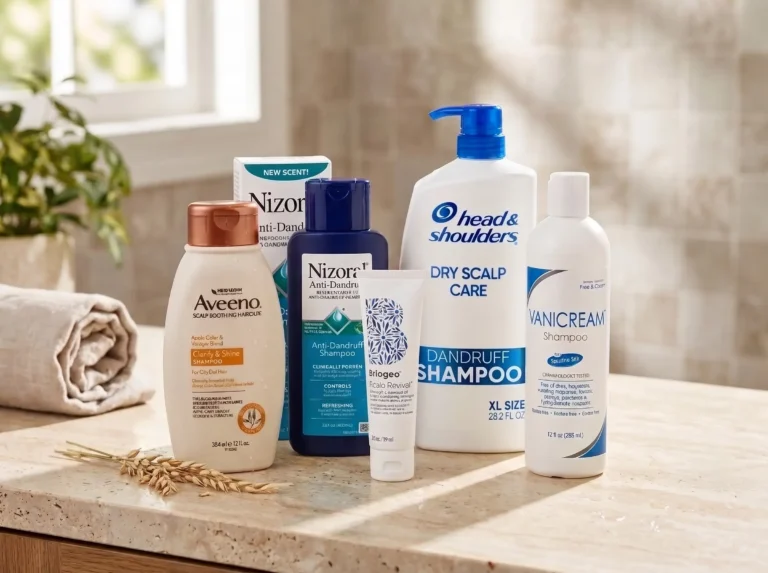
- Oily scalp: Washing more often may feel better. See our guide to shampoos for oily hair (popular picks include Garnier Fructis Pure Clean Purifying Shampoo, CeraVe Oil Control Balancing Shampoo, and Paul Mitchell Tea Tree Special Shampoo).
- Dry or curly hair: Washing less often often works better.
- Hard water: Mineral buildup can make hair feel dull and heavy, so see our guide to shampoos for hard water (options formulated for mineral and metal buildup include Malibu C Hard Water Wellness Shampoo and L’Oréal Professionnel Metal Detox Shampoo).
- Use lukewarm water and a gentle sulfate-free shampoo (such as CeraVe Gentle Hydrating Shampoo or Color Wow Color Security Shampoo), and gently blot hair dry with a Kitsch Microfiber Hair Towel instead of rubbing with a heavy cotton bath towel.
Myth 3: A Cold Water Rinse Makes Hair Shinier
What’s true: There’s limited scientific evidence that cold water meaningfully changes hair shine. Very hot water, however, can dry out your scalp and hair.
What to do instead: Use lukewarm water for washing. If you enjoy a cool rinse at the end, it won’t hurt, but don’t expect it to replace conditioner or a good smoothing product (such as L’Oréal Paris Elvive 8 Second Wonder Water or Color Wow Dream Coat Supernatural Spray).
Myth 4: You Should Brush Your Hair 100 Strokes a Day
What’s true: This is outdated advice. Brushing helps distribute scalp oils and detangle hair, but excessive brushing creates friction that can cause breakage and frizz, especially on wet, fragile, or curly hair.
What to do instead:
- Brush only as much as you need to detangle and style.
- Start at the ends and work up.
- Use a gentle, flexible brush. See our guide to detangling hair brushes.
- Use a leave-in conditioner to reduce friction.
Myth 5: Products Can Repair Split Ends
What’s true: Once a hair splits, it can’t be permanently fixed. Some products, such as oils, creams, and bond-building treatments, can temporarily smooth and coat the ends, making them look and feel better. But the only way to remove a split end is to cut it off.
What to do instead: Use products to protect and smooth, and trim regularly. Our guides to hair oils and overnight hair masks cover options that help ends look better between trims.
Myth 6: Your Hair Gets “Used To” a Shampoo
What’s true: There’s no strong evidence that hair builds up a tolerance to shampoo. When a shampoo seems to stop working, the cause is often product buildup, hard water, changes in your hair or scalp, or a change in the weather or your routine.
What to do instead: If your hair feels heavy or dull, try a clarifying shampoo occasionally to remove buildup, rather than switching shampoos constantly. If you do want to change, do it for a reason, not because of a rule.
Myth 7: Dry Shampoo Causes Hair Loss
What’s true: There’s no solid evidence that dry shampoo directly causes hair loss. However, using it for many days in a row without washing can lead to buildup on the scalp, which may cause irritation or itching for some people, and an irritated scalp isn’t a healthy environment for hair.
What to do instead: Use dry shampoo to stretch time between washes, not to replace washing. Wash your hair regularly, and rinse thoroughly. Our guide to dry shampoos for oily roots covers options. If you notice thinning, our guide to shampoos and scalp care for thinning hair explains causes and when to see a doctor.
Myth 8: Silicones Always Damage Hair
What’s true: Silicones coat the hair shaft, adding slip, smoothness, and shine. They don’t “damage” hair by themselves. The downside is that some silicones can build up over time, leaving hair feeling heavy or dull, particularly if you don’t wash often or use heavy products.
What to do instead: If you like how silicones feel and your hair looks good, there’s no need to avoid them. If you notice buildup, a clarifying shampoo every so often can help. If you prefer to avoid them, silicone-free products are available.
Myth 9: A Heat Protectant Makes Heat Styling Safe
What’s true: Heat protectants can reduce the damage from hot tools by creating a barrier and helping distribute heat, but they don’t eliminate it. Very high temperatures, repeated passes, and styling damp hair can still cause damage.
What to do instead:
- Apply a heat protectant before every hot tool use.
- Use the lowest temperature that works for your hair.
- Make one pass per section when you can.
- Let hair dry before using a flat iron or curling wand.
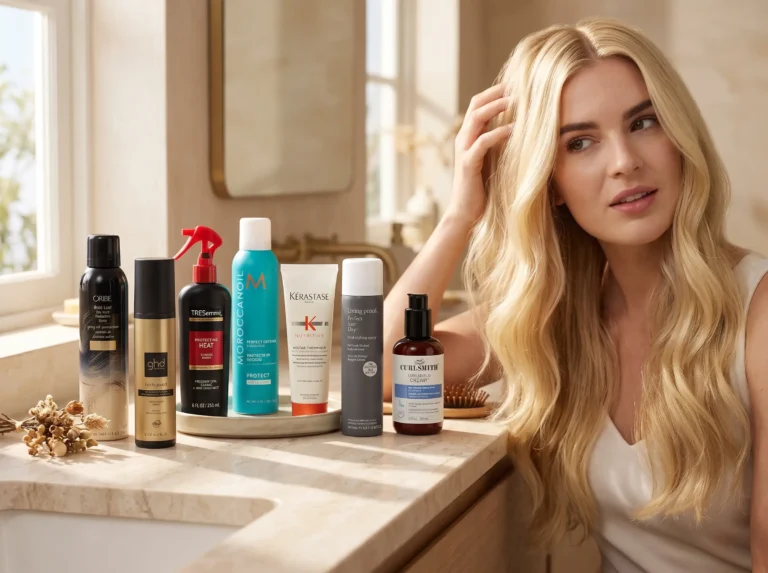
For product ideas, see our guide to heat protectant sprays (such as TRESemmé Thermal Creations Heat Tamer Spray and CHI 44 Iron Guard Thermal Protection Spray), and for tools, see our guides to curling wands (like Conair Double Ceramic Curling Iron or ghd Curve) and flat irons (including CHI Original Ceramic Hairstyling Iron, T3 SinglePass Smooth X, and GHD Platinum+ Styler).
Myth 10: Biotin Supplements Make Hair Grow Faster
What’s true: Biotin is a vitamin that supports healthy hair, skin, and nails, and a true deficiency can cause hair thinning. But for people who aren’t deficient, there isn’t strong evidence that extra biotin makes hair grow faster or thicker. High doses can also interfere with some lab tests, so it’s worth telling your doctor if you take them.
What to do instead: If you’re worried about thinning, see a doctor to check for causes such as thyroid issues, low iron, or hormonal changes. A balanced diet supports hair, and a doctor can advise on supplements.
Quick Reference Table
| Myth | The Reality |
|---|---|
| Trims make hair grow faster | Trims prevent breakage but don’t change growth |
| Washing daily is damaging | It depends on your hair and scalp |
| Cold water adds shine | Little evidence |
| Brush 100 strokes a day | Too much brushing can cause breakage |
| Products repair split ends | They smooth temporarily, but only a trim removes them |
| Hair gets used to shampoo | Buildup or other factors are more likely |
| Dry shampoo causes hair loss | No solid evidence, but buildup can irritate the scalp |
| Silicones always damage hair | They can build up but aren’t damaging by themselves |
| Heat protectant makes heat safe | It reduces damage, not eliminates it |
| Biotin boosts growth | Evidence is limited unless you’re deficient |
What Actually Helps Hair Stay Healthy
- Be gentle. Handle wet hair carefully, and use flexible brushes and wide-tooth combs.
- Moisturize. Condition your ends, and use a leave-in or oil as needed.
- Limit heat and chemical treatments.
- Protect hair from friction. A smooth surface can help. See our guide to silk and satin pillowcases.
- Take care of your scalp. A clean, comfortable scalp supports healthy hair, and a scalp massager can be a relaxing add-on.
- Eat a balanced diet and manage stress where you can.
- See a professional for concerns that don’t improve.
If You Only Buy a Few Things: Three Examples
These are widely available, but formulas change, so check each listing for the current version.
- A gentle brush: Wet Brush Original Detangler is a popular, flexible-bristle brush for wet or dry hair.
- A heat protectant: TRESemmé Thermal Creations Heat Tamer Spray is an affordable, widely available option.
- A leave-in: It’s a 10 Miracle Leave-In Product is a lightweight option that works on many hair types. There are several versions, so check which one you’re buying.
Your Quick Checklist
- [ ] I’m brushing gently, from the ends up.
- [ ] I’m using lukewarm water.
- [ ] I’m using a heat protectant before hot tools.
- [ ] I’m trimming on a schedule that suits my hair.
- [ ] I’m washing as often as my scalp needs.
- [ ] I’ll ask a doctor about thinning, not rely on supplements.
Frequently Asked Questions
How often should I trim my hair?
Every few months is common, or whenever you notice splitting.
Is it bad to wash my hair every day?
Not necessarily. It depends on your hair and scalp.
Can hair products repair damage?
They can improve how hair looks and feels, but they can’t permanently repair broken or split hair.
Do I need a clarifying shampoo?
Occasionally, if you notice buildup or dullness.
What causes hair thinning?
Causes include genetics, hormones, stress, nutrition, medications, and medical conditions. A doctor can help find the cause.
Final Thoughts
Healthy hair comes from gentle handling, sensible products, and realistic expectations, not from old rules. Trim to prevent breakage, wash for your scalp, protect against heat, and ask a professional if something seems off.