Disclosure: This article contains affiliate links. If you purchase a product through one of these links, we may earn a commission at no additional cost to you.

The Best Hair Oils for Dry Hair

Dry hair feels rough, looks dull and tangles easily. Winter air, hot tools, color treatments and even regular washing can all strip away moisture, and sometimes a conditioner alone cannot keep up. This is where a good hair oil can help.
A hair oil will not repair damaged hair, but it can smooth the surface, reduce frizz, add shine and help seal in moisture. Used well, it makes hair look and feel healthier. Used badly, it can leave hair greasy and weighed down. This guide explains how hair oils work, which type suits your hair, and which products are popular choices.
What Does Hair Oil Actually Do?
Hair oils work mainly on the outside of the hair strand. They coat the cuticle, which helps hair feel smoother, reflect more light and resist frizz caused by humidity. Some oils, such as coconut oil, can also penetrate the hair shaft slightly and may reduce protein loss during washing.
What oils cannot do is add water to dry hair. That is why the best routine pairs a hydrating conditioner or leave-in conditioner with a light layer of oil on top to seal that moisture in.
Types of Hair Oil
Natural oils. These include argan, jojoba, coconut, almond, avocado and camellia oils. They are often loved for their conditioning properties and simple ingredient lists.
Silicone-based oils. Many styling oils contain silicones such as dimethicone or cyclomethicone. They create a very smooth, shiny finish and help protect against frizz. They are not harmful for most people, but they can build up over time, so an occasional clarifying shampoo helps.
Bonding or repair oils. Newer formulas are designed to work alongside bond-building technology to help hair feel stronger and look healthier, especially if it has been colored or heat styled.
Scalp oils. These are designed to be massaged into the scalp and often contain ingredients such as rosemary or peppermint. They are usually used to soothe a dry scalp, and claims about hair growth have limited evidence.
How to Choose a Hair Oil for Your Hair Type
- Fine or thin hair. Choose a very lightweight oil or serum and use just a drop or two on the ends. Heavy oils can make fine hair look flat.
- Thick or coarse hair. Richer oils, such as argan or avocado, are usually well tolerated and help smooth frizz.
- Curly or coily hair. Oils can seal in moisture after your water-based products. Choose a lightweight oil for definition or a richer one for sealing dry ends.
- Color-treated or bleached hair. Look for oils with protective, smoothing formulas and apply them to the mid-lengths and ends.
- Straight, oily scalp. Keep oil away from the roots and apply only to the ends.
Best Hair Oils for Dry Hair
Formulas change, so check the current ingredient list and size before you buy.
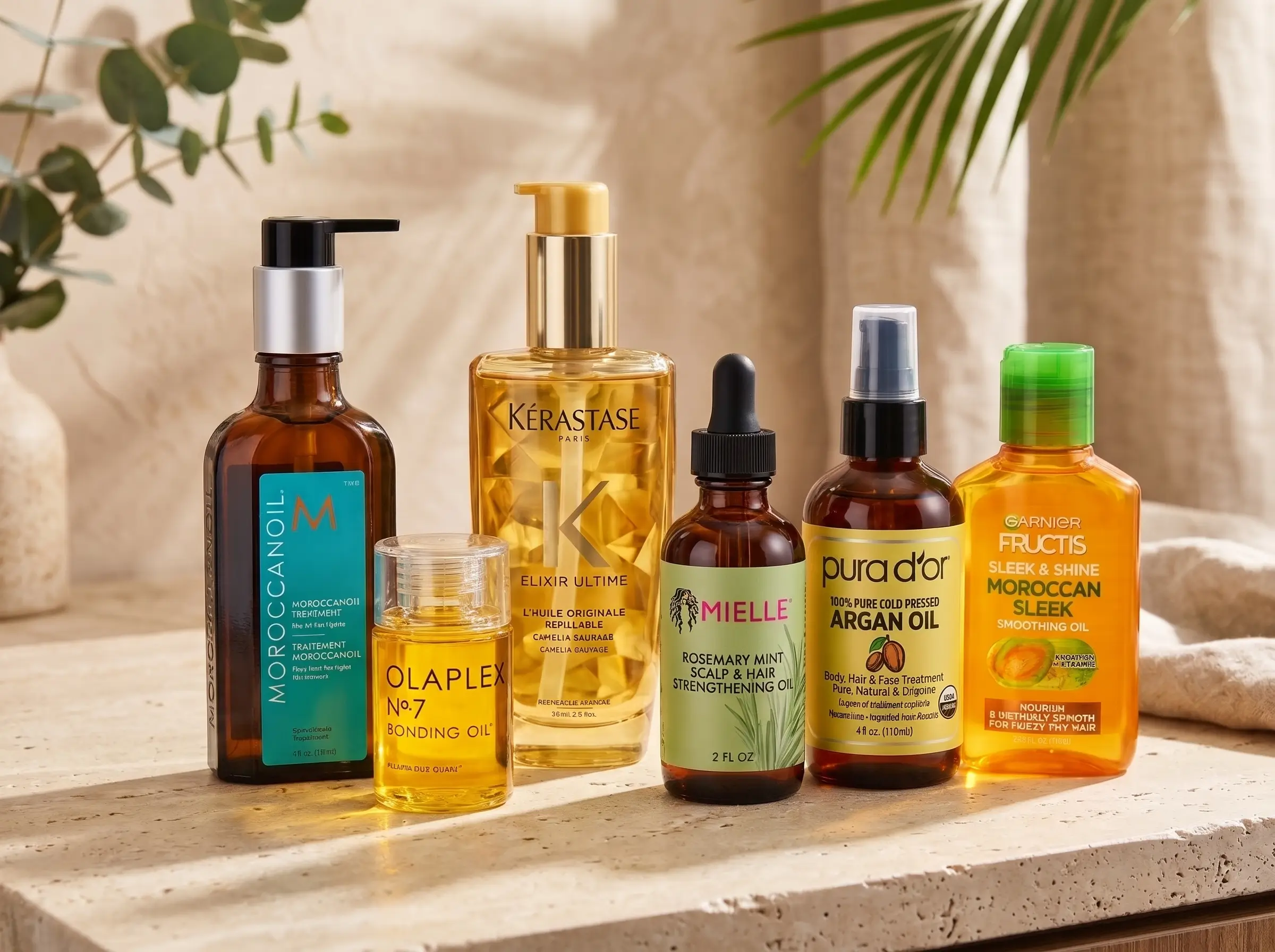
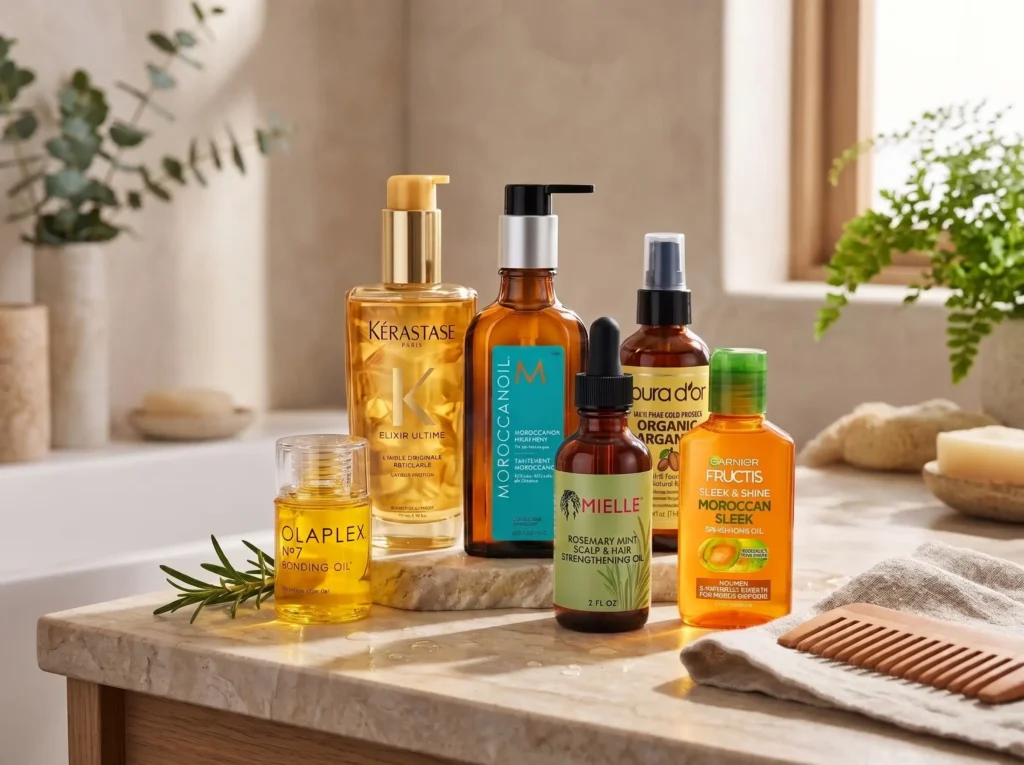
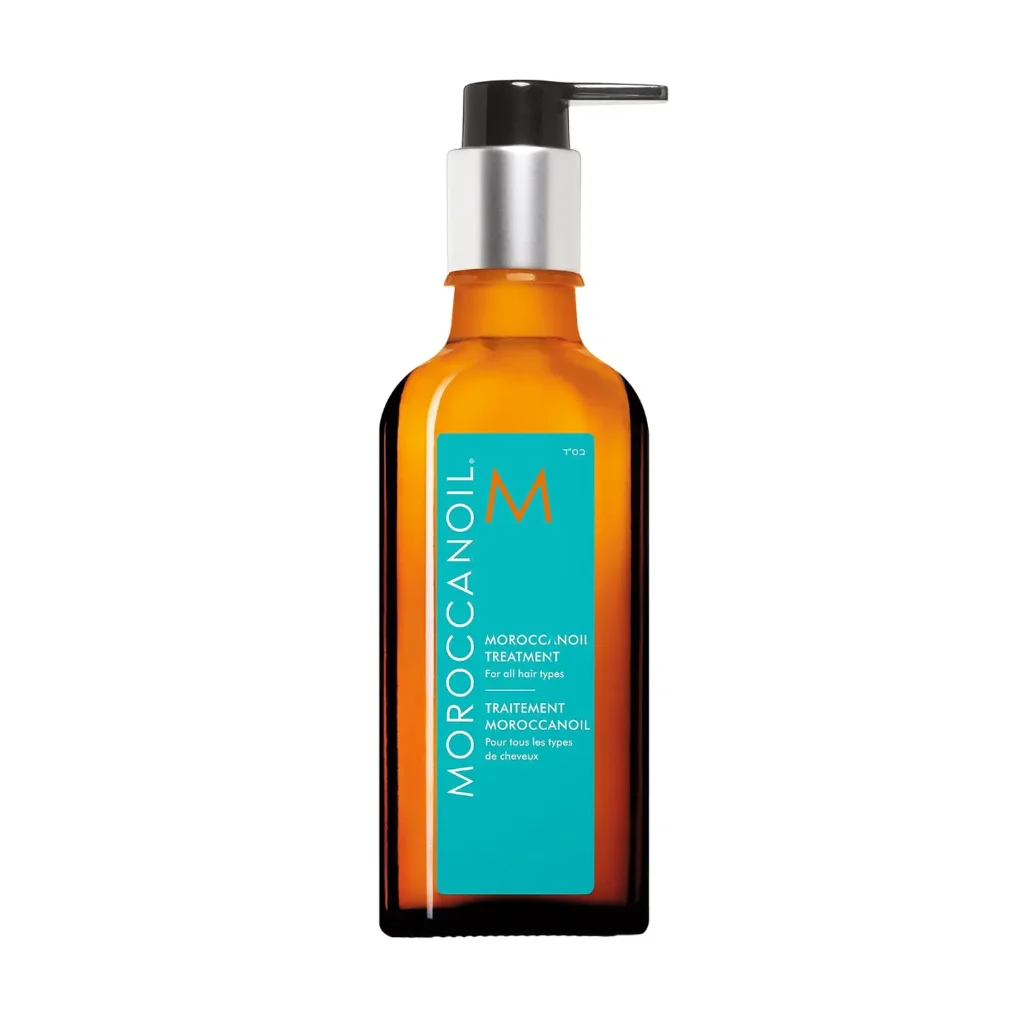
Best Overall: Moroccanoil Treatment
A well-known argan-oil-based treatment that is popular for smoothing frizz and adding shine. It works as a styling aid and as a finishing step, and a small amount goes a long way.
Moroccanoil Treatment Hair Oil
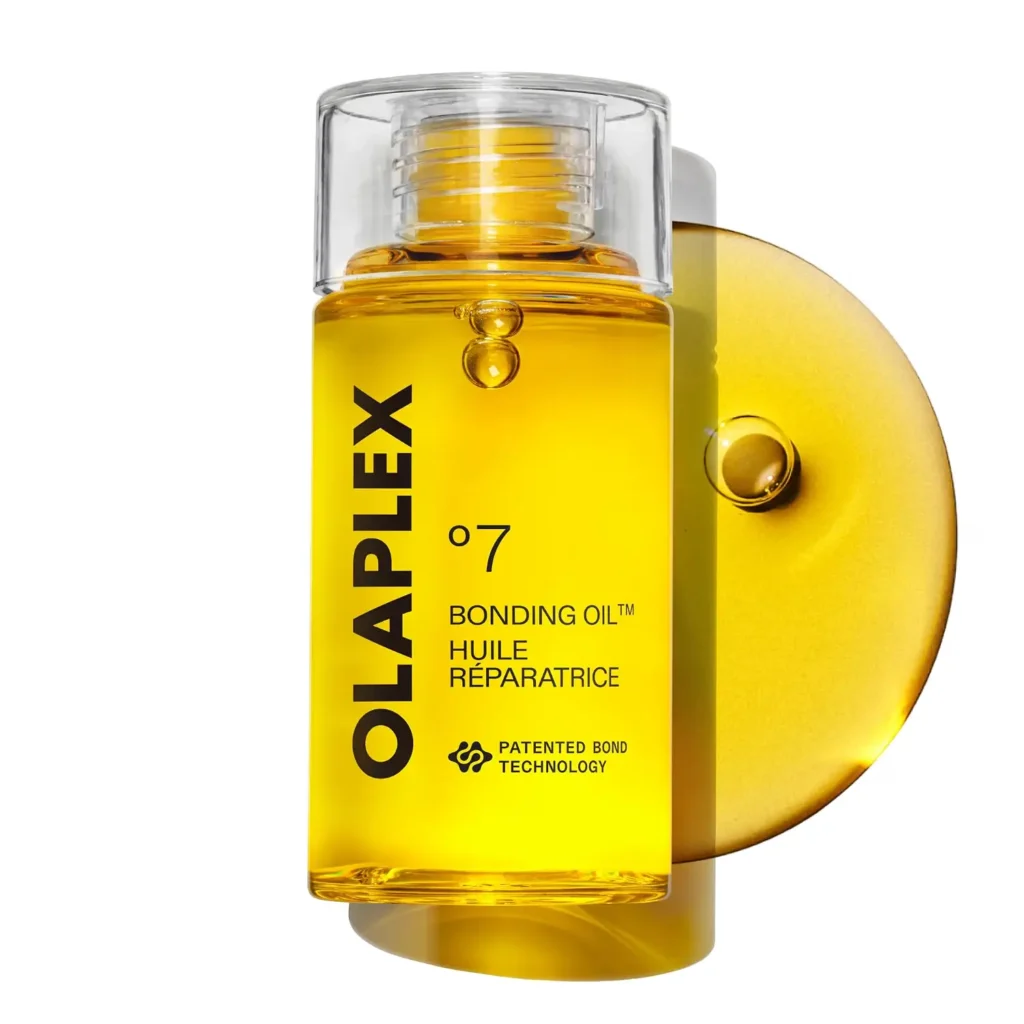
Best for Damaged or Color-Treated Hair: Olaplex No. 7 Bonding Oil
A lightweight, shine-boosting oil designed for hair that has been colored or heat styled. It is often chosen for its smoothing finish and heat protection claims, so check the label for details.
Olaplex No.7 Bonding Oil
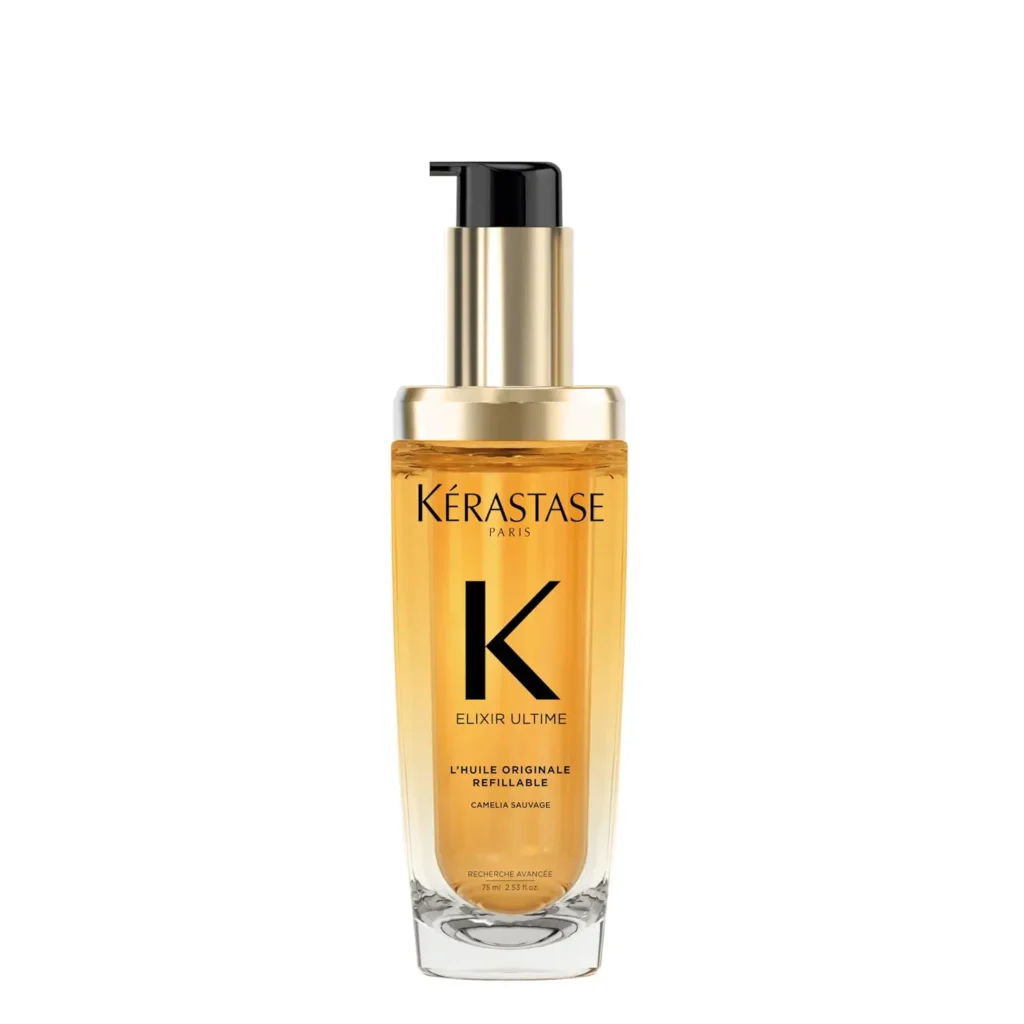
Best Luxury Pick: Kérastase Elixir Ultime Original Oil
A more premium oil with a blend of nourishing oils and a silky finish. A good choice if you want a salon-style product that adds a polished look.
Kerastase Elixir Ultime Original Oil
Best Budget Pick: Garnier Fructis Sleek & Shine Oil or similar drugstore smoothing oil
Affordable, easy to find and good for a quick frizz fix. A good place to start if you are new to hair oils.
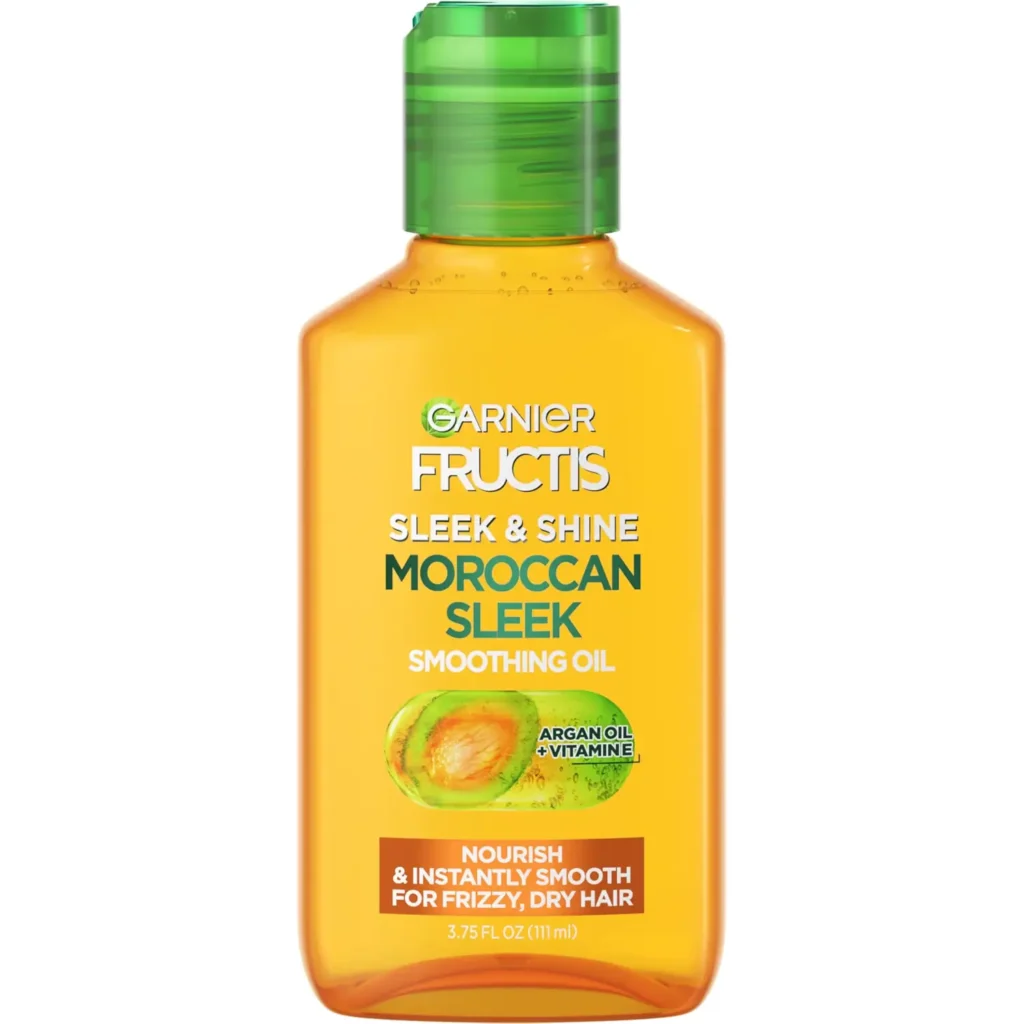
Garnier Fructis Sleek and Shine Oil
Best Scalp and Hair Oil: Mielle Organics Rosemary Mint Scalp & Hair Strengthening Oil
A popular multi-use oil that people use on the scalp and lengths. It has a strong minty scent and is best used in small amounts.
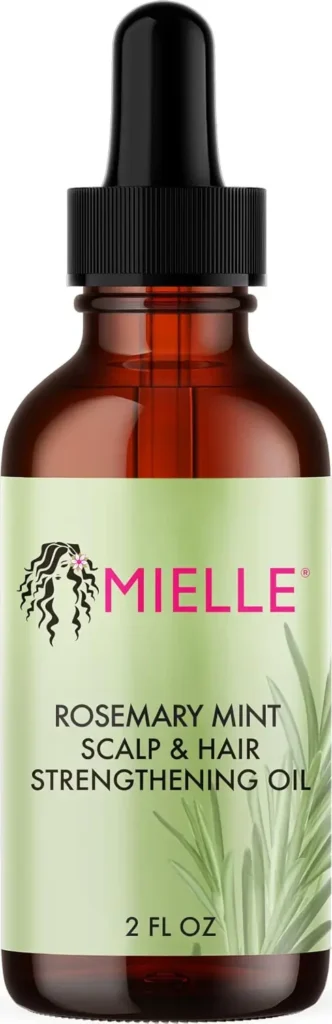
Mielle Organics Rosemary Mint Scalp and Hair Strengthening Oil
Best Pure Natural Oil: Argan or jojoba oil
If you prefer a simple, one-ingredient approach, a pure argan or jojoba oil is a classic choice. Look for cold-pressed, unrefined options in a dark bottle.
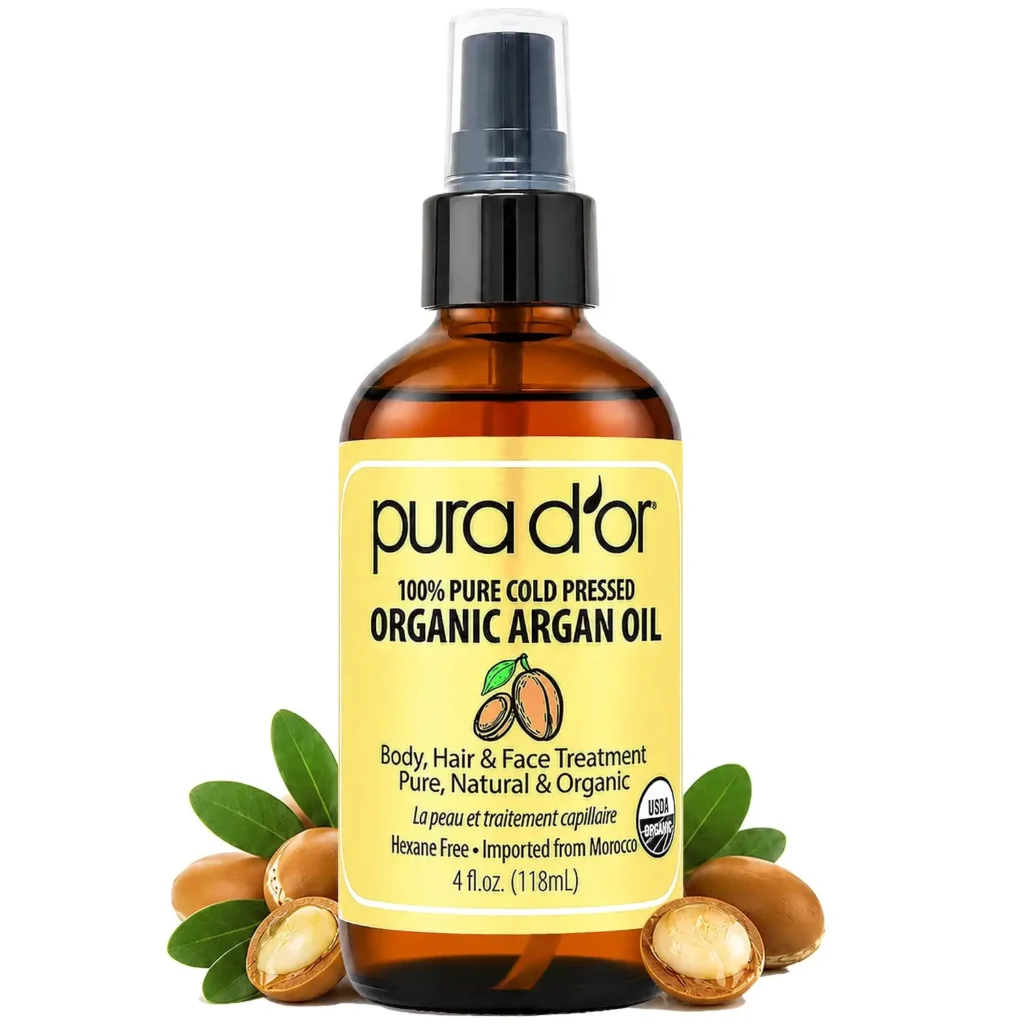
pure argan oil for hair
How to Apply Hair Oil Without Making Hair Greasy
The amount and the placement matter more than the brand.
- Start with a tiny amount. Use one or two drops for fine hair and three or four for thick hair. You can always add more.
- Warm the oil between your palms so it spreads evenly.
- Apply to the mid-lengths and ends, where hair is driest and oldest.
- Avoid the roots, unless you are using a product made for the scalp.
- Smooth over the surface to tame flyaways, using what is left on your hands.
- Comb through gently with a wide-tooth comb or a detangling brush.
When to Use Hair Oil: Damp Hair, Dry Hair or Pre-Wash
- On damp hair, before styling, helps seal in moisture and reduces frizz as hair dries.
- On dry hair, as a finishing step, adds shine and tames flyaways.
- Before shampooing (pre-wash), a generous layer left on for 30 minutes or longer can make hair feel softer after washing and may help reduce dryness from cleansing.
- Overnight, a light application on the ends with a silk or satin pillowcase helps reduce friction and tangling.
If you plan to style with heat, check that your oil is made for use with hot tools. Otherwise, apply a dedicated heat protectant spray first and add oil afterward as a finishing step.
A Simple Routine for Dry Hair
- Wash less often, if you can, with a gentle, moisturizing shampoo.
- Condition every time, focusing on the ends.
- Apply a deep conditioning mask once a week.
- Use a leave-in conditioner on damp hair.
- Seal with a few drops of oil.
- Trim regularly, because no oil can repair split ends.
Common Hair Oil Mistakes
- Using too much. Hair ends up flat and greasy.
- Applying to the roots. Unless the product is made for the scalp, keep it on the lengths.
- Using oil as a substitute for conditioner. Oil seals moisture in, but it does not add any.
- Never clarifying. Product build-up makes hair look dull and heavy. Use a clarifying shampoo every few weeks.
- Choosing a heavy oil for fine hair.
- Expecting oil to fix damage. It improves how hair looks and feels, but only trimming removes damaged ends.
Frequently Asked Questions
What is the best hair oil for dry hair?
A good choice is a lightweight argan-based or bonding oil for most hair types, and a richer oil for thick or coarse hair. The best one is the one that leaves your hair smooth without feeling greasy.
Should I put oil on wet or dry hair?
Both work. Wet or damp hair benefits from sealing in moisture, and dry hair benefits from a finishing touch for shine.
How often should I use hair oil?
Many people use it after every wash, and some use it daily on the ends. If your hair starts to look weighed down, use it less often.
Can hair oil make hair grow faster?
There is limited evidence that most hair oils speed hair growth. They can improve the look and feel of hair and help reduce breakage, which makes hair appear longer and fuller.
Is coconut oil good for dry hair?
Some people find it helps reduce protein loss and softens hair. Others find it makes hair stiff or heavy, especially if hair is fine. Use a small amount and see how your hair responds.
Can I leave hair oil in overnight?
Yes, a light layer on the ends is generally fine. Use a protective pillowcase and wash it regularly to avoid transferring oil to your skin.
Final Thoughts
Hair oil is a finishing touch, not a cure. Combine it with moisture, gentle handling and regular trims, and it can make dry hair look smoother, shinier and healthier. Start small, find the right type for your hair, and adjust until it feels just right.