Disclosure: This article contains affiliate links. If you purchase a product through one of these links, we may earn a commission at no additional cost to you.

The Best Shampoos for a Dry, Itchy Scalp

An itchy, flaky scalp is uncomfortable and easy to feel self-conscious about, especially when flakes land on dark sweaters. In winter it is even more common, as cold air, indoor heating and hot showers all pull moisture from the skin on your head.
The tricky part is that not every flaky scalp is the same. Choosing the right shampoo starts with working out what is causing the flakes. This guide explains the difference between dry scalp and dandruff, how to choose a shampoo for each, and which popular products are worth trying.
Dry Scalp vs. Dandruff: What Is the Difference?
They look similar, but they have different causes and need different treatments.
Dry scalp happens when the skin on your scalp lacks moisture. The flakes are usually small and white, the scalp feels tight or itchy, and the rest of your skin is often dry too. It is common in winter and with harsh shampoos or hot water.
Dandruff is often linked to a yeast called malassezia and to an oily scalp. The flakes tend to be larger, yellowish or greasy-looking, and the scalp can be oily and itchy. Seborrheic dermatitis is a more persistent form that can cause red, inflamed skin.
A simple clue: if your scalp feels tight and your hair is dry, it may be a dry scalp. If your scalp feels oily and flakes look greasy, dandruff is more likely. If you are not sure, a dermatologist can tell you.
What to Look for in a Shampoo for Dry Scalp
- Gentle cleansing agents. Look for mild surfactants instead of harsh sulfates.
- Moisturizing ingredients. Glycerin, panthenol, aloe, oat extract and plant oils help soothe dry skin.
- Fragrance-free or lightly scented formulas, especially if your scalp is sensitive.
- Avoid very strong clarifying shampoos if your scalp is dry, because they can strip it further.
What to Look for in a Dandruff Shampoo
If you suspect dandruff, look for one of these well-known active ingredients on the label:
- Pyrithione zinc, which helps reduce the yeast that contributes to flaking
- Ketoconazole, an antifungal used in some over-the-counter shampoos
- Selenium sulfide, which slows skin cell turnover
- Salicylic acid, which helps loosen and remove flakes
- Coal tar, which slows skin cell turnover but can have a strong smell
Follow the directions on the label, which usually mean leaving the shampoo on the scalp for a few minutes before rinsing, and using it a few times a week.
Best Shampoos for a Dry, Itchy Scalp
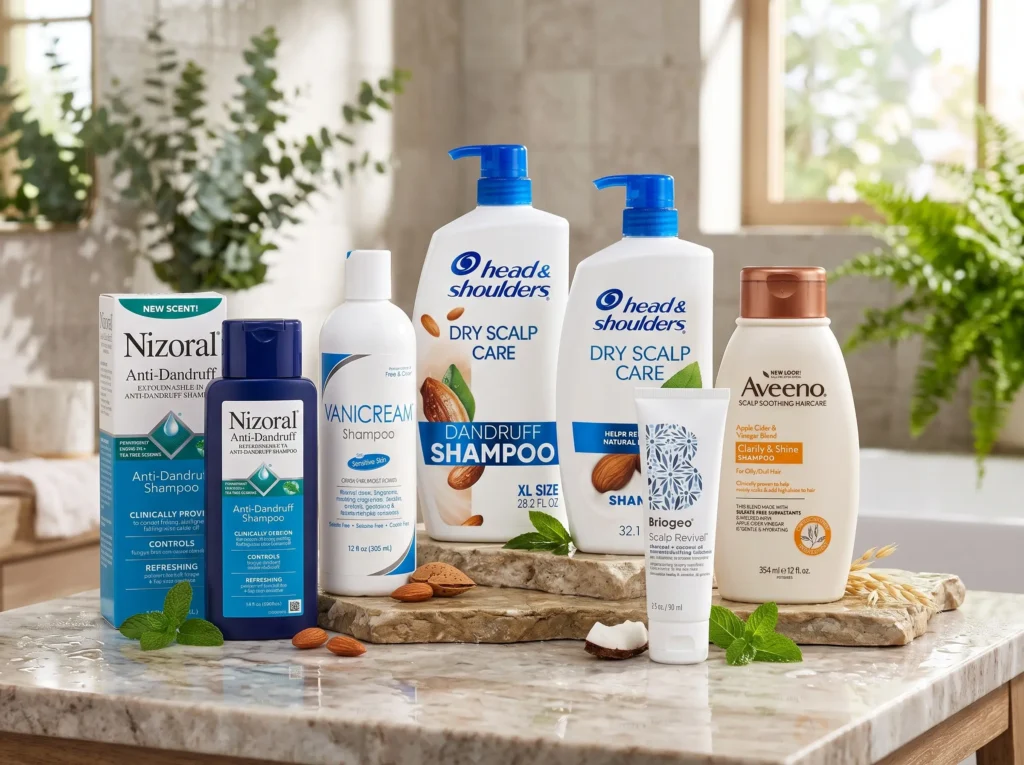
Formulas change, so check the current label and active ingredients before buying.
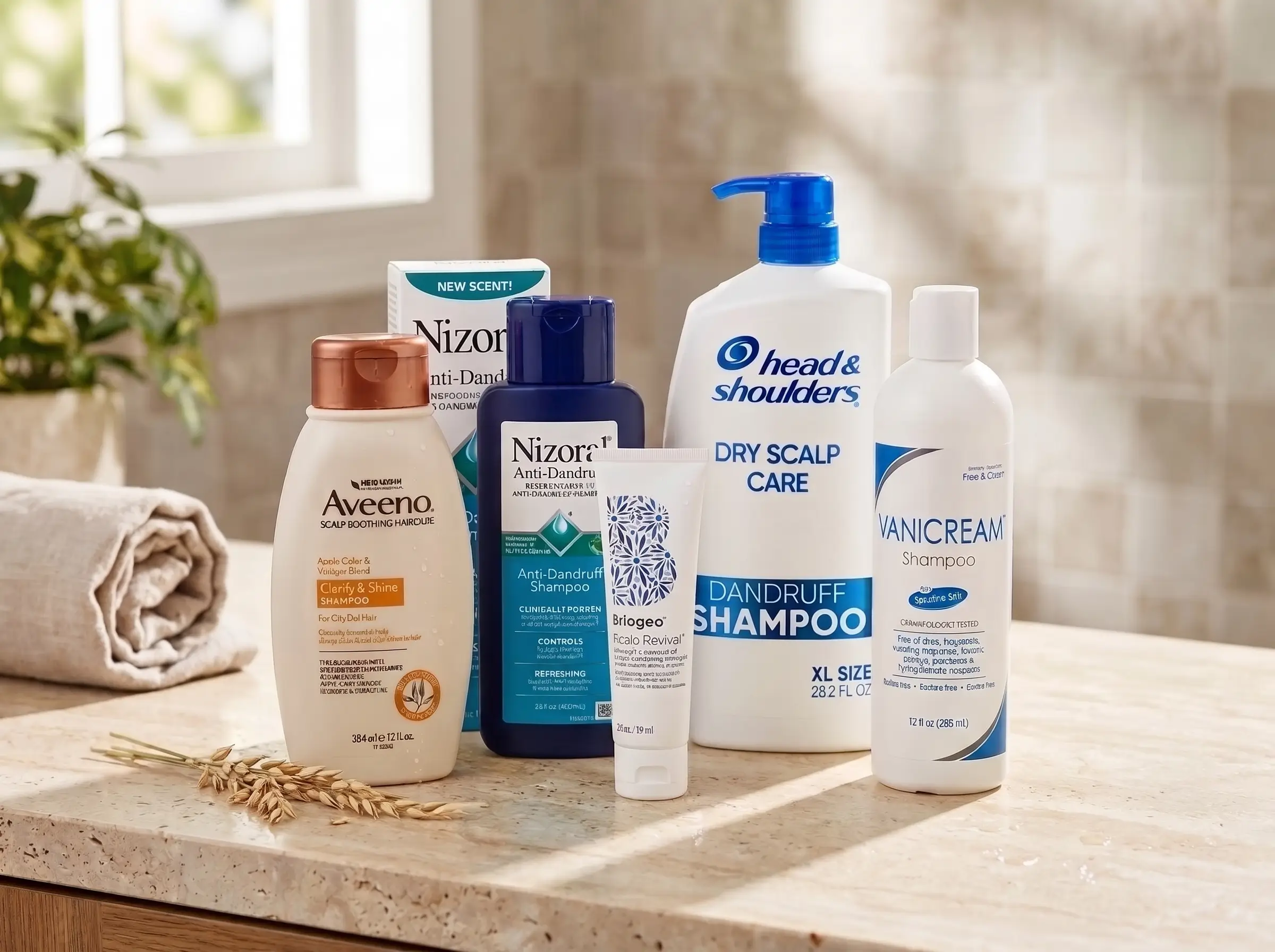
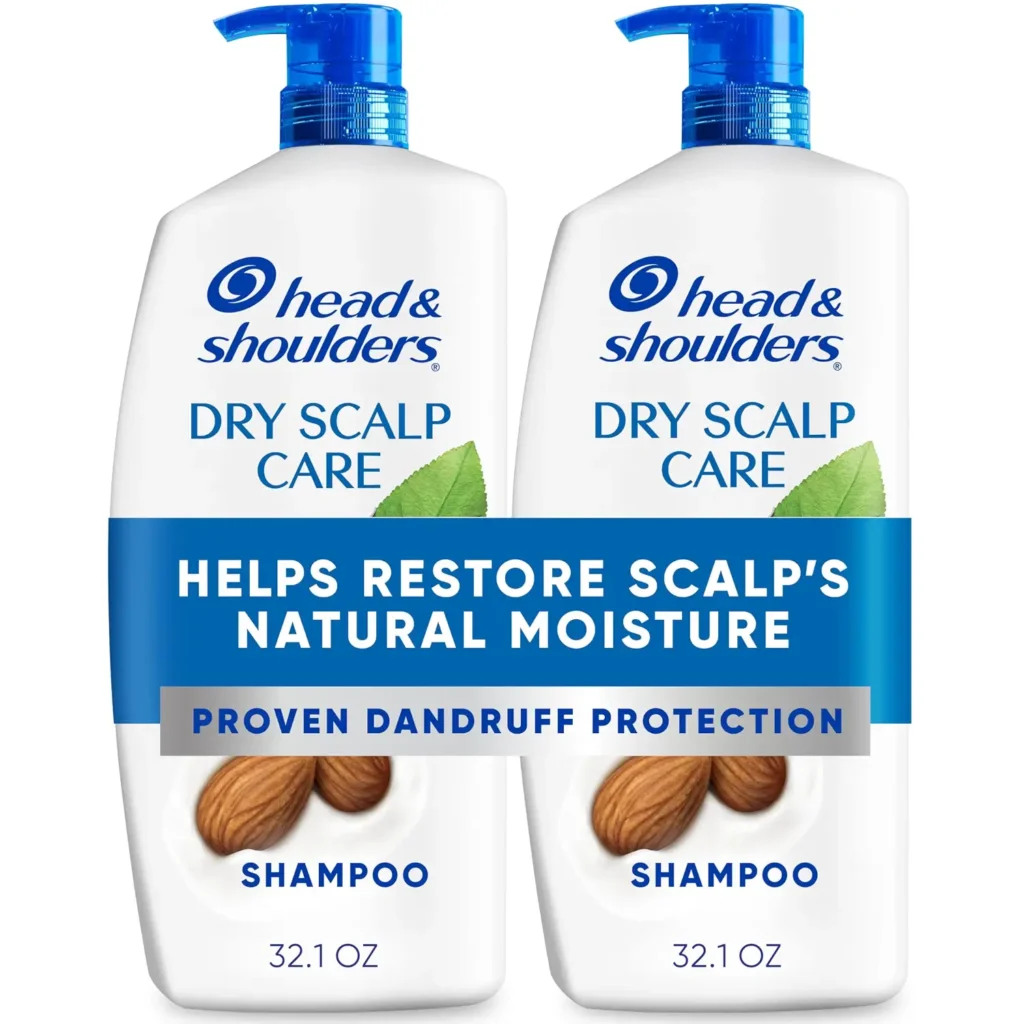
Best for Dandruff: Head & Shoulders Dry Scalp Care
A widely available medicated shampoo with pyrithione zinc, designed to reduce flakes and soothe an itchy scalp. A practical, affordable first step if your flakes are persistent.
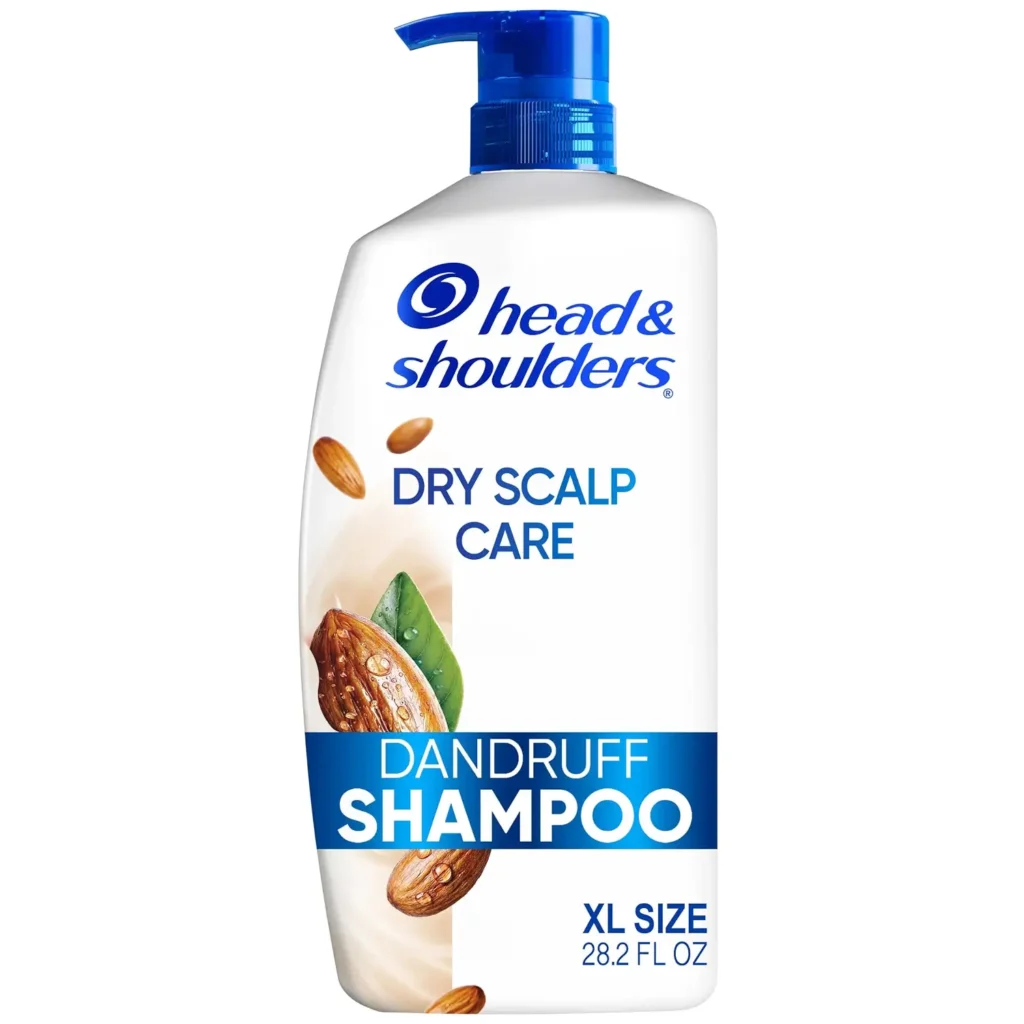
Head and Shoulders Dry Scalp Care Shampoo
Best Antifungal Option: Nizoral A-D Anti-Dandruff Shampoo
Contains ketoconazole, which many people use when other dandruff shampoos have not worked. It is usually used a couple of times a week, as directed on the label.
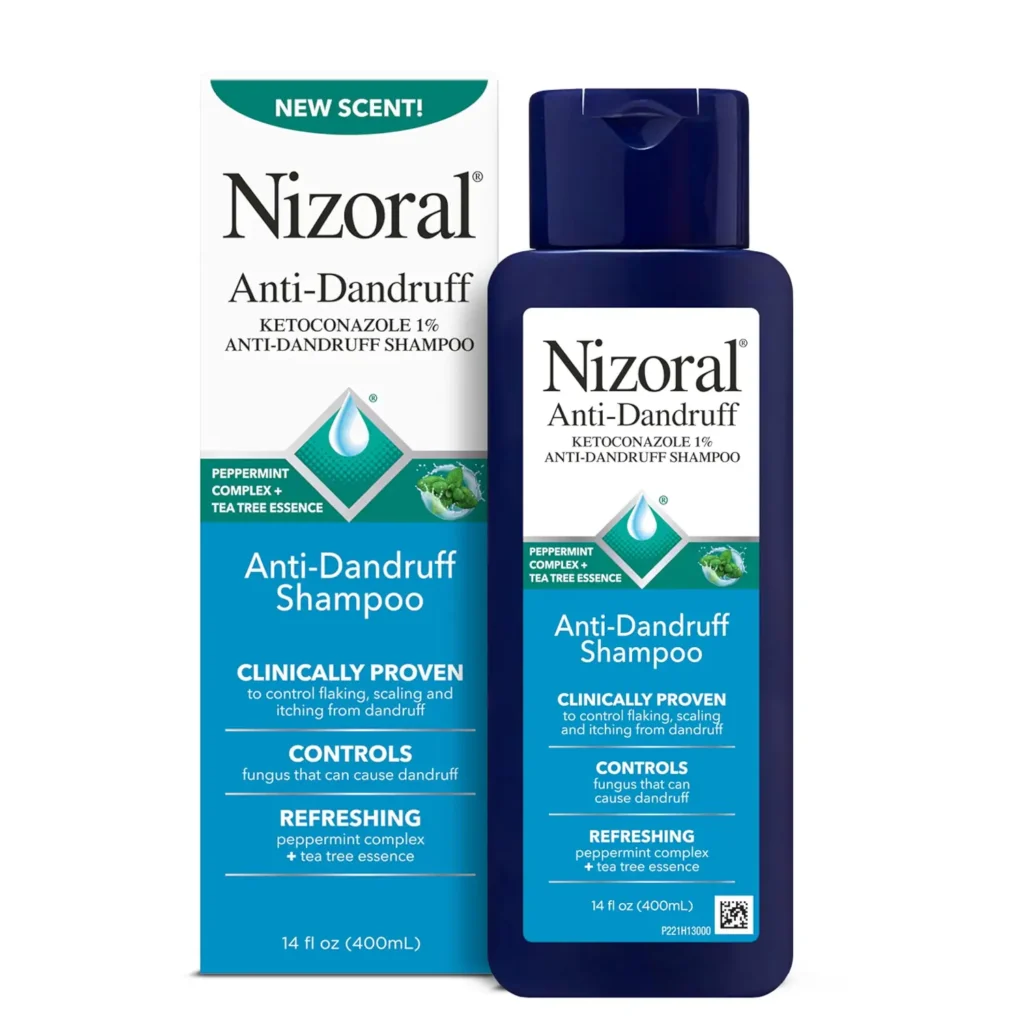
Nizoral A-D Anti-Dandruff Shampoo
Best Gentle Option for Sensitive Scalps: Vanicream Free & Clear Shampoo
A fragrance-free, simple shampoo made without many common irritants. A smart choice if your scalp is easily irritated.
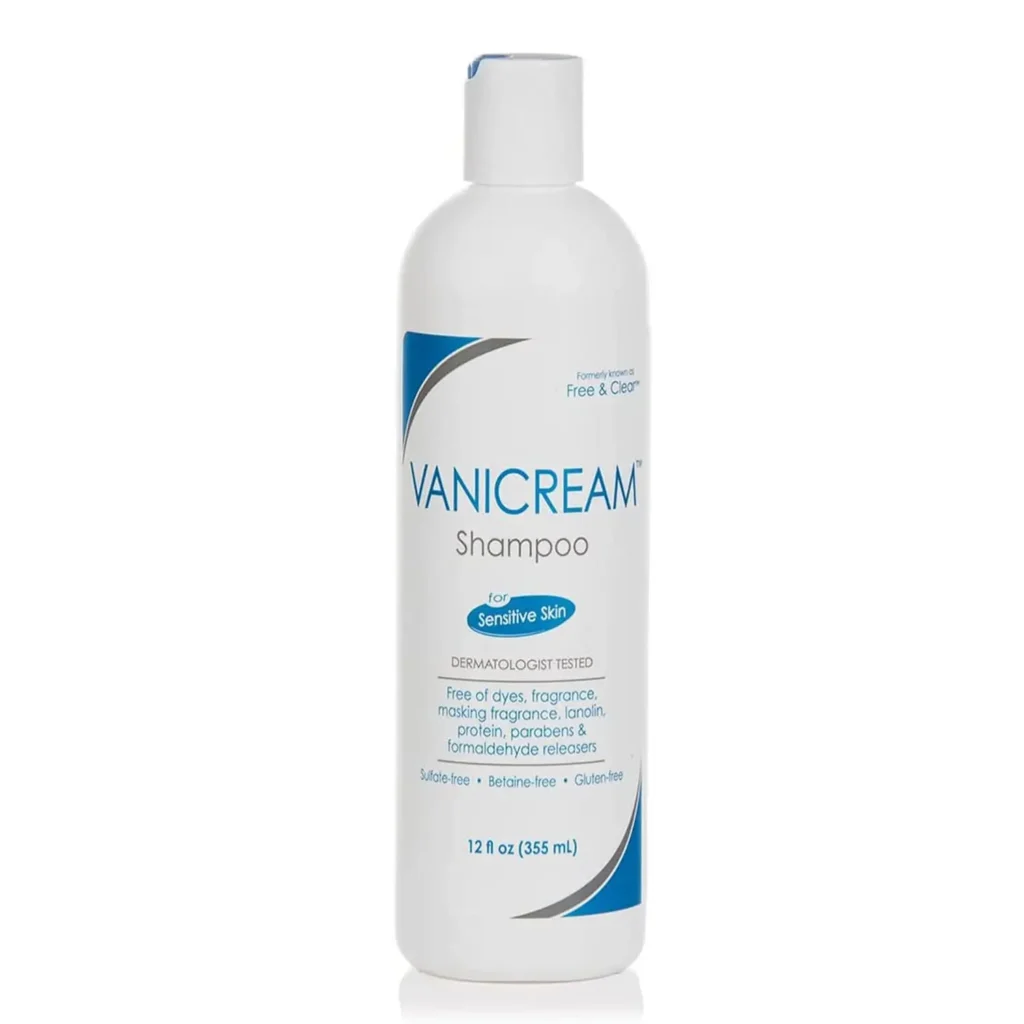
Vanicream Free and Clear Shampoo
Best Soothing Pick: Aveeno Scalp Soothing Oat Milk Shampoo
A mild, comforting formula with oat that is aimed at dry, itchy scalps. Gentle enough for frequent use.
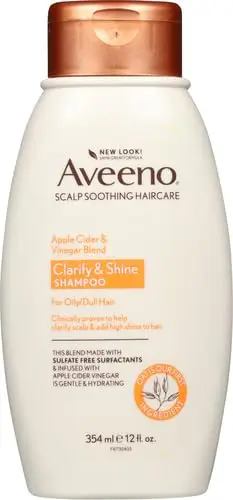
Aveeno Scalp Soothing Shampoo
Best Scalp Exfoliating Shampoo: Briogeo Scalp Revival Charcoal + Coconut Oil Micro-Exfoliating Shampoo
A popular scalp-care shampoo that gently exfoliates build-up while conditioning. Better for flaking caused by product build-up than for very dry or inflamed scalps, so use it as directed and not every day.
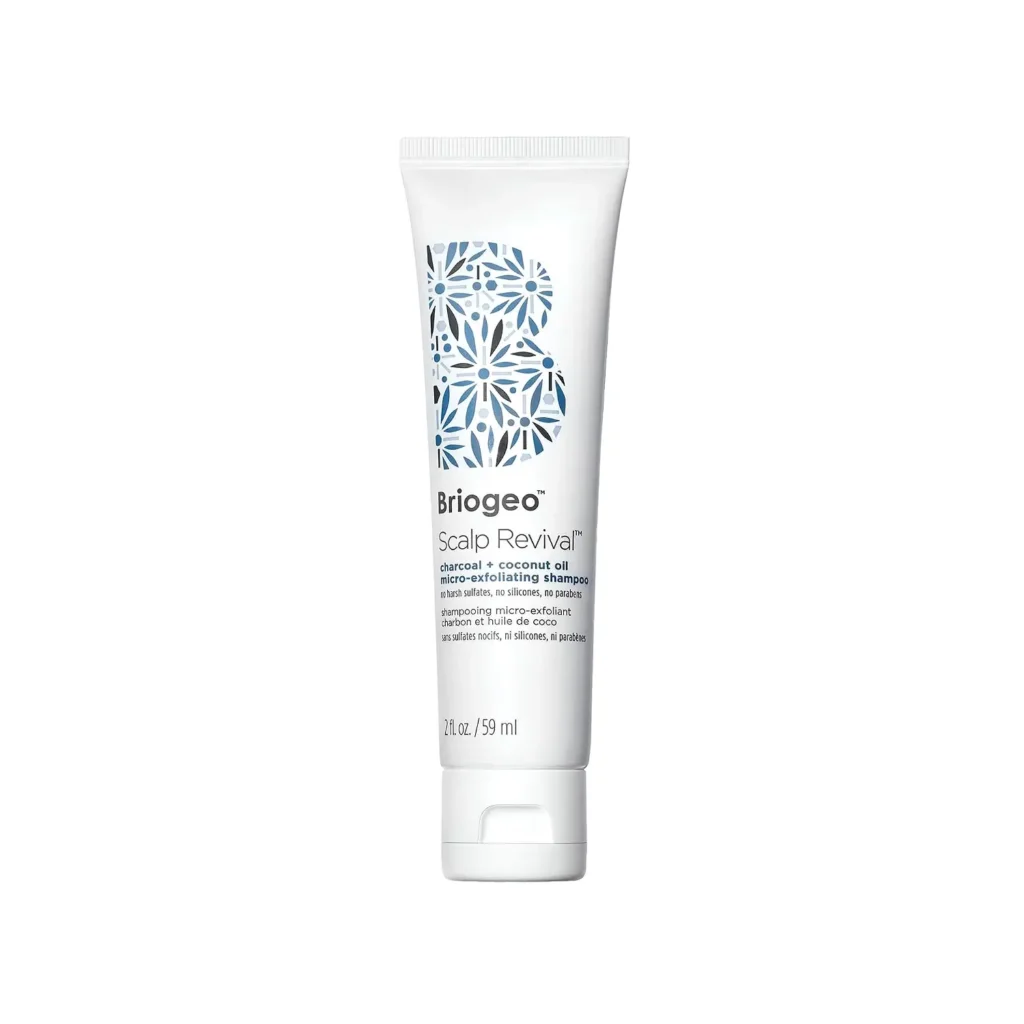
Briogeo Scalp Revival Charcoal Coconut Oil Micro-Exfoliating Shampoo
Best Moisturizing Shampoo for Dry Hair and Scalp: A hydrating shampoo with glycerin and plant oils
If your hair and scalp are both dry, a creamy moisturizing shampoo can help. Pair it with a rich conditioner on the lengths.
moisturizing shampoo for dry scalp and hair
How to Wash Your Hair With a Dry or Flaky Scalp
- Use lukewarm water. Very hot water strips the scalp’s natural oils.
- Focus shampoo on the scalp, not the lengths. Massage gently with your fingertips, not your nails.
- Leave medicated shampoo on for the time stated on the label, usually a few minutes.
- Rinse thoroughly. Leftover shampoo can irritate.
- Apply conditioner to the lengths and ends, and avoid the scalp unless the product is made for it.
- Dry gently. Pat with a towel and use cool or warm, not hot, air.
How often to wash depends on your hair. Dry scalps often do better with every two or three days, while dandruff may need more frequent washing with a medicated shampoo.
Scalp Care Habits That Help
- Do not scratch. It can damage the skin and make flaking worse.
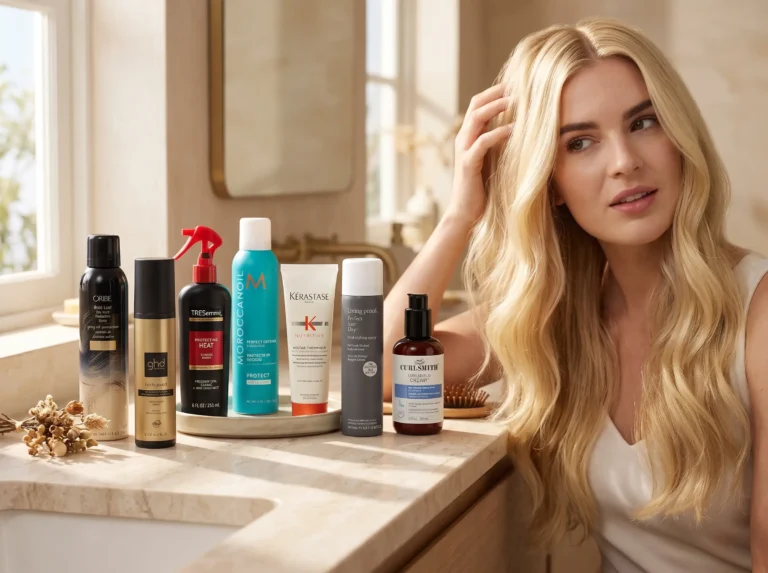
- Avoid stacking heavy products such as dry shampoo, gels and oils at the roots.
- Use a gentle scalp scrub or exfoliating shampoo occasionally, if you have build-up, but not on irritated skin.
- Try a light scalp oil, such as jojoba, for a dry scalp. Avoid it if you have dandruff, since oils can feed the yeast.
- Use a humidifier at home to add moisture to dry indoor air.
- Protect your scalp from the sun and cold with a hat that is not scratchy.
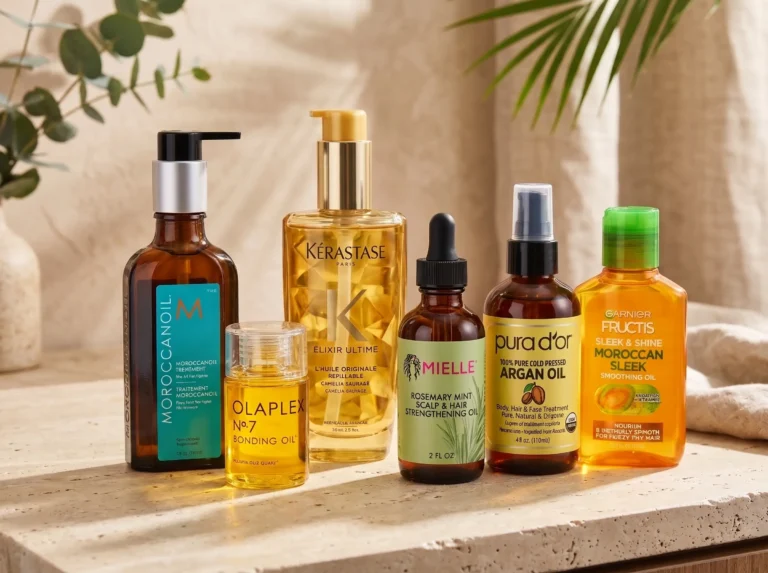
- Keep your hair care routine gentle. Our guides to hair oils for dry hair and leave-in conditioners cover options for the lengths.
Can Diet and Lifestyle Affect an Itchy Scalp?
Stress, lack of sleep, sudden weather changes and a poor diet can sometimes make flaking worse, although the evidence for specific foods is limited. Staying hydrated, eating a balanced diet and managing stress support overall skin health, but they are not a substitute for the right shampoo.
Common Mistakes With a Flaky Scalp
- Treating dandruff with heavy oils.
- Treating dry scalp with strong anti-dandruff shampoo every day.
- Washing with hot water.
- Scratching with your nails.
- Switching products too often. Give a new shampoo at least a few weeks, unless it irritates you.
- Not rinsing well.
When to See a Doctor
See a doctor or dermatologist if your scalp is red, painful, oozing, covered in thick scales or does not improve after four weeks of using an appropriate shampoo. Persistent flaking and itching can be a sign of seborrheic dermatitis, psoriasis, eczema or a fungal infection, which need specific treatment. If you notice patches of hair loss, get it checked promptly.
Frequently Asked Questions
What is the best shampoo for a dry, itchy scalp?
If the cause is dryness, a gentle, moisturizing, fragrance-free shampoo is usually best. If it is dandruff, a medicated shampoo with pyrithione zinc, ketoconazole or a similar active may help.
How can I tell if I have dry scalp or dandruff?
Dry scalp usually comes with small, white flakes and a tight feeling. Dandruff often has larger, greasy-looking flakes and an oily scalp. A dermatologist can confirm.
Does washing my hair more often cause dry scalp?
Washing too often with harsh shampoos can dry the scalp. Using a gentle shampoo and lukewarm water helps.
Can I use dandruff shampoo every day?
Follow the label. Many are designed for use a few times a week, and using them more often can dry the scalp.
Is coconut oil good for a dry scalp?
Some people find it soothing, but it can make dandruff worse for others and can be hard to wash out. If you try it, use a small amount and see how your scalp responds.
Can a dry scalp cause hair loss?
Dryness alone rarely causes hair loss, but scratching and inflammation can contribute to breakage. See a doctor if you notice thinning or bald patches.
Final Thoughts
A flaky, itchy scalp is common and usually manageable. Work out whether you are dealing with dryness or dandruff, choose a shampoo to match, wash gently with lukewarm water and give your routine a few weeks. If it does not improve, a dermatologist can help you find the right treatment.