Disclosure: This article contains affiliate links. If you purchase a product through one of these links, we may earn a commission at no additional cost to you.

The Best Nail Strengtheners and Cuticle Oils for Healthy Nails

Winter is rough on hands, and nails take the hit too. Cold air, indoor heating, frequent hand washing, and hand sanitizer all dry out the skin around your nails and the nails themselves. The result is familiar: peeling layers, splitting tips, ragged cuticles, and nails that snap the moment you catch one on something.
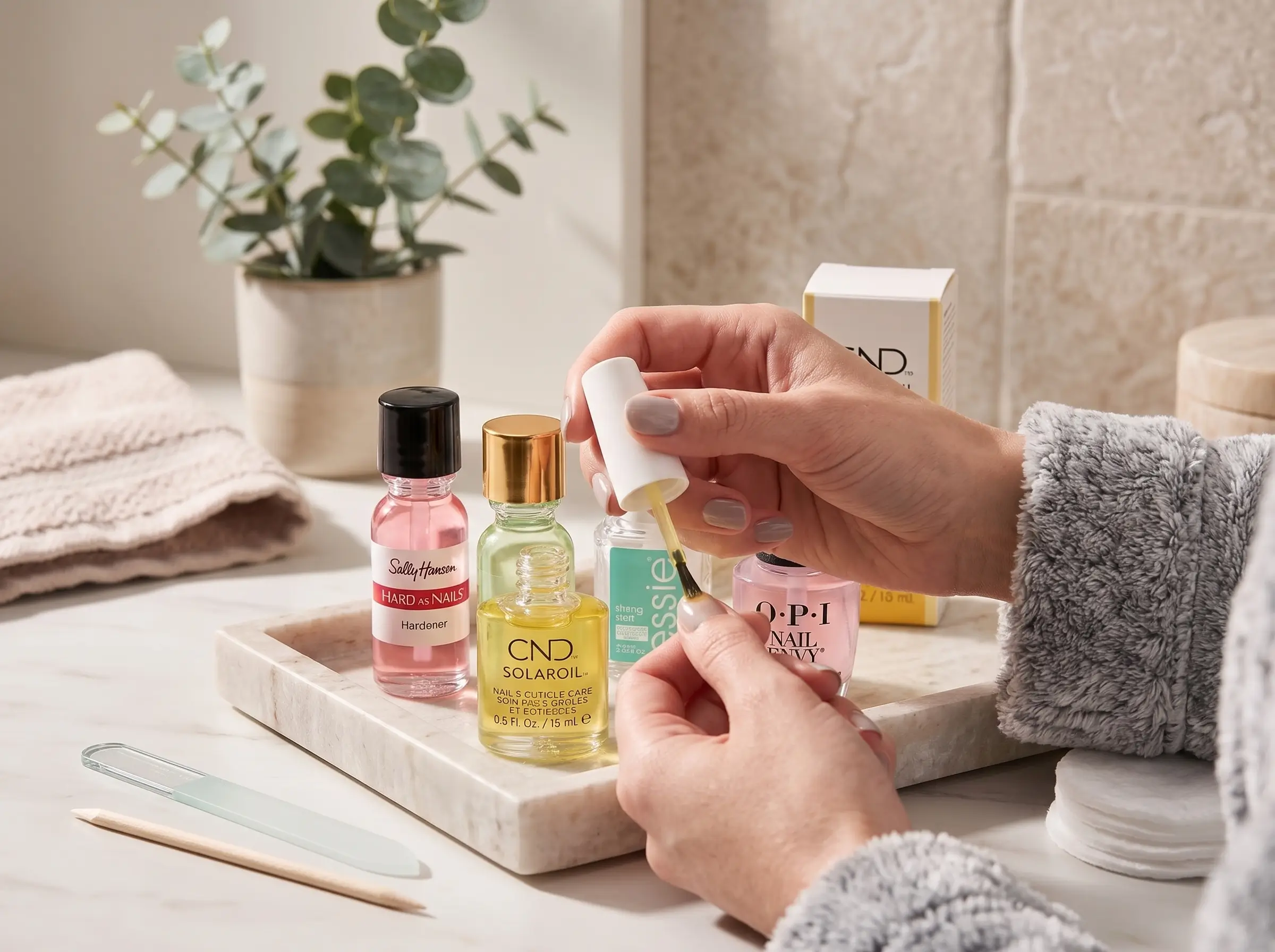
Nail strengtheners and cuticle oils are two of the simplest tools for looking after them. Strengtheners are polish-like treatments that coat the nail to help it resist chipping and splitting. Cuticle oils soften the skin around the nail and keep it supple. Neither can change how your nails grow, and neither is a medical treatment, but used consistently, they can make nails look and feel healthier.
This guide explains what causes brittle nails, how each product type works, and which popular options are worth considering, along with winter habits that make a real difference.
What Causes Brittle, Peeling Nails?
Nails are made mostly of keratin, the same protein found in hair, and they need a balance of moisture to stay flexible. Common causes of brittleness include:
- Frequent water exposure. Washing hands, dishes, and cleaning can cause nails to swell and shrink repeatedly, leading to splits.
- Dry air and cold weather. Winter lowers moisture in the air and in your nails.
- Harsh products. Hand sanitizer, nail polish remover with acetone, and some cleaning products dry nails.
- Nail treatments. Frequent gel or acrylic manicures and aggressive removal can thin nails.
- Trauma. Using nails as tools, biting, and picking damage them.
- Aging. Nails often become drier and more brittle over time.
- Health factors. Some medical conditions, medications, and nutrient deficiencies can affect nails.
If your nails are persistently brittle, ridged, discolored, or changing, it’s worth talking to a doctor, since the cause isn’t always external.
Nail Strengtheners: What They Do and Don’t Do
A nail strengthener is a clear or lightly tinted treatment you apply like polish. Different formulas work in different ways:
- Protective coating. Many leave a hard layer on the nail’s surface that helps resist chipping and splitting.
- Hardening ingredients. Some contain ingredients that harden the nail. These can feel effective at first, but overuse may make nails stiff and more likely to snap.
- Conditioning ingredients. Others add moisture and nutrients, such as vitamins and proteins, with a gentler approach.
What they can’t do: They can’t make nails grow faster, and they can’t repair a damaged nail permanently. They help protect what’s there while healthier nail grows out.
Cautions: Some strengtheners contain ingredients that can irritate skin or cause allergic reactions in some people. If you notice redness, itching, or swelling around the nails, stop using the product.
Cuticle Oils: Why They Matter
Cuticles protect the area where your nail grows from the skin, so keeping the surrounding skin healthy matters. Dry, cracked cuticles can lead to hangnails and may let irritants in.
Cuticle oils are blends of oils, often jojoba, almond, vitamin E, and similar ingredients, that soften the cuticle and surrounding skin. Using one regularly can make nails look healthier, and massaging it in feels good too.
Tips:
- Apply a small drop to each nail and massage it in.
- Use it daily if your skin is dry, especially at night.
- Avoid cutting or pushing cuticles aggressively. Gentle pushing after a shower is safer, and cutting can lead to infection.
What to Look for in Nail Care Products
For Strengtheners
- Ingredient list. Check for hardening ingredients if you’re prone to irritation or brittleness.
- Formula type. Clear strengtheners suit most people, while tinted ones add color.
- Wear time. Some are meant to be used as a base coat, others as a treatment.
For Cuticle Oils
- Plant oils. Jojoba, sweet almond, and similar oils are commonly used.
- Vitamin E. Often included to condition skin.
- Fragrance. Fragrance can irritate dry or sensitive skin.
- Application method. Pens, brushes, and droppers each have pros and cons for convenience.
Safety and Allergies
If you have allergies or sensitive skin, patch test on a small area first.
Best Nail Strengtheners and Cuticle Oils at a Glance
| Product | Best For | Type | Key Reason to Consider It |
|---|---|---|---|
| OPI Nail Envy Nail Strengthener | Weak, peeling nails | Strengthener | Popular strengthener from a well-known nail brand |
| Sally Hansen Hard as Nails Nail Strengthener | Budget strengthening | Strengthener | Affordable and widely available |
| Essie Strong Start Base Coat | Base coat protection | Strengthening base coat | Doubles as a base under polish |
| CND SolarOil Nail & Cuticle Care Oil | Premium cuticle care | Cuticle oil | Professional-brand oil blend |
| Burt’s Bees Lemon Butter Cuticle Cream | Dry cuticles | Cuticle cream | Rich cream for dry skin around nails |
| Sally Hansen Vitamin E Nail & Cuticle Oil | Budget cuticle oil | Cuticle oil | Affordable, easy-to-find oil |
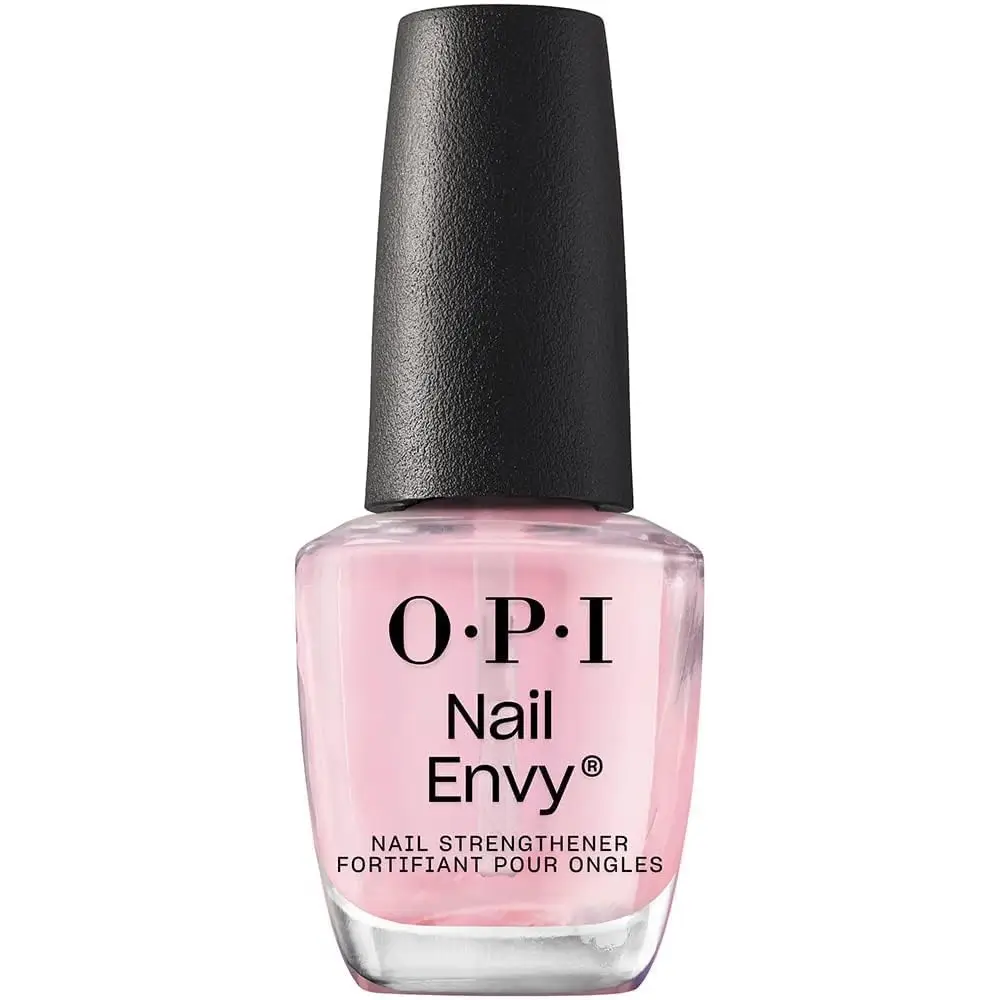
OPI Nail Envy Nail Strengthener
Best for: Weak, peeling nails
A well-known strengthening treatment from a major nail brand.
What makes it stand out: It’s available in several formulas for different nail needs, and it’s popular with manicurists.
Who may like it: People with weak, thin, or peeling nails who want to improve how their nails look and wear.
Things to check before buying: OPI Nail Envy comes in several versions, such as original, soft and thin, and dry and brittle, so choose the one that matches your nails.
Pros:
- Several formulas
- Popular and trusted
- Can be used under polish
Cons:
- Can feel stiff for some
- Higher price than drugstore options
Verdict: A popular, well-regarded strengthener.
Sally Hansen Hard as Nails Nail Strengthener
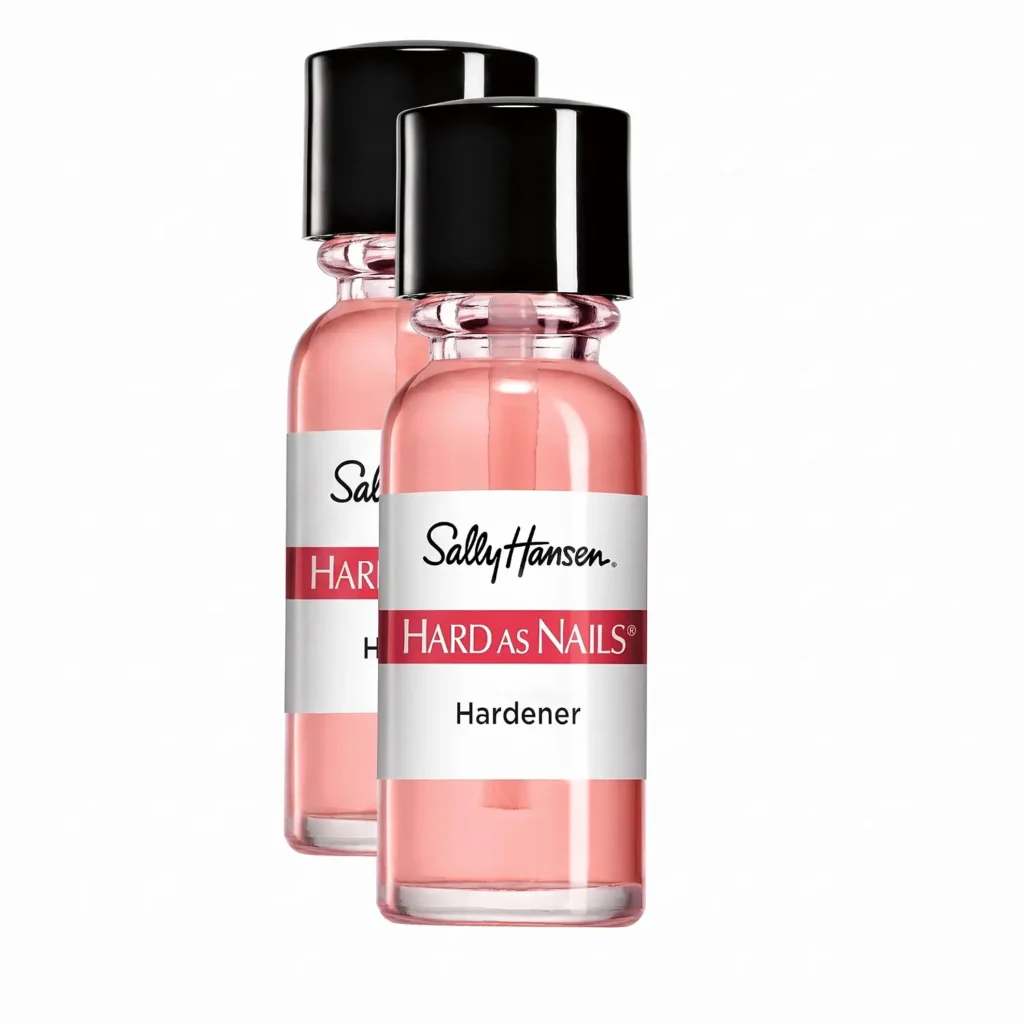
Best for: Budget strengthening
An affordable, classic strengthening treatment.
What makes it stand out: It has been around for years and is easy to find.
Who may like it: Budget-conscious shoppers who want a simple strengthener.
Things to check before buying: Sally Hansen sells several Hard as Nails versions, so check the listing, and note that this type of formula can be hardening, so avoid overuse.
Pros:
- Affordable
- Widely available
- Simple to use
Cons:
- May cause stiffness or irritation for some
- Can be drying with overuse
Verdict: A budget-friendly option when used sparingly.
Essie Strong Start Base Coat
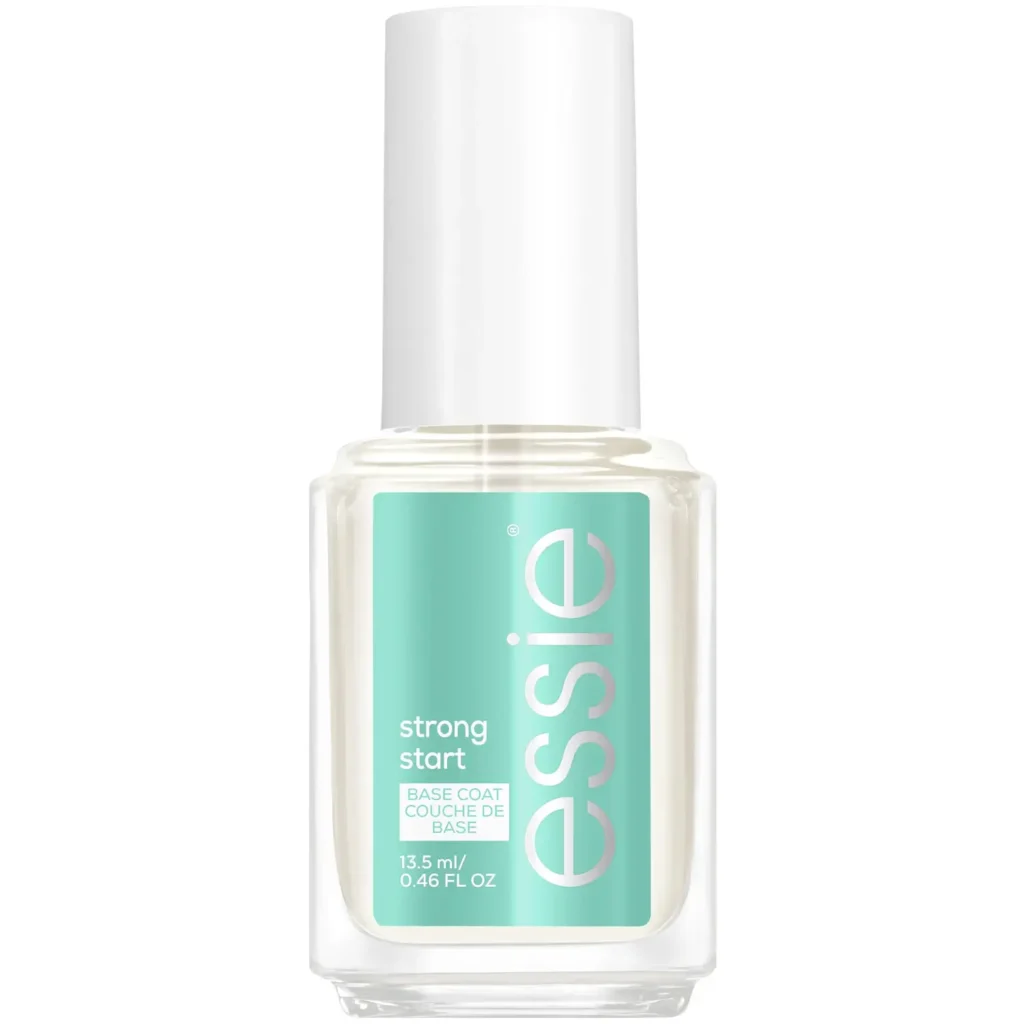
Best for: Base coat protection
A strengthening base coat designed to go under polish.
What makes it stand out: It adds protection and helps polish adhere, which can reduce chipping.
Who may like it: People who wear polish regularly and want a base coat that supports their nails.
Pros:
- Doubles as a base coat
- Helps polish last
- Easy to find
Cons:
- Needs polish on top for full effect
- May not be enough for very weak nails alone
Verdict: A practical addition for polish wearers.
CND SolarOil Nail & Cuticle Care Oil
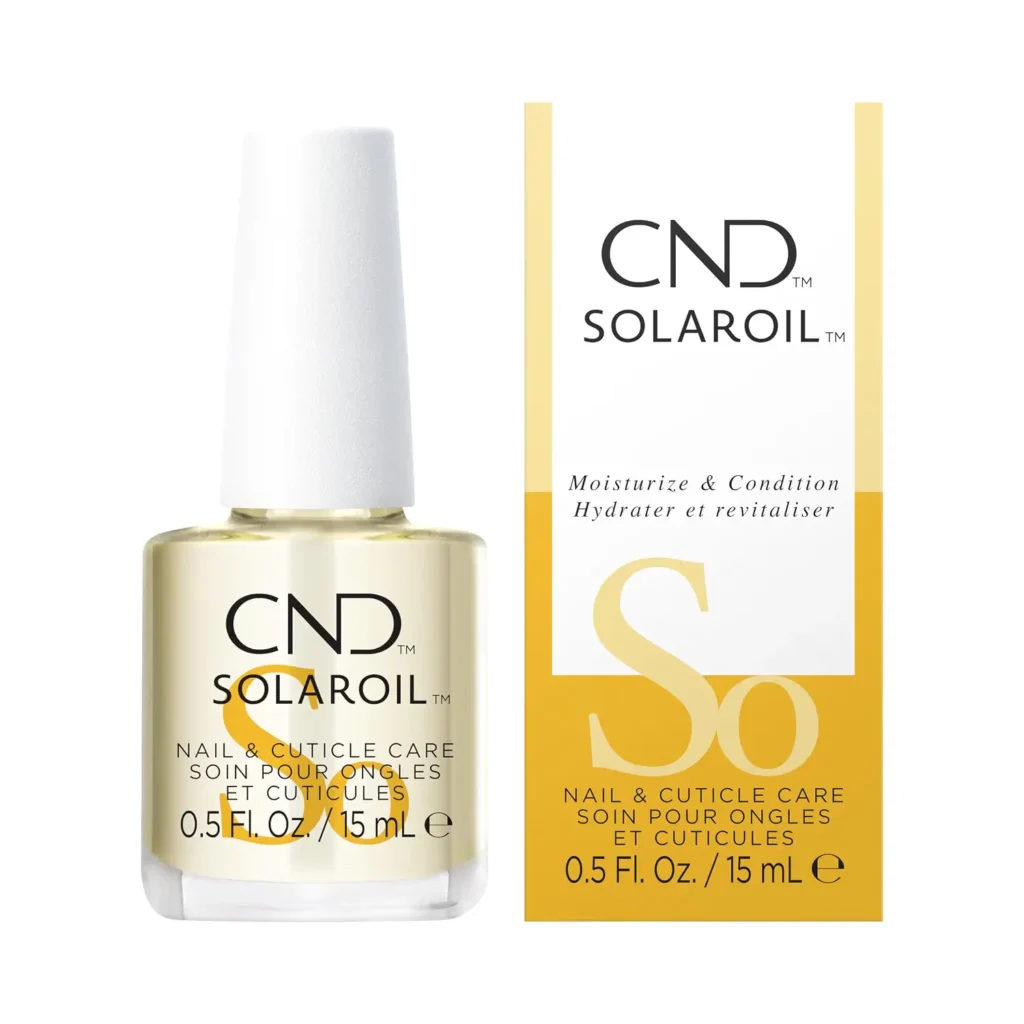
Best for: Premium cuticle care
A well-known cuticle oil used in professional manicures.
What makes it stand out: It’s a conditioning blend of plant oils and vitamin E.
Who may like it: People who want a quality cuticle oil with a pleasant feel.
Things to check before buying: CND sells several sizes, and professional products are sometimes sold through third-party sellers, so check the listing and seller.
Pros:
- Conditioning blend
- Professional brand
- Pleasant to use
Cons:
- Higher price
- Fragranced
Verdict: A good cuticle oil if you want a premium option.
Burt’s Bees Lemon Butter Cuticle Cream
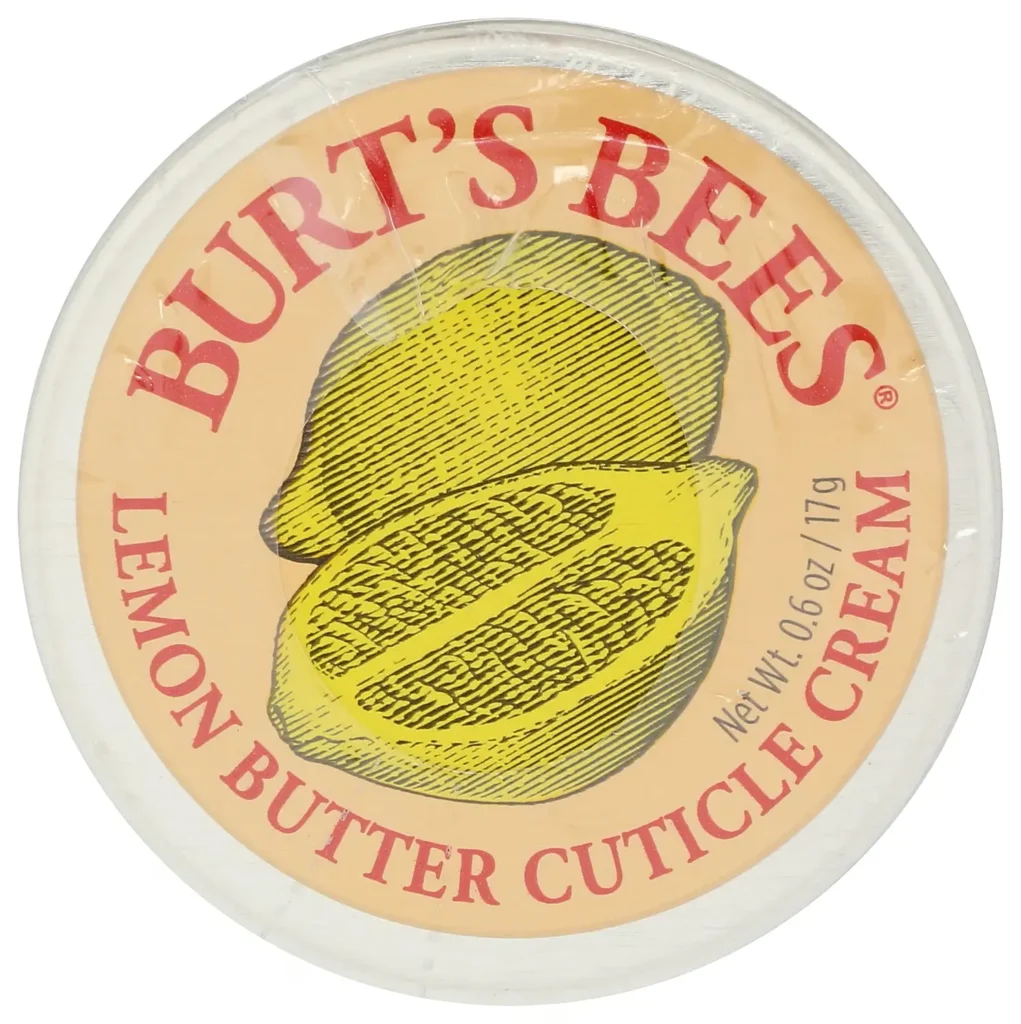
Best for: Dry cuticles
A rich cuticle cream with a lemon scent.
What makes it stand out: It’s a thicker cream, which suits very dry cuticles.
Who may like it: People who prefer a cream to an oil.
Pros:
- Rich and moisturizing
- Natural-leaning formula
- Affordable
Cons:
- Scented
- May feel heavy
Verdict: A good choice for dry cuticles and hands.
Sally Hansen Vitamin E Nail & Cuticle Oil
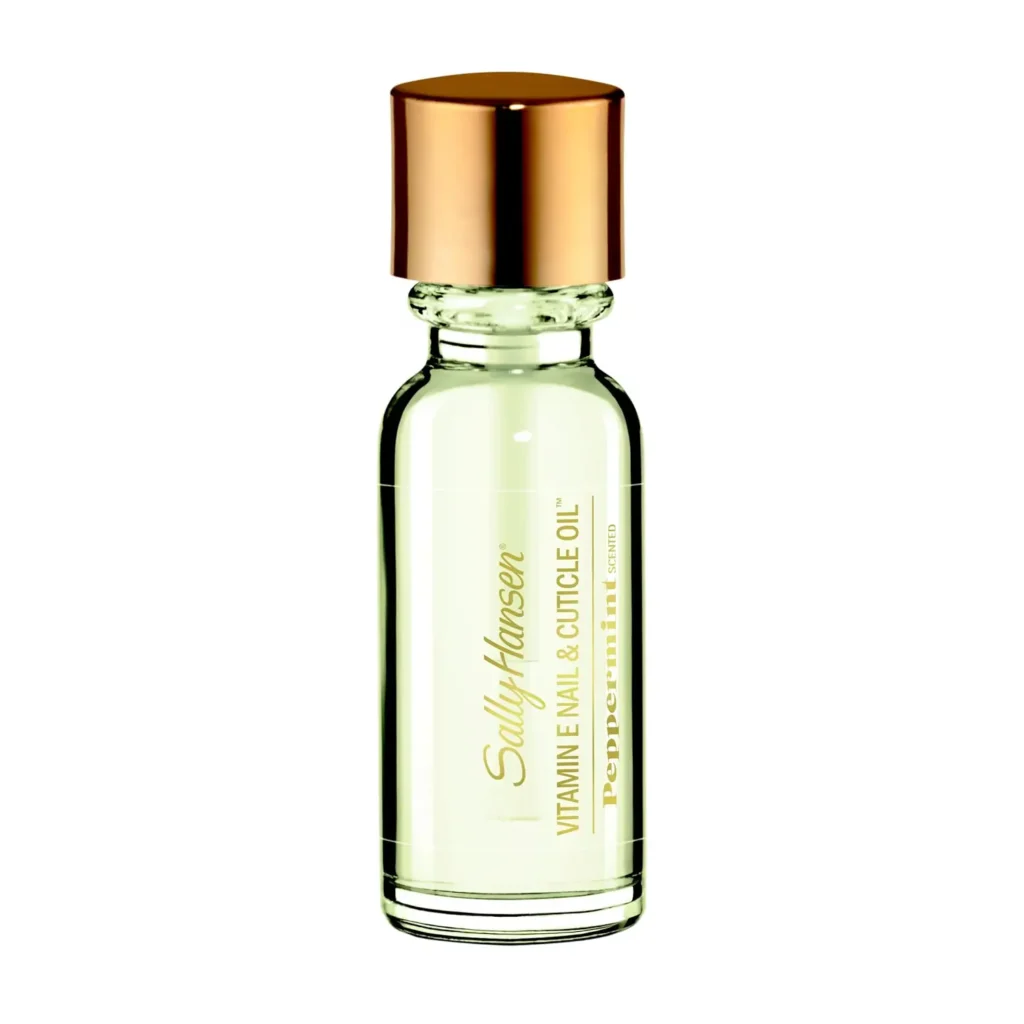
Best for: Budget cuticle oil
An inexpensive oil with vitamin E.
What makes it stand out: It’s an accessible way to start a cuticle oil habit.
Who may like it: Budget shoppers who want a simple oil.
Things to check before buying: Confirm the current product name and size, since Sally Hansen updates its lines.
Pros:
- Affordable
- Easy to find
- Simple to use
Cons:
- Basic formula
- May include fragrance
Verdict: A budget-friendly oil for daily use.
How to Choose the Right Product
- Weak or peeling nails: OPI Nail Envy Nail Strengthener or Sally Hansen Hard as Nails Nail Strengthener.
- You wear polish often: Essie Strong Start Base Coat.
- Dry or cracked cuticles: CND SolarOil Nail & Cuticle Care Oil, Burt’s Bees Lemon Butter Cuticle Cream, or Sally Hansen Vitamin E Nail & Cuticle Oil.
- Sensitive skin: Choose fragrance-free products and patch test.
A Simple Nail Care Routine
- Morning: Moisturize hands and apply a drop of cuticle oil.
- During the day: Use gloves for cleaning and dishes, and reapply hand cream after washing.
- Evening: Apply cuticle oil and a rich hand cream.
- Weekly: File nails gently in one direction, and apply a strengthening treatment if you use one.
- Between manicures: Give nails breaks from gel and acrylic when possible.
For more help with winter dryness, see our guides to hand creams for dry, cracked hands and lip balms for chapped lips.
Winter Habits That Protect Nails
- Wear gloves outside. Cold air dries nails and skin. See our guide to winter hats, scarves, and gloves.
- Wear rubber gloves for dishes and cleaning.
- Moisturize after every handwash.
- Avoid acetone-heavy removers when possible.
- Don’t use nails as tools.
- Keep nails at a manageable length. Long nails snag and break.
- File, don’t tear. Use a fine file to smooth rough edges.
- Limit soaking. Long baths and soaks can soften nails.
- Take care of your feet too. See our guide to foot creams for cracked heels.
Nutrition and Supplements
Healthy nails depend partly on overall nutrition. A balanced diet with enough protein, iron, and other nutrients supports nail health. Biotin supplements are often promoted for nails, but evidence that they help people who aren’t deficient is limited, and they can interfere with some lab tests. Talk to a doctor before taking supplements, especially if your nails are changing.
Nail Polish and Manicure Tips
- Use a base coat and top coat to protect nails and reduce staining.
- Give nails breaks from polish and gel.
- Remove polish gently. Avoid peeling off gel or acrylic, since it can pull layers off the nail.
- Choose a gentler remover if your nails are dry.
- Moisturize your nails and cuticles after removing polish.
If you like treating yourself to a spa-style routine at home, our guide to beauty gift sets under $50 has ideas that include hand and nail care, and our body scrubs and exfoliators guide covers the rest of a pamper night.
When to See a Doctor
See a doctor or dermatologist if you notice:
- Nails that change color, such as dark streaks, yellowing, or white patches
- Sudden changes in thickness, shape, or texture
- Pain, swelling, redness, or pus around the nail
- Nails that lift from the nail bed
- Persistent brittleness that doesn’t improve with care
Fungal infections, injuries, and other conditions can look like simple dryness.
Common Mistakes
- Overusing hardening strengtheners. This can make nails stiff and more likely to break.
- Cutting or aggressively pushing cuticles.
- Skipping moisturizer. Dry skin around nails leads to hangnails.
- Using nails as tools.
- Ignoring allergic reactions.
- Peeling gel or acrylic off.
- Expecting overnight results. Nails grow slowly, so improvement takes weeks to months.
Frequently Asked Questions
Do nail strengtheners work?
They can help protect nails and reduce chipping and splitting, but they can’t change how nails grow.
How often should I apply a nail strengthener?
Follow the product directions. Some are used daily, while others are used a few times per week. Overuse can make nails stiff.
Is cuticle oil necessary?
It isn’t essential, but it helps keep the skin around your nails soft and healthy, especially in winter.
Can I use cuticle oil under polish?
Many people apply it after polish has dried, or avoid putting oil on the nail before polish, since it can reduce adhesion.
How long does it take for nails to get stronger?
Nails grow slowly, so improvement can take a few months.
Do biotin supplements help nails?
Evidence is limited for people who aren’t deficient. Ask a doctor before taking them.
Why are my nails peeling?
Frequent water exposure, dryness, harsh products, and aging are common causes.
Can I use hand cream on my nails?
Yes. Massaging hand cream into nails and cuticles helps moisturize them.
Final Verdict
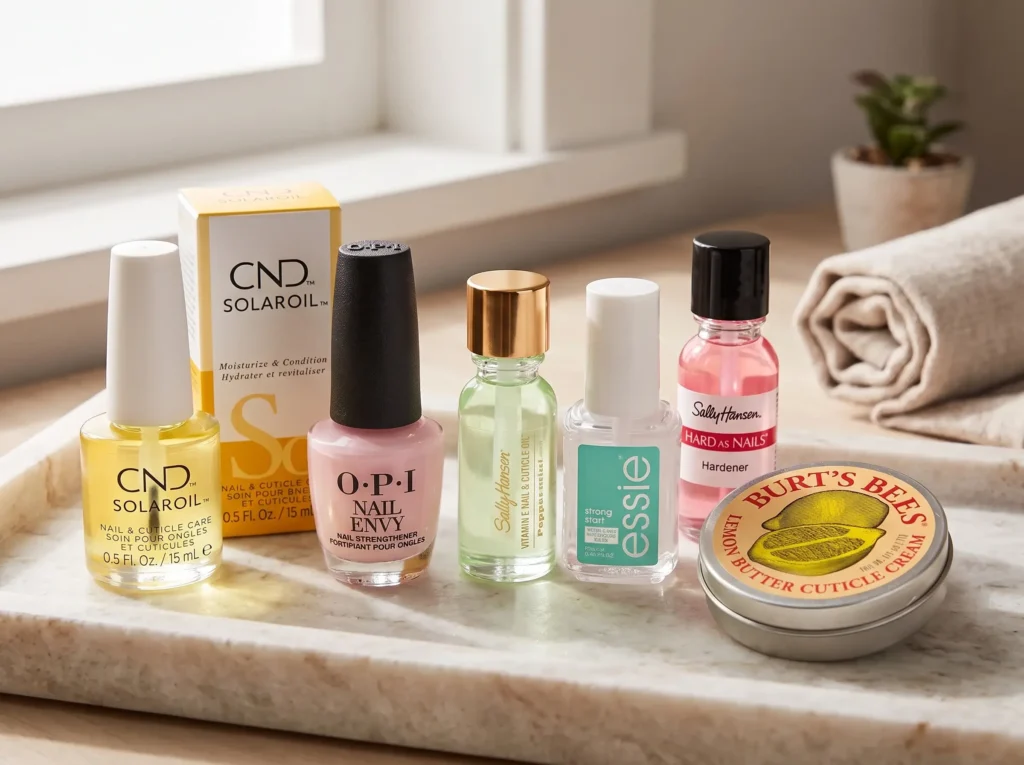
Healthy nails come from consistent, gentle care. OPI Nail Envy and Sally Hansen Hard as Nails are popular strengtheners, Essie Strong Start Base Coat suits polish wearers, CND SolarOil, Burt’s Bees Lemon Butter Cuticle Cream, and Sally Hansen Vitamin E Nail & Cuticle Oil care for cuticles. Use strengtheners sparingly, moisturize daily, wear gloves, and see a doctor if your nails change suddenly or look unusual.