Disclosure: This article contains affiliate links. If you purchase a product through one of these links, we may earn a commission at no additional cost to you.

The Best Leave-In Conditioners for Dry, Damaged Hair

If your hair feels like straw, tangles easily, or looks dull no matter how much conditioner you use, a leave-in conditioner might be the missing step. Unlike a regular conditioner, which you rinse out after a few minutes, a leave-in stays on your hair, delivering moisture and softness all day and helping protect hair from daily friction.
Winter makes this even more important. Cold air outside and dry heat inside pull moisture out of hair, and hot tools, coloring, and regular washing add to the damage. A good leave-in can make dry hair feel softer, easier to comb, and less prone to breakage, though it can’t repair split ends or truly reverse damage.
In this guide, we’ll explain how leave-in conditioners work, how to pick one for your hair type, and which popular options are worth considering.
What Is a Leave-In Conditioner?
A leave-in conditioner is a lightweight conditioning product that you apply after washing and don’t rinse out. It usually comes as a spray, lotion, or cream. Its main jobs are to:
- Add moisture to dry strands
- Detangle hair so it’s easier to comb
- Smooth the cuticle to reduce frizz
- Protect against friction and, in some cases, heat
- Help styling by giving hair a smoother base
It isn’t the same as a hair mask, which is a heavier treatment you leave on for a set time and rinse out, or a hair oil, which mainly seals in moisture. Many routines use all three.
Why Hair Becomes Dry and Damaged
Understanding the cause helps you choose the right product.
- Heat styling. Blow dryers, flat irons, and curling irons dry out strands.
- Chemical treatments. Bleaching, coloring, and relaxing can weaken hair.
- Over-washing. Washing too often can strip natural oils.
- Weather. Cold, dry air and sun can dehydrate hair.
- Friction. Rough brushing, tight hairstyles, and cotton pillowcases can cause breakage.
- Natural texture. Curly and coily hair tends to be drier because scalp oils travel down the strand less easily.
What to Look for in a Leave-In Conditioner
Hair Type and Weight
Fine hair does best with lightweight sprays or lotions, which won’t weigh it down. Thick, coarse, curly, or very damaged hair usually needs richer creams.
Moisturizing Ingredients
Look for glycerin, panthenol, shea butter, natural oils, and similar moisturizers that help hair hold water.
Protein and Bond-Building Ingredients
Damaged or chemically treated hair may benefit from protein or bond-building ingredients, which help strengthen strands. Too much protein can make some hair feel stiff, so balance matters.
Heat Protection
Some leave-ins include heat protection, but if you use hot tools often, a dedicated heat protectant is still a good idea.
Silicones and Residue
Silicones can add slip and shine, but some people prefer to avoid them, especially if they notice buildup.
Fragrance
If your scalp or skin is sensitive, choose a lightly scented or fragrance-free option.
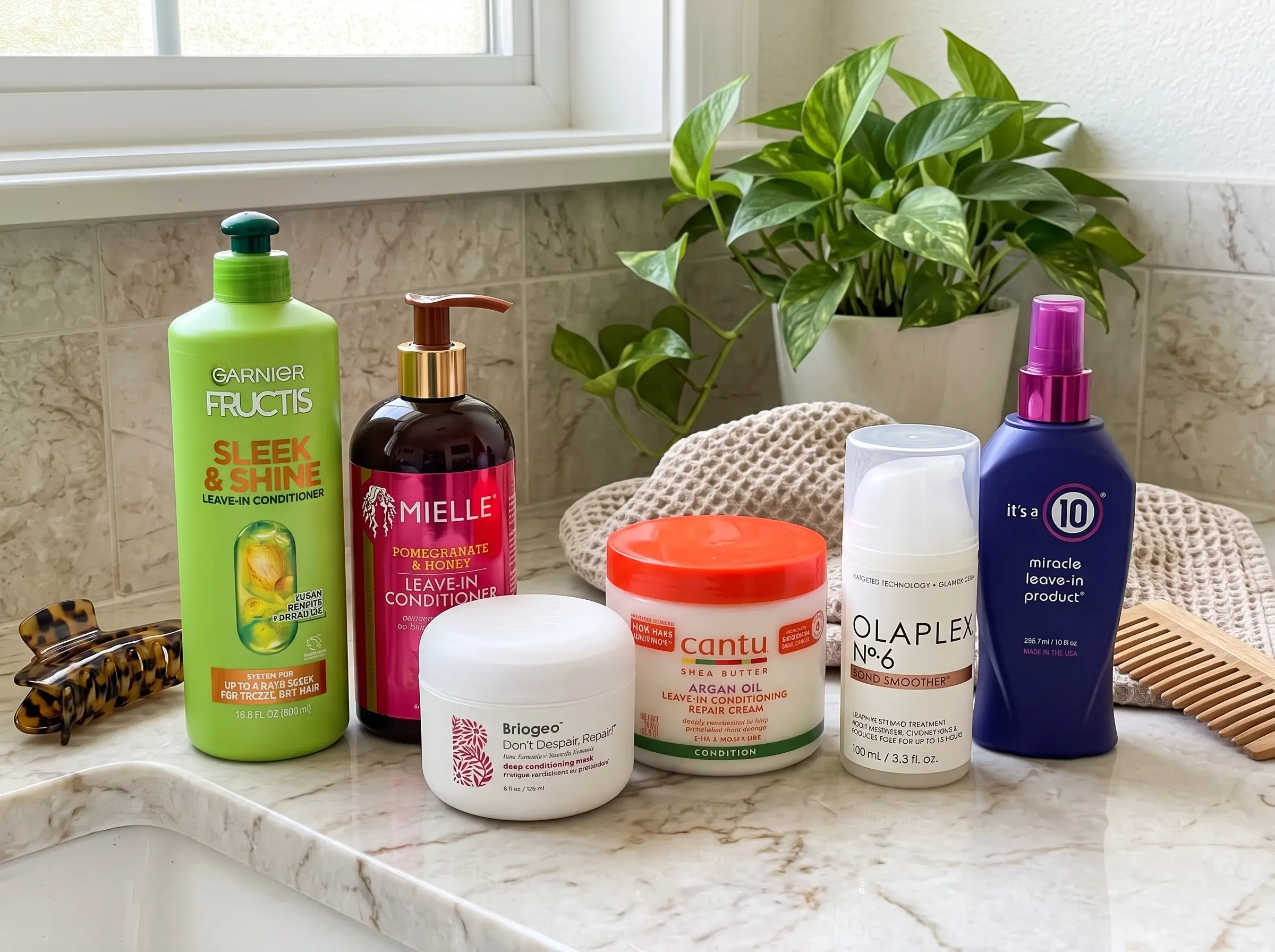
Best Leave-In Conditioners at a Glance
| Product | Best For | Texture | Key Reason to Consider It |
|---|---|---|---|
| It’s a 10 Miracle Leave-In Product | All hair types, multi-benefit | Lightweight spray | Popular, versatile formula with many benefits |
| Olaplex No. 6 Bond Smoother | Damaged, frizzy hair | Leave-in cream | Bond-building technology with smoothing |
| Cantu Leave-In Conditioning Repair Cream | Dry, curly, coily hair | Rich cream | Affordable, shea butter-based moisture |
| Mielle Organics Pomegranate & Honey Leave-In Conditioner | Curly and textured hair | Creamy lotion | Moisture-focused formula for curls |
| Briogeo Don’t Despair, Repair! Leave-In Conditioning Mask | Very dry, damaged hair | Rich cream | Intensive moisture in a leave-in format |
| Garnier Fructis Sleek & Shine Leave-In Conditioner | Budget frizz control | Lightweight cream | Affordable smoothing option |
It’s a 10 Miracle Leave-In Product
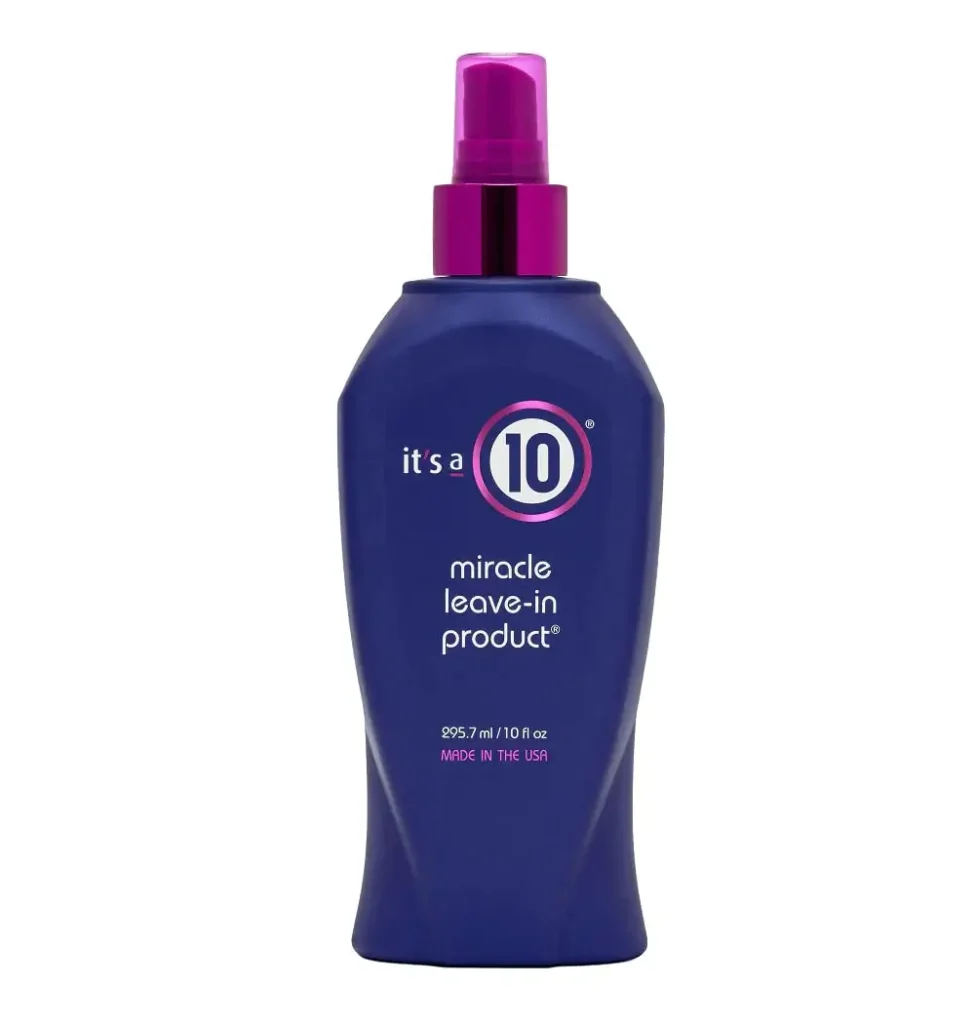
Best for: All hair types, multi-benefit
A lightweight spray that’s become a staple in many routines.
What makes it stand out: It’s marketed to do many things at once, including detangling, adding shine, and offering heat protection, and it works across hair types.
Who may like it: People who want one product to simplify their routine.
Things to check before buying: There are several versions, such as the original and a keratin version, so choose the one that matches your needs.
Pros:
- Lightweight
- Versatile
- Good for detangling
- Works on many hair types
Cons:
- May not be rich enough for very dry hair
- Premium price for the size
Verdict: A reliable all-rounder if you want a lightweight, multi-purpose leave-in.
Olaplex No. 6 Bond Smoother
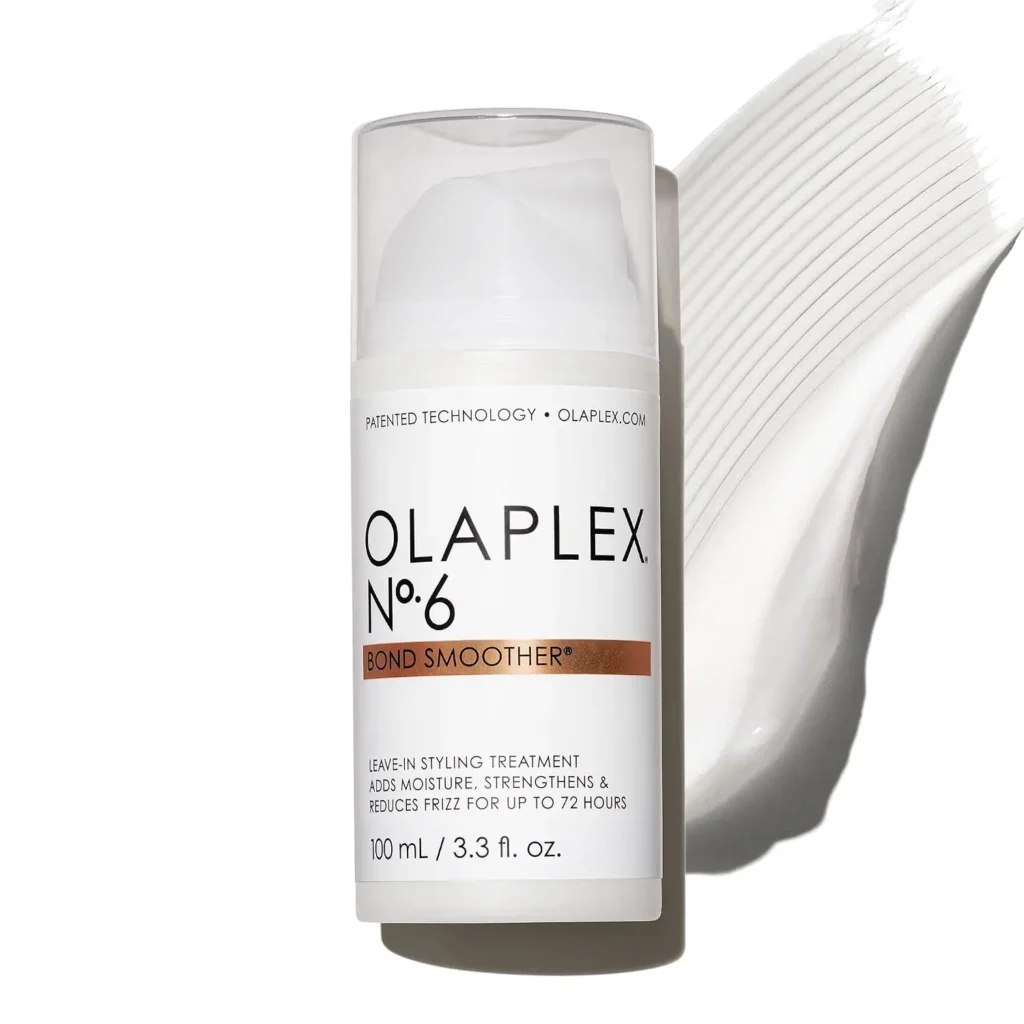
Best for: Damaged, frizzy hair
A leave-in cream that uses Olaplex’s bond-building technology to smooth and soften.
What makes it stand out: It’s designed for hair that has been colored, lightened, or heat-styled.
Who may like it: People with chemically treated or damaged hair who want smoothness and frizz control.
Pros:
- Smooths frizz
- Bond-building technology
- A little goes a long way
- Works for most hair types
Cons:
- Premium price
- May feel heavy on very fine hair if overapplied
Verdict: A strong choice for color-treated or damaged hair. Pair it with a color-safe shampoo and conditioner for best results.
Cantu Leave-In Conditioning Repair Cream
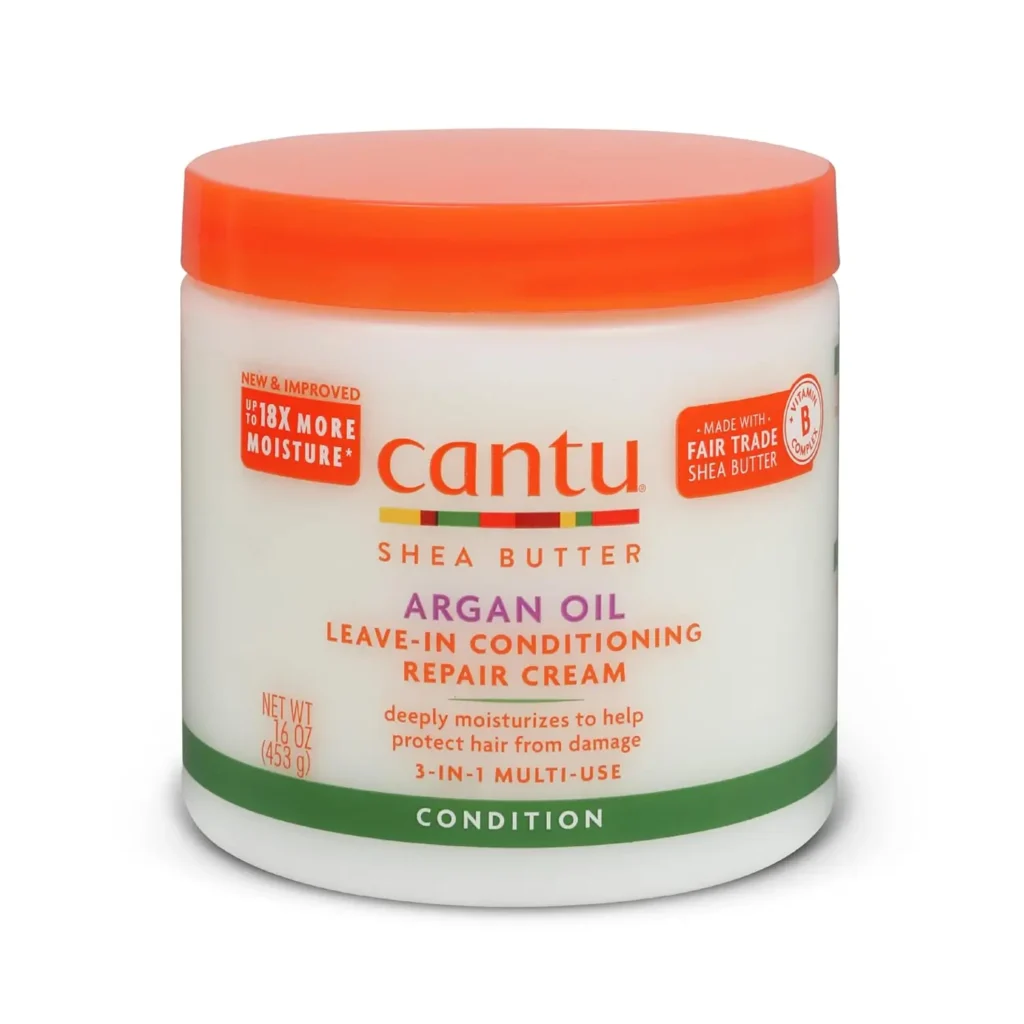
Best for: Dry, curly, coily hair
A rich, shea butter-based cream that’s popular with curly and coily hair types.
What makes it stand out: It delivers a lot of moisture at a budget-friendly price.
Who may like it: People with thick, curly, or coarse hair who need richer moisture.
Pros:
- Rich moisture
- Affordable
- Good for curls and coils
- Helps with detangling
Cons:
- Too heavy for fine, straight hair
- Contains fragrance
Verdict: A budget-friendly, moisturizing option for textured hair.
Mielle Organics Pomegranate & Honey Leave-In Conditioner
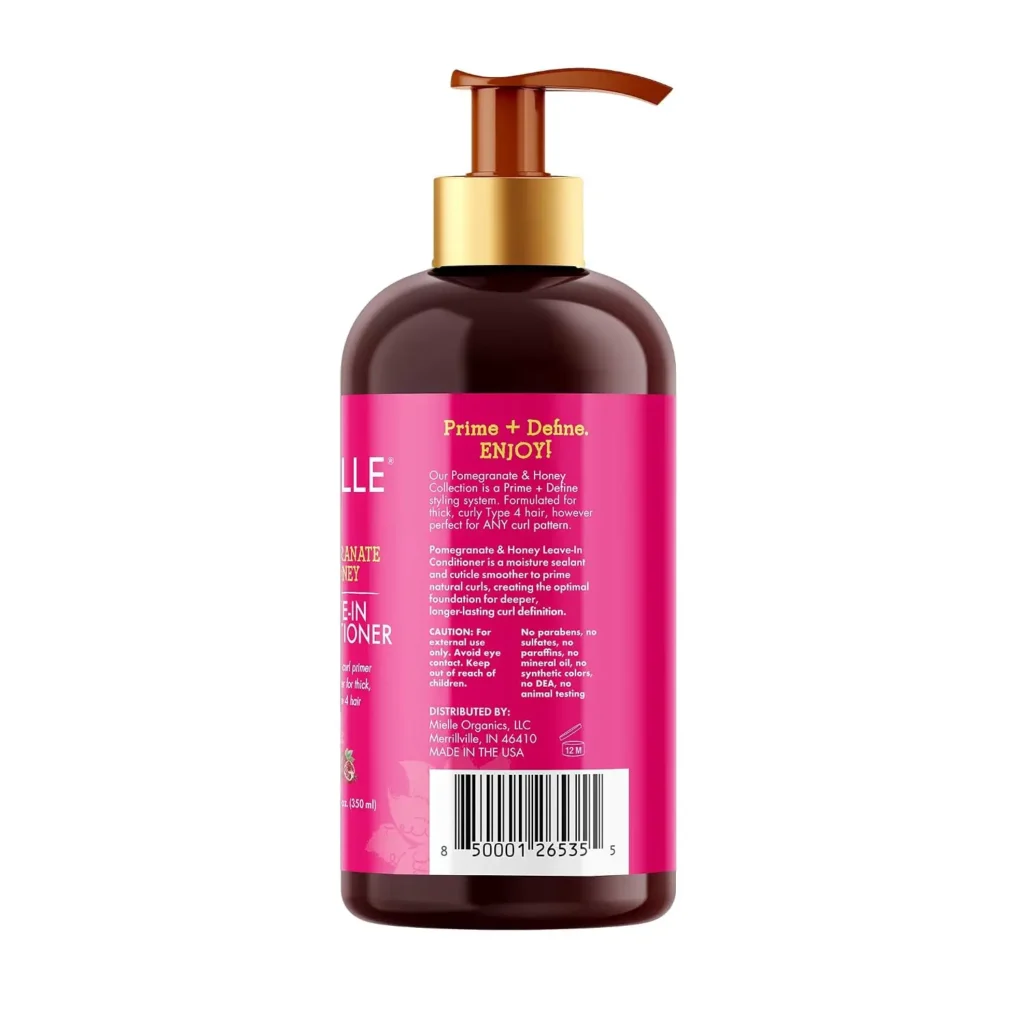
Best for: Curly and textured hair
A moisturizing leave-in designed for curly and textured hair.
What makes it stand out: It focuses on moisture and softness, which suits hair that tends to be dry.
Who may like it: People with curls, waves, or coils who want a moisture-focused leave-in.
Pros:
- Moisturizing
- Good for textured hair
- Pleasant scent
- Helps with softness
Cons:
- May feel heavy on fine hair
- Fragranced
Verdict: A good option for dry, curly hair.
Briogeo Don’t Despair, Repair! Leave-In Conditioning Mask
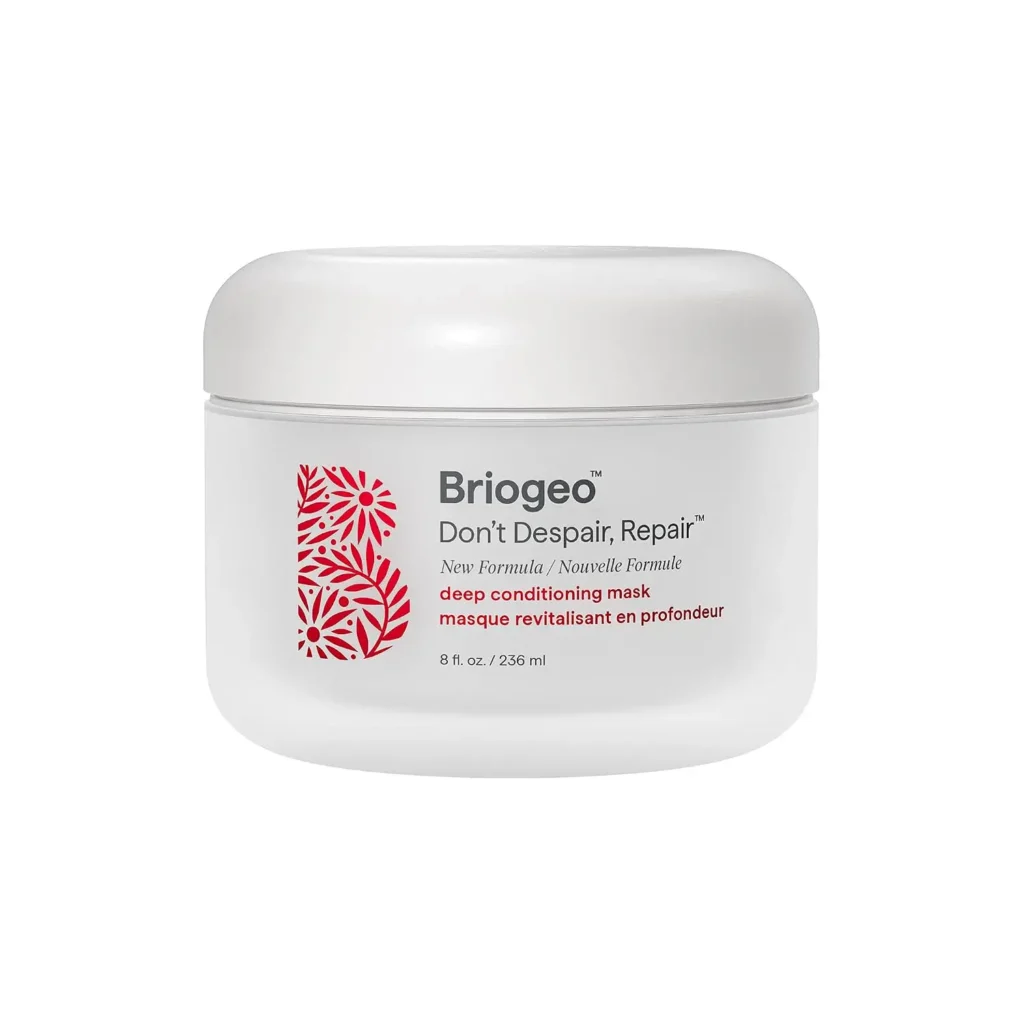
Best for: Very dry, damaged hair
A richer leave-in treatment designed for hair that needs intensive moisture.
What makes it stand out: It combines nourishing ingredients in a leave-in format, which suits hair that doesn’t get enough from a rinse-out conditioner.
Who may like it: People with very dry or damaged hair.
Things to check before buying: Briogeo has several “Don’t Despair, Repair!” products, so confirm that you’re buying the leave-in version.
Pros:
- Intensive moisture
- Suitable for damaged hair
- Clean, sulfate-free brand
Cons:
- Premium price
- May be too rich for fine hair
Verdict: A good choice for very dry, damaged strands.
Garnier Fructis Sleek & Shine Leave-In Conditioner
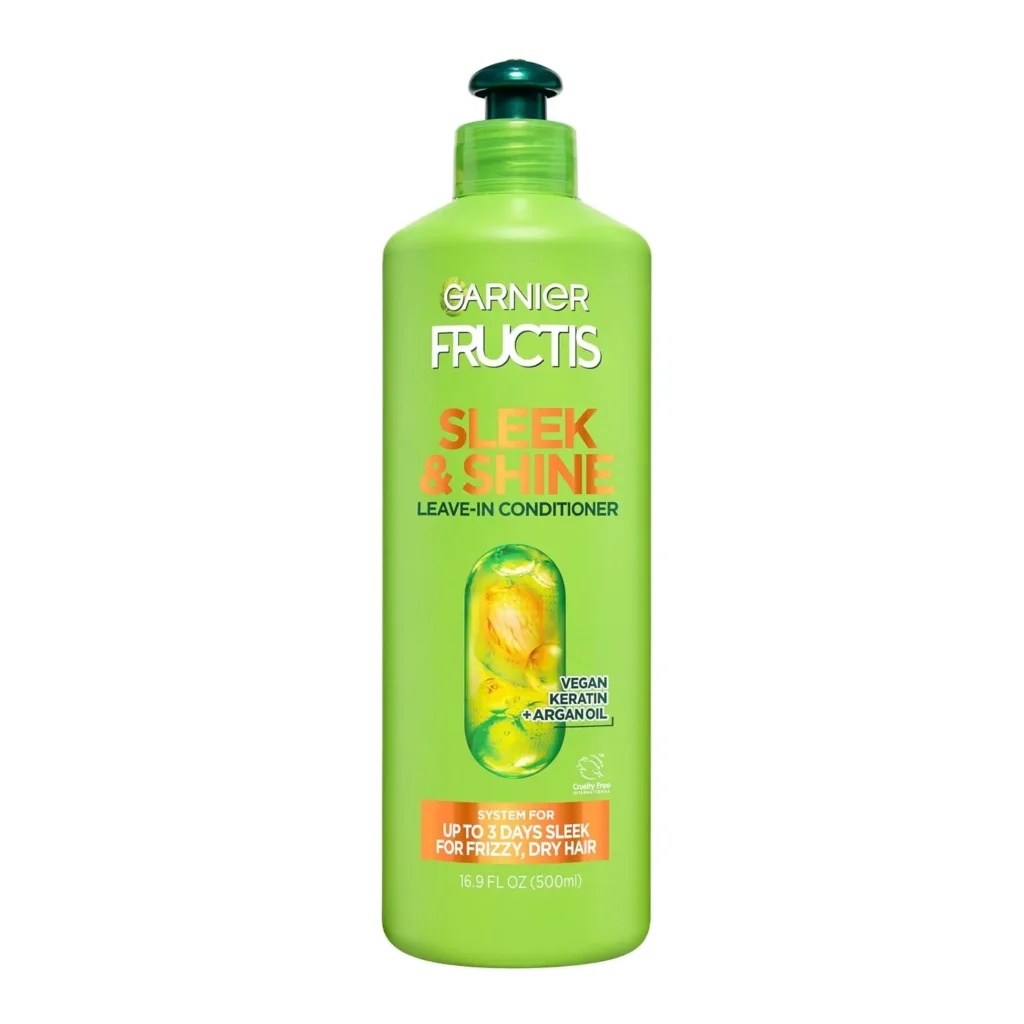
Best for: Budget frizz control
An affordable leave-in aimed at smoothing frizz.
What makes it stand out: It’s inexpensive and easy to find.
Who may like it: Budget-conscious shoppers who want a simple frizz-fighting leave-in.
Things to check before buying: Product lines are updated often, so confirm the current name and formula.
Pros:
- Very affordable
- Smooths frizz
- Lightweight
- Easy to find
Cons:
- Less intensive for severely damaged hair
- Fragranced
Verdict: A practical budget choice for everyday smoothing.
How to Choose the Best Leave-In Conditioner for You
- Fine to medium hair: It’s a 10 Miracle Leave-In Product or Garnier Fructis Sleek & Shine Leave-In Conditioner.
- Colored or chemically treated hair: Olaplex No. 6 Bond Smoother.
- Curly or coily hair: Cantu Leave-In Conditioning Repair Cream or Mielle Organics Pomegranate & Honey Leave-In Conditioner.
- Very dry or damaged hair: Briogeo Don’t Despair, Repair! Leave-In Conditioning Mask.
- Budget: Cantu or Garnier Fructis.
How to Use a Leave-In Conditioner
- Start with clean, damp hair. Towel-dry gently so hair isn’t dripping.
- Use a small amount. About a dime to quarter size is a good starting point, adjusting for thickness and length.
- Focus on mid-lengths and ends. Keep product away from the roots to avoid greasiness.
- Comb through. A wide-tooth comb distributes it evenly and detangles.
- Style as usual. Air-dry or use heat, with a heat protectant if needed.
- Reapply sparingly on dry hair. A light mist or a tiny amount can refresh dry ends between washes.
Building a Full Routine for Dry, Damaged Hair
A leave-in works best as part of a routine:
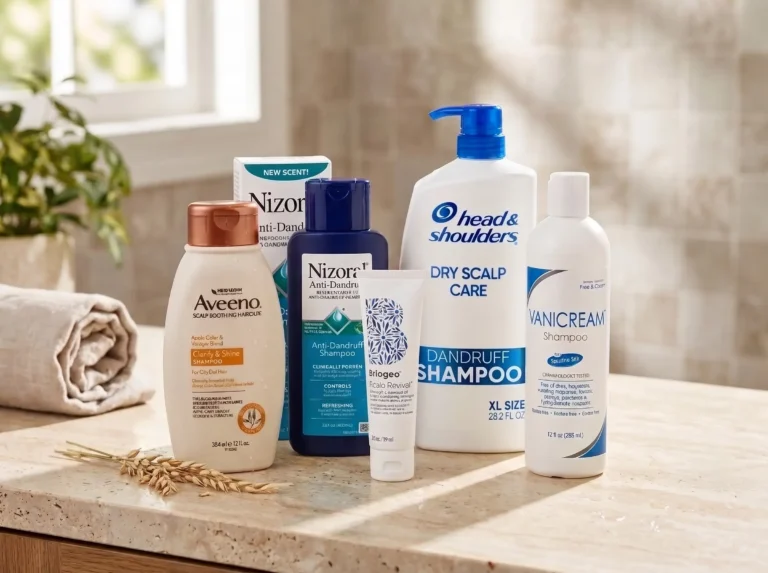
- Gentle shampoo: Wash less often, and use a gentle formula. If your hair is also oily at the roots, our guide to shampoos for oily hair can help you balance things.
- Conditioner: Condition the ends every wash.
- Leave-in conditioner: The step this guide covers.
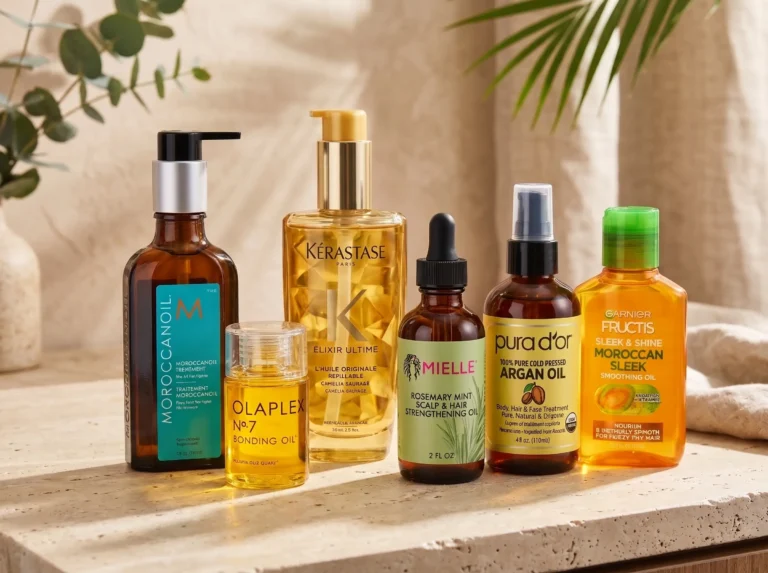
- Hair oil: A few drops on the ends help seal in moisture. See our guide to hair oils.
- Overnight mask: Use once or twice a week for deeper repair. See our guide to overnight hair masks.
- Heat protectant: Always use one before hot tools.
- Trims: Regular trims remove split ends, which no product can fix.
If your hair is dry and frizzy, our guide to the best haircare products for dry, frizzy hair covers more options.
Common Mistakes With Leave-In Conditioner
- Using too much. Overapplying can leave hair limp or greasy.
- Applying to the roots. This is especially a problem for fine or oily hair.
- Choosing a product that’s too heavy or too light. Match the formula to your hair type.
- Skipping heat protection. Not every leave-in protects against heat.
- Layering too many heavy products. Too many oils, creams, and masks can cause buildup.
- Expecting it to fix split ends. Only trimming removes them.
Winter Hair Care Tips
- Don’t wash too often. Wash only as needed.
- Use lukewarm water. Hot water can dry hair and scalp.
- Avoid sleeping with wet hair. It can cause tangling and breakage.
- Protect hair from cold and wind. A hat lined with silk or satin can reduce friction. If you’re shopping for one, see our guide to winter hats, scarves, and gloves.
- Use a humidifier indoors. Humid air helps hair stay hydrated.
- Sleep on a silk or satin pillowcase. It’s gentler on hair.
Frequently Asked Questions
What does a leave-in conditioner do?
It adds moisture, detangles, smooths frizz, and helps protect hair between washes.
Can I use leave-in conditioner every day?
Many people use it after every wash, and some use a small amount on dry hair as needed.
Is a leave-in conditioner the same as a hair mask?
No. A mask is a heavier treatment you rinse out, while a leave-in stays in.
Should I use leave-in conditioner on wet or dry hair?
Mostly on damp hair after washing, though a light mist can refresh dry hair.
Can fine hair use leave-in conditioner?
Yes, but choose a lightweight spray and use a small amount.
Does leave-in conditioner help split ends?
It can make ends look and feel smoother, but it can’t repair them.
Is leave-in conditioner good for curly hair?
Yes, curly and coily hair usually benefits from richer leave-ins.
Can I use leave-in conditioner with oil?
Yes. A leave-in adds moisture, and an oil seals it in.
Final Verdict
The best leave-in conditioner matches your hair type and level of damage. It’s a 10 Miracle Leave-In Product and Garnier Fructis Sleek & Shine suit fine to medium hair, Olaplex No. 6 Bond Smoother helps colored or damaged hair, Cantu and Mielle Organics work for curly and coily textures, and Briogeo Don’t Despair, Repair! is a richer choice for very dry, damaged strands. Use a small amount on damp ends, pair it with regular trims and a good routine, and your hair should feel softer through the dry winter months.