Disclosure: This article contains affiliate links. If you purchase a product through one of these links, we may earn a commission at no additional cost to you.


Best Haircare Products for Dry, Frizzy Hair: The Ultimate Routine & Buying Guide

Finding the right products for dry, frizzy hair often feels like a cycle of trial and error. You pick up a rich, moisturizing formula only to find it weighs your strands down by midday, or you choose a lightweight smoothing serum that vanishes into thin air the second humidity rises. With countless serums, oils, deep conditioners, and shampoos lining the shelves-each claiming to transform your texture—building a regimen that actually works can be overwhelming.
Frizz and dryness frequently go hand in hand. When hair lacks adequate moisture or when the outer cuticle layer becomes raised through heat styling, environmental exposure, or chemical coloring, the hair shaft searches for moisture in the surrounding air. The result is swelling, flyaways, and a rough texture that resists styling.
Fortunately, managing chronic dryness and taming unwanted frizz does not require an endless collection of expensive bottles. It requires understanding what your unique hair texture and scalp need, choosing thoughtfully formulated products, and applying them in the correct sequence.
In this comprehensive editorial guide, you will learn the science behind dry hair, which nourishing ingredients make a measurable cosmetic difference, the best products to consider, and how to structure an effortless haircare routine that restores slip, shine, and manageability.
Quick Answer
The best haircare routine for dry, frizzy hair focuses on gentle, sulfate-free cleansing, rich conditioning, and strategic sealing. Look for hydrating ingredients like glycerin, panthenol, and ceramides paired with lightweight plant oils such as argan or jojoba. A basic routine requires just three to four core steps: a moisturizing shampoo focused on the scalp, a restorative conditioner, a hydrating leave-in conditioner, and a small drop of hair oil or silicone-based serum to lock in moisture and block ambient humidity.
What Should You Look for in Haircare Products for Dry, Frizzy Hair?
When hair feels brittle and expands at the first hint of humidity, the formulation of your daily products matters significantly. Finding cosmetic relief requires balancing two distinct actions: hydration (introducing water-binding agents into the hair cortex) and lubrication/sealing (smoothing the outer cuticle layer so that moisture cannot readily escape).
Here are the primary factors to evaluate before purchasing any haircare product:
- Gentle Surfactants: Shampoos containing harsh, stripping detergents can strip natural sebum from the scalp and leave lengths dehydrated. Look for gentle, sulfate-free cleansers such as sodium cocoyl isethionate or cocamidopropyl betaine.
- Balanced Humectants and Emollients: Humectants (like glycerin and aloe vera) pull moisture into dry strands, while emollients (such as plant butters, squalane, and fatty alcohols) smooth and soften coarse cuticles.
- Anti-Humidity Sealants: If frizz is your primary concern, ingredients that form a breathable cosmetic shield—such as argan oil, jojoba oil, or silicones like dimethicone and amodimethicone—help prevent ambient humidity from penetrating the hair shaft.
- Hair Texture and Porosity: Fine hair that is frizzy requires weightless hydration (such as panthenol and light oils), while coarse or thick dry hair thrives with heavier lipids like shea butter and murumuru butter.
- Heat and Color Protection: Heat styling tools and chemical treatments break down the hair’s protective F-layer (its natural lipid coating). Formulas containing thermal protectants and bond-supporting amino acids help prevent ongoing mechanical dryness.
Understanding Your Hair Type and Scalp
Treating dry, frizzy hair effectively requires separating the needs of your scalp from the needs of your hair lengths. Your scalp is living skin that produces sebum, while your lengths are non-living fiber that relies entirely on topical conditioning for suppleness.
Hair Fiber Needs (Lengths & Ends): Emollients, humectants, lipid replenishers, and anti-friction protection.
Scalp Needs (Living Skin): Gentle cleansing, balanced microbiome, and residue removal.
Dry Hair with an Oily Scalp
It is entirely possible to experience an oily scalp alongside bone-dry, frizzy ends. This common combination often results from using heavy moisturizing shampoos directly on the scalp, or from over-washing with harsh cleansers that cause the scalp to overcompensate. If this sounds familiar, opt for a clarifying or scalp-balancing shampoo, reserving rich masks and oils exclusively for mid-lengths and ends.
Fine Hair That Frizzes Easily
Fine strands have a smaller diameter, making them easily overwhelmed by heavy plant butters. When dehydrated, fine hair becomes static-prone and flyaway rather than voluminous and puffy. Fine hair benefits from fluid leave-in mists, water-soluble silicones, and hydrolysed wheat or pea proteins that offer structure without flattening volume.
Thick, Coarse, or Porous Hair
Thick and coarse fibers possess a wider diameter and often a raised cuticle that readily loses moisture. These strands tolerate-and often require-richer creams, dense conditioning masks, and pure oils to feel soft, flexible, and manageable.
Curly and Wavy Hair
Due to the twists and bends in curly hair strands, natural scalp sebum travels down the fiber much more slowly than on straight hair. As a result, wavy, curly, and coily patterns are naturally predisposed to dryness and frizz. Curl-friendly routines prioritize leave-in conditioners, curl creams with slip, and diffuse-drying to keep curl clusters intact.
Color-Treated or Damaged Hair
Chemical lightening and permanent dyes lift the hair’s protective cuticle to alter pigment, leading to elevated porosity and structural moisture loss. If your dryness stems from chemical processing, prioritize acidic-pH haircare formulas, conditioning amino acid treatments, and color-safe moisturizing shampoos.
Best Haircare Products to Consider
The following curated selections represent gold-standard cosmetic formulations designed to target distinct forms of dryness, flyaways, and unruly hair textures.
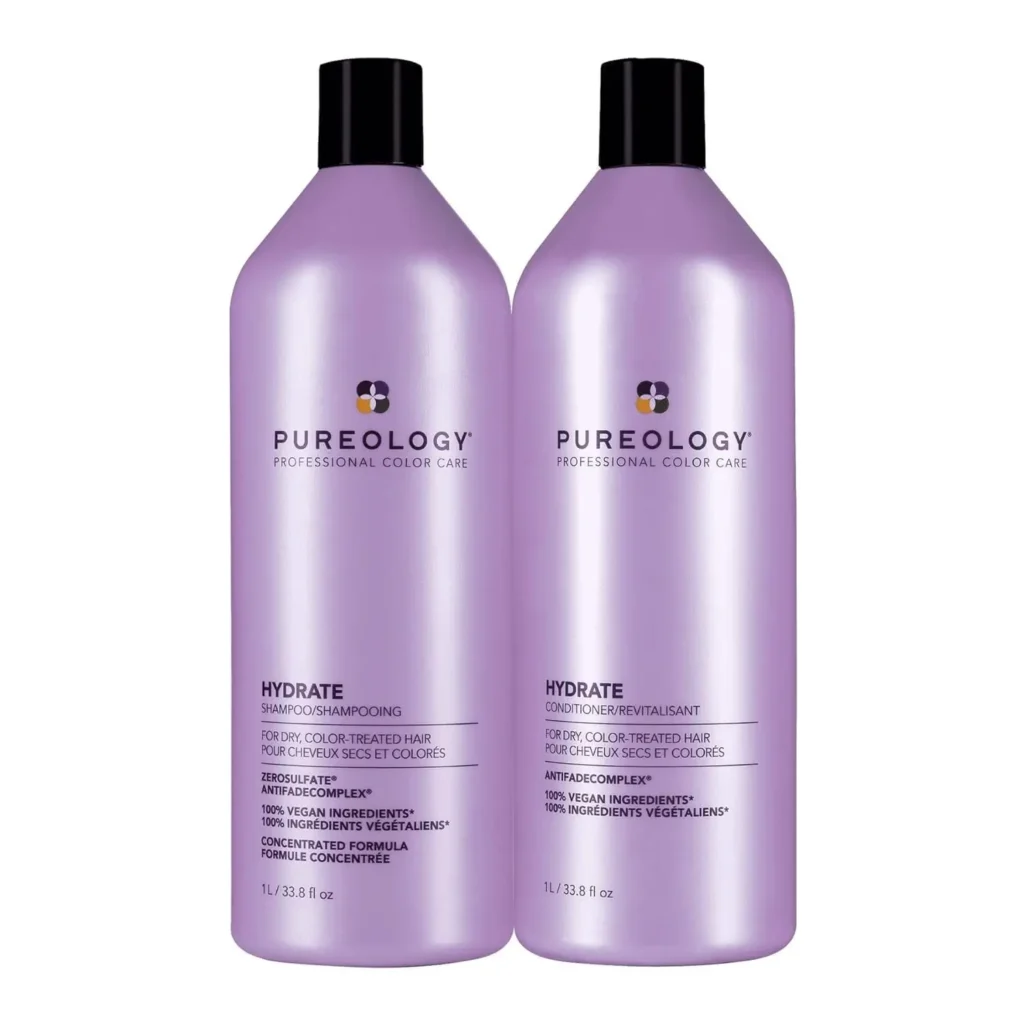
Pureology Hydrate Moisturizing Shampoo
- Best For: Color-treated, medium-to-thick dry hair
- Product Type: Sulfate-Free Moisturizing Shampoo
- Hair Type: Straight, Wavy, and Curly (Medium to Thick)
- Key Ingredients: Jojoba Oil, Green Tea, Sage, Antifade Complex
What It Is
A concentrated, sulfate-free creamy shampoo formulated specifically to replenish moisture in dry, color-treated hair while protecting against color fade.
Why It’s Worth Considering
Pureology Hydrate is an industry staple for good reason. Unlike many hydrating cleansers that leave hair feeling heavy or coated with product buildup, this formula produces a dense, luxurious lather using gentle surfactants. It cleanses the scalp effectively while surrounding parched hair strands with nourishing emollients, preventing the squeaky, stripped feeling associated with standard cleansers.
Texture & Scent
It has a thick, pale purple cream consistency and a signature aromatherapy scent featuring invigorating notes of peppermint, menthol, and fresh greens.
How to Use It
Emulsify a dime-to-nickel-sized amount between damp hands with warm water before applying directly to your scalp. Massage gently with your fingertips for 60 to 90 seconds, letting the suds rinse down the lengths of your hair without roughly rubbing the ends.
Pros & Cons
- Pros: Highly concentrated formula (a bottle lasts months); excellent color preservation; leaves lengths silky.
- Cons: The strong herbal-menthol fragrance may not appeal to those sensitive to scents; can be too rich for very fine hair.

Olaplex No. 5 Bond Maintenance Conditioner
- Best For: Chemically treated, heat-damaged, frizzy strands
- Product Type: Bond-Building Daily Conditioner
- Hair Type: All hair types suffering from mechanical/chemical wear
- Key Ingredients: Bis-Aminopropyl Diglycol Dimaleate, Glycerin
What It Is
A highly concentrated, restorative daily conditioner designed to hydrate, detangle, and visually repair split ends and flyaways caused by thermal and chemical damage.
Why It’s Worth Considering
Frizz is often a direct visual symptom of damaged internal hair bonds. While surface moisture helps temporarily, rebuilding structural integrity is crucial for lasting smoothness. Olaplex No. 5 pairs patented bond-rebuilding chemistry with balanced conditioning agents, restoring softness, elasticity, and shine to brittle hair without limpness.
Texture & Scent
A dense, firm white cream with a fresh, subtle citrus aroma that rinses cleanly without leaving a greasy film behind.
How to Use It
After cleansing, gently squeeze excess water from your hair. Apply from mid-lengths to ends, using a wide-tooth comb or your fingers to distribute the formula evenly. Leave on for three minutes before rinsing thoroughly with cool-to-lukewarm water.
Pros & Cons
- Pros: Strengthens fragile, snapping hair; detangles instantly; highly effective on bleached or heat-styled hair.
- Cons: Expensive per fluid ounce; those with undamaged hair may find a traditional deep conditioner more softening.
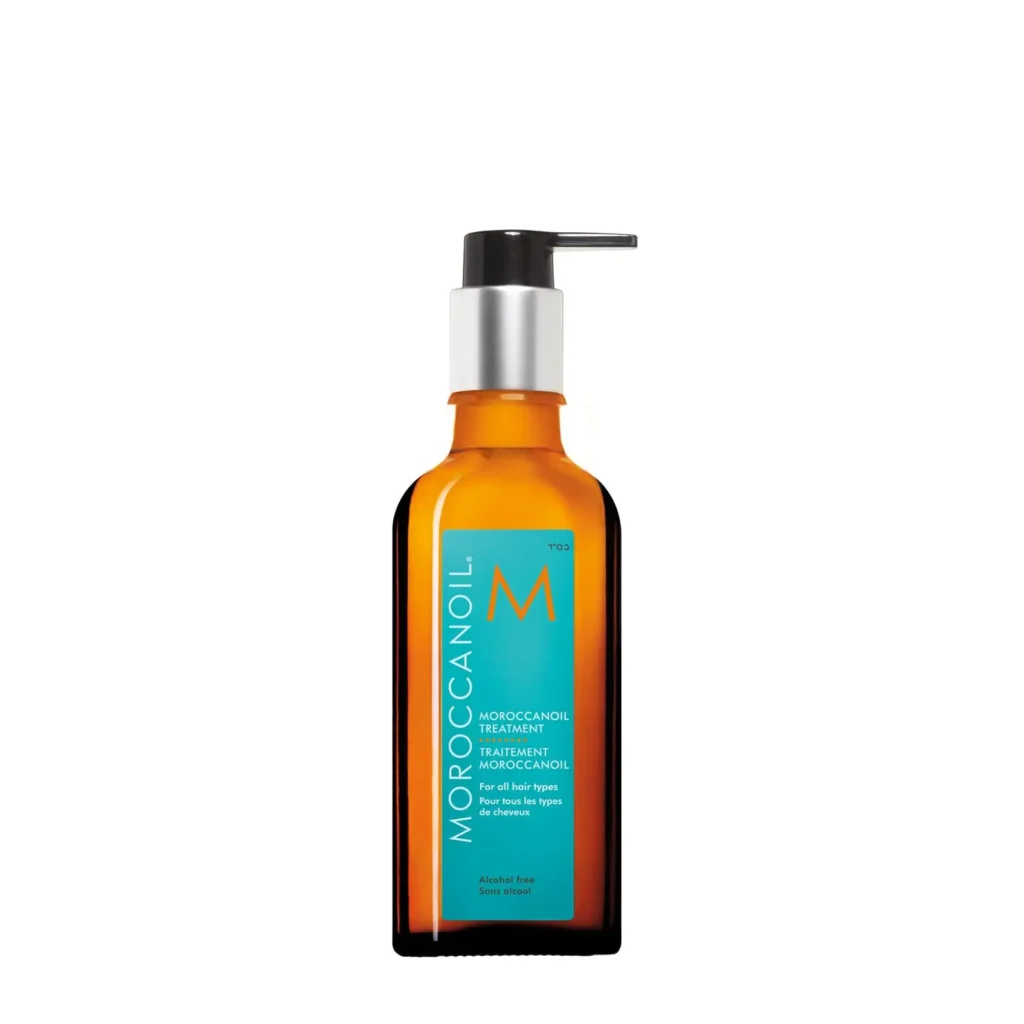
Moroccanoil Treatment Original
- Best For: Coarse, thick, unruly, and dull hair
- Product Type: Finishing & Conditioning Hair Oil
- Hair Type: Medium to Thick, Curly, Coarse
- Key Ingredients: Argan Kernel Oil, Linseed Extract, Cyclomethicone
What It Is
A pioneering styling, conditioning, and finishing hair oil infused with antioxidant-rich argan oil and shine-enhancing silicones.
Why It’s Worth Considering
This iconic hair treatment remains a staple for individuals battling thick, rebellious frizz. It bridges the gap between cosmetic smoothing and protective sealing. The argan oil and linseed extract deliver essential fatty acids to soften rough textures, while high-grade cosmetic silicones smooth down raised cuticles, dramatically speeding up blow-dry times and providing an immediate glossy finish.
Texture & Scent
A rich, golden, viscous liquid that spreads easily. It features Moroccanoil’s famous signature amber, musk, and floral fragrance.
How to Use It
Dispense one to two pumps into your palms, rub your hands together, and distribute evenly through clean, towel-dried hair from mid-shaft to ends. It can also be applied sparingly to dry hair to smooth down stray flyaways.
Pros & Cons
- Pros: Immediate reduction in visual frizz; gives dramatic shine and slip; accelerates blow-dry styling.
- Cons: Contains silicones that require periodic clarifying washes; can weigh down fine or thin hair textures.
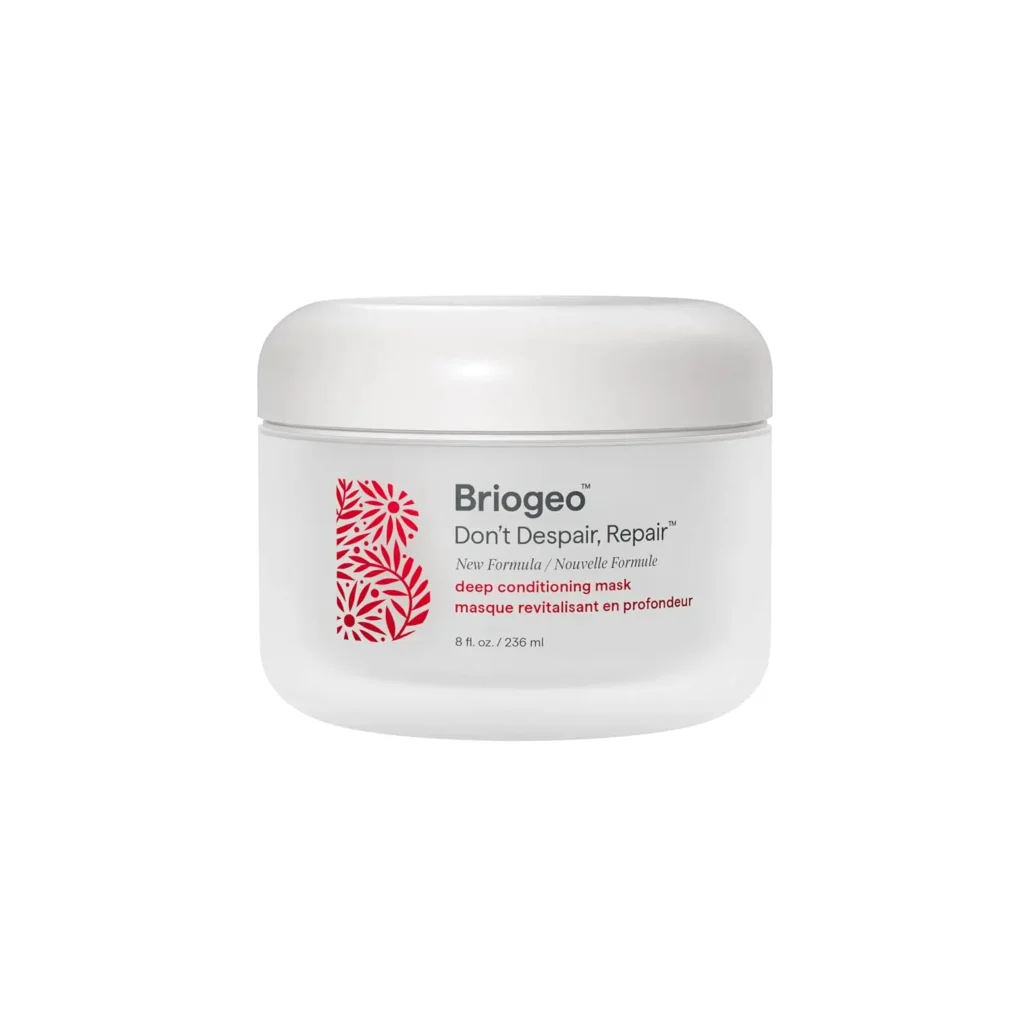
Briogeo Don’t Despair, Repair! Deep Conditioning Hair Mask
- Best For: Dehydrated, brittle, and snapping strands
- Product Type: Intensive Restorative Hair Mask
- Hair Type: Straight, Wavy, Curly, and Coily
- Key Ingredients: Rosehip Oil, B-Vitamins (Biotin), Algae Extract
What It Is
A weekly deep-conditioning mask scientifically formulated to restore essential hydration and strengthen dry, brittle hair strands.
Why It’s Worth Considering
Many deep conditioners rely exclusively on surface silicones to create artificial slip. Briogeo’s formulation uses a 97% naturally derived balance of moisturizing plant lipids and fortified proteins. Rosehip oil delivers essential fatty acids to control frizz, while algae extract and B-complex vitamins support moisture retention and hair resilience.
Texture & Scent
A whipped, buttery cream that glides onto strands effortlessly with a delicate, clean, sweet berry fragrance.
How to Use It
Use once weekly in place of your daily conditioner. After shampooing, massage the mask evenly into damp hair from mid-lengths to ends. Leave on for 10 minutes to allow the lipids to penetrate before rinsing completely.
Pros & Cons
- Pros: Silicone-free; balanced ratio of protein and moisture; excellent for dry curly hair textures.
- Cons: Requires a full 10-minute wait time for optimal results; may feel heavy on ultra-fine hair.
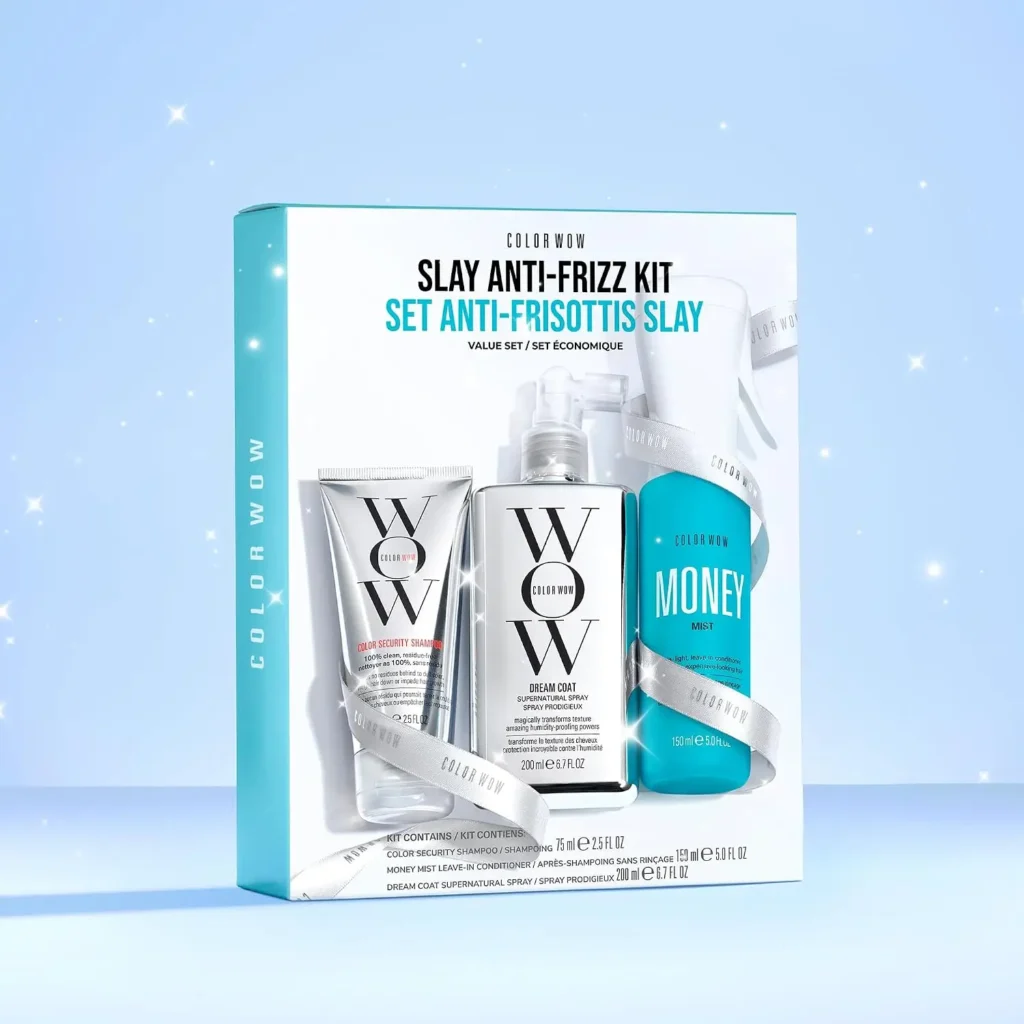
Color Wow Dream Coat Supernatural Spray
- Best For: Extreme humidity protection and sleek blowouts
- Product Type: Heat-Activated Anti-Humidity Sealant
- Hair Type: All hair types prone to humidity-induced frizz
- Key Ingredients: Heat-Activated Polymer Complex, Glycerin
What It Is
An ultra-light, heat-activated anti-humidity treatment that envelops each strand in an invisible, moisture-repelling waterproof veil.
Why It’s Worth Considering
If your hair immediately doubles in volume the moment you step outside into damp or humid weather, Dream Coat is one of the most technologically advanced cosmetic solutions available. Unlike heavy oils or greasy creams that weigh hair down, this water-light spray utilizes cross-linking polymers that contract under blow-dryer heat and tension, compressing the hair cuticle and creating a glass-like barrier against moisture.
Texture & Scent
Feels exactly like water; completely weightless and scent-free. Leaves behind zero residue or greasy buildup.
How to Use It
Shampoo, condition, and towel-dry your hair. Divide hair into sections and spray liberally and evenly from roots to ends. Crucial: You must blow-dry with direct heat and a brush holding tension to activate the cross-linking polymer formula. Lasts through three to four shampoos.
Pros & Cons
- Pros: Completely weightless (ideal for fine hair); exceptional humidity resistance; lasts multiple washes.
- Cons: Requires blow-drying with tension to work; not suitable for air-dry or heat-free routines.

SheaMoisture Manuka Honey & Mafura Oil Intensive Hydration Conditioner
- Best For: Coarse, coily, and extremely dry, parched textures
- Product Type: Rich Hydrating Rinse-Out Conditioner
- Hair Type: Type 3 and Type 4 Curls, Very Thick Hair
- Key Ingredients: Fair Trade Shea Butter, Manuka Honey, Mafura Oil
- Price Level: Budget-Friendly ($)
What It Is
A deeply nourishing drugstore conditioner crafted to soften, detangle, and deliver lasting moisture to chronically dry, coarse, or natural hair textures.
Why It’s Worth Considering
For those seeking accessible, high-performance hydration without a luxury price tag, this formula delivers exceptional richness. Real Manuka honey acts as a natural humectant that pulls moisture into the hair, while certified organic shea butter and mafura oil seal coarse cuticles, improving hair flexibility and reducing brittle breakage during detangling.
Texture & Scent
An ultra-thick, rich lotion with a warm, luxurious honey and fig fragrance.
How to Use It
Apply generously to wet, clean hair after shampooing. Work the product through with your fingers or a wide-tooth comb to detangle, focusing on the bottom two-thirds of your hair. Leave on for 3 minutes before rinsing thoroughly.
Pros & Cons
- Pros: Highly affordable; intense moisturizing power; free of sulfates, parabens, and mineral oil.
- Cons: Far too heavy for straight or fine hair; bottle packaging can make thick formula difficult to dispense.
Product Comparison Guide
The following table provides a clear side-by-side comparison to help you choose the best formula for your hair profile:
| Product | Best For | Hair Type | Formula/Texture | Price Level |
|---|---|---|---|---|
| Pureology Hydrate Shampoo | Color protection & gentle cleansing | Medium to thick, dry strands | Concentrated creamy lather | Premium ($$) |
| Olaplex No. 5 Conditioner | Rebuilding heat/color-damaged hair | Chemically treated, snapping hair | Dense, firm cream | Premium ($$) |
| Moroccanoil Treatment | Instant shine, softness & slip | Thick, coarse, unruly textures | Rich, golden oil-serum | Premium ($$$) |
| Briogeo Deep Conditioning Mask | Silicone-free weekly replenishment | Dry, brittle, natural curls | Whipped buttery cream | Premium ($$) |
| Color Wow Dream Coat | All-day humidity blocking & sleekness | All hair types (especially fine/medium) | Water-light spray (heat-activated) | Mid-Premium ($$) |
| SheaMoisture Intensive Hydration | Deep moisture on a budget | Coarse, curly, coily patterns | Rich, heavy cream | Budget ($) |
How to Build a Simple Haircare Routine for Dry, Frizzy Strands

Managing dry, unruly hair does not require a complicated ten-step routine. A logical, layered sequence ensures that your hair absorbs hydration and locks it in place.
The Frizz-Control Wash Routine Sequence
- Cleanser: Focus on the scalp only using a gentle, sulfate-free formula.
- Moisture: Apply a rich conditioner or weekly hair mask from mid-lengths to ends.
- Prep: Distribute a hydrating leave-in conditioner or heat-protective spray onto towel-blotted hair.
- Seal: Smooth a small drop of hair oil or smoothing serum over dry or nearly dry ends to repel humidity.
Step 1: Cleansing (Shampoo)
Always focus shampoo on your scalp rather than your ends. Your scalp produces oils and accumulates environmental debris, while your ends simply need the residual suds as you rinse. Massage with your fingertips (never your nails) to stimulate the scalp without tangling lengths.
Step 2: Hydrating (Conditioner)
Squeeze out excess water before applying conditioner—soaking wet hair repels conditioning agents. Smooth your conditioner from mid-lengths down to the very tips. Allow it to sit for at least two to three minutes so the conditioning agents can adhere to the hair shaft and lower friction.
Step 3: Deep Conditioning (Weekly Hair Mask)
Once a week, replace your daily conditioner with an intensive hair mask. Masks have higher concentrations of lipids, fatty alcohols, and restructuring agents. Wrap your hair in a warm, damp towel while the mask sits to help open the hair cuticle slightly for deeper absorption.
Step 4: Hydration Prep (Leave-In Conditioner)
After gently blotting your hair with a microfiber towel, apply a nickel-sized amount of leave-in conditioning spray or milk. This provides continuous moisture as your hair dries and acts as a detangling buffer, reducing mechanical snapping.
Step 5: Thermal Protection (Heat Protectant)
If you plan to use a hair dryer, flat iron, or curling wand, a heat protectant is non-negotiable. Thermal tools vaporize the moisture inside your hair cortex, leading to microscopic bubbling and irreversible cuticle damage. Apply your heat protectant evenly across all sections.
Step 6: Moisture Locking (Hair Oil or Serum)
Once your hair is dry or 90% air-dried, warm one to two drops of hair oil between your hands and smooth it over your ends. This creates a final hydrophobic (water-repelling) barrier that seals in internal moisture and keeps ambient humidity out.
How Often Should You Wash Dry, Frizzy Hair?
There is no universal washing schedule that works for everyone. Because sebum serves as your hair’s natural smoothing agent, washing too frequently can strip away precious lipids and exacerbate frizz. Conversely, washing too infrequently can cause product buildup, which suffocates the scalp and prevents moisturizing products from penetrating the hair fiber.
Use the following guidelines to find your ideal cadence:
- Thick, Coarse, or Curly Hair: Wash 1 to 2 times per week. These hair types need natural oils to travel down the strand and retain elasticity.
- Medium, Wavy Hair: Wash 2 to 3 times per week. This strikes a balance between cleansing the scalp and preventing dry ends.
- Fine Hair with Dry Ends: Wash every other day or 3 times per week. Fine hair gets weighed down quickly by scalp sebum, but ends must be protected with conditioner prior to rinsing.
- Active Lifestyles / Humid Climates: If you exercise heavily, rinse your scalp thoroughly with lukewarm water between wash days, or use a gentle, non-foaming co-wash rather than shampooing daily.
Shampoo vs. Conditioner vs. Hair Mask vs. Hair Oil: How They Differ
Many people use these products interchangeably or assume they all accomplish the same goal. However, each plays a distinct cosmetic role within a healthy haircare routine:
| Product | Main Purpose | Where to Apply | When to Use | Key Benefit for Frizz |
|---|---|---|---|---|
| Shampoo | Removes dirt, oil, and buildup | Scalp & roots only | Wash days (1–3x weekly) | Cleanses without stripping lipids |
| Conditioner | Restores surface smoothness & slip | Mid-lengths to ends | Every single wash day | Closes cuticles and reduces friction |
| Hair Mask | Delivers intensive moisture & repair | Mid-lengths to ends | Once weekly (or bi-weekly) | Deeply softens stiff, brittle fiber |
| Hair Oil | Seals moisture in & adds cosmetic shine | Ends & stray flyaways | Daily or post-styling | Blocks out humidity and prevents puffiness |
The Best Ingredients for Dryness and Frizz
Cosmetic formulations rely on specific chemical classes to hydrate, soften, and protect dry strands. Reading the ingredient list allows you to understand how a product will perform:
- Glycerin: A classic humectant that pulls moisture into the hair. Works best in moderate climates; in extreme humidity, it can occasionally pull too much water into the strand if not paired with a sealant.
- Panthenol (Pro-Vitamin B5): Penetrates the cuticle to bind water inside the shaft, adding pliability and body without weight.
- Argan & Jojoba Oils: Plant lipids rich in oleic and linoleic acids. Jojoba oil closely mimics natural human sebum, making it exceptionally compatible with human hair.
- Ceramides: Natural lipid components that help bind the cuticle scales flat, restoring the protective outer barrier of chemically treated hair.
- Hydrolyzed Silk & Wheat Proteins: Small molecular proteins that temporarily adhere to microscopic gaps in the cuticle, strengthening weak areas and smoothing the hair’s surface.
- Dimethicone / Amodimethicone: High-performance cosmetic silicones. Dimethicone creates a smooth, water-resistant barrier against humidity, while amodimethicone bonds selectively to damaged patches without excessive buildup.
Special Considerations: Dry & Frizzy Fine Hair
Fine hair presents a unique challenge: it is prone to dryness and static, yet easily weighs down under rich conditioning agents. If your hair is fine in diameter:
- Avoid Heavy Butters Near Roots: Steer clear of raw shea butter, petrolatum, and heavy coconut oil formulas, which make fine hair appear stringy and greasy.
- Embrace Fluid Leave-In Sprays: Choose water-based leave-in mists containing panthenol, glycerin, and lightweight silk amino acids instead of dense styling creams.
- Try Reverse Washing: If your hair is severely dehydrated, try applying conditioner to your ends first, letting it sit for three minutes, and then applying a gentle shampoo directly to your scalp before rinsing both out together. This protects fragile lengths from stripping detergents while ensuring fine roots retain volume.
Scalp Care: The Foundation of Hair Health
A healthy scalp environment is the prerequisite for soft, resilient hair growth. When the scalp becomes congested with dead skin cells, natural sebum, and silicone-laden styling residues, the emerging hair fiber can suffer from compromised cuticle development.
- Cleanse Thoroughly: Even if your ends are parched, your scalp requires adequate hygiene. Use your fingertips to massage and lift scalp oils on wash days.
- Clarify Periodically: If you regularly use hair oils, heavy leave-in creams, or styling polymers, incorporate a gentle chelating or clarifying shampoo once every two to three weeks to prevent buildup.
- Avoid Scratching: Flaking is not always dandruff; it is often simple scalp dryness or contact sensitivity to fragrances. Avoid aggressive fingernail scratching, which causes micro-tears in the delicate scalp skin.
- When to Seek Medical Advice: Cosmetic haircare cannot resolve medical scalp issues. If you experience persistent redness, intense itching, painful burning, thick silvery scales, or unexplained shedding patches, consult a board-certified dermatologist.
10 Common Haircare Mistakes That Worsen Frizz
Even the best products cannot overcome improper handling techniques. Avoid these ten common haircare mistakes:
1. Washing Hair with Scorching Hot Water
- Why it happens: Steamy showers feel relaxing, but hot water swells the hair cuticle and dissolves protective lipid oils.
- Better approach: Wash with lukewarm water and finish with a cool rinse to help lay the cuticle flat.
2. Rough Towel Drying with Terrycloth
- Why it happens: Vigorously rubbing wet hair with a standard loop-cotton bath towel tears the fragile, water-swollen cuticle.
- Better approach: Gently press and blot excess moisture using an ultra-fine microfiber towel or a soft cotton t-shirt.
3. Applying Conditioner to the Scalp
- Why it happens: Assuming dry hair means the entire head requires heavy conditioners.
- Better approach: Apply rinse-out conditioners and masks exclusively from the earlobes downward to avoid clogging scalp follicles.
4. Brushing Dry Textured or Curly Hair
- Why it happens: Attempting to smooth down flyaways with a standard bristle brush.
- Better approach: Detangle hair only while damp and saturated with conditioner, using a wide-tooth comb or flexible wet detangler.
5. Skipping Heat Protectant Before Styling
- Why it happens: Rushing through a styling routine or assuming low heat settings are harmless.
- Better approach: Always mist an even layer of heat protectant before touching strands with blow-dryers, curling wands, or flat irons.
6. Using Pure Heavy Oils as a Moisturizer
- Why it happens: Believing that applying pure oil to dry hair delivers moisture.
- Better approach: Remember that oil is an occlusive sealant, not a hydrator. Apply a water-based leave-in conditioner first, then seal with oil.
7. Overusing High-Protein Treatments
- Why it happens: Relying too heavily on intensive strengthening masks for non-bleached hair.
- Better approach: Balance protein treatments with moisturizing formulas; excessive protein can leave healthy hair feeling stiff, brittle, and straw-like.
8. Sleeping on Rough Cotton Pillowcases
- Why it happens: Unbeknownst to many, standard cotton creates mechanical friction as you toss and turn, snagging cuticles.
- Better approach: Switch to a smooth 100% mulberry silk or satin pillowcase to minimize overnight friction and frizz.
9. Ignoring Product Buildup
- Why it happens: Avoiding clarifying cleansers out of fear that they will dry the hair further.
- Better approach: Use a gentle clarifying shampoo once a month. Removing old product residue allows fresh moisture to penetrate properly.
10. Air-Drying in Humid Environments Without Styling Products
- Why it happens: Believing air-drying is inherently healthier than using any styling tools.
- Better approach: If you air-dry in humidity, coat your damp hair with an anti-humidity cream or leave-in serum to protect it from swelling.
10 Pro Tips to Get Better Results From Your Hair Routine
To elevate your daily haircare results, incorporate these practical, stylist-approved habits:
- Emulsify Before Applying: Rub concentrated creams and shampoos vigorously between wet palms before touching your hair to ensure even distribution.
- Use the “Squish to Condish” Technique: While conditioning in the shower, cup water in your hands and squish upward into your ends to force hydration into the cortex.
- Comb from Ends to Roots: Always begin detangling at the bottom two inches of your hair, gradually working upward to prevent small snags from turning into breakage.
- Section Your Hair for Product Distribution: Divide your hair into two to four clips when applying masks or leave-ins to ensure every strand receives coverage.
- Adjust Your Routine Seasonally: Use lighter fluid formulations during humid summers and switch to richer lipid creams during dry, heated winter months.
- Keep Thermal Styling Below 350°F (175°C): Unless your hair is exceptionally coarse, modern hot tools do not need to exceed 350°F to shape and smooth the hair fiber.
- Clean Your Hairbrushes Regularly: Remove trapped hairs weekly and wash brush bristles with gentle shampoo once a month to eliminate stale oils and styling residue.
- Pre-Protect Ends Before Swimming: Coat ends with a light leave-in conditioner before entering chlorinated pools or saltwater to prevent mineral absorption.
- Give Products 3 to 4 Weeks: Allow your hair cuticle cycle to adapt to a new moisturizing routine before judging its effectiveness.
- Get Regular Micro-Trims: No product can permanently repair split ends. A light dusting every 8 to 12 weeks stops splits from traveling up the shaft and causing frizz.
Budget vs. Premium Haircare: Is Luxury Worth It?
When browsing haircare aisles, prices range from budget drugstore staples to luxury salon formulations. Understanding where your money goes helps you spend wisely.
Haircare Investment Guide
- Save Your Money On:
- Daily Rinse-Out Conditioners
- Basic Scalp Cleansing Shampoos
- Worth the Splurge:
- Bond-Building Treatments (Patented Chemistry)
- Specialized Anti-Humidity Sealants
- Concentrated Finishing Oils and Heat Protectants
- Ingredients & Concentration: Budget-friendly cleansers often contain higher water content and standard cleansing agents. Premium lines often use more concentrated formulas, meaning a nickel-sized drop goes further than a handful of budget product.
- Formulation & Delivery: Premium brands often invest more in delivery systems—such as micro-emulsions and specialized polymers—that deposit conditioning agents evenly without leaving a sticky film.
- Patented Technologies: Certain categories, such as bond-building treatments (e.g., Olaplex) and advanced humidity-resistant polymers (e.g., Color Wow), hold patents you simply cannot find in budget duplicates.
- Where to Save vs. Splurge: Save on everyday rinse-out conditioners and basic cleansers, which only stay on your hair for a couple of minutes. Splurge on leave-in conditioners, heat protectants, and high-performance finishing serums that remain on your hair fiber until your next wash.
How to Shop for Haircare Products on Amazon Safely
Purchasing beauty and haircare products online provides convenience and customer reviews, but smart shopping habits are essential:
- Verify the Seller: Whenever possible, ensure the product is “Shipped and Sold by Amazon” or sold directly by the official brand’s authorized storefront on Amazon (look for the “Visit the [Brand] Store” badge under the product title).
- Check the Ingredients List: Product formulas change periodically. Double-check the ingredient list on the Amazon product page against the brand’s official website to confirm you are receiving the latest formulation.
- Compare Price per Ounce: Pay attention to package dimensions and price per ounce. Travel-size bottles can appear identical to full-size bottles in thumbnail photos.
- Read Recent Verified Reviews: Filter customer reviews to show verified purchases from the last three to six months. This reveals whether a recent formula change or packaging defect has occurred.
- Inspect Packaging Upon Delivery: Look for intact tamper seals, correct brand logos, and batch codes on the bottom of bottles before opening.
- Do Not Rely Solely on Viral Hype: Just because a hair oil or mask is trending on social media does not mean it matches your hair texture, porosity, or styling needs.
Morning vs. Night Hair Routine for Frizz Prevention
Frizz control is not just about wash day; protecting your hair from mechanical friction during the night and refreshing it in the morning maintains smoothness throughout the week.
Morning Refresh
- Detangle with Care: Use your fingers or a wide-tooth comb to gently undo any morning tangles.
- Mist with Water or Leave-In: If ends feel dry or curls have flattened, lightly mist with water or a lightweight leave-in conditioning spray to re-activate moisture.
- Smooth Surface Flyaways: Emulsify half a drop of hair oil between your palms and smooth lightly over your canopy to restore immediate shine and manageability.
Nighttime Protection
- Gentle Detangling: Spend 60 seconds combing through your ends to remove knots accumulated during the day.
- Friction Protection: Secure long hair in a loose, high bun using a pure silk scrunchie (often called a “pineapple”), or loosely braid it.
- Sleep on Silk or Satin: Swap standard cotton pillowcases for silk. Cotton absorbs moisture from your hair strands like a sponge and catches cuticles as you toss and turn, leading directly to morning frizz.
Haircare Considerations for Women Over 40
As we age, natural physiological shifts alter the texture, density, and moisture retention of our hair. The scalp gradually produces less sebum, leaving hair naturally drier, while changes in melanin production make gray or silver strands coarser and more wiry.
- Prioritize Lipid Replenishment: Because mature scalps produce less natural sebum, mid-lengths and ends require richer lipid creams and conditioning masks containing squalane, argan oil, and fatty alcohols.
- Gentler Cleansing Rhythms: Transition to milder, non-stripping, sulfate-free shampoos and wash less frequently to preserve precious scalp lipids.
- Care for Coarser Silver Strands: Gray hairs lack melanin and often have a thicker, less pliable cuticle layer that resists moisture. Hydrating leave-in serums soften this wiry feel, restoring suppleness without stiffness.
- Mind Heat Sensitivity: Mature hair fibers are often more vulnerable to heat degradation. Always use lower temperature settings on hot tools and never skip thermal protection.
How to Create a Minimalist Haircare Routine
You do not need a crowded shower ledge to achieve smooth, healthy-looking hair. If you prefer a simple, streamlined approach, you can achieve excellent results with just four products:
The 4-Piece Minimalist Kit
- Sulfate-Free Moisturizing Shampoo: Cleanses your scalp gently without drying lengths.
- Rich Slip Conditioner: Detangles and softens hair in the shower every wash day.
- Multi-Tasking Leave-In Conditioner: Combines hydration, detangling slip, and thermal protection in one step on towel-blotted hair.
- Pure Argan or Jojoba Oil: Seals parched ends and controls stray flyaways after styling.
This simple four-piece kit covers every fundamental hair need: cleansing, conditioning, prepping, and sealing.
Frequently Asked Questions
What is the primary cause of frizzy hair?
Frizz occurs when the outer cuticle layer of the hair fiber is raised, weathered, or naturally porous. When the internal cortex lacks adequate moisture, the hair shaft absorbs humidity from the surrounding atmosphere, causing the fiber to swell unevenly and separate from surrounding strands.
How often should I use a hair mask on dry hair?
For moderately dry hair, using an intensive hair mask once per week in place of your standard conditioner provides ideal replenishment. If your hair is severely damaged from bleach or frequent hot tools, using a mask twice weekly for two to three weeks can help restore baseline softness.
Can hair oil replace my daily conditioner?
No. Hair oils are occlusive emollients that seal in moisture and provide cosmetic surface slip; they do not contain water and cannot hydrate dry hair on their own. Conditioner provides water, humectants, and conditioning surfactants that penetrate the hair fiber. Oil should be used as a final sealing step after conditioning.
Will sulfate-free shampoo really help reduce frizz?
Yes. Harsh sulfate detergents (such as sodium lauryl sulfate) can strip away the natural lipid barrier that protects your hair cuticle. Using gentle, sulfate-free cleansers preserves essential oils, helping your hair retain moisture and stay smoother over time.
How do I tame frizz if my hair is very fine?
Avoid heavy plant butters (like raw shea or cocoa butter) and heavy styling waxes. Instead, choose water-based leave-in conditioning mists containing panthenol or silk proteins, and use lightweight silicone sprays or weightless dry oils applied exclusively to the ends.
Does washing with cold water actually make a difference?
While cold water does not physically close cuticles like a muscle, rinsing with lukewarm to cool water prevents heat-induced cuticle swelling and helps your conditioning agents remain on the hair fiber, resulting in noticeably shinier, smoother hair.
Can I apply hair oil to wet hair?
Yes. Applying a small drop of hair oil to clean, damp hair locks in moisture from your shower and leave-in products. You can also apply an additional micro-drop to completely dry hair to tame any remaining flyaways and boost shine.
What is the difference between dry hair and damaged hair?
Dry hair lacks natural moisture and sebum, making it feel rough and look dull; this can usually be addressed quickly with rich conditioners. Damaged hair has structural protein degradation and broken internal disulfide bonds from bleaching, chemical processing, or severe heat, causing it to snap, break, and split. Damaged hair requires bond-repairing treatments and protein support alongside hydration.
Is dimethicone bad for dry, frizzy hair?
Not necessarily. High-grade cosmetic silicones like dimethicone form an exceptional protective barrier that locks in moisture and prevents ambient humidity from entering the hair shaft. As long as you periodically clarify your scalp and lengths to prevent buildup, silicones can be highly effective cosmetic tools for frizz control.
When should I consult a doctor about scalp or hair issues?
Cosmetic products are designed for healthy skin and hair fiber. If you experience sudden patchy hair shedding, persistent scalp redness, crusting, burning, or intense itching that does not respond to gentle care, consult a board-certified dermatologist for an accurate diagnosis and medical treatment.
Final Thoughts
Navigating dry, frizzy hair does not have to be an endless search for miracle products. Frizz is simply your hair’s way of signaling that it needs hydration, gentle handling, and a protective barrier against the elements. Once you understand whether your strands are craving lightweight moisture, lipid nourishment, or bond-repairing reinforcement, choosing the right products becomes straightforward.
The most effective routine is the one you can practice consistently. Begin with the basics: clean gently with a sulfate-free shampoo focused on your scalp, condition every wash day, and seal damp ends with a drop of nourishing oil or heat-activated polymer spray. Adjust your products as the seasons shift, treat your wet strands with care, and give your hair fiber time to regain its natural softness and shine.
For more curated recommendations, step-by-step styling tutorials, and in-depth beauty reviews, explore our full library of expert guides across EmeliaStyle.com.


