Disclosure: This article contains affiliate links. If you purchase a product through one of these links, we may earn a commission at no additional cost to you.

The Best Body Lotions for Very Dry Skin

If your legs feel tight after a shower, your elbows look ashy by afternoon, or your skin itches under your sweater, you are not alone. Cold air and indoor heating pull moisture from skin, and a thin lotion often is not enough to keep up.
The best body lotion for dry skin does more than feel smooth for an hour. It softens, helps hold water in, and supports the skin barrier so dryness does not return by evening. Here is what to look for and which formulas are worth trying.
Why Body Skin Gets So Dry
Body skin has fewer oil glands than facial skin, which is why it dries out faster, especially on the shins, arms and hands. Hot showers, harsh soaps, low humidity and long winter layers all add to the problem. Over time, a weakened skin barrier lets moisture escape, which leaves skin rough, tight or flaky.
The fix is a routine that adds water, seals it in and avoids stripping it back out.
What to Look for in a Body Lotion for Dry Skin
Check the ingredient list for a mix of three types of ingredients.
- Humectants draw water into skin. Look for glycerin, hyaluronic acid and urea.
- Emollients soften and smooth. Shea butter, squalane and plant oils are common ones.
- Occlusives and barrier lipids slow water loss. Ceramides, petrolatum, dimethicone and cholesterol fall into this group.
A lotion that combines all three will usually outperform one that relies on a single ingredient. Urea, in lower percentages, also gently softens rough, flaky patches.
Best Body Lotions for Very Dry Skin
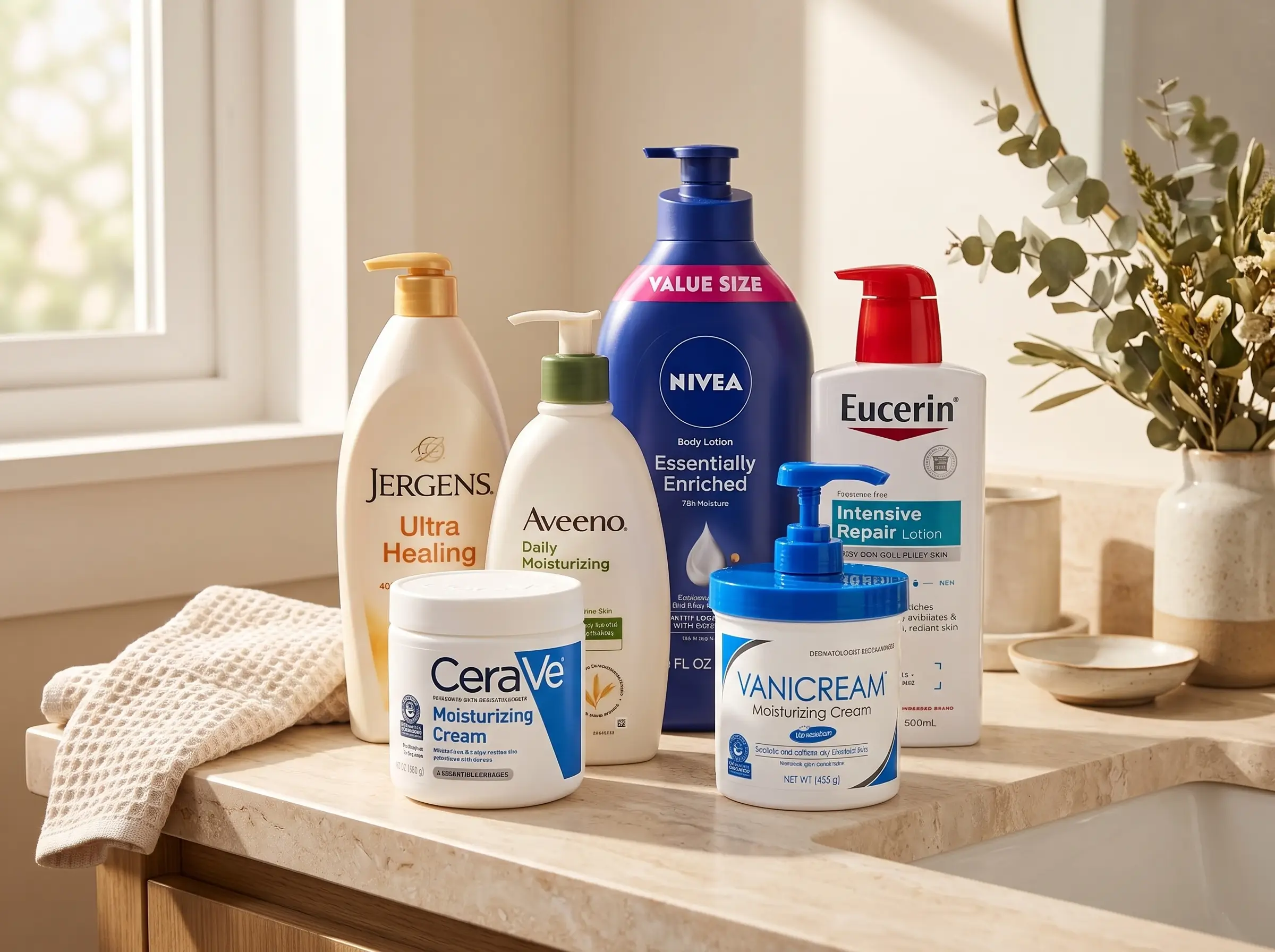
Best Overall: CeraVe Moisturizing Cream
CeraVe’s thick cream is a long-time favorite for dry skin, formulated with ceramides and hyaluronic acid. It comes in a tub, feels rich without being greasy, and is fragrance-free, which makes it a dependable choice for most people.

CeraVe Moisturizing Cream
Best for Extra-Dry, Rough Skin: Eucerin Intensive Repair or Urea Repair
Eucerin’s repair lotions include urea, which helps soften rough patches on elbows, knees and heels. They are a good pick if your dryness comes with flaking or texture.
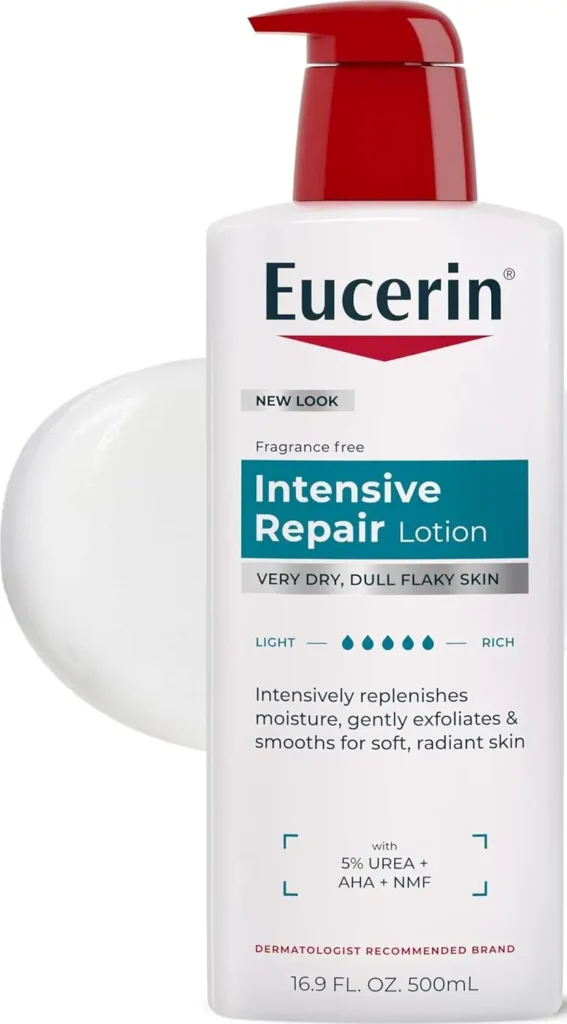
Eucerin Intensive Repair Body Lotion
Best for Sensitive Skin: Vanicream Moisturizing Cream
Vanicream is made without common irritants such as dyes, fragrance and parabens. If most lotions sting or leave you itchy, a short, simple formula like this is worth trying.
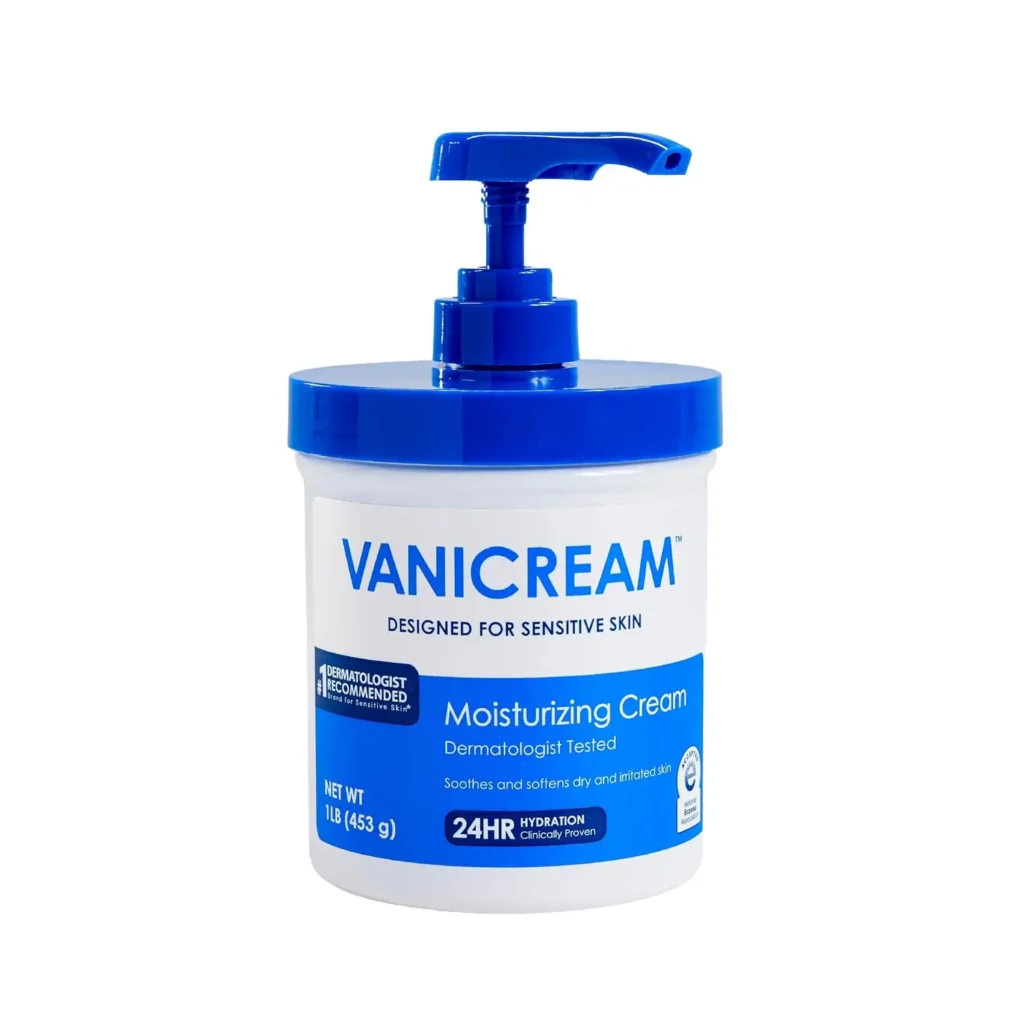
Vanicream Moisturizing Cream
Best Fast-Absorbing Lotion: Aveeno Daily Moisturizing Lotion
If you hate a sticky feeling, this lighter lotion with oat is a good everyday choice. It absorbs quickly, so you can dress right after applying.
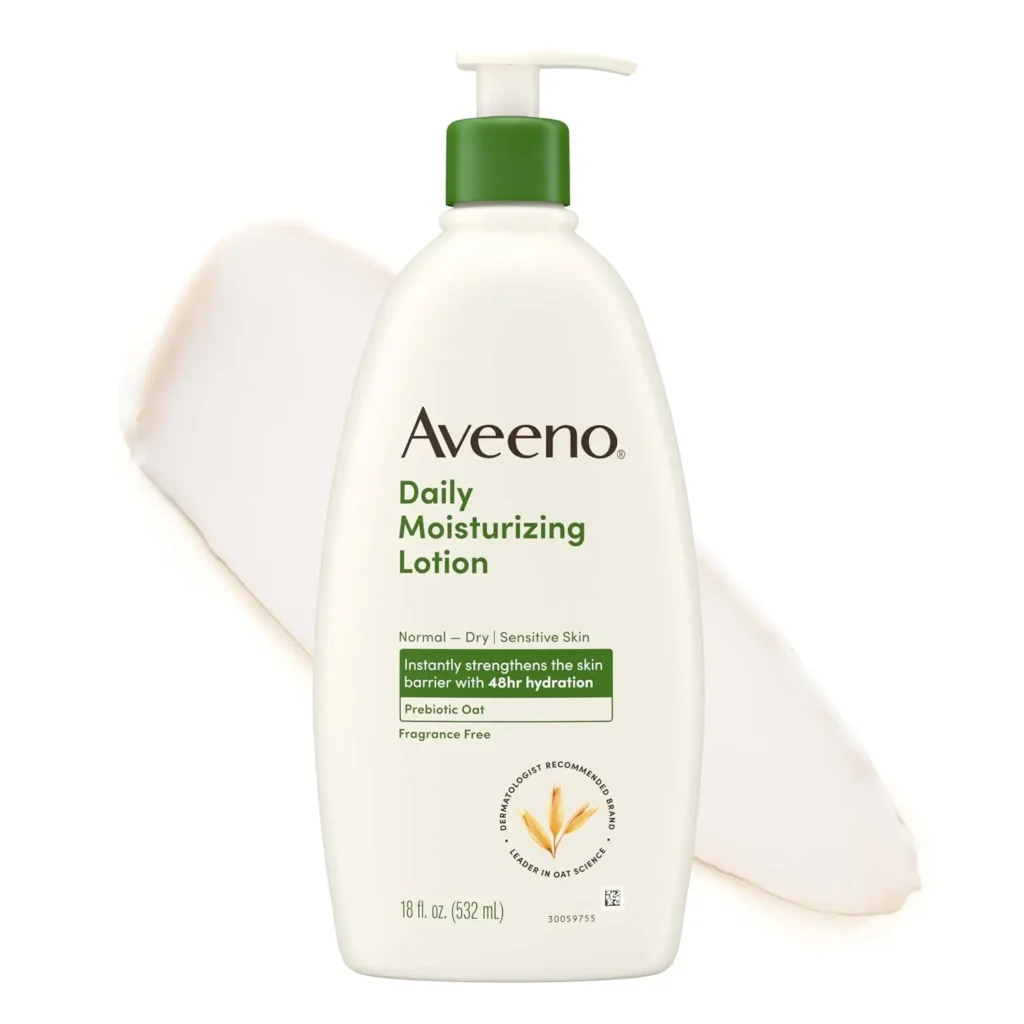
Aveeno Daily Moisturizing Body Lotion
Best Thick Lotion for Winter: Jergens Ultra Healing or similar rich formulas
For the driest weeks of winter, a heavier lotion with extra emollients can make the difference. Use it at night or on the driest areas.
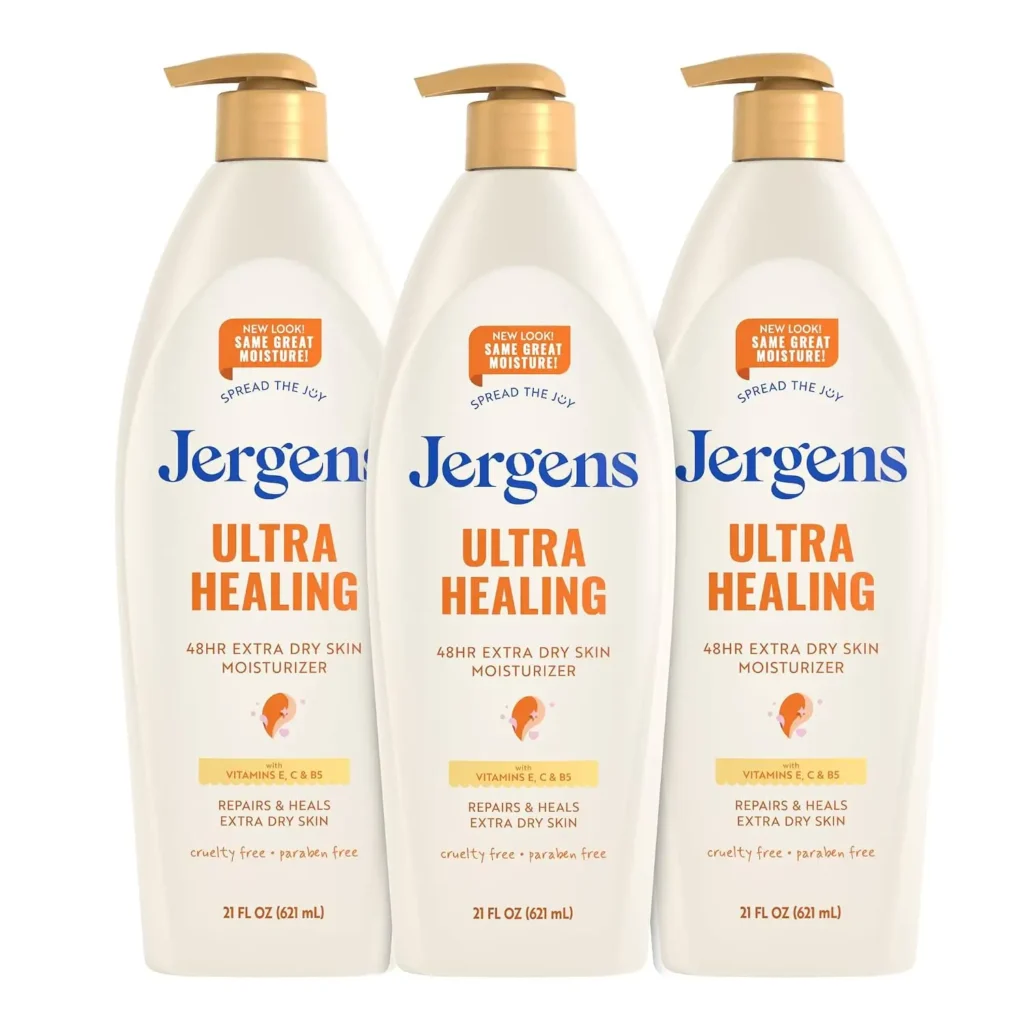
Jergens Ultra Healing Moisturizer
Best Budget Pick: Nivea Essentially Enriched or Dove Intensive Care
Both are affordable, easy to find and moisturizing enough for mildly dry skin. They work well if you need a lotion you can use generously every day.
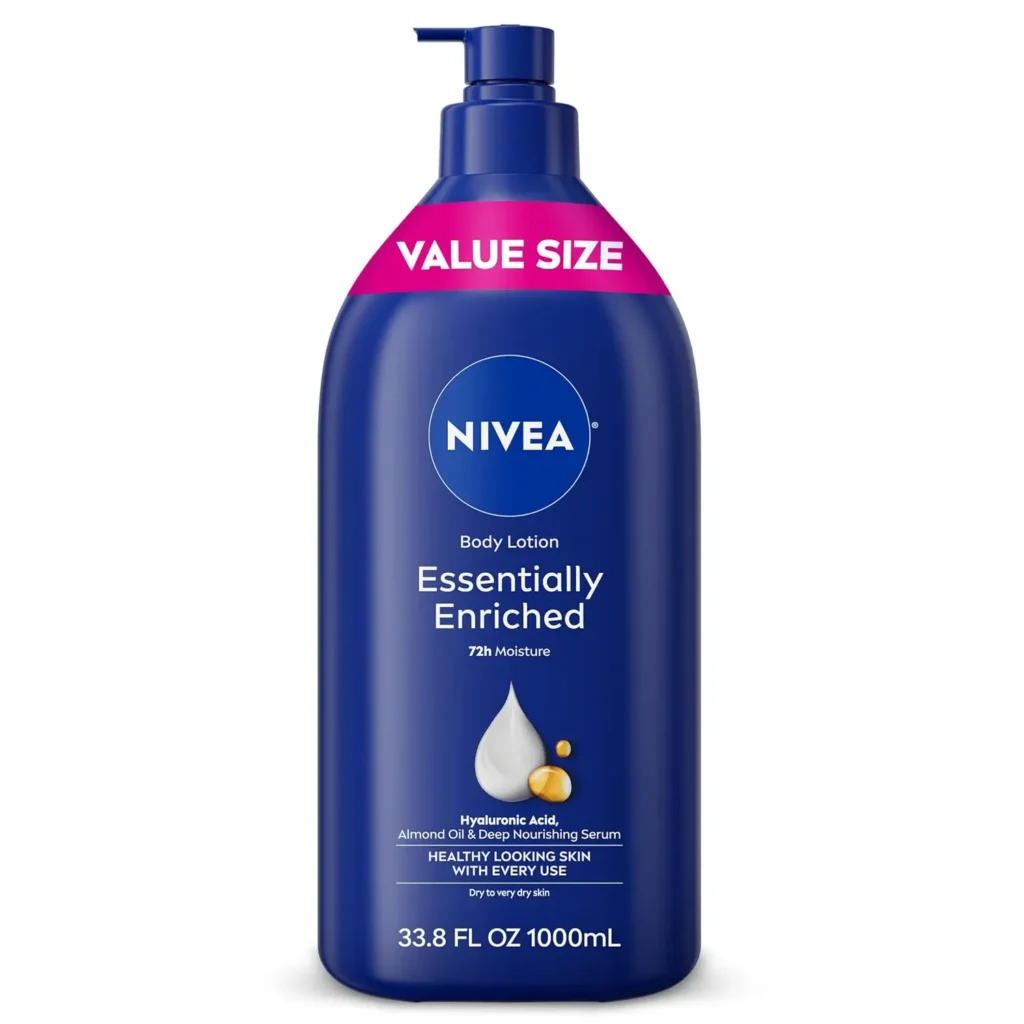
Nivea Essentially Enriched Body Lotion
Lotion, Cream or Body Butter?
- Lotion is lightest and spreads easily, which makes it better for daily use and warmer weather.
- Cream is thicker and more protective, which makes it better for very dry skin.
- Body butter is the richest, which makes it best for the driest areas and nighttime use.
If you are unsure, start with a cream. It tends to be the best balance of comfort and performance.
How to Apply Body Lotion for Best Results
- Apply within three minutes of showering. Pat skin gently with a towel, leaving it slightly damp, then apply lotion to lock in water.
- Use enough. A thin layer is rarely enough on very dry skin. Apply generously and rub in until absorbed.
- Focus on dry zones. Shins, elbows, knees, hands and feet usually need a second layer.
- Keep showers short and warm. Hot water strips natural oils.
- Moisturize twice a day in winter. Morning and night works well for very dry skin.
For your face, a different formula is a better idea. Our guide to hydrating face masks for dry winter skin covers facial care.
When to See a Doctor
If your dry skin is intensely itchy, cracked, red or does not improve after a few weeks of regular moisturizing, talk to a dermatologist or doctor. Persistent dryness can be linked to eczema or other skin conditions that need different treatment.
Ingredients That Can Make Dry Skin Worse
The right lotion matters, but so do the products you use before it. Watch out for these common culprits.
- Fragrance and essential oils. They are a frequent cause of irritation, especially on skin that is already dry or cracked. Fragrance-free formulas are the safer choice.
- Drying alcohols. Ingredients such as alcohol denat. can leave skin feeling tight. Fatty alcohols, such as cetyl or stearyl alcohol, are different and are actually moisturizing.
- Harsh cleansers. Strong sulfate-based body washes can strip natural oils. Look for a gentle, creamy or oil-based cleanser instead.
- Very hot water. It is not an ingredient, but it removes protective oils faster than lukewarm water does.
A Daily Body Care Routine for Very Dry Skin
A simple routine, done consistently, usually works better than a complicated one.
Morning
- Shower in lukewarm water for five to ten minutes.
- Use a gentle, fragrance-free body wash only where you need it, such as underarms and feet.
- Pat skin partly dry, then apply a lotion or cream within a few minutes.
- Add a second layer to the driest spots, like shins and elbows.
During the day
Keep a small tube of hand cream at your desk or in your bag, and reapply after washing your hands. Hands lose moisture quickly in cold weather.
Night
Apply a thicker cream or body butter before bed. For very dry feet, add a layer of cream or ointment and slip on cotton socks. A comfortable pair of cozy pajamas in a soft, breathable fabric also helps, since rough or scratchy fabrics can irritate dry skin.
Once or twice a week
If your skin is flaky, a gentle exfoliant can help the lotion absorb better. Choose a mild option and avoid scrubbing hard. If your skin is cracked or inflamed, skip exfoliating and focus on moisturizing.
Simple Winter Habits That Help Dry Skin
Small changes around your home can make a surprising difference.
- Run a humidifier in your bedroom to add moisture to dry indoor air.
- Wear soft layers. Put a smooth cotton layer under wool or other scratchy fabrics.
- Wash clothes with a fragrance-free detergent, because laundry products can irritate sensitive, dry skin.
- Drink enough water. It supports overall health, although moisturizing is what keeps water in your skin.
- Protect your skin outdoors. Wear gloves in cold weather and cover exposed areas.
Is It Just Dry Skin? Know When It Could Be Something Else
Ordinary dry skin feels tight and looks flaky, but it should improve with regular moisturizing. Other conditions can look similar:
- Eczema often causes red, itchy, sometimes inflamed patches and may need a prescribed treatment.
- Keratosis pilaris causes small, rough bumps, usually on the upper arms and thighs, and responds best to gentle exfoliation and consistent moisturizing.
- Psoriasis causes thick, scaly patches that need medical care.
If you are not sure what you are dealing with, a dermatologist can tell you, and the right diagnosis will save you time and money on products that do not help.
How to Pick the Right Body Lotion for You
If you are comparing options, run through this short checklist:
- How dry is your skin? Mild dryness suits a lotion, and severe dryness suits a cream or butter.
- Do you have sensitive skin? Choose fragrance-free, short ingredient lists.
- Do you dislike a sticky feel? Look for fast-absorbing formulas that dry down quickly.
- When will you use it? A lighter lotion works in the morning, and a richer cream suits the evening.
- What is your budget? Many excellent options are affordable, so a higher price does not always mean better results.
Frequently Asked Questions
What is the best body lotion for very dry skin?
Look for a thick, fragrance-free cream with ceramides, glycerin and shea butter or urea. CeraVe Moisturizing Cream and Eucerin repair lotions are popular examples.
How often should I apply body lotion?
Once a day is the minimum. During winter or if your skin is very dry, apply morning and night, and right after showering.
Is body lotion or body butter better for dry skin?
Body butter is richer and good for the driest patches. A cream is a good everyday choice, and a lotion works for mild dryness.
Can I use face moisturizer on my body?
Yes, but it is usually more costly than necessary. A dedicated body lotion is more practical for large areas.
Why does my skin feel dry even after using lotion?
The formula may be too light, or you may be applying it to completely dry skin. Try a thicker cream and apply after showering. Hot water and harsh soaps can also undo the benefits.
Is it okay to use body lotion every day?
Yes. Daily moisturizing is a healthy habit and is especially helpful for dry skin. If a product irritates you, switch to a gentler, fragrance-free formula.
Should I apply body lotion in the morning or at night?
Both are fine. Morning application helps protect skin during the day, and night application gives skin time to repair. For very dry skin, do both.
Does drinking more water cure dry skin?
Staying hydrated is good for your health, but it will not fix dry skin on its own. The most effective step is to moisturize regularly and use lukewarm water.
Final Thoughts
Good body care is mostly about consistency. Choose a cream you enjoy using, apply it to damp skin, and keep your showers gentle. Within a week or two, tight, scratchy skin should feel noticeably calmer.