Disclosure: This article contains affiliate links. If you purchase a product through one of these links, we may earn a commission at no additional cost to you.


How to Get Rid of Keratosis Pilaris (“Chicken Skin”) on Arms and Legs

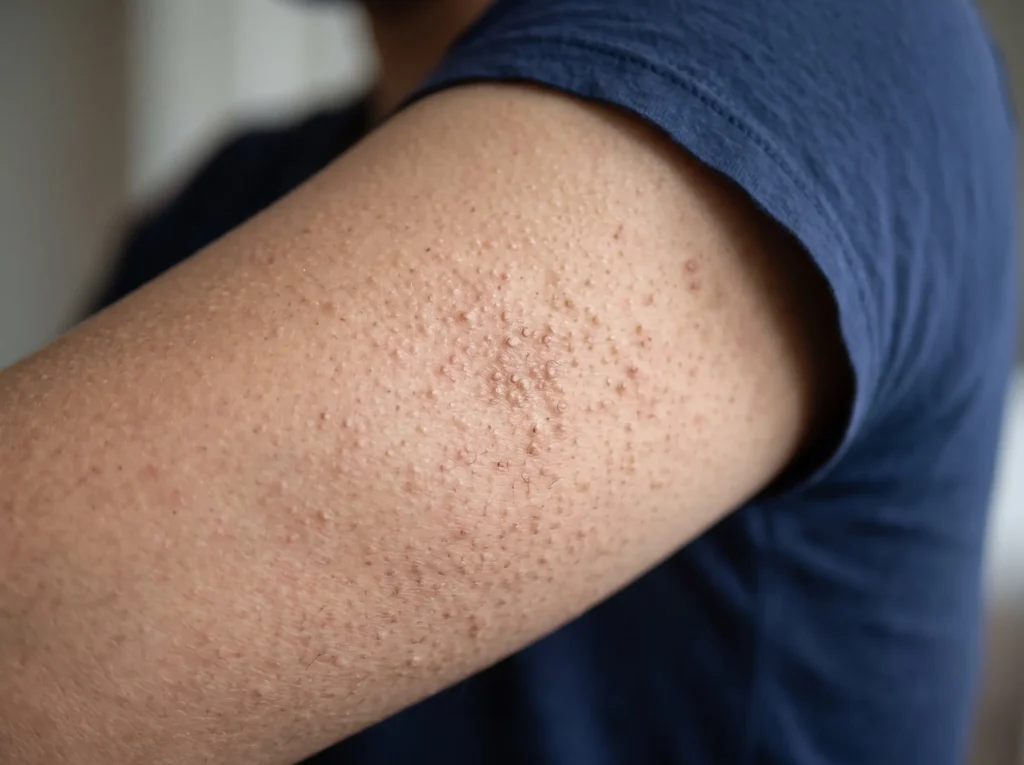
Small, rough bumps scattered across the upper arms, sometimes the thighs, that don’t seem to respond to regular lotion. If that sounds familiar, you may be dealing with keratosis pilaris, commonly nicknamed “chicken skin” for its slightly textured, goosebump-like appearance. It’s an incredibly common skin condition, affecting a significant portion of the population to varying degrees, and while it’s harmless, it’s understandably something many people want to manage.
The tricky part is that keratosis pilaris doesn’t have a permanent cure, and a lot of the advice online focuses on temporary fixes rather than explaining what’s actually happening or how to realistically manage it long term.
This guide breaks down what keratosis pilaris actually is, what tends to make it better or worse, and practical, evidence-based ways to help smooth its appearance over time.
What Is Keratosis Pilaris?
Keratosis pilaris occurs when keratin, a protein that protects skin, builds up and forms small plugs within hair follicles. This buildup creates the characteristic small, rough bumps, sometimes accompanied by mild redness, most commonly found on the upper arms, thighs, and sometimes cheeks.
It’s considered a common, genetically influenced skin condition rather than something caused by poor hygiene or skincare habits. It often becomes more noticeable during colder, drier months and may improve somewhat with age, though this varies significantly from person to person.
What Makes Keratosis Pilaris Better or Worse
Dry Skin and Cold Weather
Keratosis pilaris often appears more pronounced when skin is dry, which is why many people notice it worsening in winter months or dry climates.
Skincare Routine
Harsh, drying soaps or infrequent moisturizing can make keratosis pilaris more noticeable, while a consistent, gentle routine with regular exfoliation and hydration tends to help manage its appearance.
Genetics
Keratosis pilaris often runs in families and is frequently associated with other conditions like eczema or generally dry skin, suggesting a genetic component to who develops it and how pronounced it becomes.
Friction and Irritation
Tight clothing or frequent friction against affected areas can sometimes aggravate keratosis pilaris, making bumps more noticeable or occasionally slightly inflamed.
How to Manage Keratosis Pilaris: A Practical Routine
While there’s no permanent cure, a consistent routine can meaningfully improve the look and feel of affected skin over time.
Step 1: Gentle, Regular Exfoliation
Regular exfoliation helps clear some of the keratin buildup contributing to the bumpy texture. Chemical exfoliants, particularly those with lactic acid, glycolic acid, or salicylic acid, are generally more effective and gentler than harsh physical scrubbing. Our guide to the best body scrubs and exfoliators covers several options well suited to keratosis pilaris specifically.
Step 2: Consistent Moisturizing
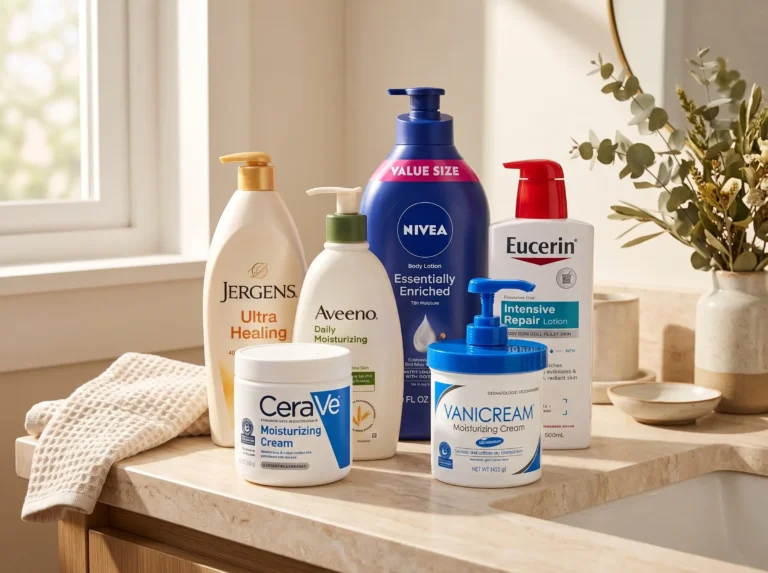
Since dry skin tends to make keratosis pilaris more noticeable, a rich, barrier-supporting moisturizer applied daily, ideally right after showering, is one of the most important parts of any management routine.
Step 3: Avoid Harsh Soaps
Switching to a gentle, moisturizing body wash instead of a drying, heavily fragranced soap can help prevent the skin from becoming drier and more prone to visible bumps.
Step 4: Be Consistent, Not Aggressive
Keratosis pilaris responds better to gentle, ongoing care than aggressive, infrequent treatment. Daily gentle care tends to outperform harsh scrubbing done only occasionally.
Step 5: Manage Expectations
Improvement is typically gradual, often taking several weeks to months of consistent care, and complete resolution isn’t always realistic. The goal for most people is meaningfully smoother, less noticeable skin rather than complete elimination.
Product Recommendations for Keratosis Pilaris
AmLactin Daily Moisturizing Lotion is one of the most frequently recommended options, combining lactic acid exfoliation with moisturizing benefits in a single, easy daily step.
First Aid Beauty KP Bump Eraser Body Scrub combines physical exfoliation with chemical exfoliants specifically formulated for keratosis pilaris.
CeraVe SA Smoothing Cream pairs salicylic acid exfoliation with ceramides, aiming to smooth texture while still supporting the skin barrier.
Eucerin Roughness Relief Lotion offers a gentle, urea-based option, another exfoliating ingredient commonly used to help soften rough, bumpy skin.
Paula’s Choice 2% BHA Liquid Exfoliant can be applied to affected areas as a leave-on chemical exfoliant, particularly for those who prefer a liquid over a lotion-based product.
When to See a Dermatologist
While most keratosis pilaris can be managed at home, it’s worth seeing a dermatologist if:
- Bumps are accompanied by significant redness, inflammation, or discomfort
- Over-the-counter approaches haven’t shown improvement after several months of consistent use
- You’re interested in in-office treatments, such as prescription-strength topical retinoids or certain laser treatments, which can offer more significant improvement in some cases
- You’re unsure whether what you’re seeing is actually keratosis pilaris or a different skin condition
Frequently Asked Questions
What causes keratosis pilaris?
Keratosis pilaris occurs when keratin builds up and forms small plugs within hair follicles, creating small, rough bumps. It has a genetic component and is often associated with generally dry skin.
Can keratosis pilaris be cured permanently?
There’s currently no permanent cure for keratosis pilaris, though consistent exfoliation and moisturizing can significantly improve its appearance and texture over time.
Does keratosis pilaris go away with age?
For many people, keratosis pilaris becomes less noticeable with age, though this varies significantly and isn’t guaranteed for everyone.
What ingredients help with keratosis pilaris?
Lactic acid, glycolic acid, salicylic acid, and urea are among the most commonly recommended ingredients for managing keratosis pilaris, thanks to their exfoliating properties.
Is keratosis pilaris the same as acne?
No. While both involve follicles, keratosis pilaris is caused by keratin buildup rather than the oil and bacteria typically associated with acne.
Can diet affect keratosis pilaris?
There’s limited strong evidence connecting specific dietary changes to keratosis pilaris improvement, though general skin health can be influenced by hydration and overall nutrition.
Should you pick or scratch at keratosis pilaris bumps?
No. Picking or scratching can lead to irritation, scarring, or infection, and won’t resolve the underlying keratin buildup.
How long does it take to see improvement in keratosis pilaris?
Most people notice gradual improvement over four to eight weeks of consistent exfoliation and moisturizing, with continued improvement over several months.
Final Thoughts
Keratosis pilaris is extremely common and, while it can’t be permanently cured, it responds well to a consistent, gentle routine focused on regular exfoliation and moisturizing. Patience matters here. Visible improvement tends to build gradually rather than happening overnight, but for most people, consistent care makes a real, noticeable difference in how skin looks and feels.