Disclosure: This article contains affiliate links. If you purchase a product through one of these links, we may earn a commission at no additional cost to you.

How to Build an Anti-Aging Routine That’s Gentle on Sensitive Skin

Finding the balance between “effective” and “gentle” is the holy grail of skincare. If you have sensitive skin, the quest for a more youthful complexion can often feel like a minefield. Many of the most celebrated anti-aging ingredients-like high-strength retinoids and potent alpha-hydroxy acids-are notorious for causing redness, peeling, and discomfort.
However, having reactive skin doesn’t mean you have to skip the anti-aging benefits. It simply means you need a different strategy. By focusing on supporting your skin barrier and choosing the right delivery systems for active ingredients, you can achieve a glowing, firmer-looking complexion without the irritation.
In this guide, we will walk you through the perfect anti-aging skincare routine for sensitive skin, focusing on a “slow and steady” approach that yields long-term results.
What Makes Sensitive Skin Different?
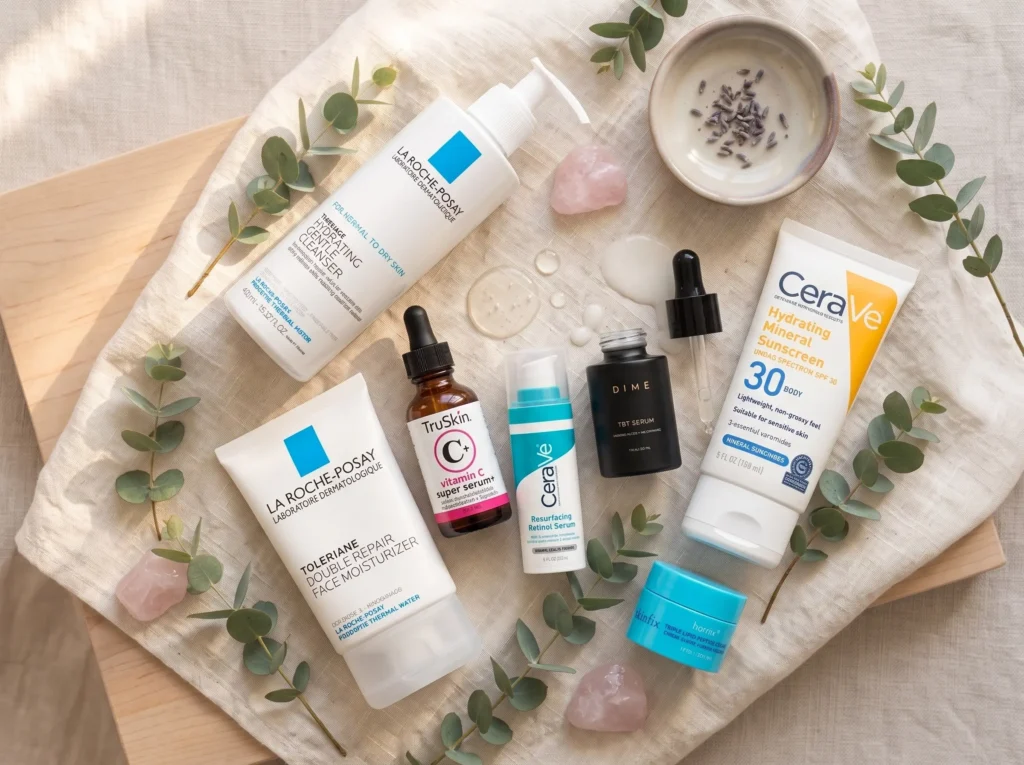
Before we dive into the products, it is important to understand why your skin reacts the way it does. Sensitive skin is not a single diagnosis but rather a description of skin that is more prone to inflammation and irritation.
A Compromised Skin Barrier
At the heart of most sensitivity issues is a weakened or compromised skin barrier. Think of your skin barrier (the stratum corneum) as a brick wall. The “bricks” are your skin cells, and the “mortar” is made of lipids like ceramides and fatty acids. When this wall is strong, it keeps moisture in and irritants out. When it is weak, moisture escapes (leading to dryness), and external triggers can easily penetrate the skin, causing redness and stinging.
Hyper-Reactivity
Sensitive skin often reacts to ingredients that others might tolerate easily. This could be due to genetics, environmental factors, or even a history of over-using harsh products. When you apply a strong anti-aging active to a reactive base, the skin’s immune response kicks into overdrive, leading to “inflammaging”—a process where chronic, low-grade inflammation actually accelerates the aging process.
Dryness and Texture
Sensitive skin is frequently accompanied by dryness. Fine lines often appear more prominent on dry skin, meaning that a large part of your anti-aging routine for sensitive skin should focus on deep hydration to plump the skin and smooth out the appearance of wrinkles.
The Golden Rules of Anti-Aging Skincare for Sensitive Skin
If you want to prevent premature skin aging without causing a flare-up, follow these fundamental principles:
- Keep the Routine Simple: You do not need a 12-step routine. In fact, the more products you layer, the higher the chance of an ingredient interaction that irritates your skin.
- Introduce Products Gradually: Never start three new products at once. Introduce one new formula every two weeks so you can monitor how your skin reacts.
- Prioritize the Skin Barrier: An anti-aging routine is only as good as the skin it’s applied to. If your skin is currently red or peeling, stop all actives and focus on barrier repair first.
- Avoid Over-Exfoliation: While shedding dead skin cells is important for a glow, sensitive skin rarely needs daily exfoliation. Once or twice a week is usually sufficient.
- Patch Test Everything: Apply a small amount of a new product to your inner forearm or behind the ear for 48 hours before applying it to your entire face.
- Don’t Combine Too Many Actives: Avoid using Vitamin C, Retinol, and Acids all in the same session. Space them out between your morning and evening routines.
The Perfect Morning Anti-Aging Routine for Sensitive Skin
The goal of your morning skincare routine for sensitive skin is protection. You want to shield your skin from environmental aggressors like UV rays and pollution, which are the primary causes of premature aging.
Step 1: Gentle Cleanser
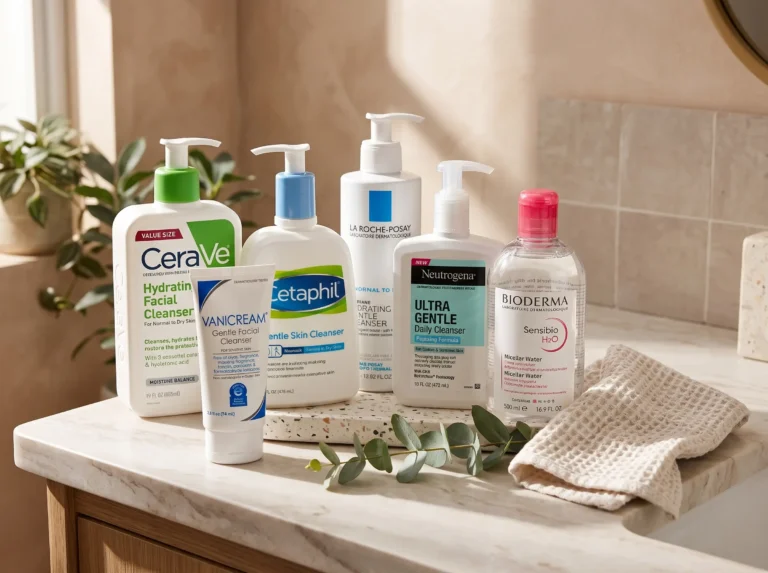
Start with a non-foaming, sulfate-free cleanser. You want to remove any sweat or oils from the night without stripping away your natural lipids. Look for “creamy” or “milky” textures that leave the skin feeling soft rather than tight.
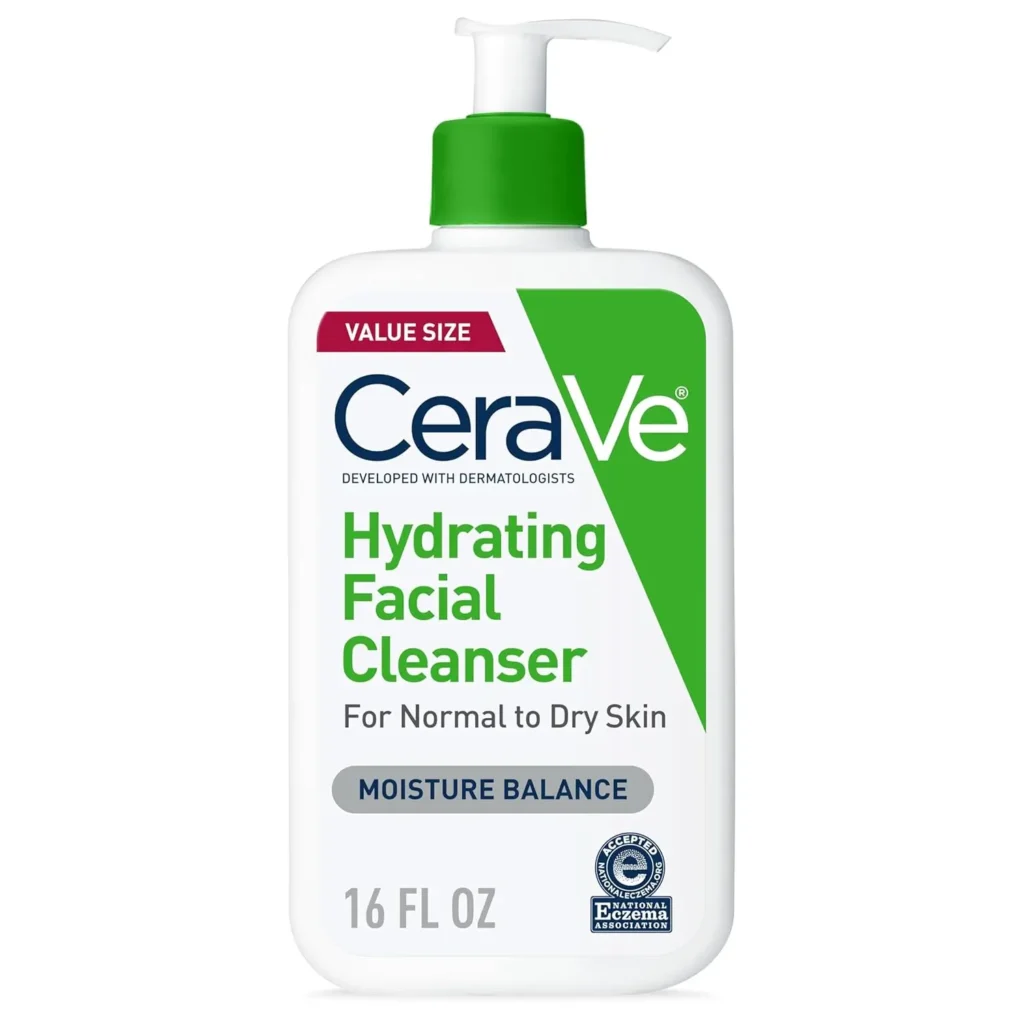
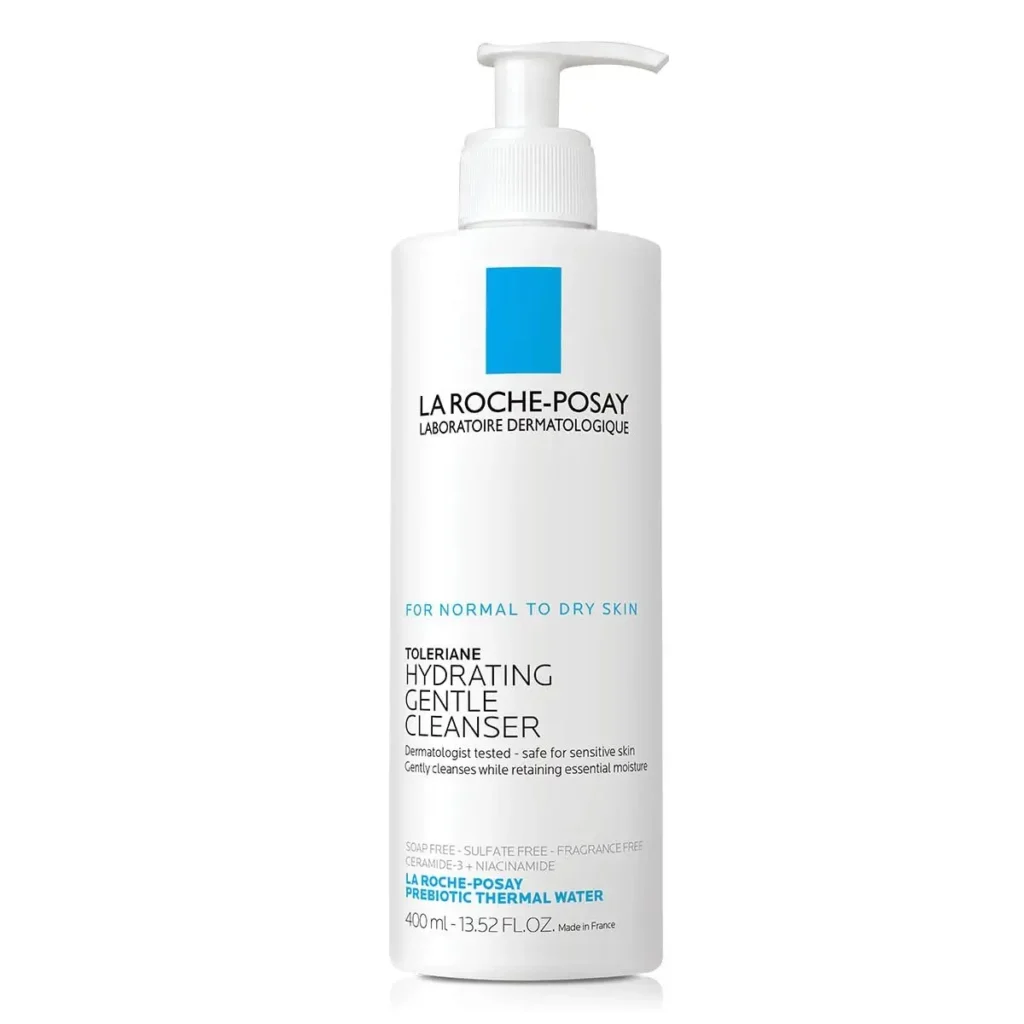
La Roche-Posay Toleriane Hydrating Gentle Face Wash
A cult favorite with ceramides and hyaluronic acid.
Step 2: Hydrating Serum (Optional)
Apply a serum containing hyaluronic acid or glycerin to damp skin. These humectants pull moisture into the skin, instantly plumping fine lines and providing a “cushion” for the steps that follow.
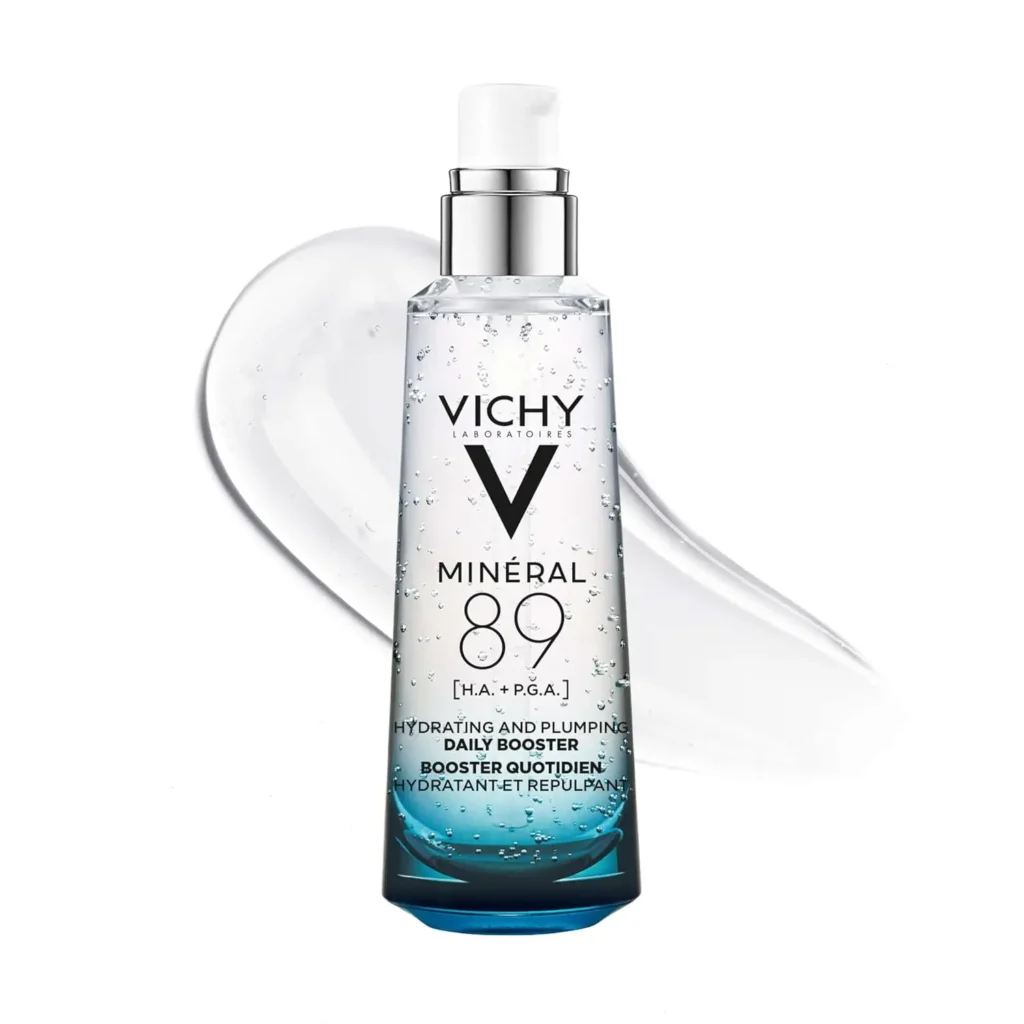
Vichy Minéral 89 Hyaluronic Acid Booster
Contains only 11 ingredients; fragrance-free and ultra-pure.

Aveeno Calm + Restore Triple Oat Serum
Specifically for sensitive, irritated skin.
Step 3: Antioxidant Serum
Antioxidants are essential for gentle anti-aging skincare. They neutralize free radicals from the sun and pollution. While pure L-ascorbic acid (Vitamin C) can be irritating, look for stable derivatives like Sodium Ascorbyl Phosphate or Tetrahexyldecyl Ascorbate. These offer the same brightening and firming benefits with a much lower risk of stinging.
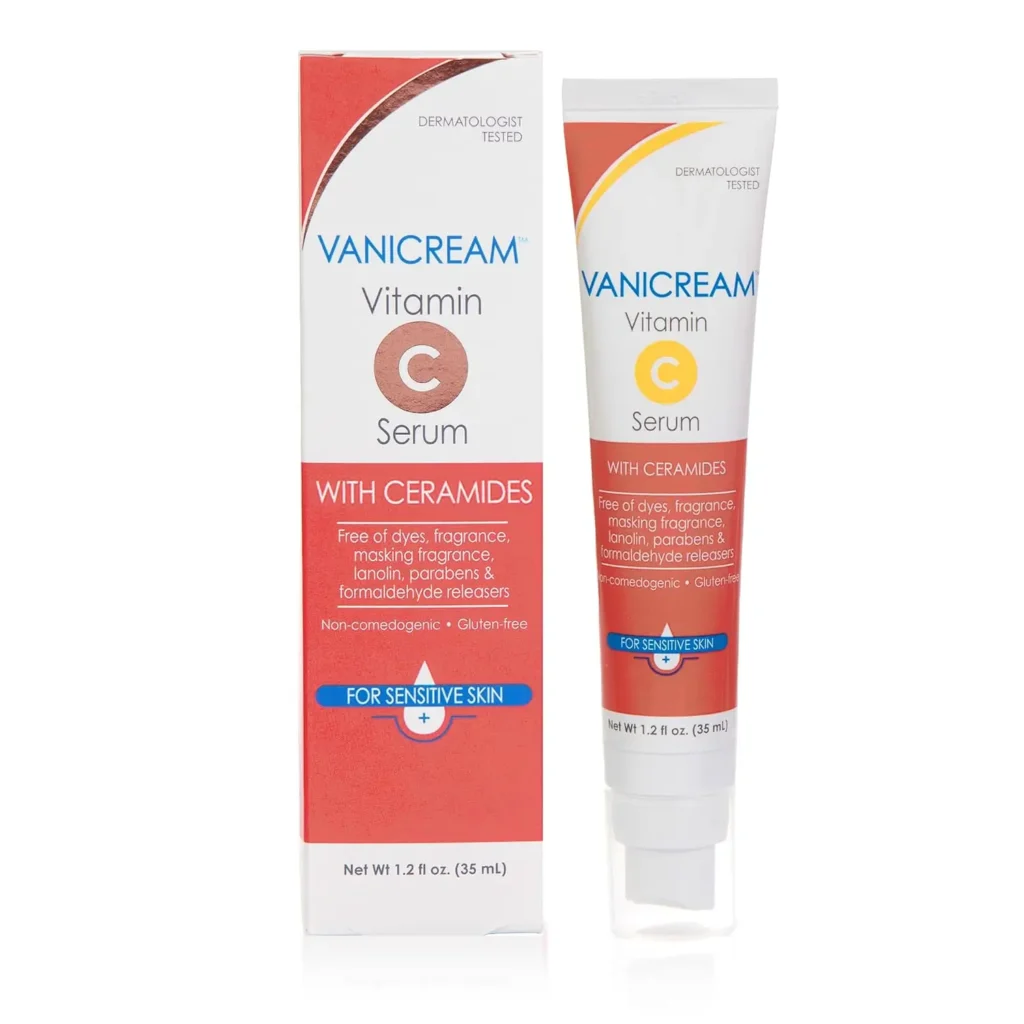
Vanicream Vitamin C Serum
Created for the most sensitive skin; no dyes, fragrances, or botanical oils.
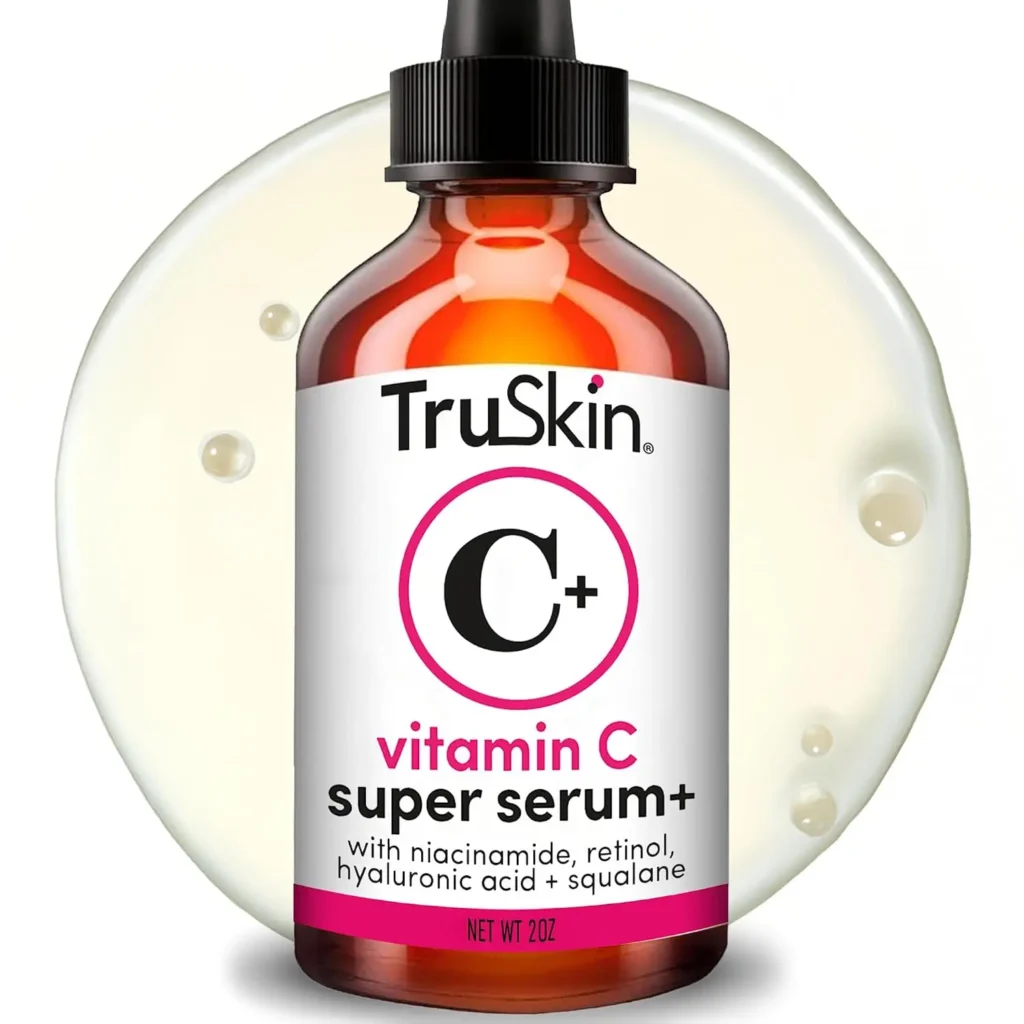
TruSkin Vitamin C Serum
An Amazon best-seller that uses a gentler Vitamin C derivative (Sodium Ascorbyl Phosphate).
Step 4: Gentle Moisturizer
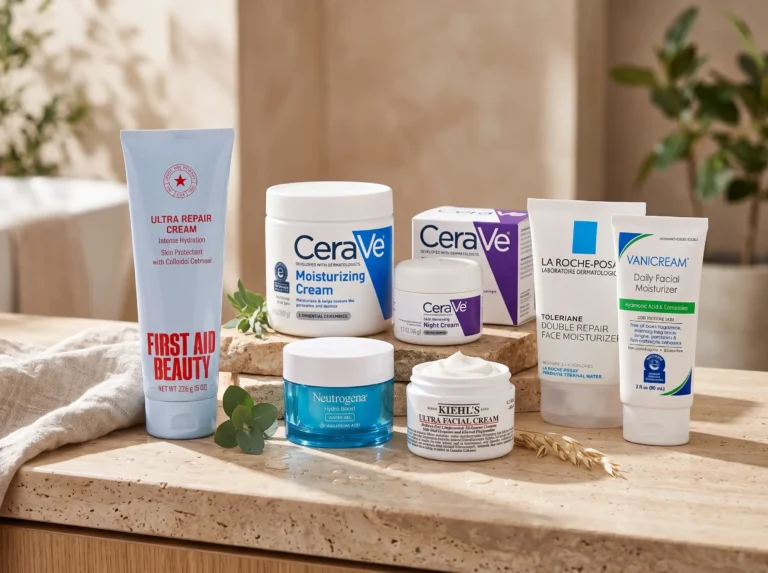
Even if you have oily-sensitive skin, a moisturizer is key to sealing in hydration. Look for a sensitive skin moisturizer that contains ceramides or cholesterol to reinforce the skin barrier throughout the day.
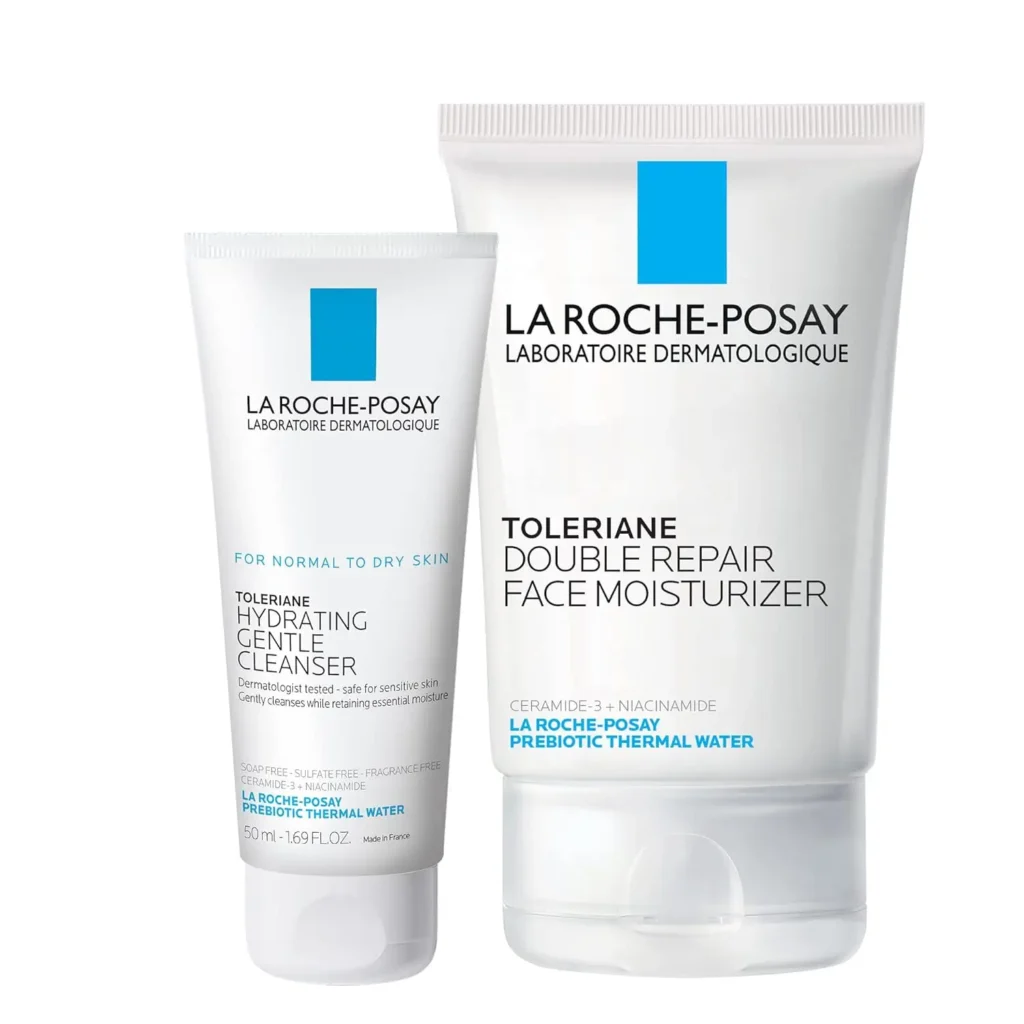
La Roche-Posay Toleriane Double Repair Face Moisturizer
Contains Niacinamide to soothe redness.
Step 5: Broad-Spectrum SPF 30 or Higher
Sunscreen is the most effective anti-aging product in existence. For sensitive skin, mineral (physical) sunscreens containing Zinc Oxide or Titanium Dioxide are often preferred, as they sit on top of the skin rather than being absorbed, making them less likely to cause a reaction.
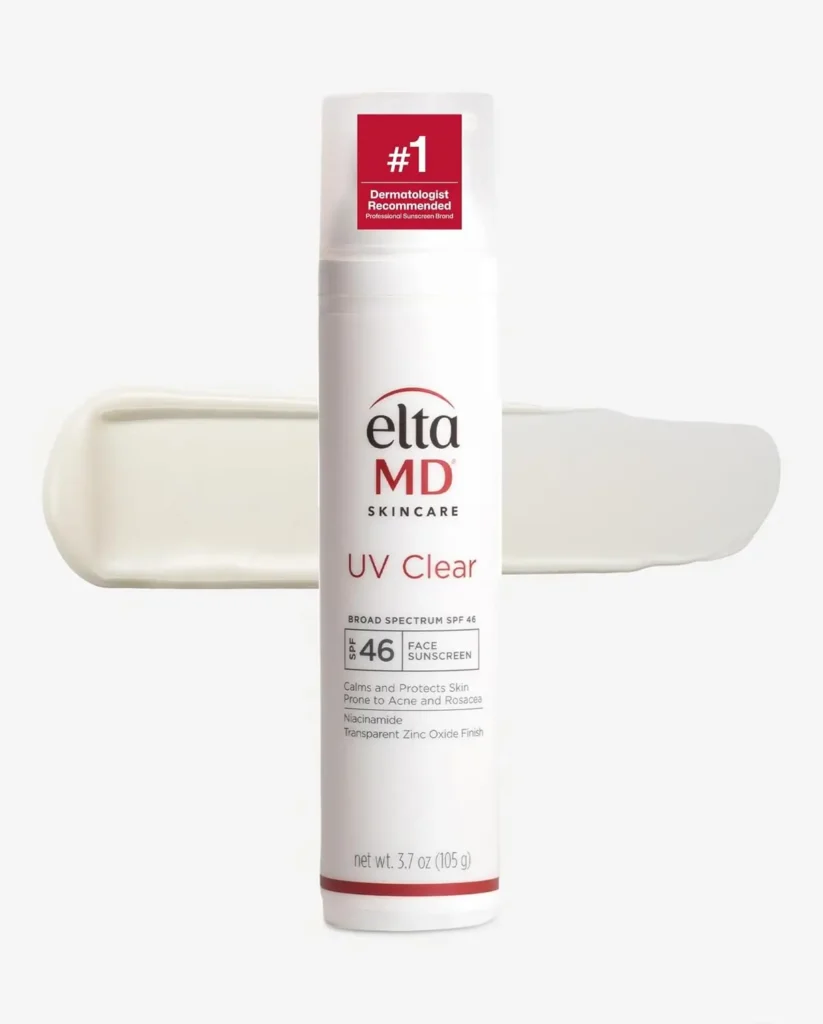
EltaMD UV Clear Broad-Spectrum SPF 46
dermatologist-recommended mineral-based sunscreen for sensitive skin.
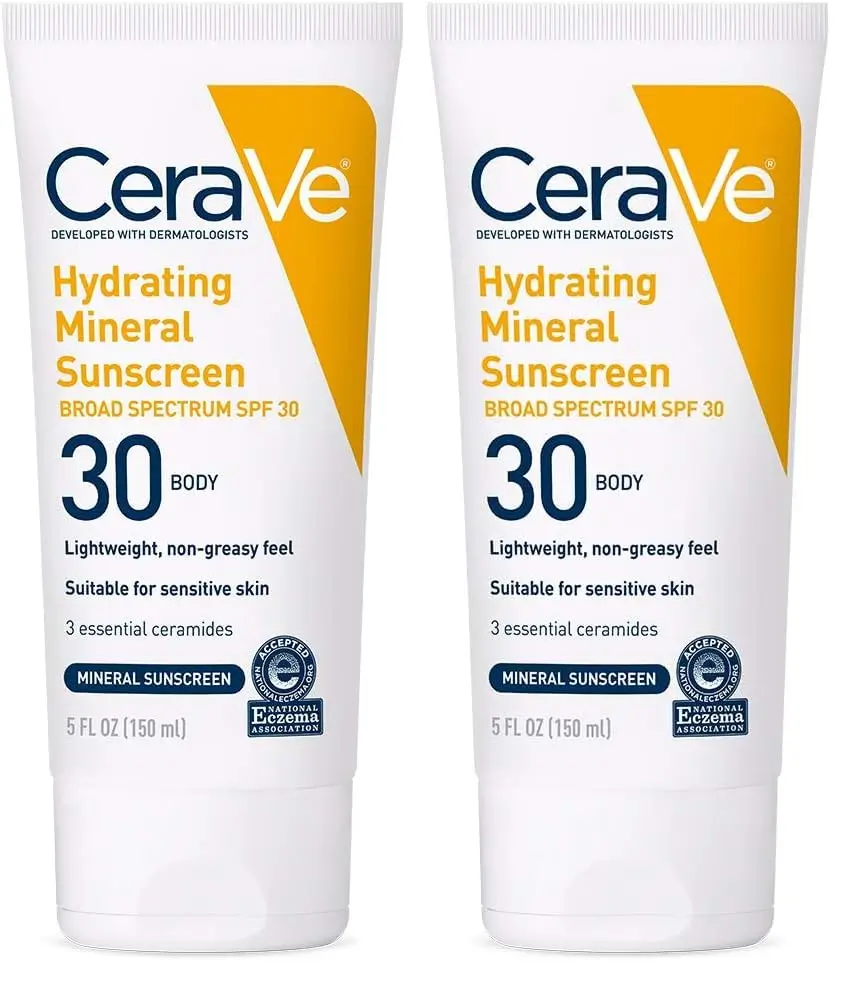
CeraVe 100% Mineral Sunscreen SPF 30
A great budget-friendly mineral option.
The Perfect Nighttime Anti-Aging Routine for Sensitive Skin
Your nighttime skincare routine for sensitive skin is focused on repair. This is when the skin does its most heavy-duty work, and it’s the best time to introduce your “treatment” steps.
Step 1: Gentle Cleansing
Ensure you remove all sunscreen and pollutants from the day. If you wear makeup, a fragrance-free cleansing balm followed by your gentle cream cleanser (the “double cleanse” method) can be very effective and gentle.
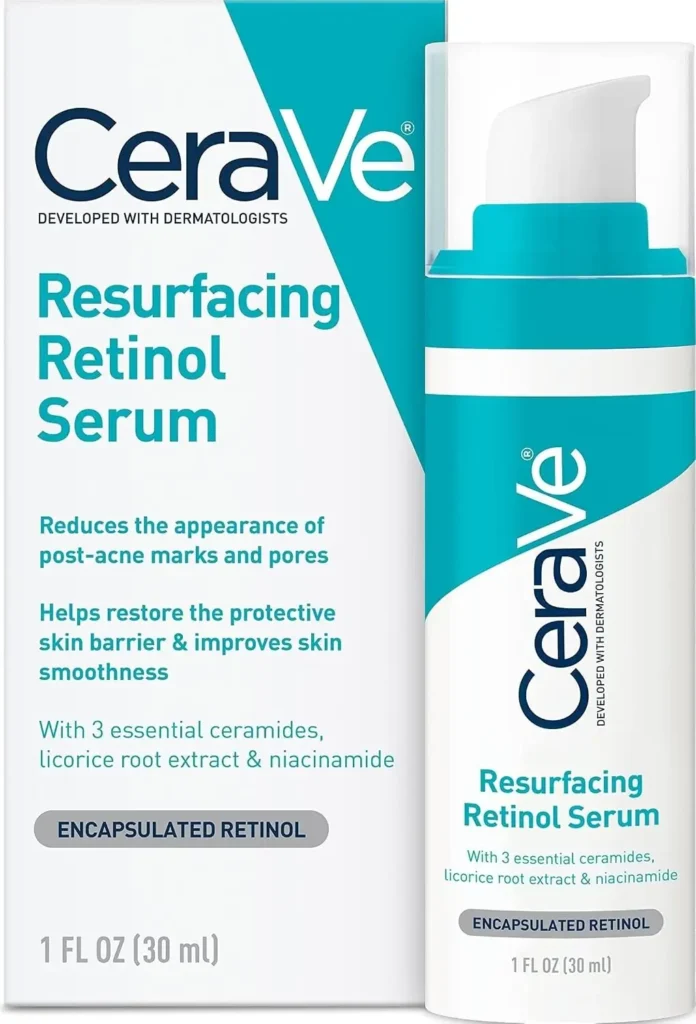
CeraVe Resurfacing Retinol Serum
Uses encapsulated retinol for slow release, reducing irritation.
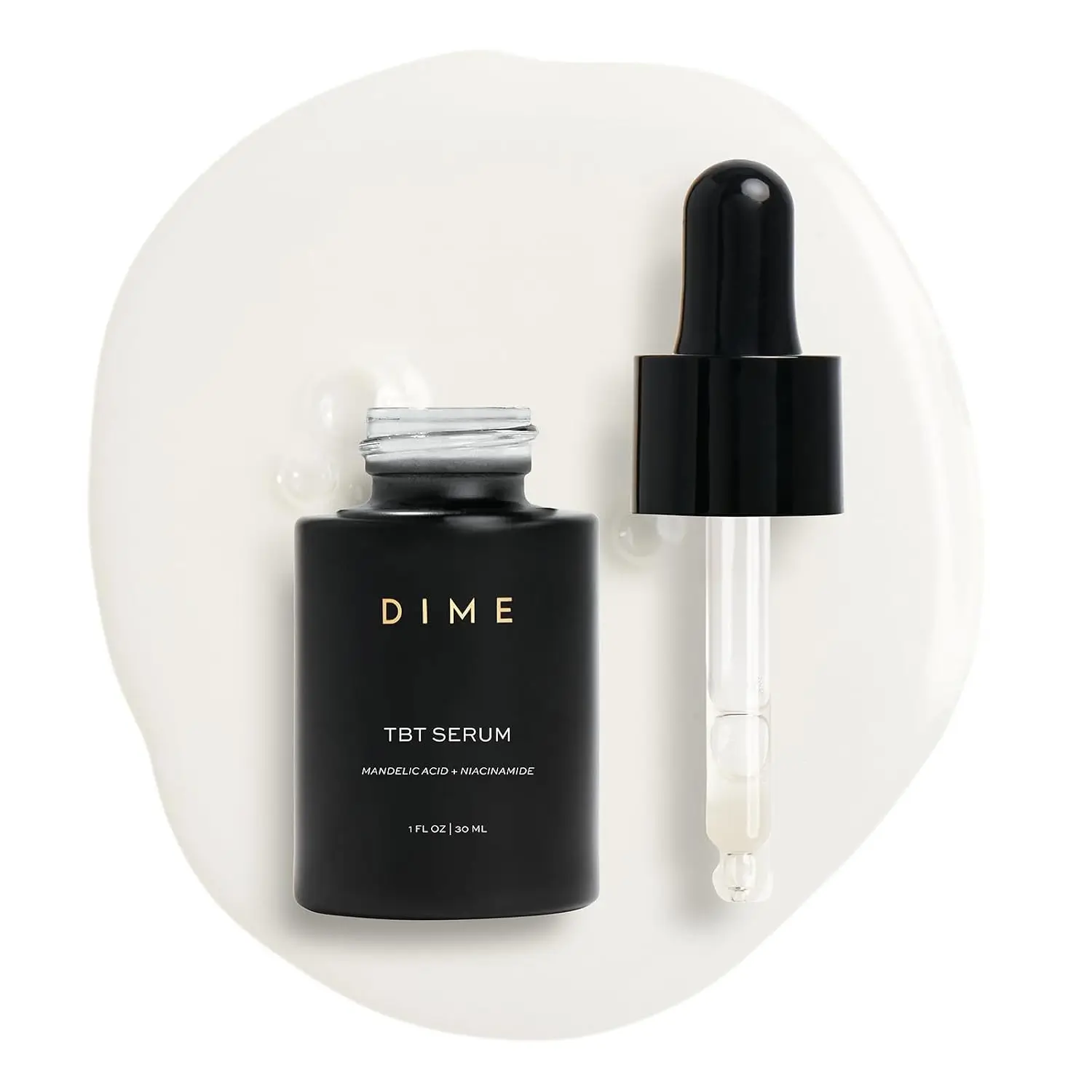
DIME Beauty TBT Serum (Bakuchiol)
The best-rated natural retinol alternative for those who cannot tolerate Vitamin A.
Step 2: Hydrating Serum
Again, replenishing moisture is vital. This prepares the skin for your active treatment.
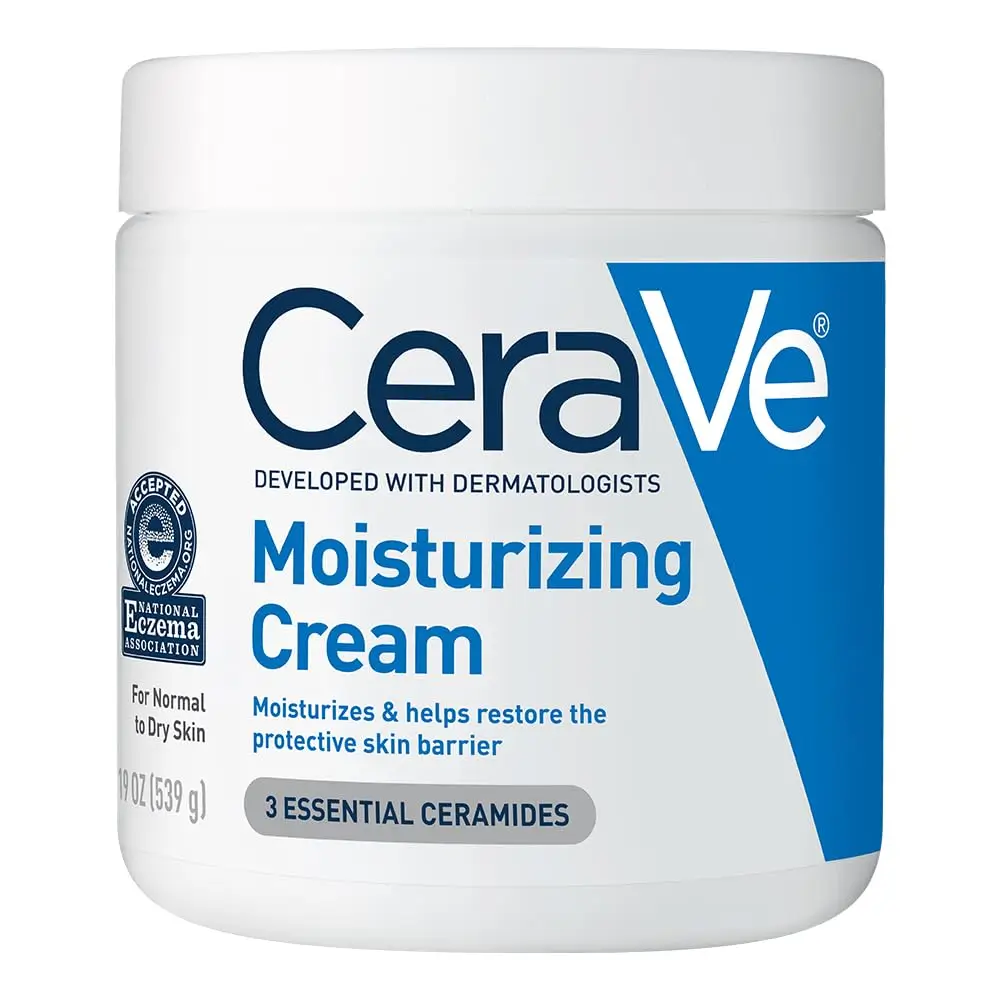
CeraVe Moisturizing Cream
Essential for “sandwiching” retinol to prevent peeling.
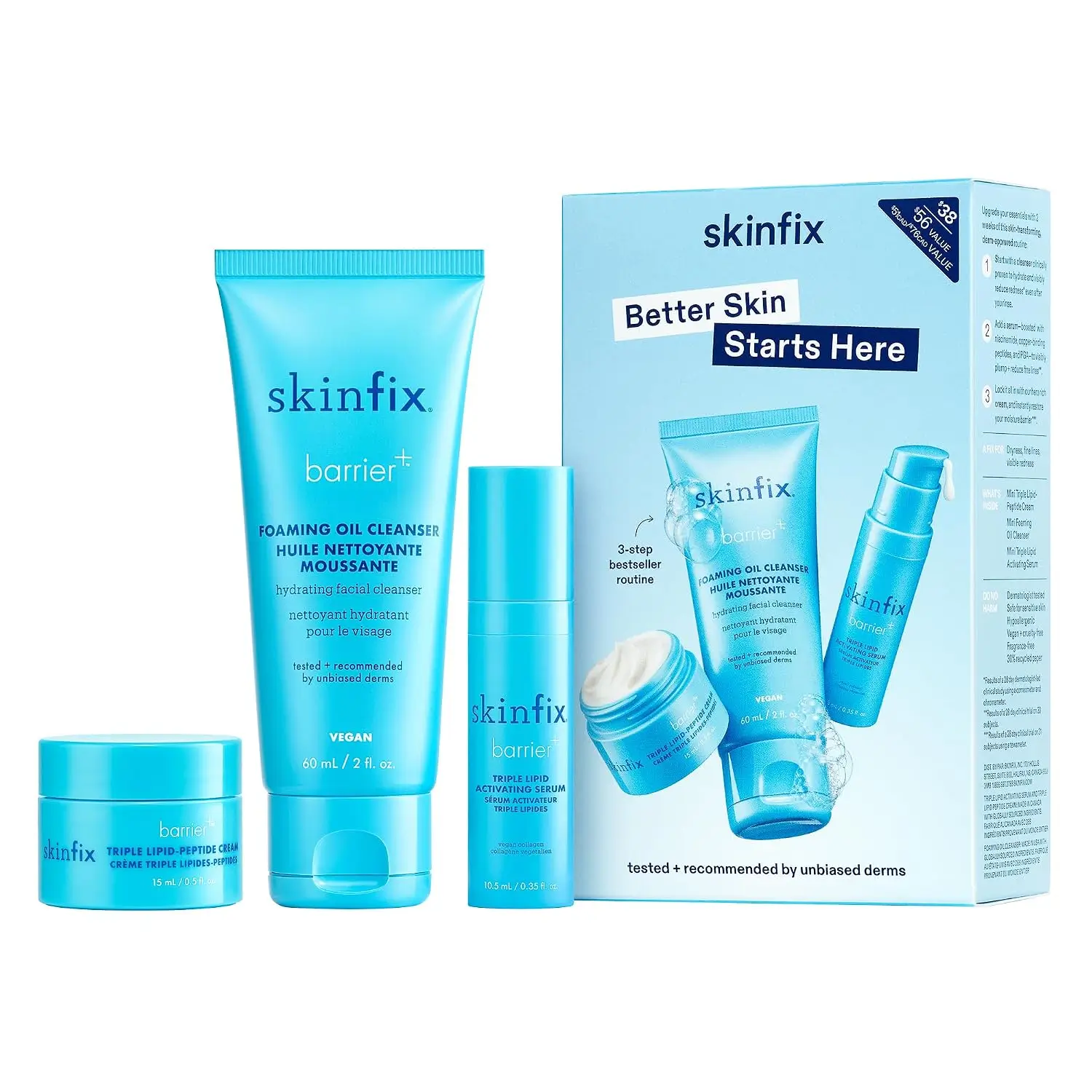
Skinfix Barrier+ Lipid-Peptide Cream
High-performance barrier repair for mature skin.
Step 3: Retinoid or Gentle Alternative
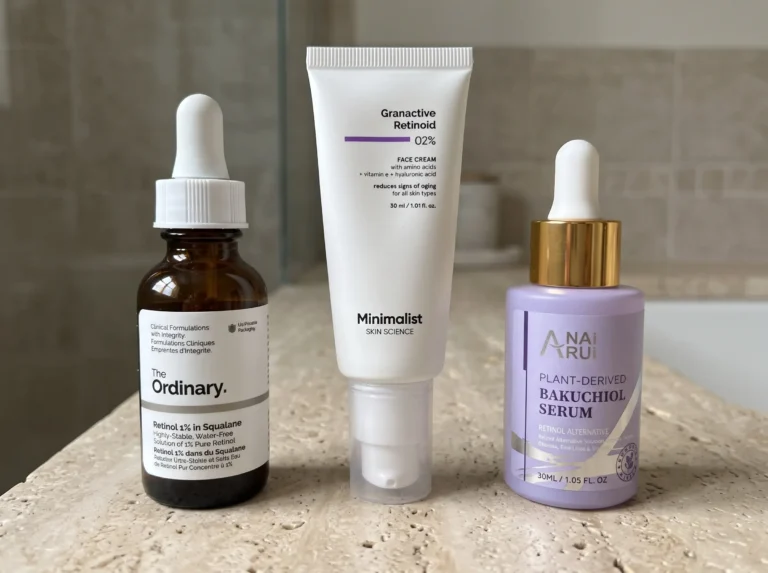
This is the “active” step. Retinol for sensitive skin should be approached with caution. Start with a very low concentration (0.01% to 0.1%) or a “granactive” retinoid. Alternatively, consider Bakuchiol—a plant-based ingredient that offers similar collagen-supporting benefits to retinol without the irritation.
Step 4: Barrier-Supporting Moisturizer
Finish with a slightly richer cream than you used in the morning. Ingredients like allantoin, bisabolol, and colloidal oatmeal can help soothe any potential irritation from the treatment step.
Step 5: Optional Barrier Oil or Balm
If your skin is particularly dry or mature, a final layer of a simple, non-fragranced oil (like Squalane) can “slug” the skin, preventing transepidermal water loss overnight.
Best Anti-Aging Ingredients for Sensitive Skin
When shopping for anti-aging products for sensitive skin, look for these proven ingredients that provide results with a gentle touch:
- Hyaluronic Acid: A humectant that holds 1000x its weight in water. It’s universally tolerated and excellent for plumping skin.
- Ceramides: These are lipids naturally found in the skin. They are essential for a healthy skin barrier and are non-irritating.
- Niacinamide (Vitamin B3): A powerhouse ingredient that helps with redness, pore size, and fine lines while actually strengthening the skin barrier.
- Peptides: These act as “messengers,” telling your skin to produce more collagen. They are generally very large molecules that don’t cause irritation.
- Bakuchiol: Often called “Nature’s Retinol,” it helps with cell turnover and skin elasticity without the peeling associated with traditional retinoids.
- Azelaic Acid: Excellent for sensitive skin with redness (rosacea-prone). It gently exfoliates and evens out skin tone.
- Glycerin: A classic, simple humectant that is often more effective and less irritating than many modern alternatives.
Ingredients That May Irritate Sensitive Skin
Knowing what to avoid is just as important as knowing what to use. Sensitivities vary, but many people with reactive skin should be cautious with:
- High-Strength Glycolic Acid: This is a small-molecule AHA that penetrates deeply and can cause significant stinging.
- Pure L-Ascorbic Acid at Low pH: While effective, the high acidity required for stability can be too much for a compromised barrier.
- Synthetic Fragrance & Essential Oils: These are among the most common causes of contact dermatitis. Look for “fragrance-free” rather than just “unscented.”
- Denatured Alcohol: Often used to make products feel “light,” it can be incredibly drying and irritating over time.
- High-Strength Tretinoin: While the gold standard for aging, it often requires a long “purging” and irritation phase that sensitive skin may not recover from easily.
What to Look for When Choosing Anti-Aging Products for Sensitive Skin
When you’re browsing the aisles or shopping online, keep these criteria in mind to ensure you’re getting the best anti-aging skincare for sensitive skin:
- Fragrance-Free Labels: Ensure the product contains no added perfumes or aromatic plant extracts like lavender or lemon oil.
- Dermatologist-Tested: Look for products that have been clinically tested on sensitive skin cohorts.
- Airless Pump Packaging: This keeps the ingredients (especially antioxidants) stable and prevents the need for high amounts of irritating preservatives.
- Short Ingredient Lists: The fewer the ingredients, the lower the risk of a reaction.
- Calming “Extras”: Ingredients like Centella Asiatica (Cica), Madecassoside, or Panthenol (Vitamin B5) show that the brand has considered skin soothing.
How to Introduce Anti-Aging Products Without Irritating Your Skin
The “Slow and Steady” method is the only way to introduce anti-aging routine for sensitive skin actives.
- The Two-Week Rule: Add only one new product every 14 days. If your skin reacts, you’ll know exactly which product caused it.
- The Sandwich Technique: If you are using a retinol, apply a layer of moisturizer first, then the retinol, then another layer of moisturizer. This buffers the active ingredient and slows its penetration, making it much gentler.
- The “Short Contact” Method: If your skin is very reactive, apply your active (like a gentle acid or retinol), leave it on for 15–30 minutes, and then wash it off. You still get some benefits without the overnight irritation.
- Frequency over Strength: It is better to use a low-strength product 3 times a week consistently than to use a high-strength product once, get a chemical burn, and have to stop for a month.
Anti-Aging Skincare Routine by Skin Type
While all these routines are for sensitive skin, your base skin type (oily vs. dry) will dictate the textures you choose.
Dry and Sensitive Skin
Focus on “lipid-replenishing” products. Use cream cleansers and rich, buttery moisturizers containing shea butter or ceramides. Avoid any gel-based cleansers that might strip the skin.
Oily and Sensitive Skin
Look for “oil-free” but “hydrating” formulas. A lightweight gel-cream moisturizer is your best friend. Niacinamide is particularly good here as it helps regulate oil while being soothing.
Combination and Sensitive Skin
Multi-masking or “zonal” moisturizing can help. Use a lighter lotion on the T-zone and a richer cream on the cheeks.
Mature and Sensitive Skin
As we age, our skin produces fewer natural oils. Focus on skincare routine for mature sensitive skin that emphasizes “pro-age” ingredients like peptides and high-quality fatty acids to restore the skin’s bounce and glow.
Common Mistakes to Avoid
- Using Too Many Products: Complexity is the enemy of sensitivity. Stick to the basics.
- Exfoliating Too Often: Scrubbing your face or using acids daily can “sand” down your skin barrier.
- Starting Retinol Every Night: This is the fastest way to get “retinol burn.” Start twice a week.
- Skipping Moisturizer: Even if your skin feels “fine,” the moisturizer is what locks in your treatments and protects your barrier.
- Forgetting Sunscreen: All your anti-aging efforts are wasted if the sun is causing new damage every day.
- Ignoring Persistent Irritation: A little “tingle” might be okay, but if your skin is red, hot, or itchy for more than a few minutes, wash the product off.
How Long Does It Take to See Results?
In a world of “overnight transformations,” it’s important to be realistic. Skin cells take roughly 28 to 40 days to turn over, and this process slows down as we age.
- Hydration/Plumping: Instant to 48 hours.
- Brightness/Glow: 2 to 4 weeks.
- Fine Lines/Wrinkles: 12 to 24 weeks of consistent use.
- Firmness/Elasticity: 6 months or more.
Patience is your greatest ally in gentle anti-aging skincare.
A Simple Weekly Routine
Here is how you can structure your week to balance anti-aging treatments with skin recovery:
- Monday: AM Protection / PM Gentle Hydration + Retinol (Sandwich Method)
- Tuesday: AM Protection / PM Recovery (No actives, just hydration and barrier cream)
- Wednesday: AM Protection / PM Recovery
- Thursday: AM Protection / PM Gentle Hydration + Retinol
- Friday: AM Protection / PM Recovery
- Saturday: AM Protection / PM Gentle Exfoliation (e.g., Lactic Acid or PHA)
- Sunday: AM Protection / PM Deep Recovery (Hydrating mask or facial oil)
Frequently Asked Questions
What is the best anti-aging routine for sensitive skin?
The best routine is one that focuses on hydration, sun protection, and a very gentle active ingredient like Bakuchiol or a low-strength, encapsulated retinol, used no more than 2-3 times a week.
Can sensitive skin use retinol?
Yes, but with caution. Look for “encapsulated” retinol, which releases the ingredient slowly over hours, or “retinyl palmitate,” which is a gentler derivative. Always use the “sandwich method” to buffer.
How often should sensitive skin use retinol?
Start with twice a week (e.g., Monday and Thursday). If your skin shows no redness after two weeks, you can try every other night.
Is vitamin C good for sensitive skin?
It can be, but many people react to pure Ascorbic Acid. Opt for Vitamin C derivatives like Magnesium Ascorbyl Phosphate (MAP) or Tetrahexyldecyl Ascorbate, which are less acidic and more stable.
What moisturizer is best for sensitive mature skin?
Look for a sensitive skin moisturizer rich in ceramides, fatty acids, and cholesterol. These “skin-identical” lipids help replenish the moisture that mature skin naturally loses.
Should sensitive skin exfoliate?
Yes, but avoid physical scrubs with jagged particles (like walnut shells). Instead, use a PHA (polyhydroxy acid) which has a larger molecule size and exfoliates the surface without penetrating too deeply.
Is sunscreen really necessary for anti-aging skincare?
Absolutely. Up to 80% of visible skin aging is caused by UV exposure. Without sunscreen, any anti-aging treatment you use is essentially fighting a losing battle.
Can I use multiple anti-aging ingredients together?
It is best not to. For sensitive skin, use your Vitamin C in the morning and your Retinol or Peptides at night. Layering too many actives at once increases the risk of a reaction.
Conclusion
Building an anti-aging skincare routine for sensitive skin does not have to be a source of anxiety. By shifting your mindset from “aggressive treatment” to “gentle support,” you can achieve beautiful results while keeping your skin calm and comfortable.
The key takeaways are simple: prioritize your skin barrier, introduce new products slowly, and never skip your sunscreen. Remember, consistency is far more effective than intensity. A gentle routine that you can stick to every day will always outperform a harsh routine that leaves your skin too irritated to continue.
Note: If you experience persistent redness, burning, or skin peeling that does not resolve within a few days, stop using your active products and consult a dermatologist or healthcare professional.