Disclosure: This article contains affiliate links. If you purchase a product through one of these links, we may earn a commission at no additional cost to you.

The Best Retinol Creams for Beginners

Retinol has a reputation, and not always a friendly one. Between warnings about peeling skin, redness, and the dreaded “retinol purge,” it’s easy to feel intimidated before you’ve even opened the jar. But retinol remains one of the most well-studied ingredients in skincare, and when introduced the right way, it doesn’t have to mean weeks of irritation.
The key for beginners isn’t avoiding retinol altogether. It’s choosing the right formula, one that’s gentle enough to let your skin adjust, and using it correctly from the start.
In this guide, we’re rounding up some of the best retinol creams for beginners, along with practical tips for easing into retinol without overwhelming your skin barrier.
What to Look for in a Beginner-Friendly Retinol Cream
Not every retinol product is created with beginners in mind. Here’s what tends to make the biggest difference.
Retinol Concentration
Beginner formulas typically start low, often between 0.1% and 0.3% retinol, or use encapsulated retinol that releases more slowly into the skin. Starting low gives your skin time to build tolerance before you consider moving up.
Supportive, Barrier-Friendly Ingredients
Look for formulas that pair retinol with hydrating or soothing ingredients like ceramides, niacinamide, glycerin, or squalane. These can help offset some of the dryness that retinol is known for, especially in the first few weeks.
Encapsulated or Time-Released Retinol
Encapsulation technology allows retinol to be released gradually rather than all at once, which may help reduce surface irritation while still delivering the ingredient over time.
Texture and Formula Type
Creams tend to be more forgiving for beginners than serums, since they’re often formulated with more emollients to help balance the drying effects of retinol.
Fragrance-Free Formulation
Since retinol can already increase skin sensitivity, a fragrance-free formula reduces one additional variable that could contribute to irritation.
Packaging
Retinol degrades with exposure to light and air, so opaque, airless packaging (like a pump or tube) tends to preserve potency better than jars.
Best Retinol Creams for Beginners at a Glance
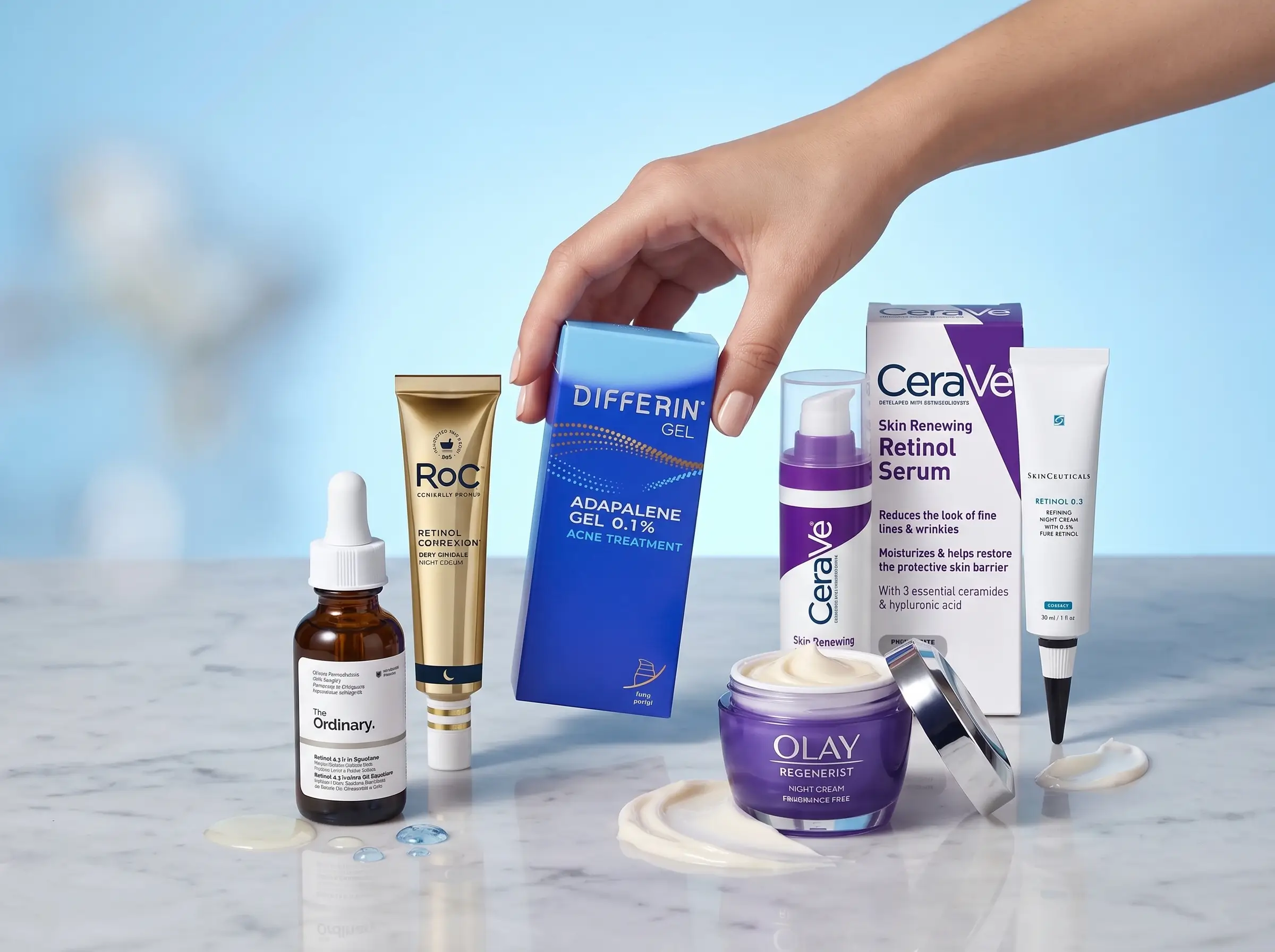
| Product | Best For | Retinol Type/Strength | Key Reason to Consider It |
|---|---|---|---|
| CeraVe Skin Renewing Retinol Serum | First-time retinol users | Encapsulated retinol | Ceramides help support the skin barrier while easing in |
| The Ordinary Retinol 0.2% in Squalane | Budget-friendly starter option | Low-strength, oil-based retinol | Simple, low-concentration formula at an accessible price |
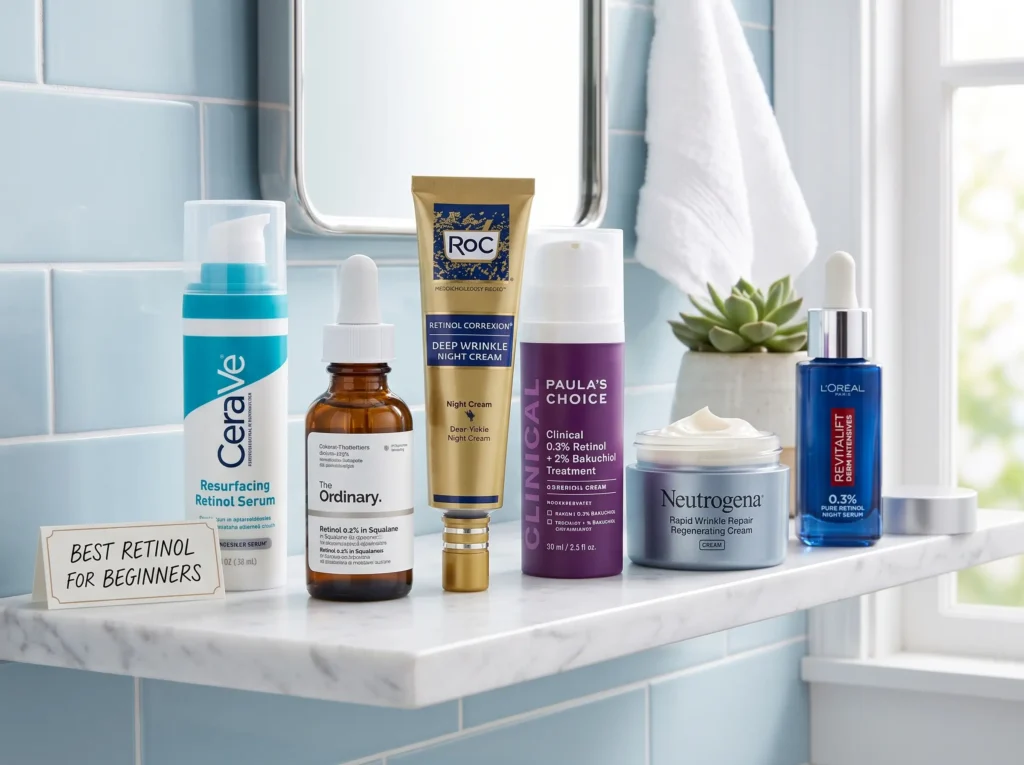
| RoC Retinol Correxion Deep Wrinkle Night Cream | Drugstore accessibility | Mineral-complex retinol | Widely available with a gradual-release formulation |
| Olay Regenerist Retinol24 Night Moisturizer | Hydration-forward beginners | Retinol + vitamin B3 complex | Moisturizer-first formula designed to minimize dryness |
| Differin Gel (Adapalene 0.1%) | Beginners focused on texture and breakouts | Retinoid (adapalene) | An FDA-approved retinoid available over the counter |
| SkinCeuticals Retinol 0.3 Refining Night Cream | Those ready for a slightly stronger start | 0.3% retinol | A dermatologist-favored formula with a supportive base |
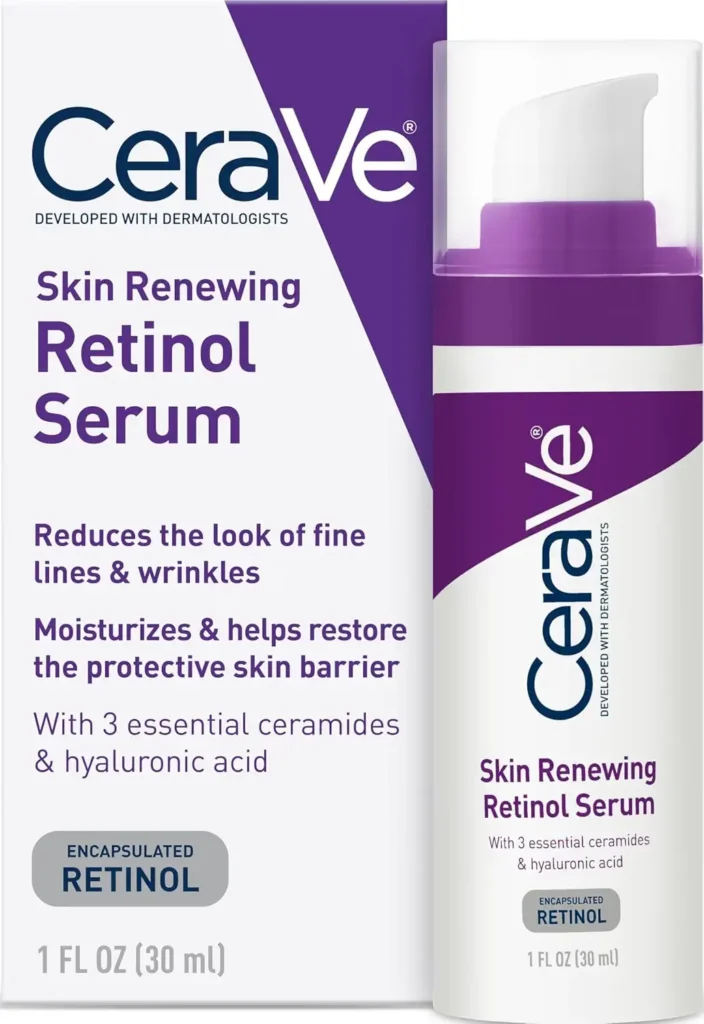
CeraVe Skin Renewing Retinol Serum
Best for: First-time retinol users
CeraVe’s take on retinol leans on its signature ceramide complex, aiming to support the skin barrier while introducing encapsulated retinol at a gentle pace.
What makes it stand out: The combination of encapsulated retinol with ceramides and niacinamide is specifically designed with sensitive, beginner skin in mind.
Texture and feel: Lightweight and gel-like, absorbing quickly without a heavy or sticky residue.
Who may like it: Anyone trying retinol for the first time, especially those with normal to dry skin who want a supportive, barrier-conscious formula.
Skin-type considerations: Generally well tolerated by beginners, though those with very reactive or sensitive skin may still want to start with just a few nights per week.
Pros:
- Encapsulated retinol for gradual release
- Contains ceramides and niacinamide
- Fragrance-free
- Widely available at an accessible price point
Cons:
- Some users may find it takes longer to see visible results compared to stronger formulas
- Packaging (in some sizes) uses a dropper, which can expose the product to air over time
Verdict: A well-rounded, barrier-friendly starting point for anyone new to retinol.
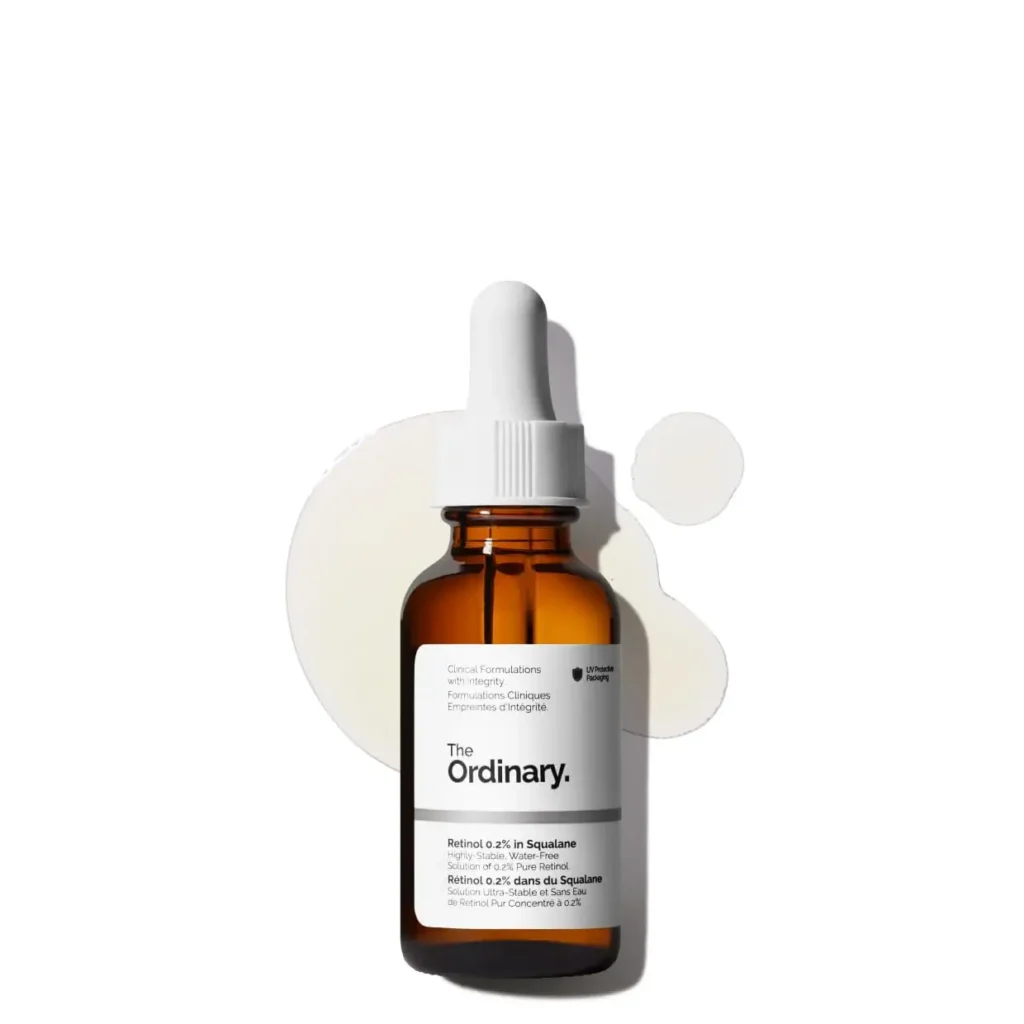
The Ordinary Retinol 0.2% in Squalane
Best for: Budget-friendly starter option
The Ordinary has built a reputation on straightforward, low-cost actives, and this retinol formula is no exception. It combines a low 0.2% retinol concentration with squalane, a lightweight, hydrating oil.
What makes it stand out: Its simplicity and price point make it an easy entry point for beginners who aren’t ready to invest in a higher-end product yet.
Texture and feel: Oil-based and lightweight, sinking in without feeling greasy, though it can feel slightly different from a traditional cream.
Who may like it: Budget-conscious beginners, and those who prefer a minimal, no-frills ingredient list.
Skin-type considerations: The oil base may not be ideal for very oily or acne-prone skin, but it tends to work well for normal to dry skin types.
Pros:
- Low 0.2% concentration suited to first-time use
- Affordable price point
- Simple formula
- Squalane helps offset dryness
Cons:
- Oil-based texture may not suit oilier skin types
- No added soothing ingredients like ceramides or niacinamide
Verdict: A solid, low-commitment way to test how your skin responds to retinol before investing in a pricier formula.
RoC Retinol Correxion Deep Wrinkle Night Cream
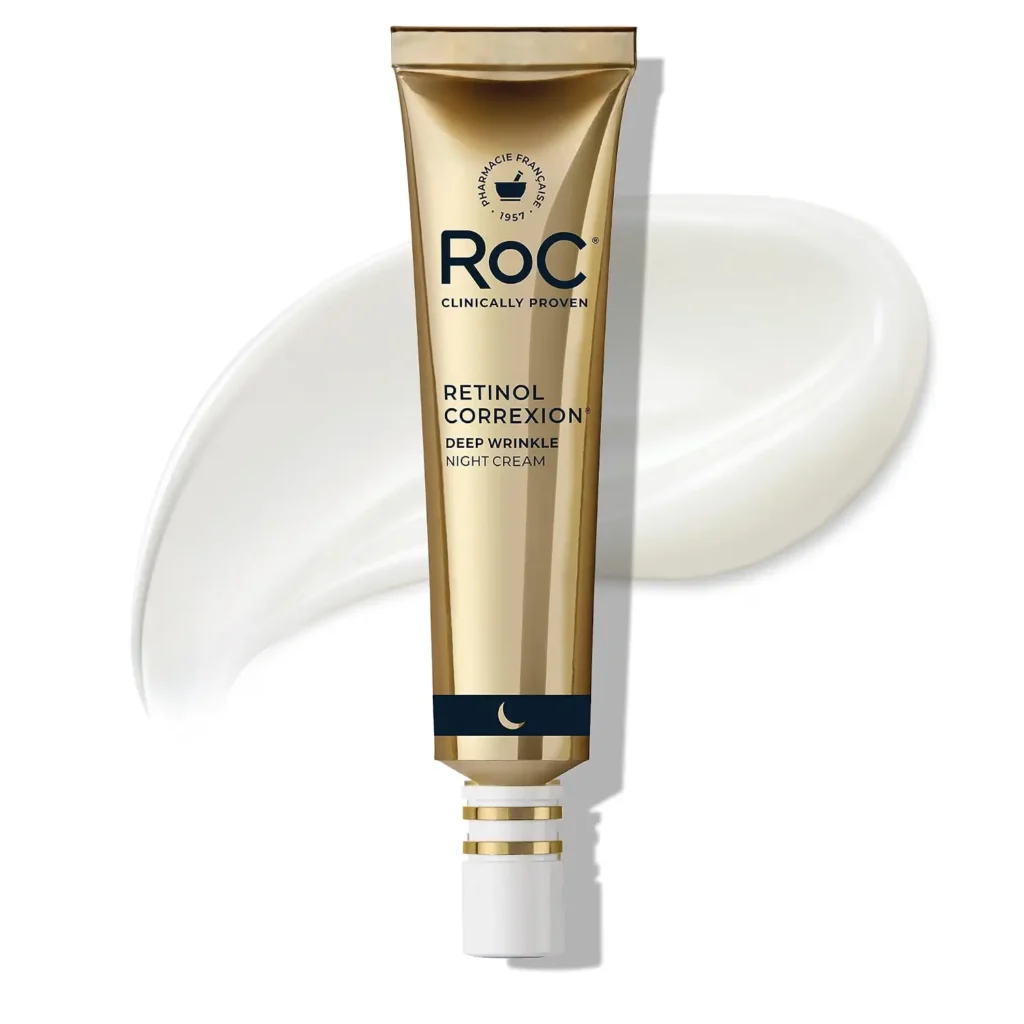
Best for: Drugstore accessibility
RoC has been formulating retinol products for decades, and this night cream remains one of the most widely available beginner-friendly options at most drugstores.
What makes it stand out: RoC’s mineral-complex technology is designed to help retinol release gradually, aiming to reduce the intensity of initial irritation.
Texture and feel: A traditional night cream texture, thicker than a serum but not heavy, and it absorbs at a moderate pace.
Who may like it: Beginners who prefer shopping at a drugstore rather than ordering online, and anyone who wants a simple, no-frills nighttime step.
Skin-type considerations: Suitable for normal to dry skin. Those with very sensitive skin may want to apply every other night at first.
Pros:
- Widely available at drugstores
- Gradual-release formulation
- Affordable
- Long-standing, well-reviewed product line
Cons:
- Fragrance is present in some formulations, which may not suit fragrance-sensitive skin
- Exact retinol percentage isn’t always disclosed
Verdict: A convenient, accessible pick for beginners who want to start with a trusted drugstore name.
Olay Regenerist Retinol24 Night Moisturizer
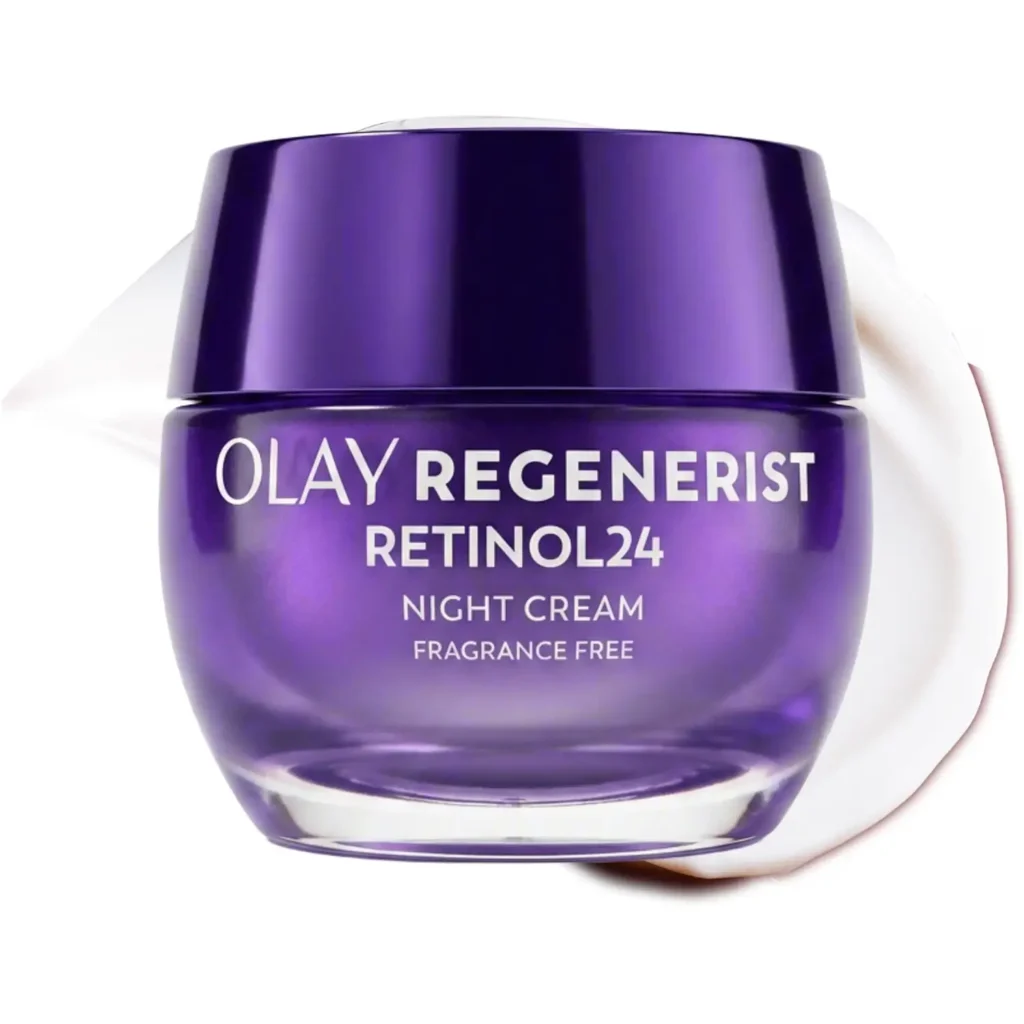
Best for: Hydration-forward beginners
This Olay formula prioritizes moisture alongside retinol, pairing it with vitamin B3 (niacinamide) in a moisturizer-first approach.
What makes it stand out: It’s formulated more like a rich night moisturizer than a treatment serum, which can make the introduction of retinol feel less clinical and more like a normal step in your routine.
Texture and feel: Creamy and comforting, with a noticeably hydrating finish.
Who may like it: Beginners with dry or dehydrated skin who are nervous about retinol’s drying reputation.
Skin-type considerations: Works well for dry to normal skin. Those with oily or acne-prone skin may find it richer than needed.
Pros:
- Moisturizer-first formulation
- Contains niacinamide for added support
- Comforting, hydrating texture
- Accessible price point
Cons:
- Richer texture may feel heavy for oilier skin types
- Exact retinol concentration isn’t listed on packaging
Verdict: A gentle, hydration-focused option for beginners who want retinol without sacrificing moisture.
Differin Gel (Adapalene 0.1%)
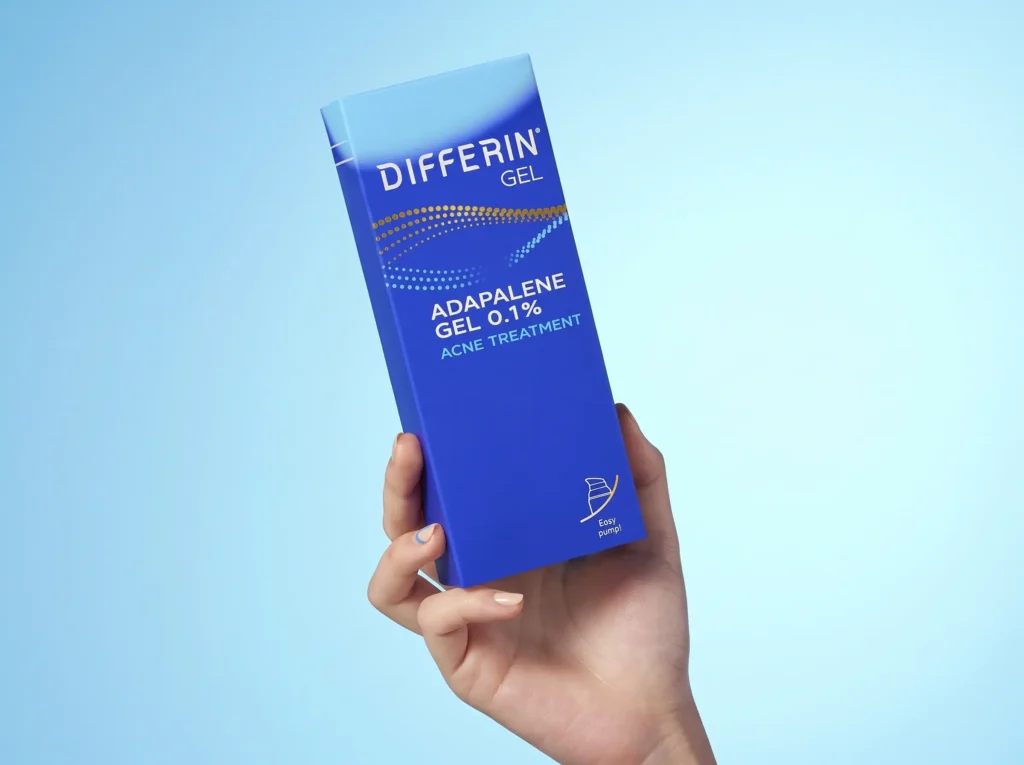
Best for: Beginners focused on texture and breakouts
Technically a retinoid rather than retinol, adapalene is available over the counter and has a long history of dermatological use, originally as an acne treatment.
What makes it stand out: It’s one of the few retinoid options that’s FDA-approved for over-the-counter sale, with a well-documented safety and efficacy profile.
Texture and feel: A lightweight gel that absorbs quickly, leaving a matte finish.
Who may like it: Beginners who are also dealing with occasional breakouts or texture concerns, since adapalene is often associated with supporting clearer-looking skin.
Skin-type considerations: Can be drying initially, so it’s often recommended to pair with a basic moisturizer. May not be the first choice for very dry or sensitive skin.
Pros:
- FDA-approved retinoid formula
- Well-suited to combination or acne-prone skin
- Lightweight, fast-absorbing gel
- Long track record of use
Cons:
- Can be more drying than encapsulated retinol creams
- Marketed primarily for acne, so it may not be the first choice if wrinkles are your main focus
Verdict: A strong option for beginners who want a retinoid with proven results, particularly if breakouts are also a concern.
SkinCeuticals Retinol 0.3 Refining Night Cream
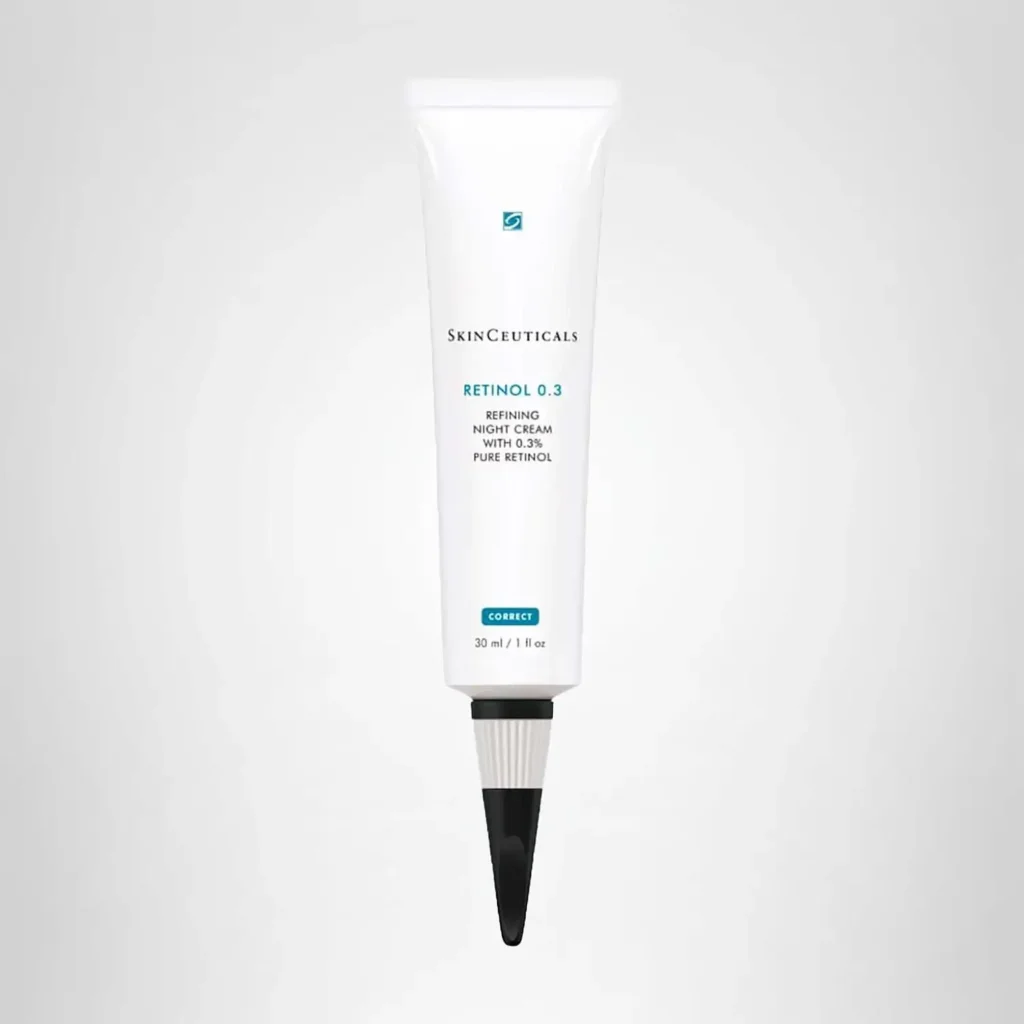
Best for: Those ready for a slightly stronger start
For beginners who feel confident easing in a bit faster, SkinCeuticals offers a 0.3% retinol cream built on a more clinical, dermatologist-favored formula.
What makes it stand out: SkinCeuticals is known for its clinically-oriented formulations, and this cream pairs a moderate retinol strength with a supportive, hydrating base.
Texture and feel: A rich, substantial cream that takes a bit longer to absorb but leaves skin feeling smooth rather than tight.
Who may like it: Beginners who want to start at a slightly higher concentration, or those who’ve dabbled with retinol before and are ready for a bit more.
Skin-type considerations: Best suited to normal to dry skin. Sensitive skin types may want to start with two to three nights per week rather than nightly use.
Pros:
- Moderate 0.3% concentration
- Supportive, hydrating base
- Reputable, dermatologist-favored brand
- Rich, comfortable texture
Cons:
- Higher price point than drugstore alternatives
- May be too strong for very sensitive or reactive skin right out of the gate
Verdict: A solid choice for beginners who want a slightly more potent formula without jumping straight to prescription-strength retinoids.
How to Choose the Best Retinol Cream for Your Skin
- Very sensitive or reactive skin: Start with a low-concentration, ceramide-based formula like CeraVe Skin Renewing Retinol Serum, and use it just a few nights per week.
- Budget-conscious beginners: The Ordinary Retinol 0.2% in Squalane offers a low-cost way to test your skin’s tolerance.
- Dry or dehydrated skin: Look for moisturizer-first formulas like Olay Regenerist Retinol24, which prioritize hydration alongside retinol.
- Combination or acne-prone skin: Differin Gel may be worth considering, given its dual role in supporting clearer-looking skin.
- Drugstore shoppers: RoC Retinol Correxion offers an accessible, in-store option with a long track record.
- Beginners ready to start slightly stronger: SkinCeuticals Retinol 0.3 offers a moderate concentration in a supportive base.
How to Introduce Retinol Into Your Routine as a Beginner
Starting retinol the right way can make a meaningful difference in how your skin responds.
- Start slow. Begin with just two to three nights per week rather than nightly use, and gradually increase frequency as your skin adjusts.
- Apply to dry skin. Retinol is typically applied to clean, completely dry skin to help minimize irritation.
- Use a pea-sized amount. More product doesn’t mean better results, and applying too much is one of the most common beginner mistakes.
- Follow with moisturizer. Applying a moisturizer after retinol, sometimes called “buffering,” can help reduce dryness and irritation.
- Always use sunscreen during the day. Retinol can increase sun sensitivity, so daily SPF is essential while using it.
- Avoid mixing with certain actives. Combining retinol with strong exfoliating acids or benzoyl peroxide on the same night can increase irritation, especially for beginners.
- Expect a possible adjustment period. Some initial dryness, flaking, or sensitivity, often called “retinization,” is common in the first few weeks and typically subsides as your skin builds tolerance.
Frequently Asked Questions
What is the best retinol cream for beginners?
Lower-concentration, encapsulated formulas like CeraVe Skin Renewing Retinol Serum tend to be a gentle starting point, since they release retinol gradually and pair it with barrier-supporting ingredients.
How often should beginners use retinol?
Most beginners start with two to three nights per week, gradually increasing frequency as their skin builds tolerance.
Does retinol purge your skin?
Some people experience an initial period of dryness, flaking, or breakouts when starting retinol, often referred to as purging or retinization. This is generally temporary and tends to improve within a few weeks.
Can beginners use retinol every night?
It’s generally better to ease in gradually rather than starting with nightly use, since this can help reduce the intensity of initial irritation.
Should you apply moisturizer before or after retinol?
Many beginners find it helpful to apply retinol first, then follow with a moisturizer to help buffer potential dryness. Some very sensitive skin types prefer applying moisturizer first instead.
Is retinol the same as retinoids?
Retinol is a type of retinoid, but there are various forms with different strengths, including over-the-counter options like adapalene and prescription-strength options like tretinoin.
Do you need sunscreen when using retinol?
Yes. Retinol can increase skin’s sensitivity to the sun, so daily sunscreen use is an important part of any retinol routine.
Can retinol be used with other active ingredients?
It can, but it’s best to avoid combining it with strong exfoliating acids or benzoyl peroxide on the same night, especially for beginners, to help reduce the risk of irritation.
Final Verdict
Starting retinol doesn’t have to mean a rough introduction. The best retinol creams for beginners tend to share a few things in common: lower concentrations, supportive ingredients like ceramides or niacinamide, and formulas designed to ease skin in gradually rather than overwhelm it.
For a well-rounded, barrier-conscious starting point, CeraVe Skin Renewing Retinol Serum is hard to beat. Budget-conscious beginners may prefer testing the waters with The Ordinary Retinol 0.2% in Squalane, while those with dry skin might lean toward the moisture-forward Olay Regenerist Retinol24. Drugstore shoppers have a reliable option in RoC Retinol Correxion, and anyone also managing breakouts may want to consider Differin Gel. For beginners ready to start slightly stronger, SkinCeuticals Retinol 0.3 offers a moderate, dermatologist-favored formula.
Whichever you choose, the most important factor isn’t the product itself. It’s how you introduce it: slowly, consistently, and with plenty of moisture and sunscreen along the way.