Disclosure: This article contains affiliate links. If you purchase a product through one of these links, we may earn a commission at no additional cost to you.

The Best Foundations for Dry Skin

Foundation is meant to even out your skin, but on dry skin it can do the opposite. Dry patches cling to it, fine lines look more obvious, and by lunchtime the base can look cakey or flaky. The cause is usually a mix of the wrong formula and not enough prep.
The good news is that the right foundation and a few simple habits make a dramatic difference. This guide explains what to look for in a foundation for dry skin, how to prep your skin, and which hydrating formulas are popular choices.
Why Foundation Looks Bad on Dry Skin
Dry skin has less oil and often a rougher surface. Matte, powder-heavy foundations absorb whatever moisture is left, which emphasizes flakes, texture and fine lines. A formula that is too thick can also settle into lines, and some long-wear formulas are designed to dry down firmly, which does not flatter skin that already feels tight.
What to Look for in a Foundation for Dry Skin
- Hydrating ingredients. Glycerin, hyaluronic acid, squalane and ceramides help the base feel comfortable.
- A satin or dewy finish. These finishes reflect light and make skin look smoother. A fully matte finish is usually harder to wear on dry skin.
- Buildable coverage. Sheer to medium coverage that you can layer where needed looks more natural than a heavy layer all over.
- Lightweight texture. Thin, serum-like or skin-tint formulas are less likely to look cakey.
- Skincare benefits and SPF, if you want them. Some formulas include hydrating or soothing ingredients, though you should still wear a separate sunscreen if the foundation’s SPF is not enough.
Foundation Types: Which Is Best for Dry Skin?
- Skin tints and tinted moisturizers offer sheer coverage and a fresh look. See our guide to tinted moisturizers and BB creams for light options.
- Serum foundations are lightweight, often hydrating and buildable.
- Liquid foundations with a dewy or satin finish give more coverage while keeping skin looking fresh.
- Cream foundations are richer and suit very dry skin, though they can feel heavy on warm days.
- Powder foundations are the hardest to wear on dry skin, because they can look dusty and settle in texture.
Best Foundations for Dry Skin
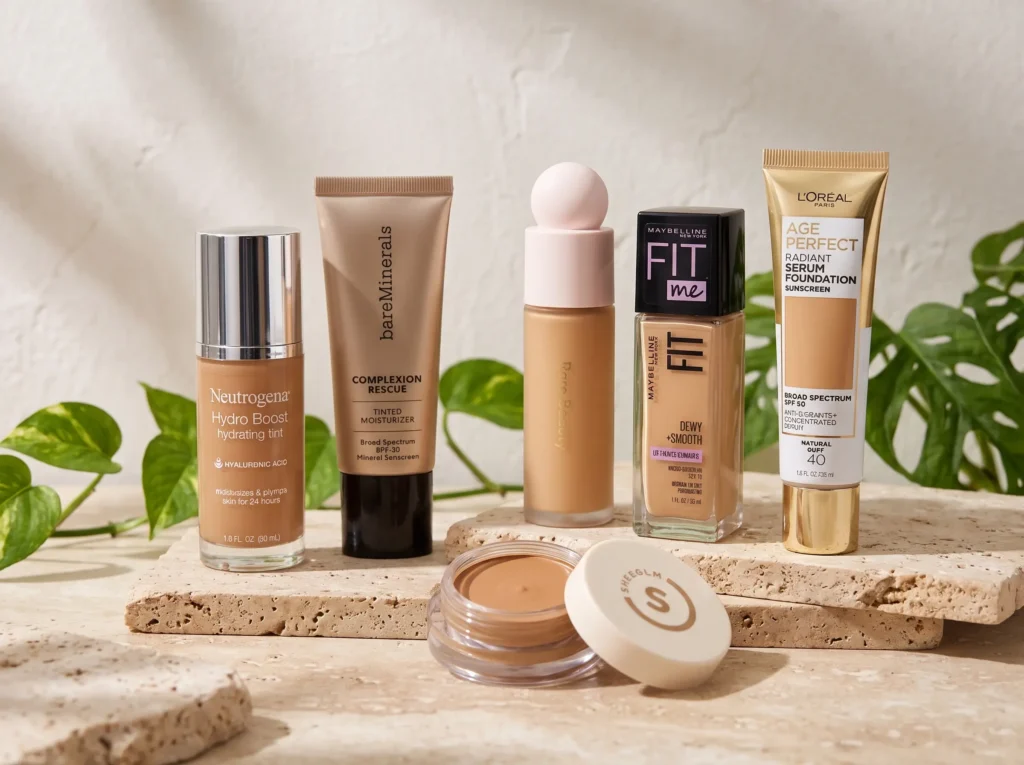
Formulas and shade ranges change, so check the current description and shade range before buying.
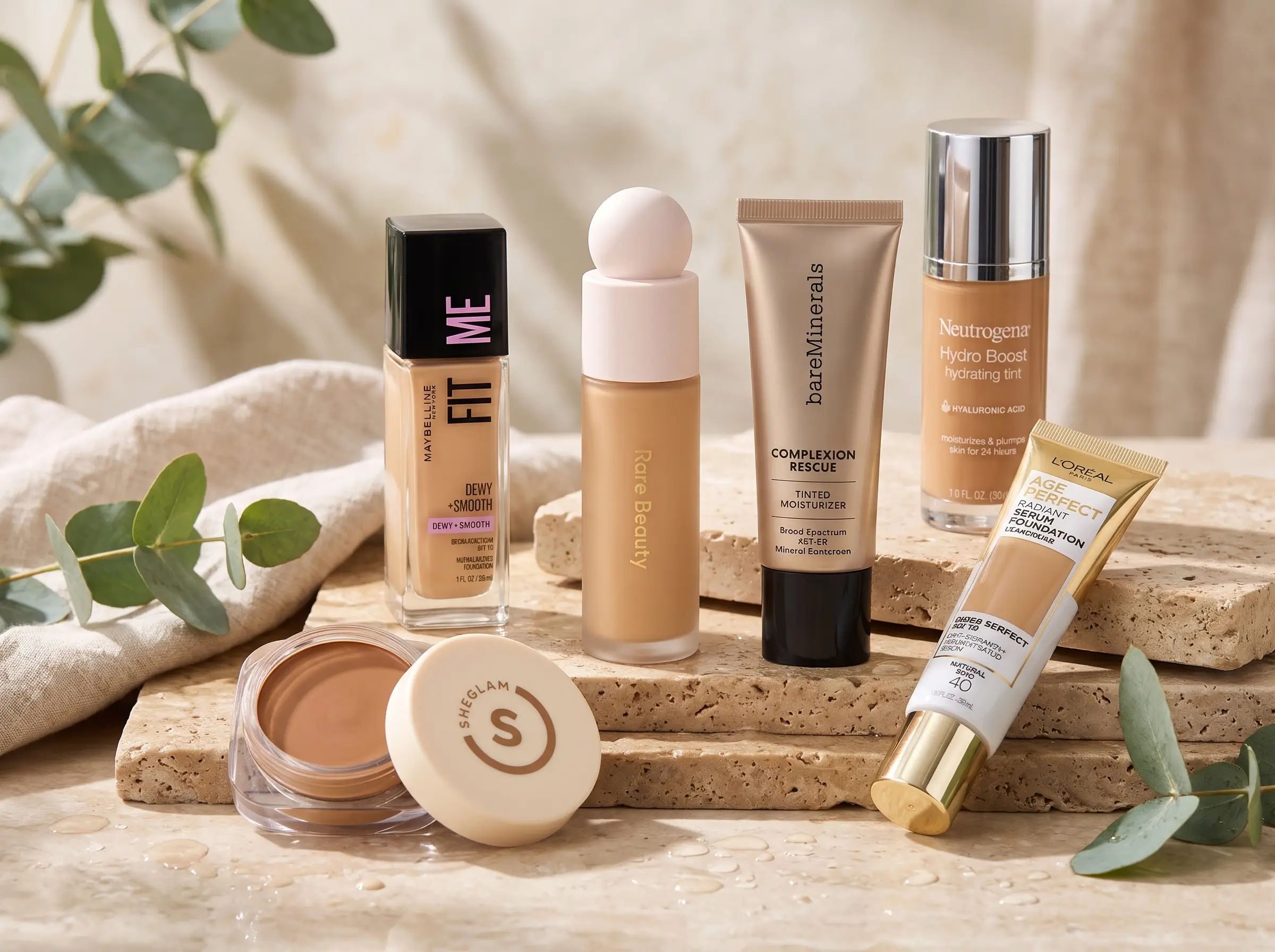
Best Drugstore Pick: Maybelline Fit Me Dewy + Smooth Foundation
A widely available, affordable liquid foundation with a natural, radiant finish and a broad shade range. A good starting point for dry to normal skin.
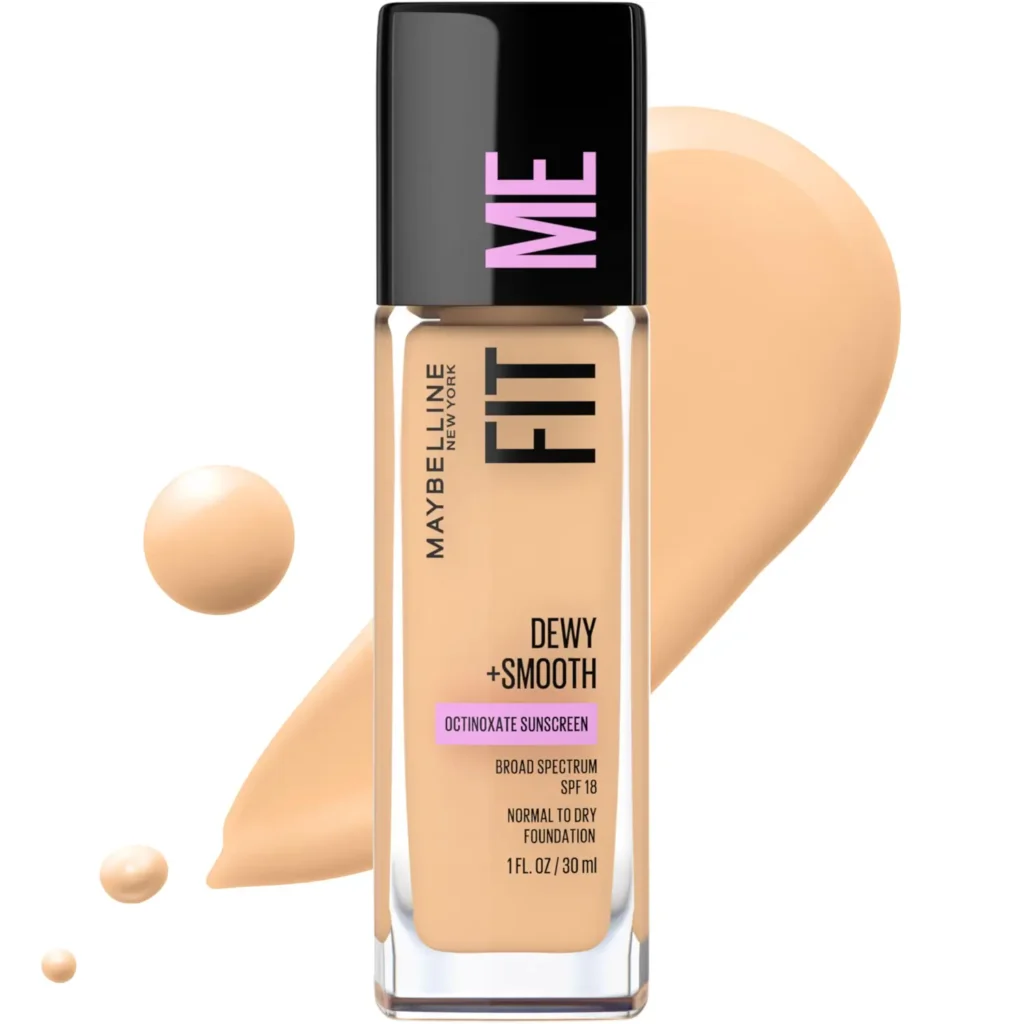
Maybelline Fit Me Dewy Smooth Foundation
Best for Mature Dry Skin: L’Oréal Paris Age Perfect Radiant Serum Foundation
A lightweight, serum-like foundation designed to feel comfortable on mature skin, with a glowy finish that does not settle into lines.
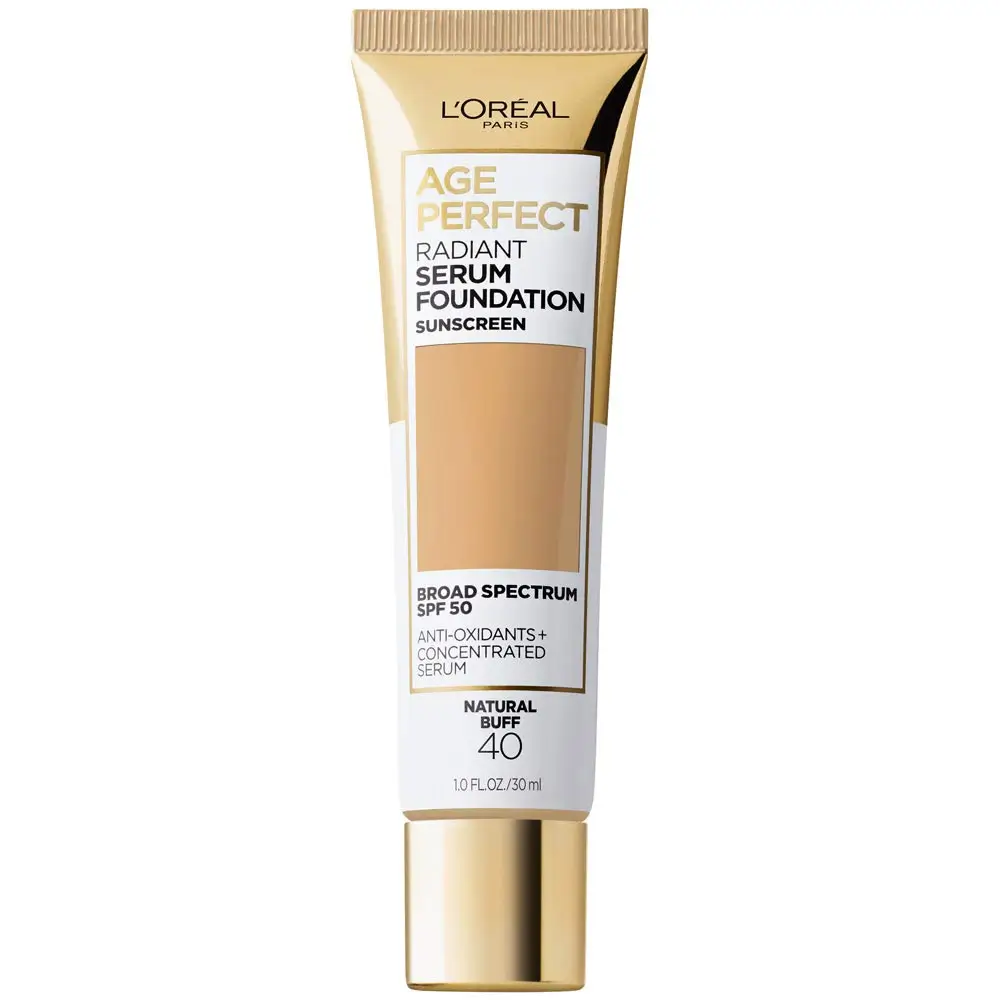
L’Oreal Paris Age Perfect Radiant Serum Foundation
Best Weightless Coverage: Rare Beauty Liquid Touch Weightless Foundation
A popular lightweight, buildable foundation with a soft, natural finish. It is a good option if you prefer a skin-like look.
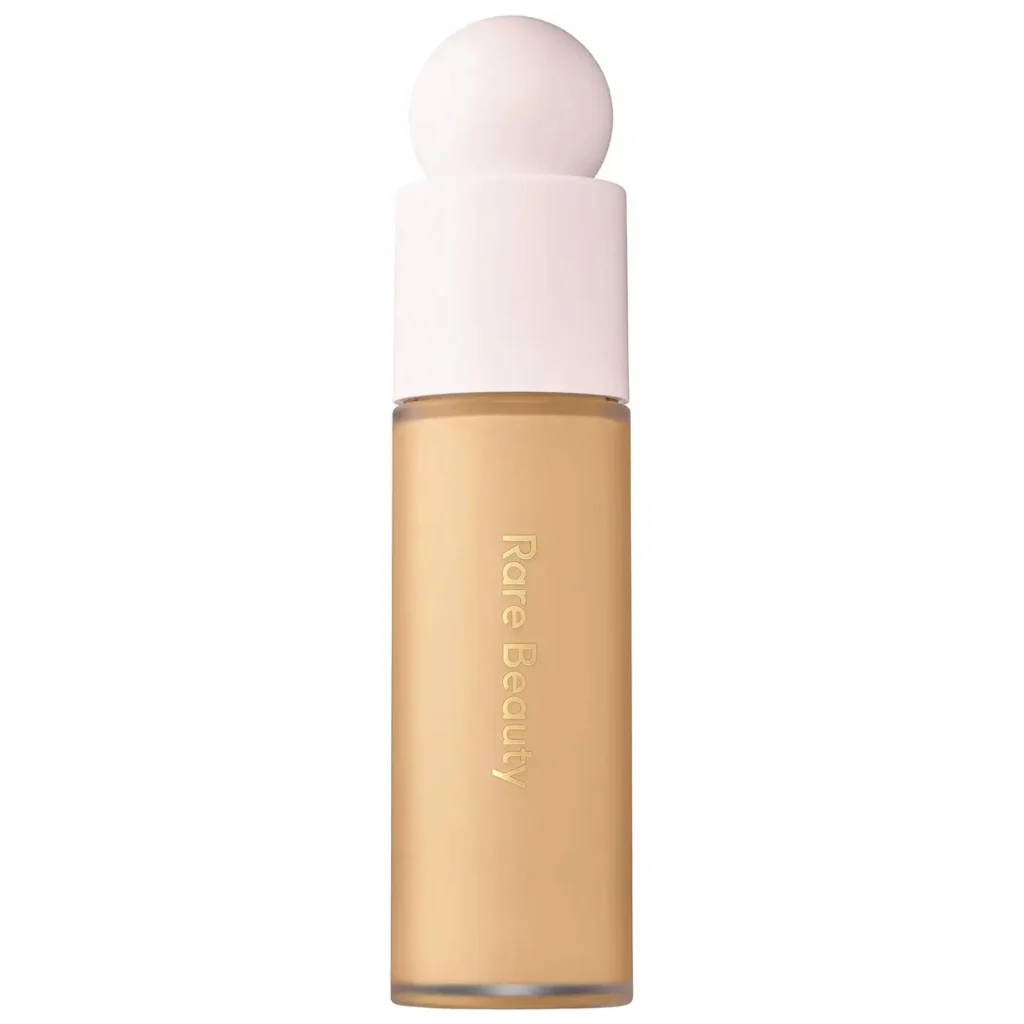
Rare Beauty Liquid Touch Weightless Foundation
Best Skin Tint: Neutrogena Hydro Boost Hydrating Tint or a similar hydrating skin tint
A sheer, hydrating tint that evens out tone while keeping skin looking fresh. Great for no-makeup makeup days.
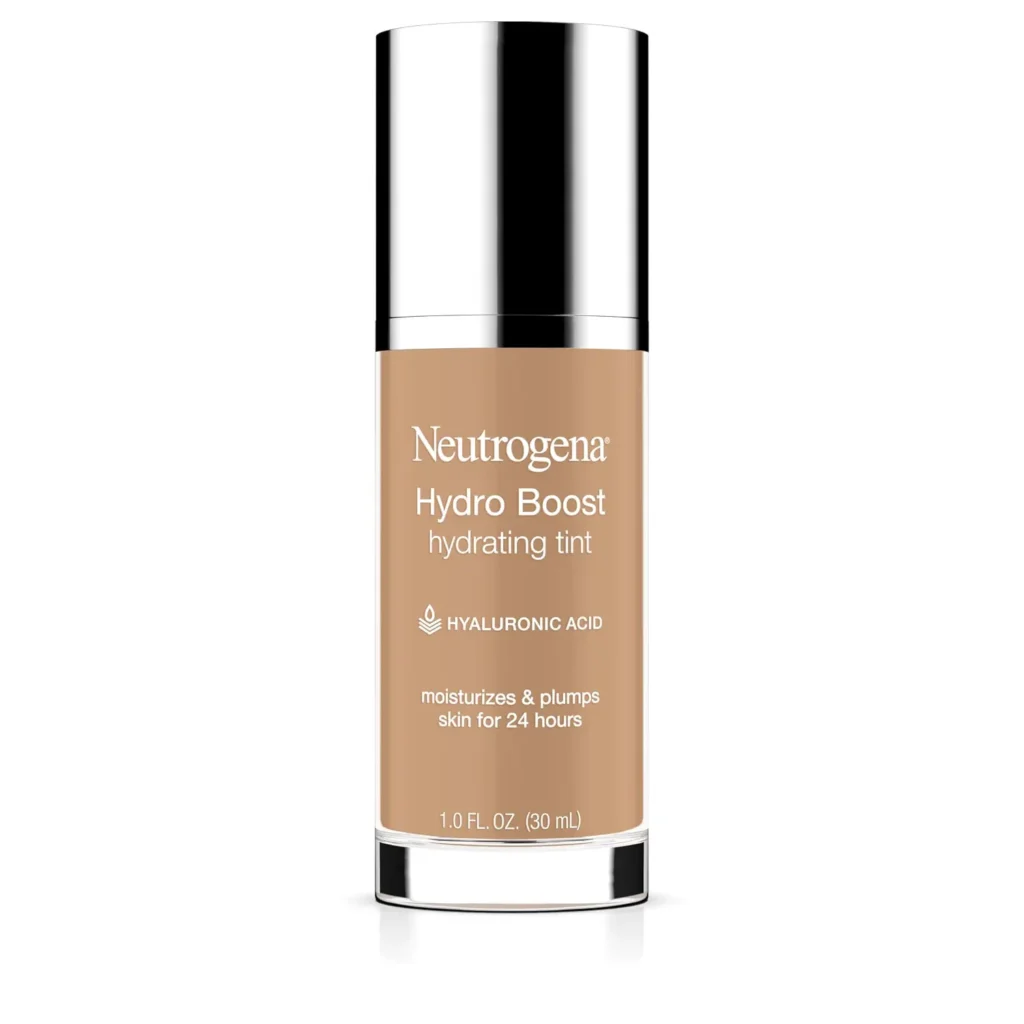
Neutrogena Hydro Boost Hydrating Tint
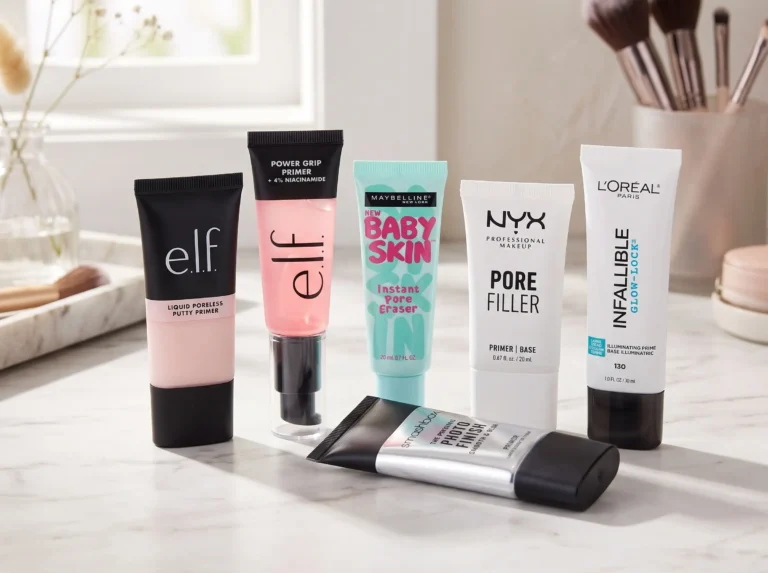
Best Glow Booster: A liquid highlighter or luminous primer under foundation
For extra radiance, mix a drop of liquid highlighter into your foundation or apply a luminous primer first.
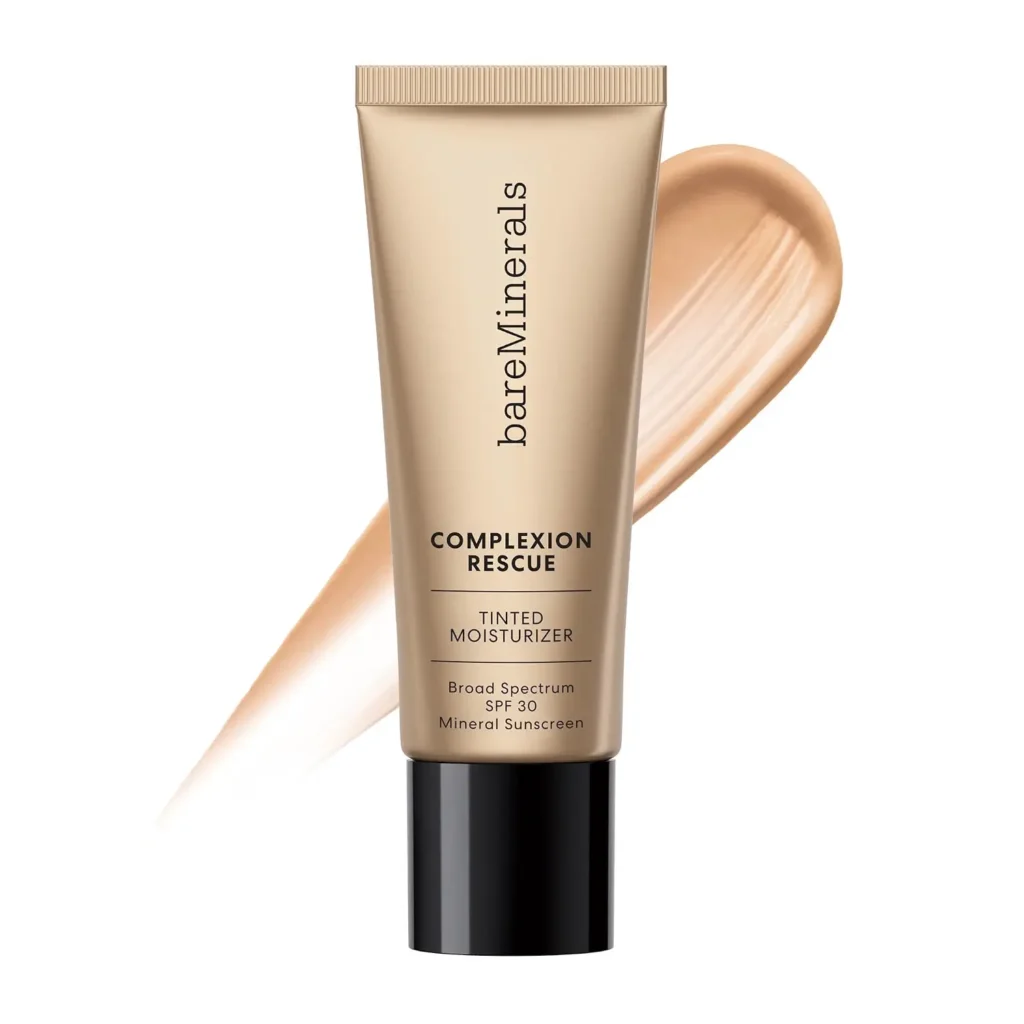
hydrating luminous primer for dry skin
Best Cream Foundation for Very Dry Skin: A hydrating cream or stick foundation
If your skin is very dry, a creamy formula blended with fingers or a damp sponge can look smooth and natural.
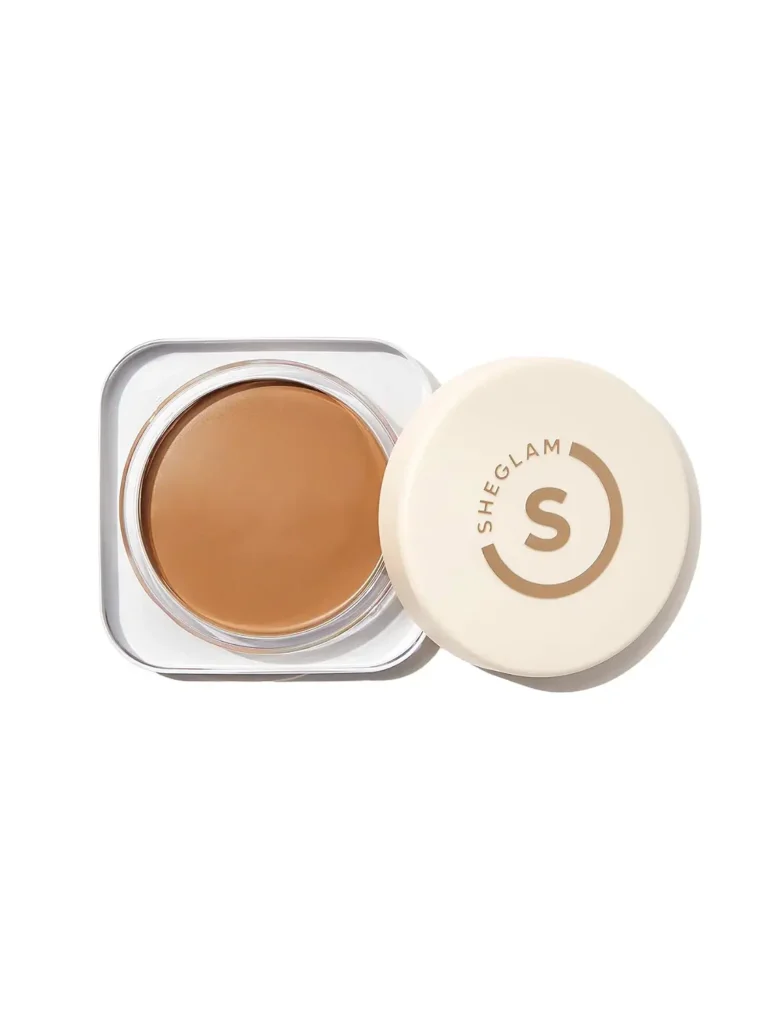
hydrating cream foundation dry skin
How to Prep Dry Skin for Foundation
Prep is often the difference between a base that looks smooth and one that clings to dry patches.
- Cleanse gently. Use a mild cleanser and avoid scrubs on the day you wear makeup. See our guide to gentle cleansers for sensitive skin.
- Hydrate. Apply a hydrating serum, then a rich moisturizer. Our guide to the best face moisturizers for dry skin can help.
- Give it time. Wait five to ten minutes so the moisturizer settles.
- Apply sunscreen. Use one of the lightweight formulas from our best face sunscreens for daily wear.
- Use a hydrating primer, if you like, especially on dry areas such as the cheeks.
- Treat flaky spots. If you have a dry patch, press a little extra moisturizer or balm onto it and blot.
A weekly hydrating face mask will also keep your skin more comfortable under makeup.
How to Apply Foundation on Dry Skin
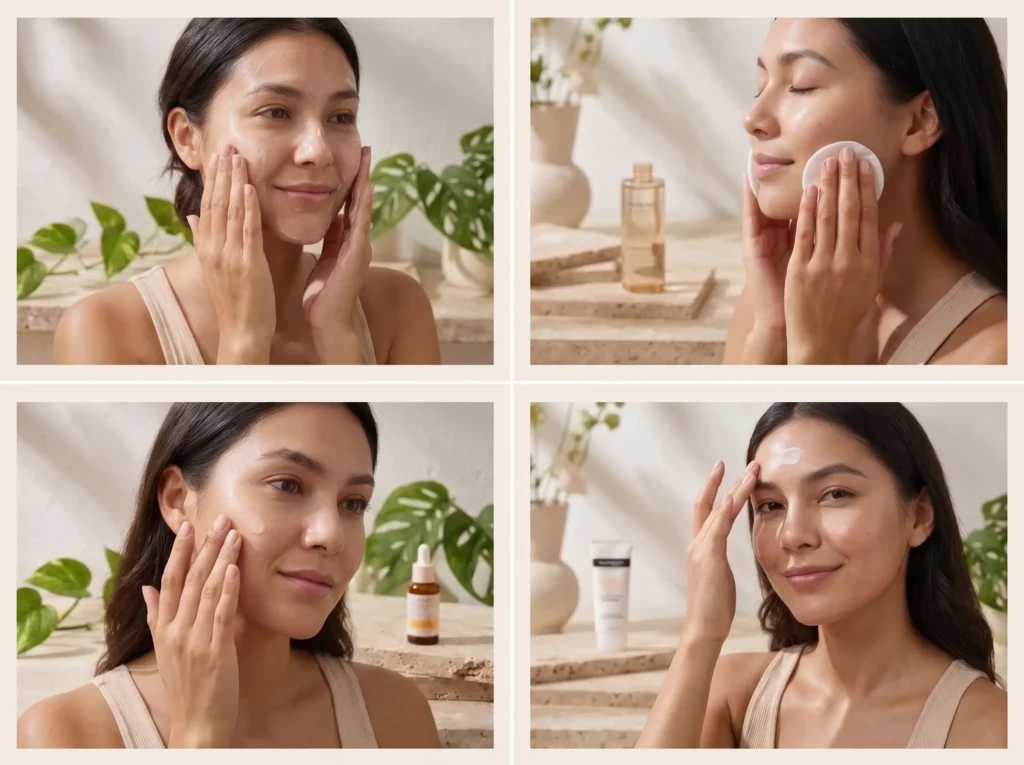
- Use a damp sponge or your fingertips. Both press the product into the skin and give a natural finish.
- Start with a small amount and build coverage where you need it.
- Warm the foundation on the back of your hand before applying, so it blends more smoothly.
- Press, don’t drag, over dry patches to avoid lifting flakes.
- Skip heavy powder. If you need to set your makeup, use a small amount of a fine, finely milled powder only on your T-zone, or use a setting spray.
Makeup Tips for a Fresh Finish All Day
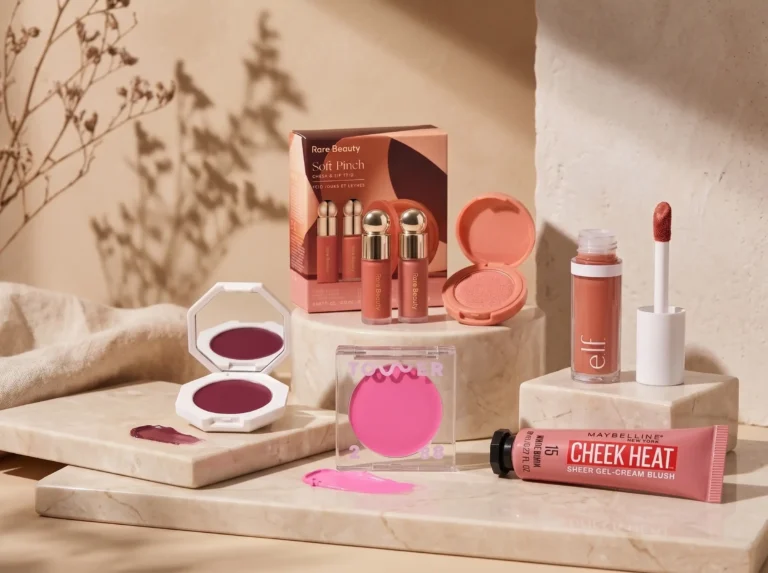
- Use cream blush and highlighter instead of powder.
- Mist your face with a hydrating setting spray.
- Keep a small tube of balm or moisturizer for touch-ups.
- Blot, instead of adding more powder, if you look shiny.
- Remove makeup gently at night with a cleansing balm, which is kind to dry skin.
Common Mistakes With Foundation on Dry Skin
- Wearing a matte, long-wear formula.
- Skipping moisturizer.
- Applying too much product.
- Using too much powder.
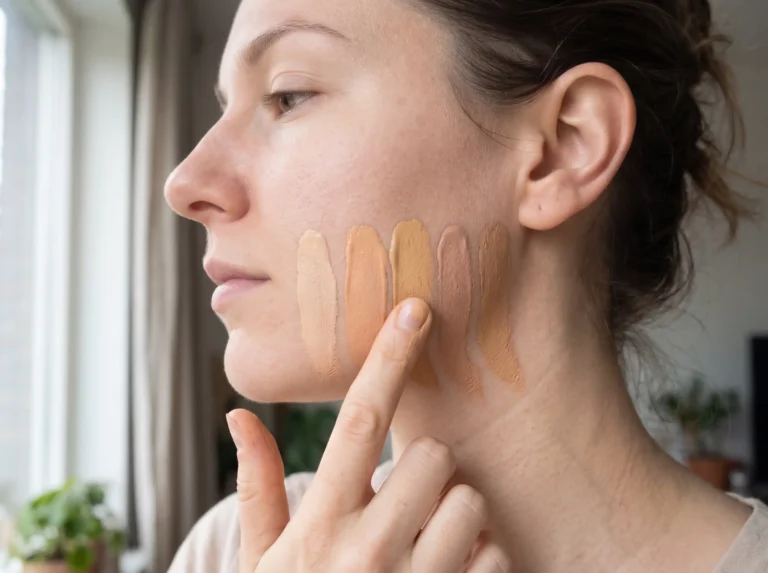
- Foundation that is the wrong shade. Dry skin can look dull, so choose a shade that matches your neck and jawline in natural light.
- Applying over dry patches without treating them first.
Frequently Asked Questions
What is the best foundation for dry, flaky skin?
A lightweight, hydrating liquid or serum foundation with a satin or dewy finish, applied over a well-moisturized face. Skin tints are also a good option.
How do I stop foundation from looking cakey on dry skin?
Hydrate well, use a small amount of product, apply with a damp sponge, and avoid heavy powder. A gentle moisturizer and primer help a lot.
Is powder foundation good for dry skin?
It can look dry and dusty, so liquid, cream or serum formulas are usually better. If you love powder, use a very light layer over moisturizer.
Can I use a BB cream or tinted moisturizer instead of foundation?
Yes. These give lighter coverage and often feel more comfortable on dry skin.
What finish is best for dry skin?
Satin or dewy finishes are usually the most flattering. Matte finishes can emphasize dryness.
Should I wear foundation every day with dry skin?
It is fine if you prep well and remove it gently. On days when your skin is flaky or irritated, a light skin tint or no foundation gives your skin a break.
Final Thoughts
A flattering base on dry skin starts with good skincare. Moisturize well, choose a hydrating, lightweight formula, apply it with a damp sponge and go easy on powder. With the right product and a little prep, your foundation can look smooth, fresh and natural all day.