Disclosure: This article contains affiliate links. If you purchase a product through one of these links, we may earn a commission at no additional cost to you.

The Best Makeup Primers for Smooth Skin and Longer Wear

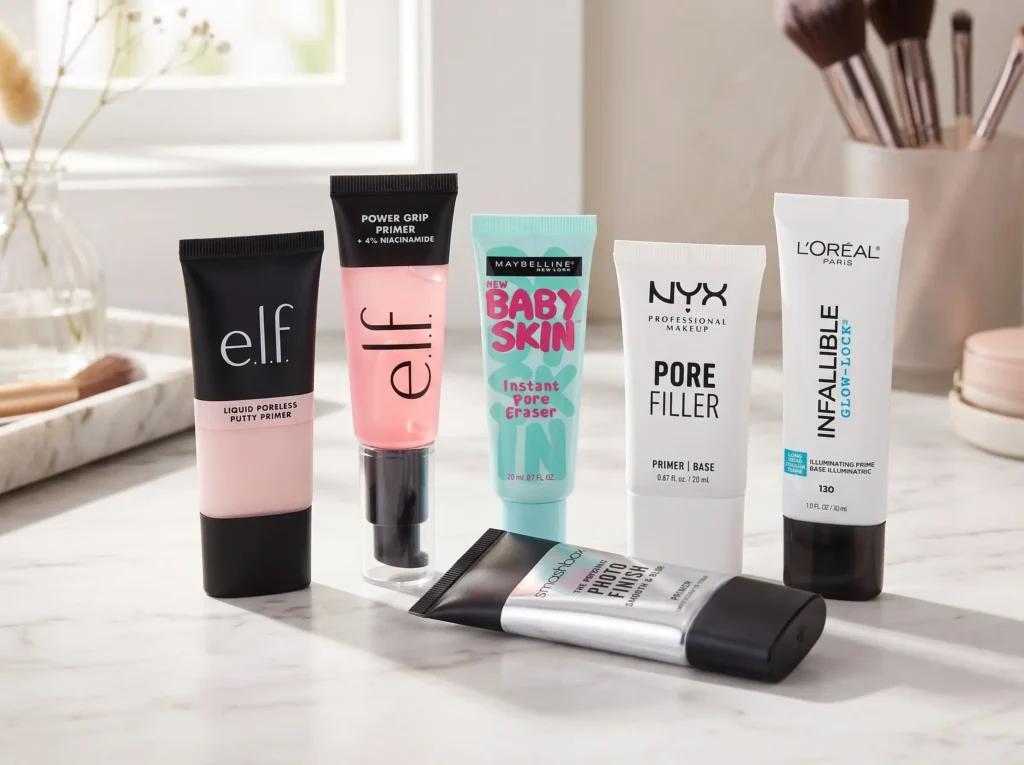
Primer is one of the most debated steps in makeup. Some people swear by it, others skip it entirely, and plenty of people aren’t sure what it actually does. The honest answer is that a good primer can make a visible difference, but only if you choose the right type for your skin and your makeup. A mattifying primer on dry skin can look patchy, and a hydrating primer on oily skin can slide right off by lunchtime.
Primer sits between your skincare and your foundation. Its job is to create a smoother surface for makeup, help products last longer, and, depending on the formula, soften the look of pores, control shine, add glow, or add moisture. It isn’t a magic eraser for texture, but it can help makeup go on more evenly and stay put.
This guide explains the types of primer, how to match one to your skin, and which popular options are worth considering.
What Does Primer Actually Do?
Depending on the formula, a primer can:
- Smooth the look of the skin’s surface, so foundation glides on more evenly
- Blur the look of pores and fine lines by filling them slightly
- Help makeup last longer by giving it something to grip
- Control oil and shine in mattifying formulas
- Add hydration or glow in moisturizing or luminous formulas
- Reduce the look of redness in color-correcting formulas
Primer doesn’t replace skincare, sunscreen, or good technique, and it can’t change skin texture permanently.
Do You Need a Primer?
Not always. If your foundation already lasts well and looks smooth on your skin, you may not need one. Primer is most helpful if:
- Your makeup separates, slides, or fades during the day
- You have oily skin and struggle with shine
- You have visible pores or uneven texture
- You have dry skin and foundation clings to dry patches
- You wear makeup for long events or photos
If your skin is fine and your routine is quick, a good moisturizer and a lightweight base may be all you need.
Types of Primers
Pore-Filling or Smoothing Primers
Silicone-based formulas that fill pores and fine lines for a smoother surface. They often feel slightly tacky or putty-like.
Mattifying Primers
Designed to control oil and shine, often with ingredients that absorb oil.
Hydrating Primers
Add moisture and a dewy finish, suiting dry or dehydrated skin.
Grip or Gel Primers
Lightweight, gel-like primers that give makeup something to hold onto, often with a water-based feel.
Glow or Radiance Primers
Add a subtle luminous finish, which can look fresh on mature or dull skin.
Color-Correcting Primers
Tinted primers that offset redness or sallowness. Choose carefully, since the wrong color can look odd.
What to Look for in a Primer
Skin Type Match
Oily skin generally does best with mattifying or pore-filling primers. Dry or mature skin often prefers hydrating or glow formulas.
Compatibility With Your Foundation
Silicone-based primers generally work best under silicone-based foundations, and water-based primers go with water-based foundations. If your makeup pills, a mismatch could be the cause.
Ingredients
Silicones create a smooth feel. If you prefer to avoid them, look for silicone-free options. Fragrance can irritate sensitive skin.
SPF
Some primers contain SPF, but you’d need a thick layer to get the labeled protection, so treat it as a bonus and still wear sunscreen.
Texture and Amount
A little goes a long way. A pea-sized amount is usually enough.
Best Makeup Primers at a Glance
| Product | Best For | Type | Key Reason to Consider It |
|---|---|---|---|
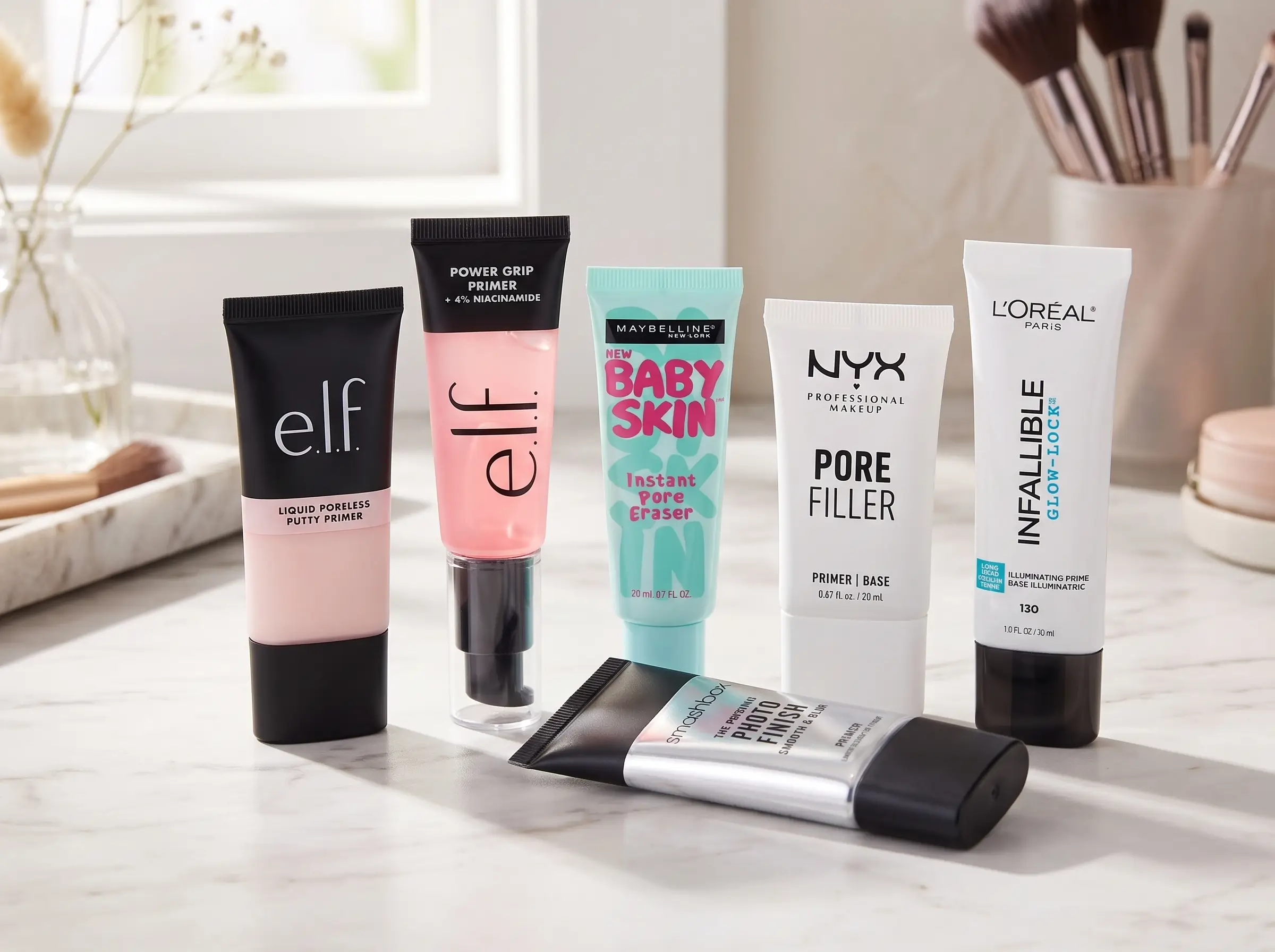
| e.l.f. Poreless Putty Primer | Visible pores | Pore-filling | Putty texture that smooths pores |
| e.l.f. Power Grip Primer | Gripping, longer wear | Gel grip primer | Gel texture that helps makeup stay put |
| Maybelline Baby Skin Instant Pore Eraser Primer | Smoothing texture | Pore-filling | Drugstore smoothing primer |
| NYX Professional Makeup Pore Filler | Budget pore blurring | Pore-filling | Affordable, easy-to-find option |
| Smashbox Photo Finish Foundation Primer | Classic, silky feel | Smoothing | Long-time favorite with a silky finish |
| L’Oréal Paris Infallible Pro-Glow Lock Makeup Primer | Radiance and wear | Glow primer | Adds a soft glow while helping makeup last |
e.l.f. Poreless Putty Primer
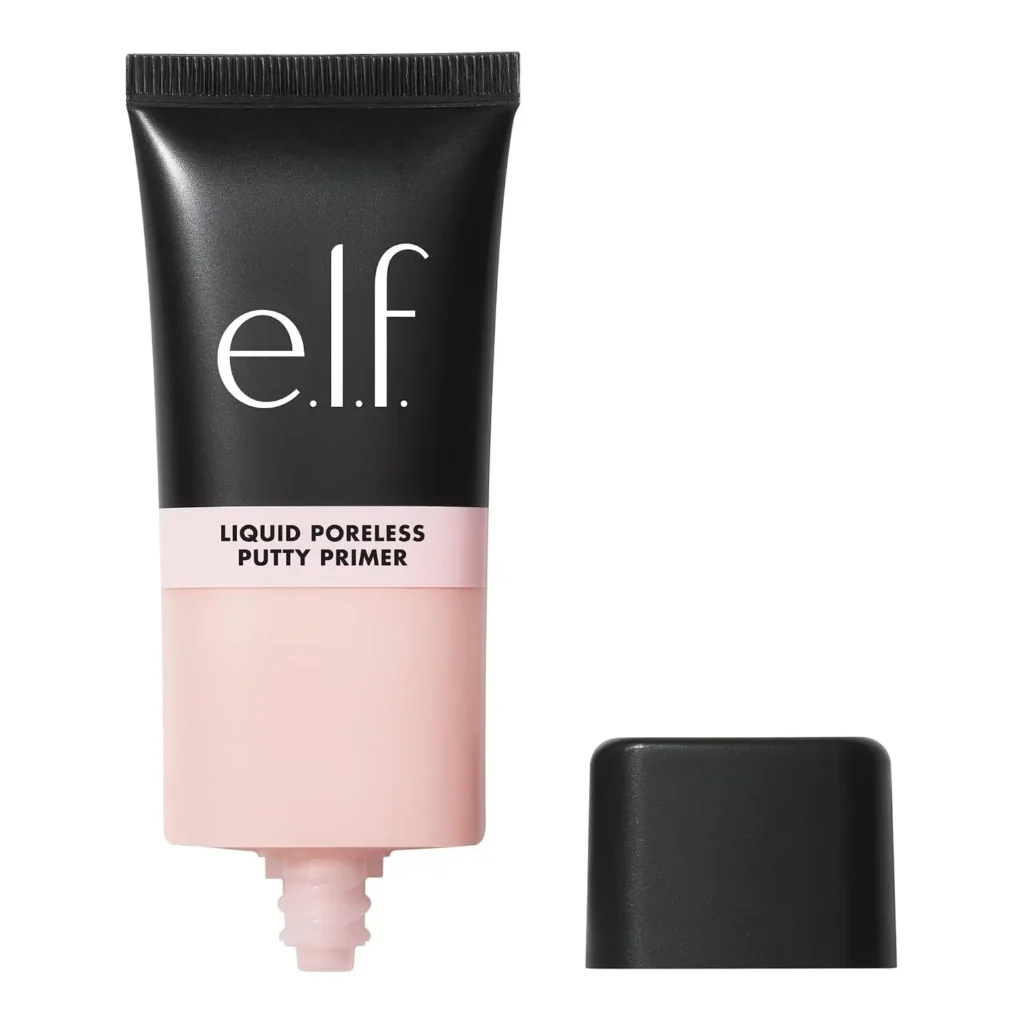
Best for: Visible pores
A putty-like primer that fills in the look of pores.
What makes it stand out: It’s affordable and has a cult following for smoothing the skin’s surface.
Who may like it: People with visible pores or uneven texture.
Things to check before buying: Putty primers can feel tacky, and they work best on skin that’s moisturized and not very dry.
Pros:
- Smooths the look of pores
- Affordable
- Popular and widely reviewed
Cons:
- Can feel tacky or thick
- May pill with some products
Verdict: A strong choice for blurring the look of pores.
e.l.f. Power Grip Primer
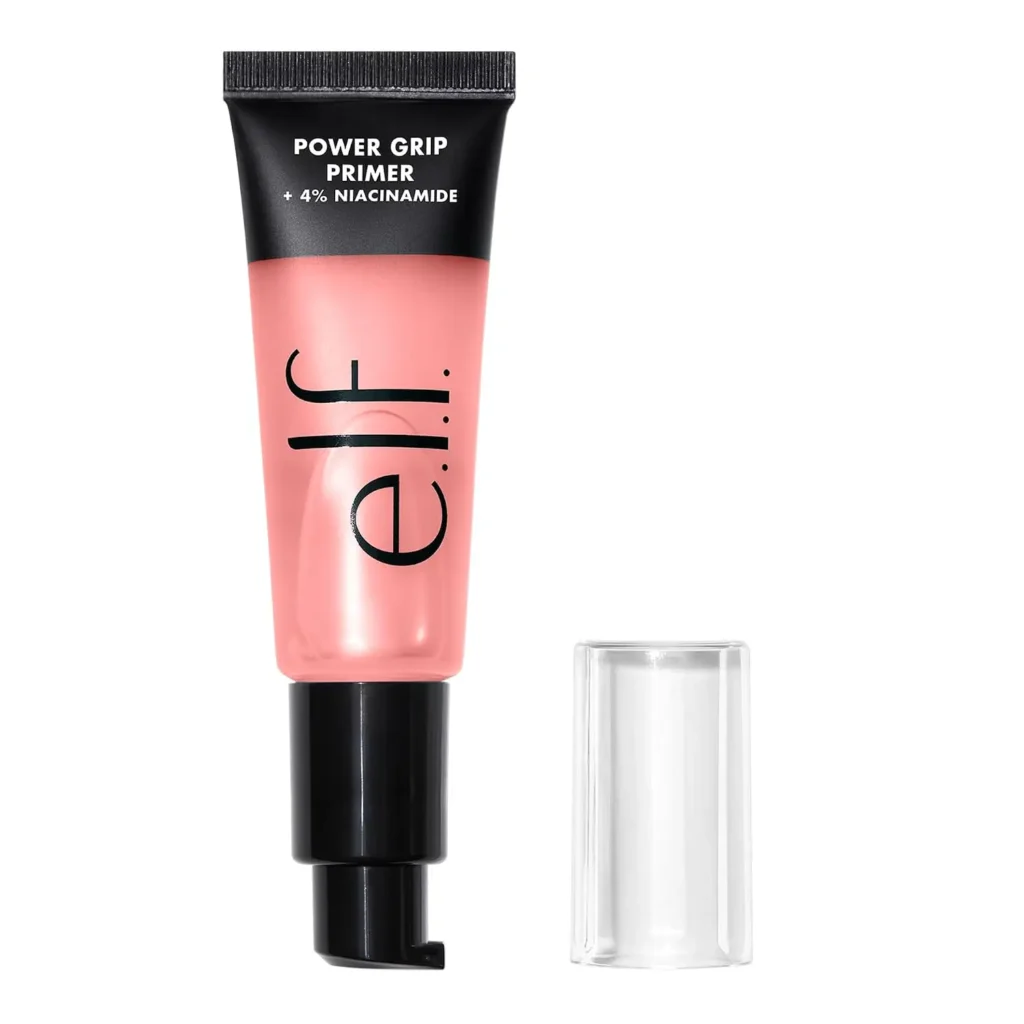
Best for: Gripping, longer wear
A gel primer designed to give makeup something to cling to.
What makes it stand out: It’s lightweight and hydrating, with a tacky feel that helps makeup grip.
Who may like it: People who want longer wear and a hydrating base.
Pros:
- Lightweight gel feel
- Hydrating
- Affordable
- Good for dry to normal skin
Cons:
- Tackiness takes getting used to
- Not strongly mattifying
Verdict: A good grip primer for dry or normal skin.
Maybelline Baby Skin Instant Pore Eraser Primer
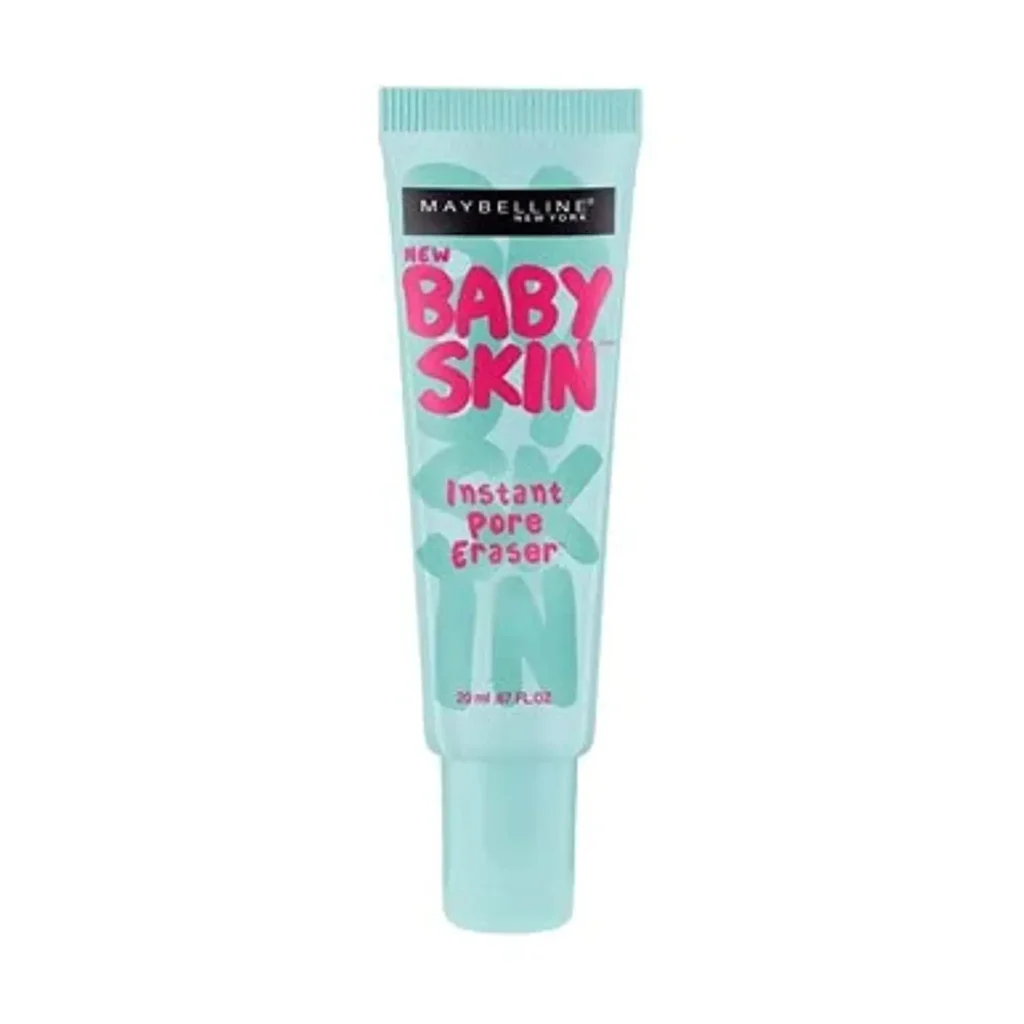
Best for: Smoothing texture
A drugstore primer aimed at smoothing the look of pores and texture.
What makes it stand out: It’s accessible and designed for quick smoothing.
Who may like it: People who want a basic smoothing primer.
Things to check before buying: Confirm the current product name and formula, since drugstore lines change often.
Pros:
- Affordable
- Smooths the look of pores
- Lightweight feel
Cons:
- May feel slightly tacky
- Not strongly mattifying
Verdict: A budget-friendly smoothing option.
NYX Professional Makeup Pore Filler
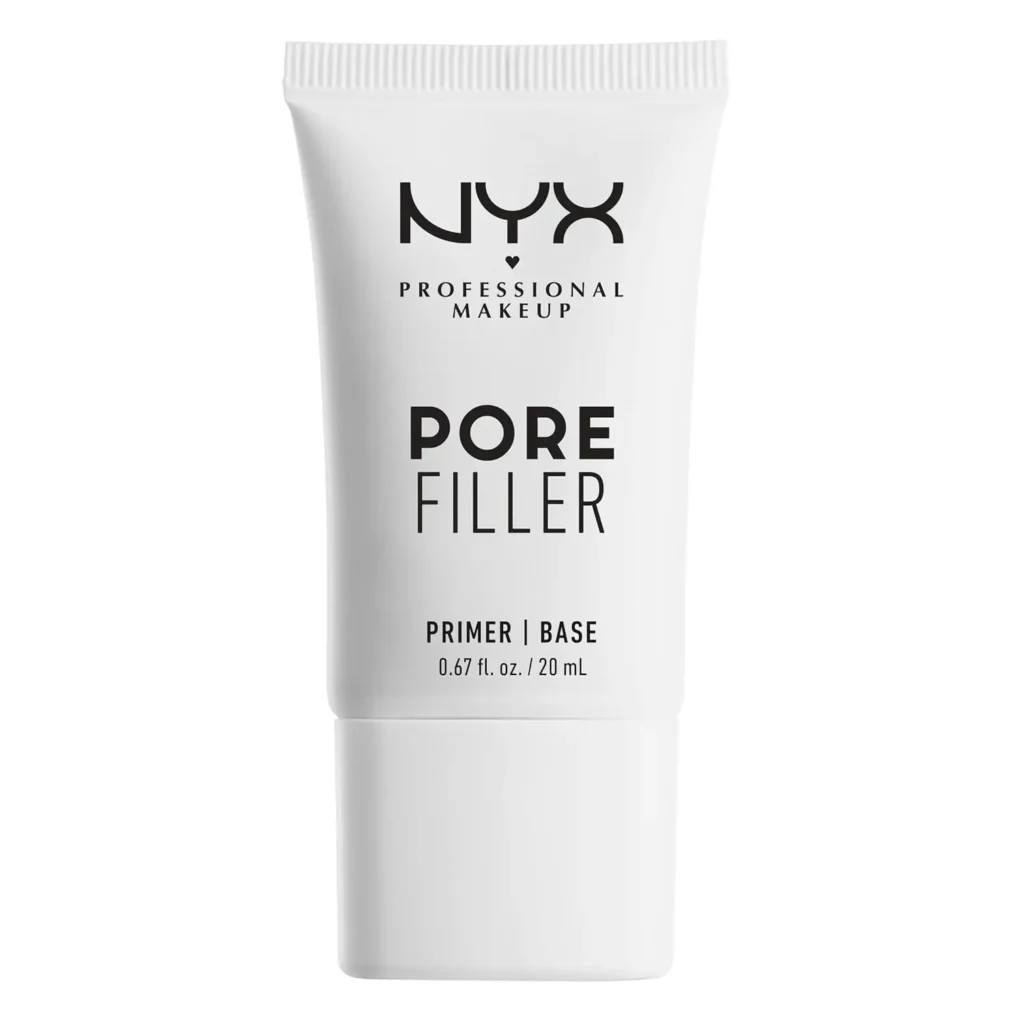
Best for: Budget pore blurring
A pore-filling primer from a budget brand.
What makes it stand out: It offers pore-filling at a low price.
Who may like it: Budget-conscious shoppers with visible pores.
Things to check before buying: Check the current product name and size, since NYX sells several primers.
Pros:
- Affordable
- Smooths the look of pores
- Easy to find
Cons:
- Can feel heavy
- May not control shine for all
Verdict: A low-cost option for blurring pores.
Smashbox Photo Finish Foundation Primer
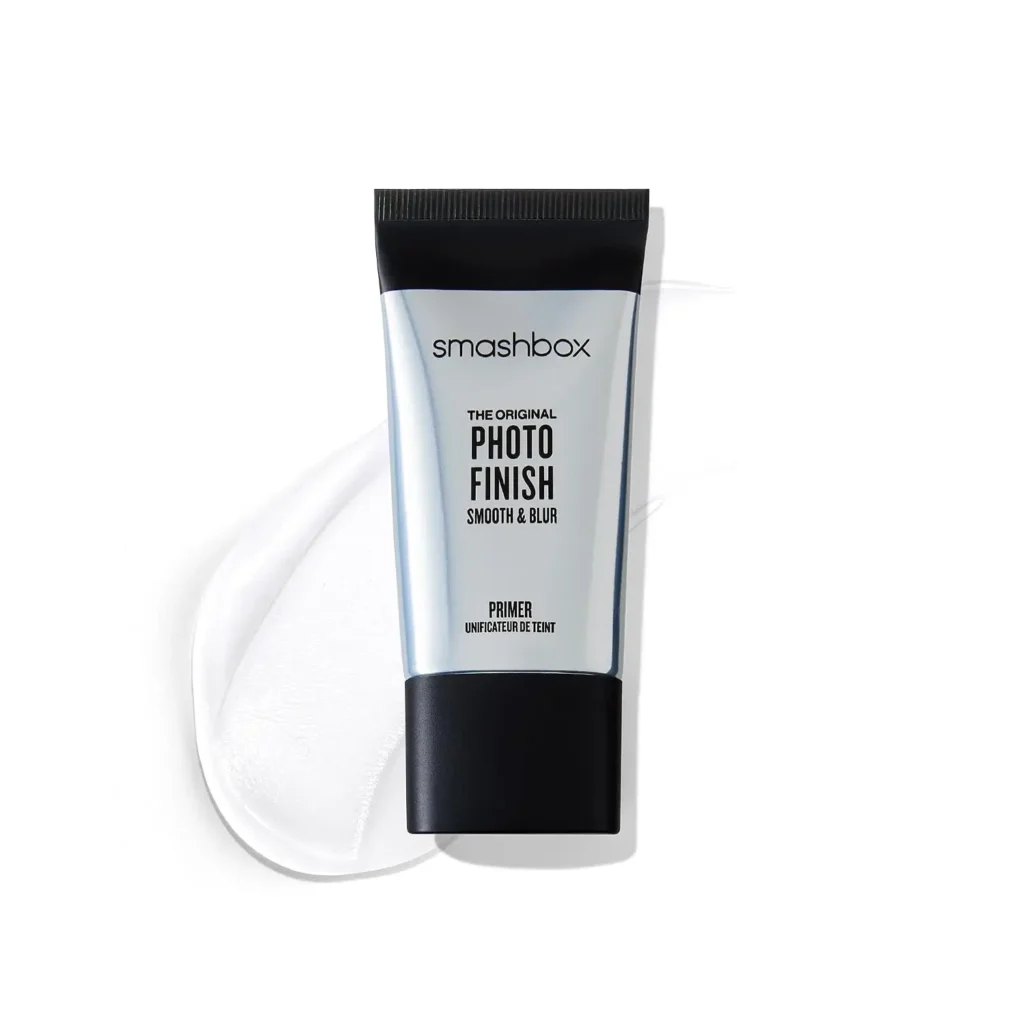
Best for: Classic, silky feel
A long-time favorite primer with a silky texture.
What makes it stand out: It has a loyal following for creating a smooth base.
Who may like it: People who like a silky, smoothing feel.
Things to check before buying: Confirm availability from an authorized seller, and choose the exact formula for your skin type, since Smashbox makes several versions.
Pros:
- Silky texture
- Smooths surface
- Long track record
Cons:
- Higher price
- Silicone-based
Verdict: A premium choice for a smooth, silky base.
L’Oréal Paris Infallible Pro-Glow Lock Makeup Primer
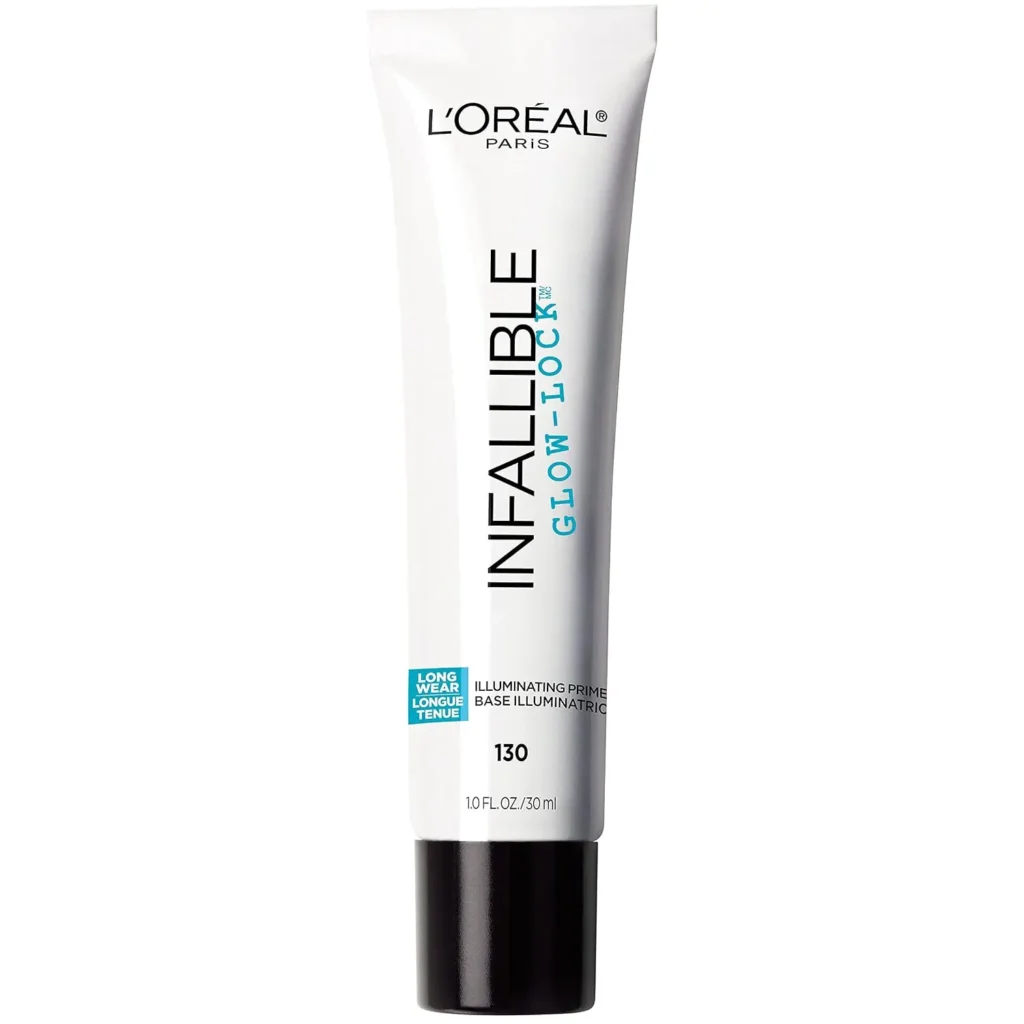
Best for: Radiance and wear
A primer that adds a soft glow while helping makeup last.
What makes it stand out: It combines a luminous finish with grip.
Who may like it: People with normal to dry skin who like a glowy look.
Things to check before buying: Product names in this line change, so confirm the current name and formula.
Pros:
- Adds glow
- Helps makeup last
- Affordable
Cons:
- May look too shiny on oily skin
- Fragranced in some versions
Verdict: A good pick if you want radiance.
How to Choose the Best Primer for You
- Oily skin: A mattifying or pore-filling primer such as e.l.f. Poreless Putty Primer or NYX Pore Filler.
- Dry skin: A hydrating or gel primer such as e.l.f. Power Grip Primer.
- Mature skin: A hydrating or radiance primer, used lightly.
- Visible pores: e.l.f. Poreless Putty Primer or Maybelline Baby Skin Instant Pore Eraser Primer.
- Longer wear: e.l.f. Power Grip Primer or Smashbox Photo Finish.
Primer for Mature Skin
Mature skin is often drier and shows lines more easily, so the wrong primer can emphasize texture. Choose a hydrating or radiance formula, apply a small amount, and avoid heavy pore-filling primers around fine lines. Prep with moisturizer first. Our makeup for mature skin guide covers each step, and our guide to tinted moisturizers and BB creams offers lighter base options that may not need a primer at all.
Primer for Oily Skin
For oily skin, focus on mattifying or pore-filling primers and a long-wear base. Apply primer mainly to the T-zone, and set with a light dusting of setting powder. Our guides to long-wear foundations for oily skin and moisturizers for oily and combination skin can help you build a routine that lasts.
How to Apply Primer
- Start with clean, moisturized skin. Let moisturizer and sunscreen sink in.
- Use a pea-sized amount. Too much can cause pilling.
- Apply with your fingers, warming the product, and press it into skin.
- Focus on areas that need it, such as the T-zone or around the nose and cheeks.
- Wait about a minute for the primer to set.
- Apply foundation in thin layers.
- Set with powder and spray, if you like. See our guide to setting sprays.
If you want to skip steps on busy mornings, our 10-minute makeup routine shows what to leave out.
Why Makeup Pills (And What to Do)
Pilling happens when products ball up on the skin. Common causes include:
- Applying too much primer or moisturizer
- Layering incompatible products, such as a water-based product over silicone, or vice versa
- Not letting products dry, before adding the next layer
- Rubbing instead of pressing
If you see pilling, use less product, wait longer between steps, and try a different primer or foundation combination.
Common Mistakes
- Using the wrong primer for your skin type.
- Using too much. A little is enough.
- Skipping skincare. Primer can’t fix dry, flaky skin.
- Not matching products. Silicone and water-based products may not mix well.
- Expecting primer to hide everything. It smooths, but doesn’t erase texture.
- Skipping removal. Primer needs to be cleansed off properly. A cleansing balm or oil can help.
Frequently Asked Questions
Is primer necessary?
No. It’s helpful if your makeup doesn’t last or you want a smoother finish, but it’s optional.
What does makeup primer do?
It creates a smoother base, helps makeup last, and can control oil, add glow, or fill pores.
What’s the best primer for oily skin?
Mattifying or pore-filling primers, applied to the T-zone.
What’s the best primer for dry skin?
Hydrating or gel primers, with moisturizer underneath.
Can I use primer without foundation?
Yes. Some people use it alone to smooth skin or as a base for concealer.
Does primer cause breakouts?
Some formulas can clog pores for some people. Check ingredients, and cleanse thoroughly at night.
Do I need to wait after applying primer?
A minute or so helps it set before foundation.
Can I use SPF instead of primer?
Sunscreen isn’t a primer, but some people use a smooth-finishing sunscreen as a base. You can still use both.
Final Verdict
The best primer depends on your skin and your goals. e.l.f. Poreless Putty Primer, Maybelline Baby Skin Instant Pore Eraser Primer, and NYX Pore Filler smooth the look of pores, e.l.f. Power Grip Primer helps makeup grip and hydrates, Smashbox Photo Finish offers a silky premium feel, and L’Oréal Pro-Glow Lock adds radiance. Choose a formula for your skin type, use a small amount, and let it set before foundation.