Disclosure: This article contains affiliate links. If you purchase a product through one of these links, we may earn a commission at no additional cost to you.

The Best Setting Powders for Oily and Mature Skin

Setting powder has a reputation problem. Used well, it locks in foundation, controls shine, and gives skin a smooth, finished look. Used badly, it can look chalky, settle into fine lines, and make skin look drier and older than it is. The difference usually comes down to two things: choosing the right formula, and using far less than you think you need.
Oily and mature skin have different problems, and they need different approaches. Oily skin wants shine control and staying power. Mature skin, which is often drier and shows texture more easily, needs a light, finely milled powder that doesn’t emphasize lines. Some people have both, with an oily T-zone and dry, textured cheeks, so the right powder, and the right technique, matters even more.
This guide explains how setting powders work, how to choose one for your skin, and which popular options are worth considering.
What Does Setting Powder Do?
Setting powder is a fine powder applied over liquid or cream makeup. It:
- Sets makeup so it doesn’t slide, smudge, or transfer
- Absorbs oil to reduce shine
- Smooths the look of skin by softening the surface
- Helps concealer stay put and reduces creasing
It doesn’t hydrate or treat skin, and it’s not a substitute for good skincare. If your skin is dry, powder can emphasize dryness, so a hydrating routine matters.
Loose vs. Pressed Powder
Loose Powder
Typically finer and lighter, and it gives a softer, more natural finish. It’s easier to apply lightly, but it can be messier, and it’s not ideal for travel.
Pressed Powder
Convenient and portable, so it’s good for touch-ups. It can feel slightly heavier and may look cakey if layered too much.
Many people use loose powder at home and pressed powder for midday touch-ups.
Translucent vs. Tinted Powder
- Translucent powder: Colorless, so it sets makeup without adding color. Some “translucent” powders can still look white in photos, especially on deeper skin tones. Look for options described as universal or with a skin tone-friendly finish.
- Tinted powder: Comes in shades that add a little coverage and match the skin, which can look more natural on mature skin and deeper skin tones.
What to Look for in a Setting Powder
Fineness of the Powder
A finely milled powder sits lighter on skin and looks less obvious. Coarse powders can emphasize texture.
Finish
Matte powders control shine best, while soft-focus or “skin-like” powders look more natural but may control oil less.
Ingredients
Silica and starches absorb oil. Mica can add a soft glow. Talc-free formulas are available if you prefer to avoid talc.
Skin Type Fit
Oily skin can use a more oil-absorbing, matte powder. Dry or mature skin benefits from a lighter powder with a soft finish, used sparingly.
Color Match
A powder that’s too light can look ashy. Match it to your skin tone, or choose a tinted formula.
Packaging
A sifter helps you dispense a small amount. A loose powder without a sifter can be messy.
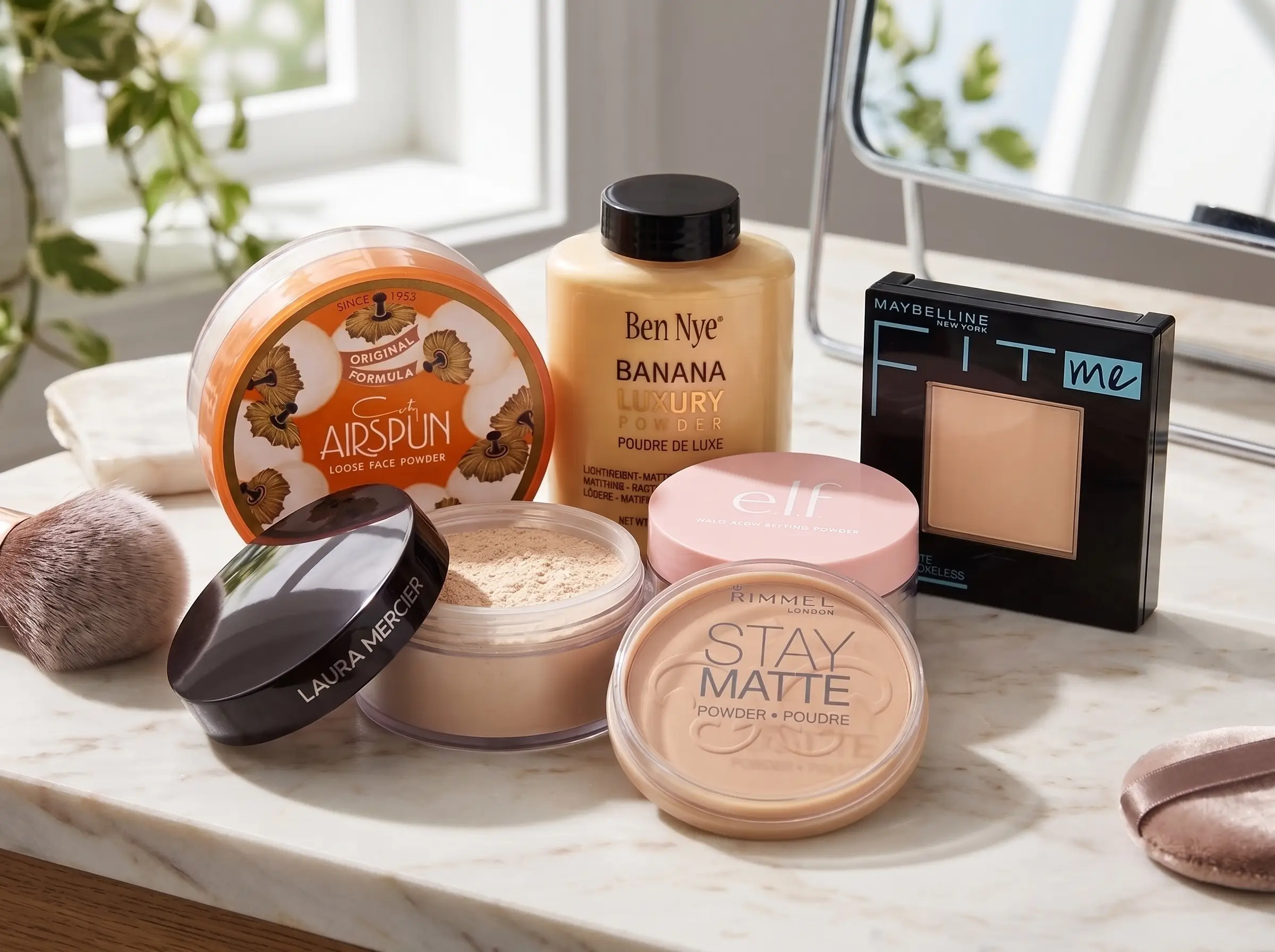
Best Setting Powders at a Glance
| Product | Best For | Type | Key Reason to Consider It |
|---|---|---|---|
| Coty Airspun Loose Face Powder | Budget loose powder | Loose | Long-time drugstore classic |
| Maybelline Fit Me Matte + Poreless Pressed Powder | Oily skin, touch-ups | Pressed | Matte, pore-blurring pressed powder |
| Rimmel Stay Matte Pressed Powder | Shine control on a budget | Pressed | Affordable matte pressed powder |
| e.l.f. Halo Glow Setting Powder | Soft, natural finish | Loose | Soft-focus powder with a light finish |
| Ben Nye Luxury Powder | Professional-style finish | Loose | Pro makeup favorite with a velvety finish |
| Laura Mercier Translucent Loose Setting Powder | Premium, finely milled | Loose | Well-known finely milled powder |
Coty Airspun Loose Face Powder
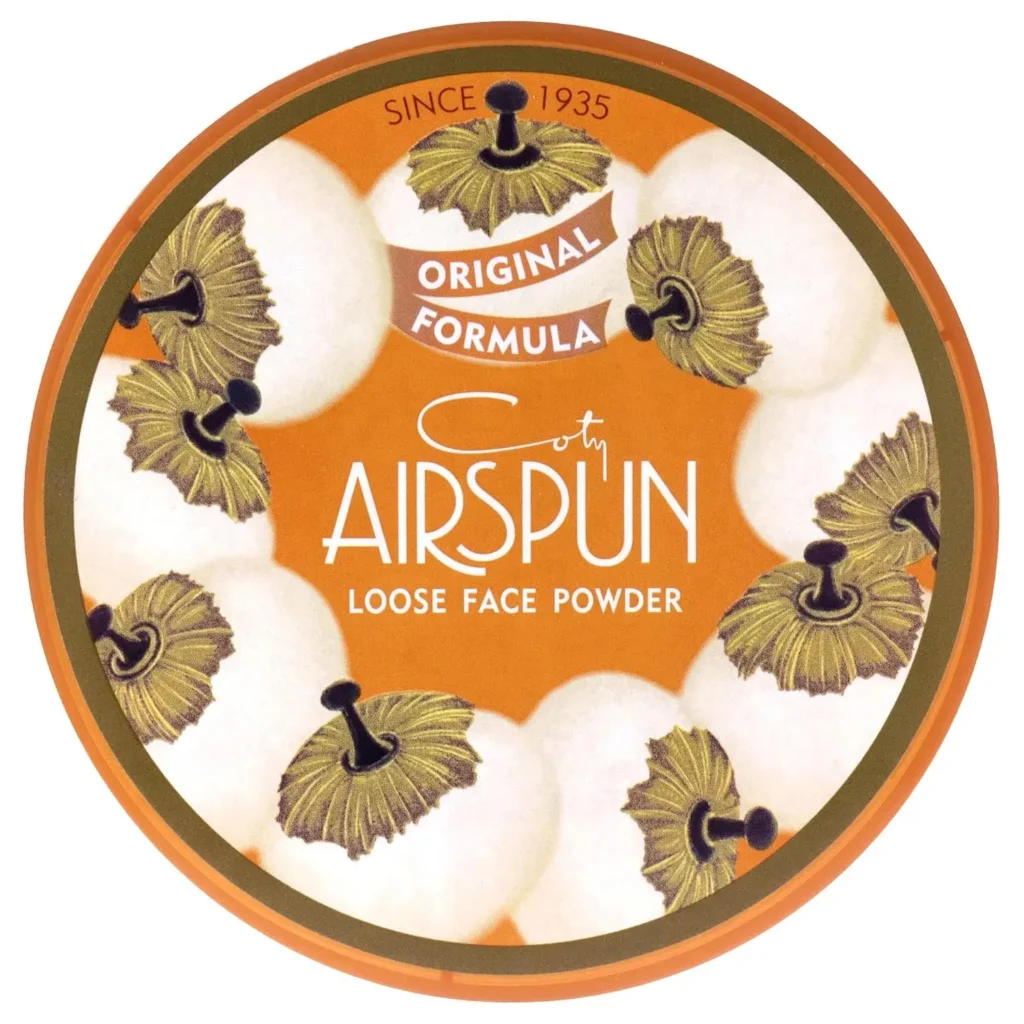
Best for: Budget loose powder
A classic drugstore loose powder that has been around for decades.
What makes it stand out: It’s affordable and widely available, and it comes in a large container.
Who may like it: People who want a budget-friendly loose powder for setting makeup.
Things to check before buying: Choose a shade carefully, and use a light hand, since it’s quite fine and can look heavy if overapplied. It’s scented in some versions.
Pros:
- Very affordable
- Large size
- Fine texture
- Easy to find
Cons:
- Can look dry if overused
- Fragranced in some versions
- Messy
Verdict: A good value classic, best used sparingly.
Maybelline Fit Me Matte + Poreless Pressed Powder
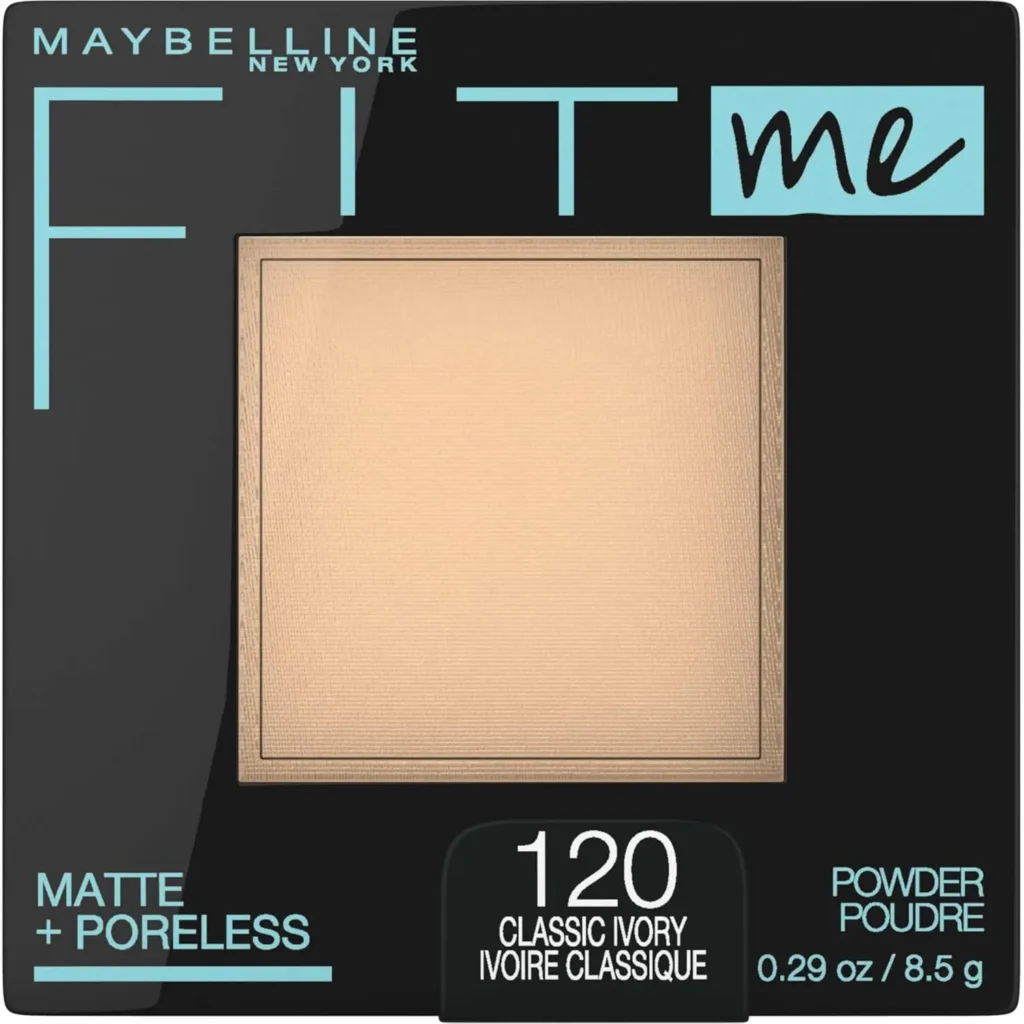
Best for: Oily skin, touch-ups
A pressed powder designed to blur pores and control shine.
What makes it stand out: It’s affordable, comes in many shades, and works well for touch-ups.
Who may like it: People with oily or combination skin.
Pros:
- Matte finish
- Many shades
- Convenient compact
- Affordable
Cons:
- Can look flat on dry skin
- May emphasize texture if layered
Verdict: A reliable choice for oily skin and midday touch-ups.
Rimmel Stay Matte Pressed Powder
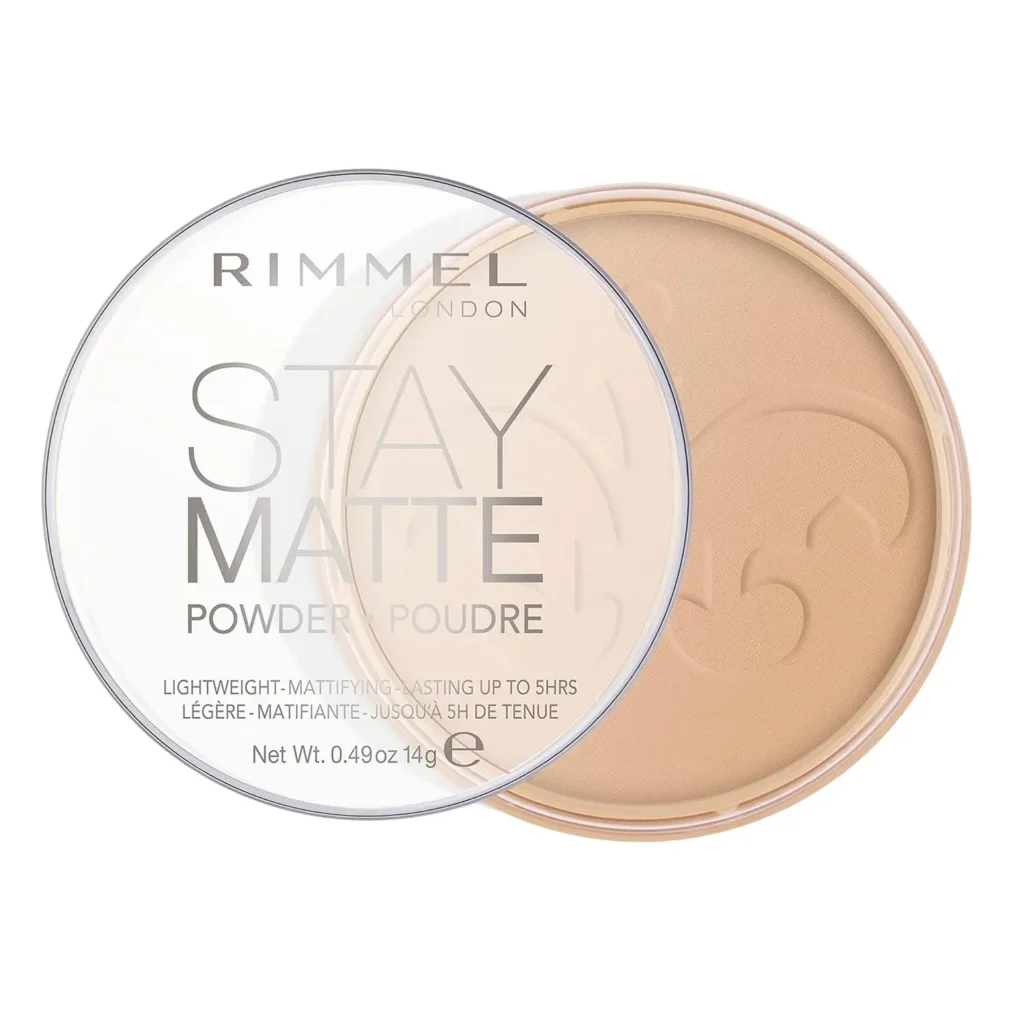
Best for: Shine control on a budget
A matte pressed powder that has been a drugstore favorite.
What makes it stand out: It targets shine at a very low price.
Who may like it: Budget shoppers with oily skin.
Pros:
- Very affordable
- Good shine control
- Compact for travel
Cons:
- Limited shades
- Can look dry on mature skin
Verdict: A simple, budget-friendly shine fighter.
e.l.f. Halo Glow Setting Powder
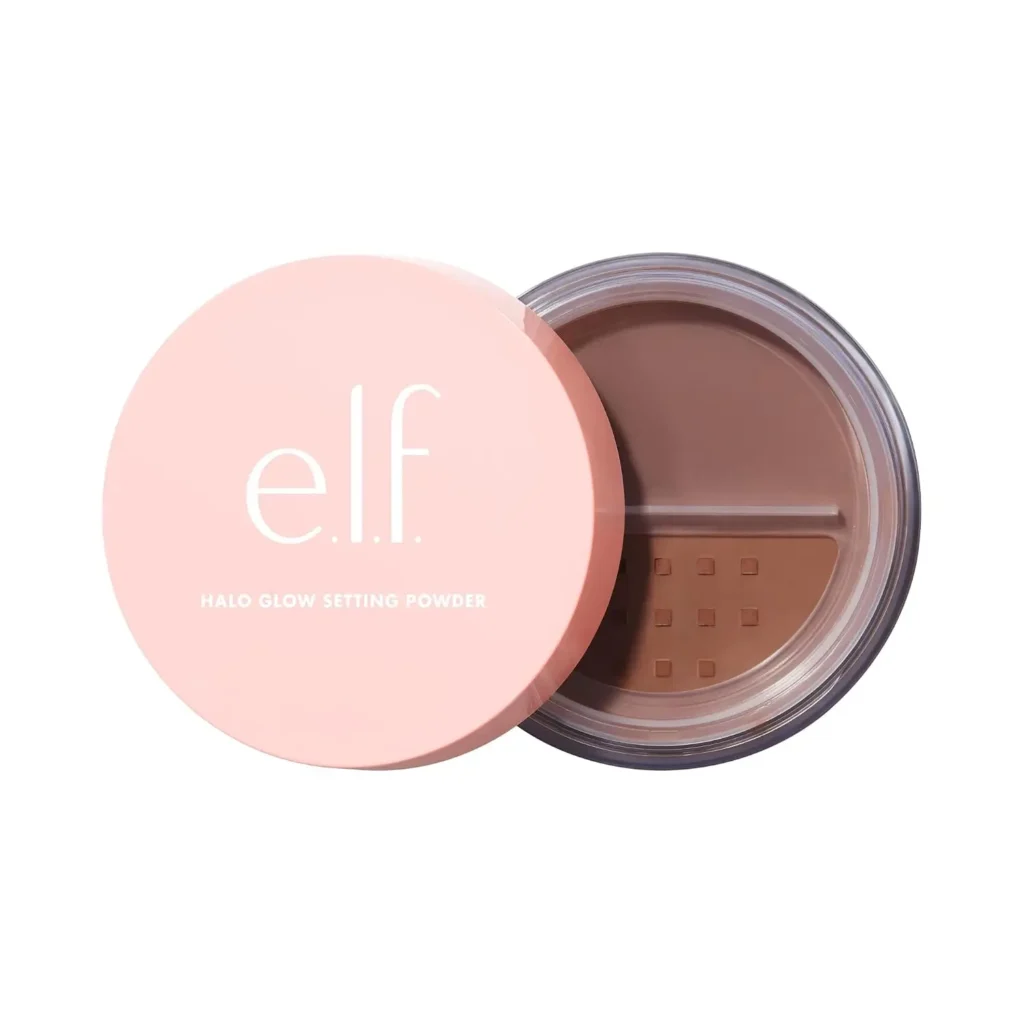
Best for: Soft, natural finish
A loose powder designed to give a soft-focus, natural look.
What makes it stand out: It sets makeup while keeping a lit-from-within feel.
Who may like it: Those with normal to combination skin who don’t want a flat finish.
Things to check before buying: Confirm the product name and shade options, since e.l.f. updates lines often.
Pros:
- Soft finish
- Affordable
- Lightweight feel
Cons:
- Less oil control than matte powders
- Shade range may be limited
Verdict: A softer option for dry or mature skin.
Ben Nye Luxury Powder
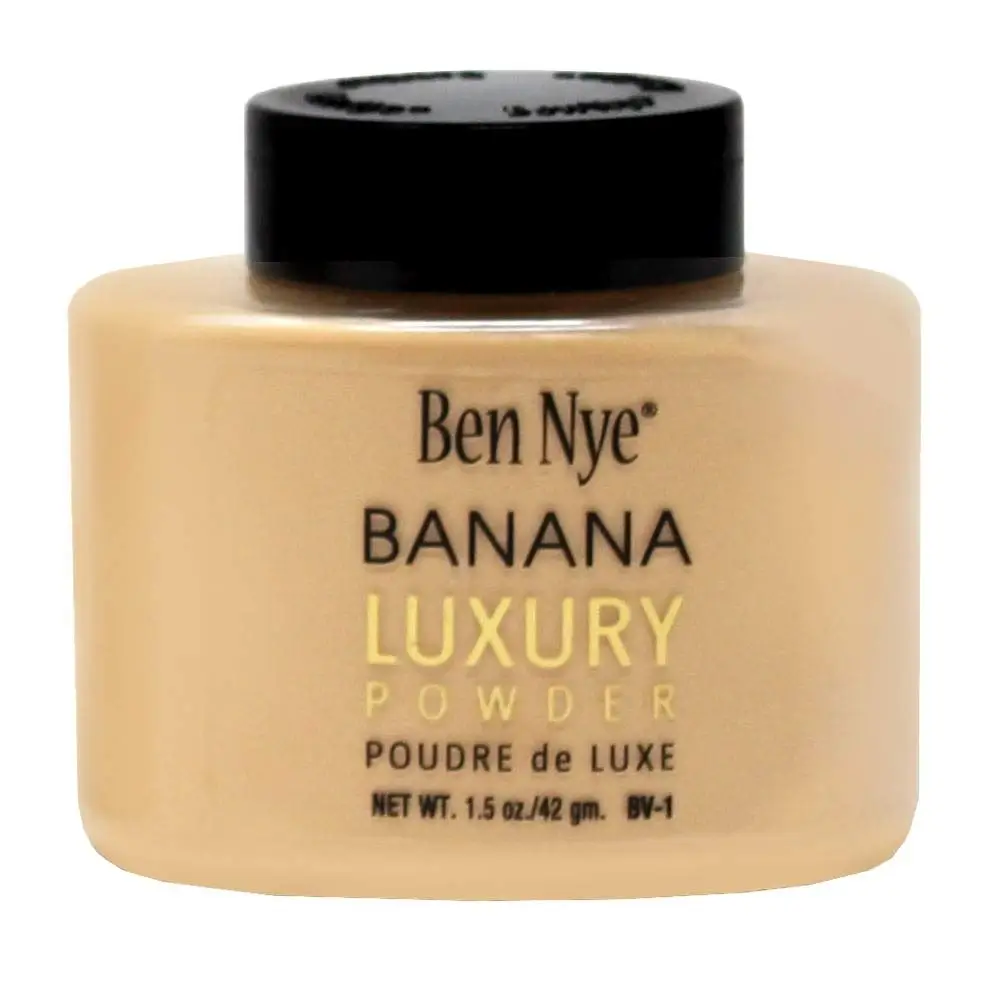
Best for: Professional-style finish
A finely milled powder with a long history in professional makeup.
What makes it stand out: It has a velvety finish and is widely used by makeup artists.
Who may like it: People who want a pro-style, finely milled powder.
Things to check before buying: Ben Nye makes many powders, so choose the specific formula and shade you want.
Pros:
- Fine, velvety texture
- Pro-trusted brand
- Good staying power
Cons:
- Shade selection can be confusing
- Loose, so messier
Verdict: A good option if you want a professional-style powder and are comfortable choosing a shade.
Laura Mercier Translucent Loose Setting Powder
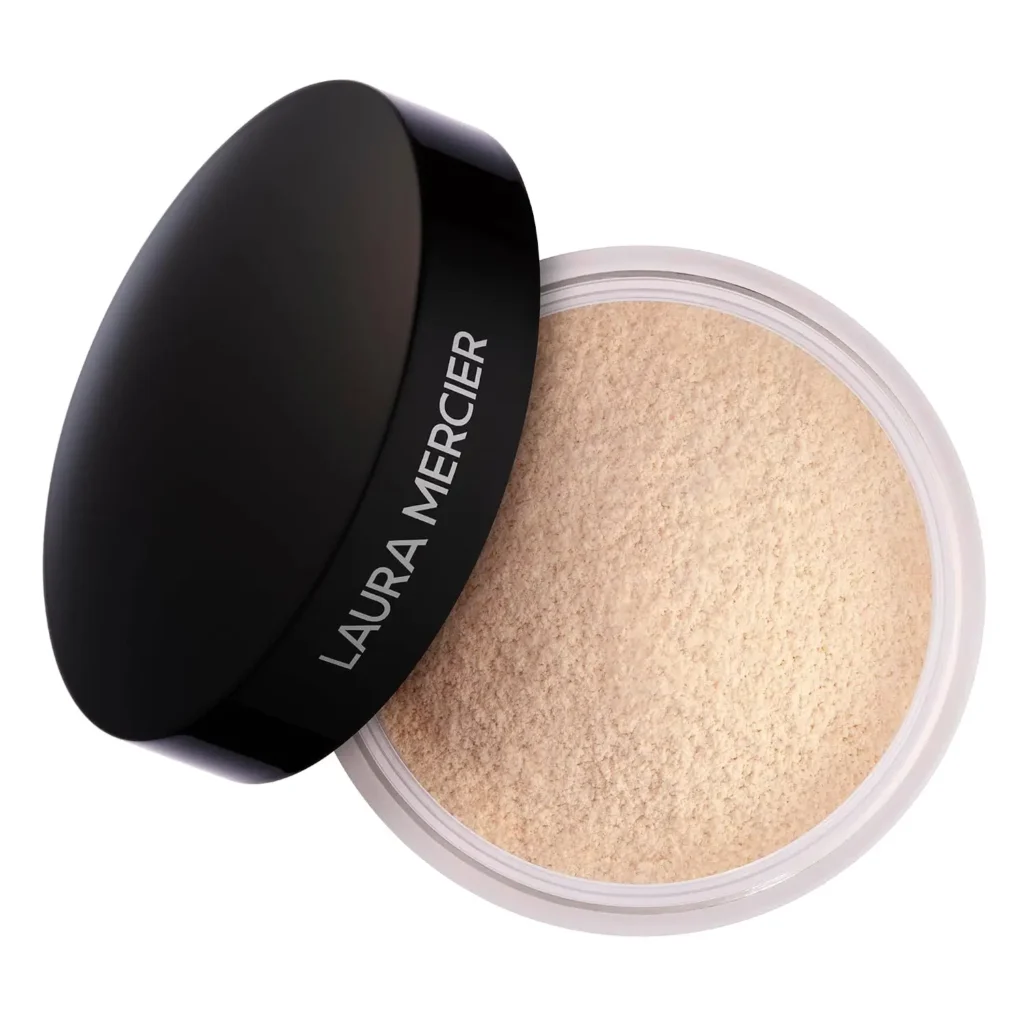
Best for: Premium, finely milled
A well-known premium loose powder with a fine texture.
What makes it stand out: It’s known for a smooth, soft-focus finish and a good reputation among makeup lovers.
Who may like it: People willing to spend more on a finely milled powder.
Things to check before buying: Confirm availability and the shade, and check that the seller is authorized.
Pros:
- Finely milled
- Soft finish
- Good for many skin tones
Cons:
- Premium price
- Loose and messy
Verdict: A pricey but well-liked option for a refined finish.
How to Choose the Best Setting Powder for You
- Oily skin: Maybelline Fit Me Matte + Poreless Pressed Powder or Rimmel Stay Matte Pressed Powder.
- Mature or dry skin: e.l.f. Halo Glow Setting Powder or Laura Mercier Translucent Loose Setting Powder.
- Budget: Coty Airspun Loose Face Powder.
- Professional-style finish: Ben Nye Luxury Powder.
- Touch-ups on the go: A pressed powder.
How to Apply Setting Powder Without Looking Cakey
The way you apply powder matters as much as the powder.
- Prep your skin. Moisturize and let it settle before makeup.
- Apply foundation or tint in thin layers. Thick base plus powder builds up quickly.
- Use a fluffy brush. A soft, large brush deposits a small amount.
- Tap off the excess. Tap the brush before touching your face.
- Press, don’t swipe. Gently press powder onto oily areas.
- Focus on the T-zone. Apply only where you get shiny.
- Use a damp sponge or a light touch on drier areas, or skip them.
- Finish with a mist of setting spray to blend the powder into the skin.
Powder for Mature Skin
Mature skin is often drier and shows lines more easily, so powder needs a lighter hand.
- Choose a finely milled, soft-focus powder.
- Use it only where needed, such as the T-zone.
- Skip powder around fine lines, or press it on very lightly.
- Avoid heavy “baking.” This technique can look dry on mature skin.
- Hydrate first. Good skincare helps makeup look smoother. See our guides to the best anti-aging skincare routine and night creams for mature skin.
- Follow the full guide. Our makeup for mature skin guide covers each step.
If your skin is mature and you want a lighter base, a tinted moisturizer or BB cream may need little or no powder.
Powder for Oily Skin
Oily skin benefits from a matte powder, but a few habits help it last.
- Start with a mattifying or lightweight moisturizer. See our guide to moisturizers for oily and combination skin.
- Use a long-wear base. Our guide to long-wear foundations for oily skin can help.
- Set under the eyes lightly, since powder can emphasize creases. A good concealer helps too.
- Blot midday. Blotting papers remove oil without adding more product.
- Reapply sparingly. Touch up the shiny areas only.
Setting Powder and Concealer
Setting under-eye concealer with powder can help prevent creasing, but too much can emphasize lines. Use a tiny amount, press it in with a small brush or sponge, and let it settle before you blend. If you tend to crease, choose a lightweight concealer and use less of it.
Baking: Should You Try It?
Baking means applying a thick layer of powder under the eyes and letting it sit before brushing it away. It can set concealer firmly, but it can look dry or heavy, especially on mature skin. Many people prefer a lighter approach. If you try it, use a small amount and brush away the excess thoroughly.
Common Mistakes
- Using too much. A small amount is enough.
- Choosing the wrong shade. A too-light powder can look ashy.
- Powdering dry areas. It can emphasize flakiness.
- Skipping skin prep. Dry skin plus powder looks worse.
- Using a dense, small brush. It deposits too much.
- Not blending. Visible lines of powder look unnatural.
- Layering too many products. Heavy foundation, concealer, and powder together can look cakey.
Frequently Asked Questions
Do I need setting powder?
Not everyone does. It helps with oily skin and long wear, but dry or mature skin may do better without it, or with just a little.
Is loose or pressed powder better?
Loose powder is finer and lighter, while pressed powder is more convenient. Many people use both.
Will setting powder make me look older?
It can emphasize lines if you use too much or a coarse formula. A light touch and a fine powder help.
Should I use translucent or tinted powder?
Translucent works for many, but tinted can look more natural, especially on deeper skin tones.
Can I wear powder on dry skin?
You can, sparingly and only where you need it, after hydrating well.
How do I stop powder from looking cakey?
Use a small amount, a fluffy brush, and thin layers of base makeup.
What brush should I use?
A large, fluffy brush for a light application, and a small brush for under the eyes.
Does setting powder replace setting spray?
No, they do different jobs. Many people use both.
Final Verdict
The best setting powder matches your skin and is used lightly. For oily skin, Maybelline Fit Me Matte + Poreless Pressed Powder and Rimmel Stay Matte Pressed Powder control shine on a budget. For mature or dry skin, e.l.f. Halo Glow Setting Powder and Laura Mercier Translucent Loose Setting Powder offer a softer finish. Coty Airspun is a classic budget loose powder, and Ben Nye Luxury Powder gives a professional-style finish. Whichever you choose, use a fluffy brush, tap off the excess, and powder only where you need it.