Disclosure: This article contains affiliate links. If you purchase a product through one of these links, we may earn a commission at no additional cost to you.

The Best Moisturizers for Oily and Combination Skin

If your skin gets shiny by midday, it can be tempting to skip moisturizer altogether. It seems logical: why add more moisture to skin that already feels greasy? But skipping moisturizer is one of the most common mistakes people with oily or combination skin make. Oily skin can still be dehydrated, and when skin lacks water, it may produce even more oil to compensate.
The right moisturizer solves this. A lightweight, oil-free formula hydrates the skin, supports its barrier, and can even help a shiny face look more balanced. The wrong one can feel heavy, clog pores, or leave you slicker by lunchtime. This guide explains how to choose and which popular moisturizers are worth considering.
Why Oily Skin Still Needs Moisturizer
Oil and water are different things. Oil (sebum) is a lipid produced by glands in your skin, while hydration refers to the water content in the skin. You can have plenty of oil and still be short on water, a state often called dehydrated skin. Signs include:
- A tight feeling after cleansing
- Shine alongside flaking or rough patches
- Fine lines that look more obvious
- Makeup that clings to dry spots
Moisturizer helps replenish water and support the skin’s barrier. Over-washing or using harsh products can strip skin and make oiliness worse, so a gentle routine usually works better. If you’re also dealing with breakouts, our guide to face washes for acne-prone skin can help you build a gentle cleansing routine.
Oily vs. Combination Skin
- Oily skin: Shine across most of the face, often with enlarged-looking pores and a tendency to breakouts.
- Combination skin: Oiliness in the T-zone (forehead, nose, chin), with normal or drier cheeks.
If you have combination skin, a lightweight gel-cream often works across the whole face, or you can use a lighter product on the T-zone and a slightly richer one on dry areas.
What to Look for in a Moisturizer for Oily or Combination Skin
Lightweight Textures
Gels, gel-creams, and lightweight lotions absorb quickly and don’t feel heavy.
Oil-Free or Non-Comedogenic
These labels suggest the formula is less likely to clog pores, though they aren’t guarantees for every person.
Humectants
Hyaluronic acid and glycerin draw water into the skin without adding oil.
Niacinamide
Niacinamide is often used to support balanced-looking skin and a smoother-looking appearance. See our guide to niacinamide serums.
Ceramides
Ceramides support the skin barrier without feeling greasy.
Mattifying Ingredients
Some moisturizers contain ingredients that help absorb oil and reduce shine.
SPF
A moisturizer with SPF can simplify your morning routine, but you should still apply enough sunscreen. See our guide to sunscreens that don’t leave a white cast.
Fragrance-Free Options
Fragrance can irritate sensitive or acne-prone skin, so fragrance-free is often a safer choice.
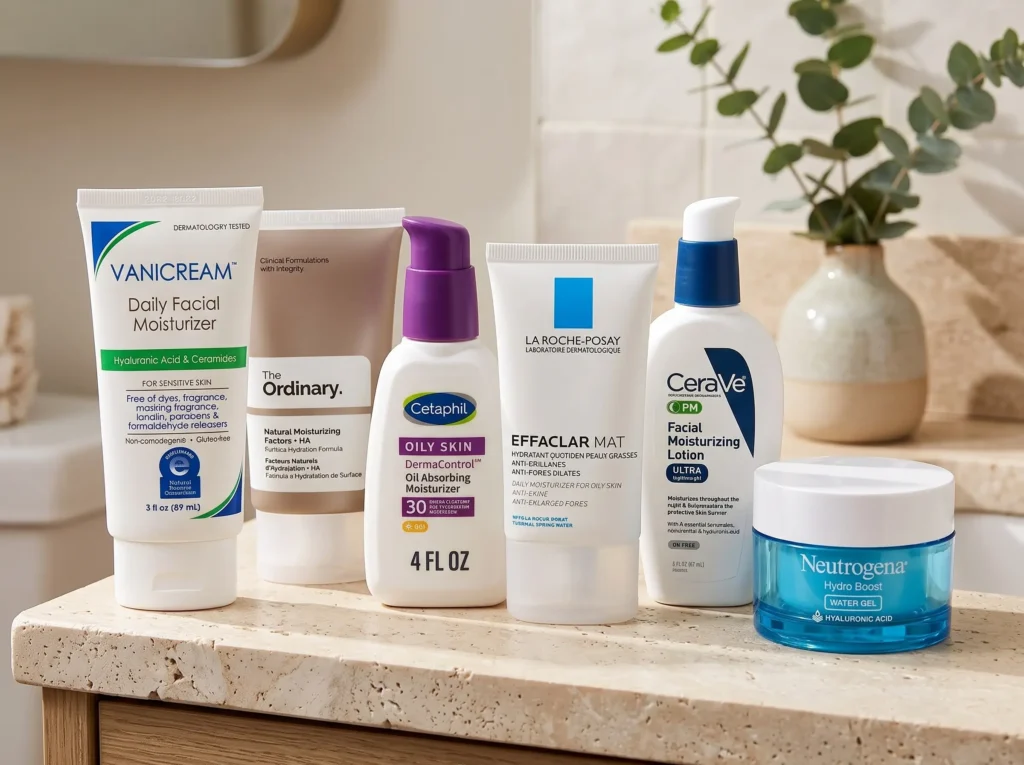
Best Moisturizers for Oily and Combination Skin at a Glance
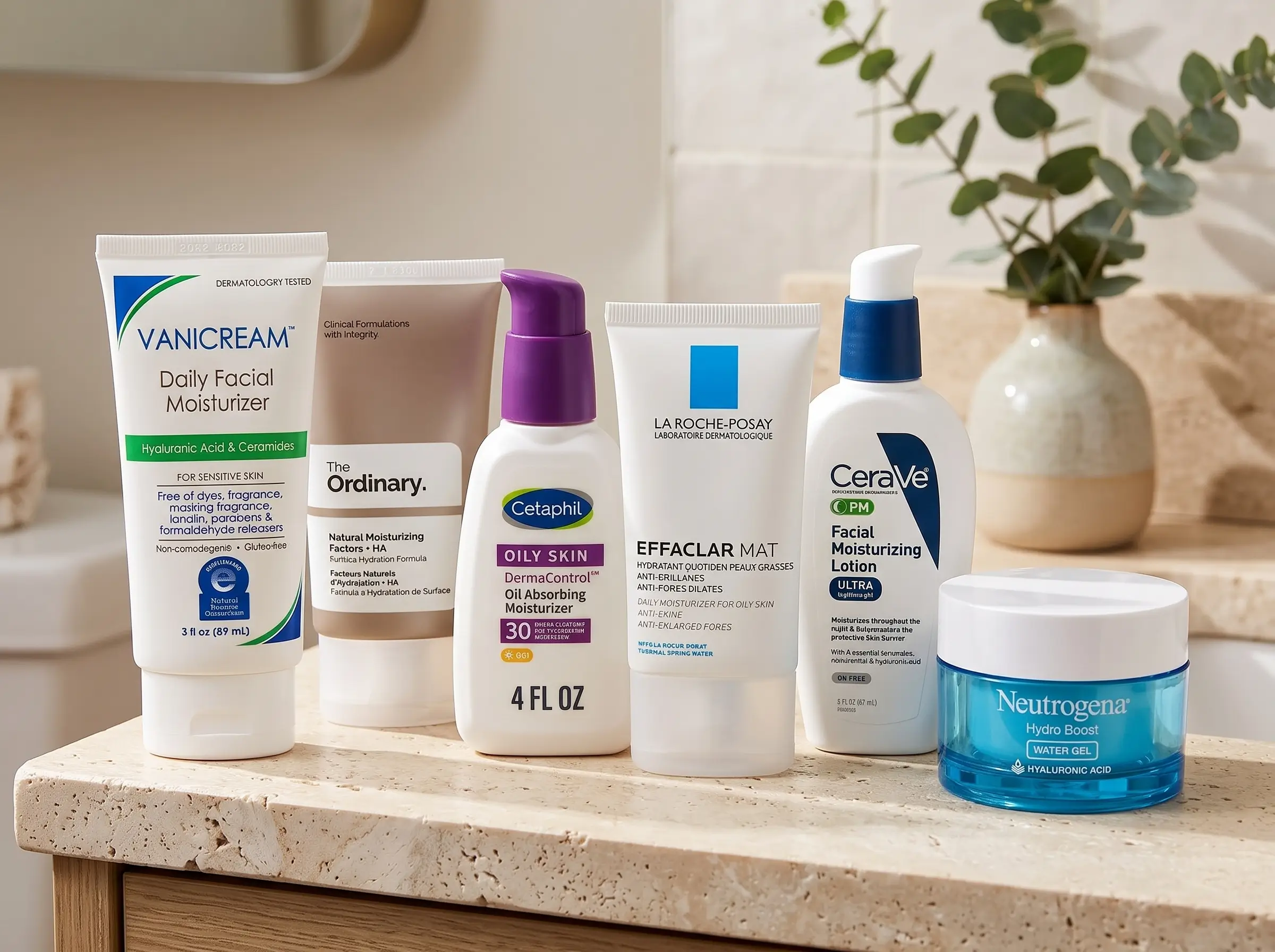
| Product | Best For | Texture | Key Reason to Consider It |
|---|---|---|---|
| Neutrogena Hydro Boost Water Gel | Dehydrated oily skin | Gel | Lightweight, water-based hydration |
| CeraVe PM Facial Moisturizing Lotion | Night-time hydration | Lightweight lotion | Ceramides and niacinamide in a light base |
| La Roche-Posay Effaclar Mat Moisturizer | Shine control | Lightweight cream | Mattifying formula for oily skin |
| Cetaphil Pro Oil Absorbing Moisturizer SPF 30 | Daytime with SPF | Lightweight lotion | Oil-absorbing formula with sun protection |
| The Ordinary Natural Moisturizing Factors + HA | Minimal, simple routines | Light cream | Affordable, simple hydration |
| Vanicream Daily Facial Moisturizer | Sensitive, oily skin | Light lotion | Fragrance-free and gentle |
Neutrogena Hydro Boost Water Gel
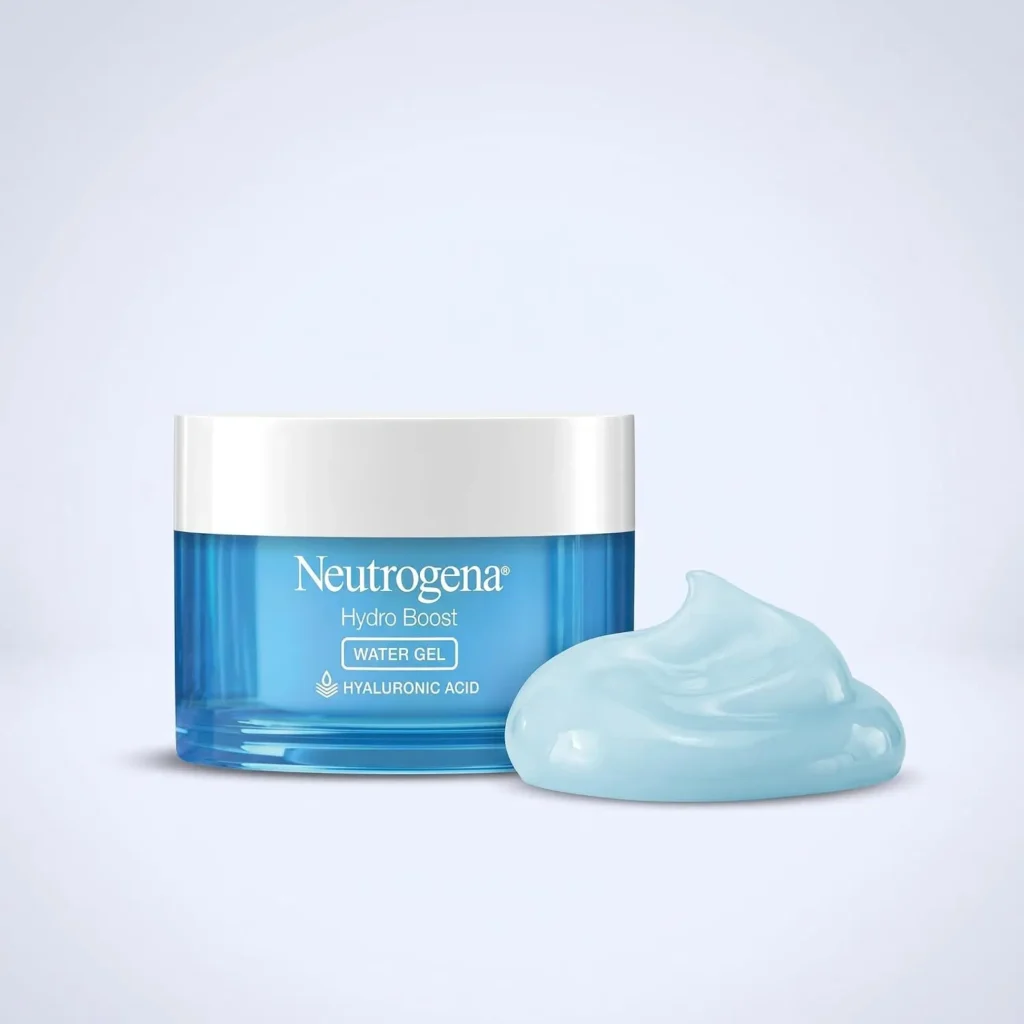
Best for: Dehydrated oily skin
A lightweight gel moisturizer with hyaluronic acid.
What makes it stand out: Its water-gel texture feels cooling and absorbs quickly, which suits oily skin that wants hydration without heaviness.
Who may like it: People who dislike the feel of creams.
Things to check before buying: Neutrogena sells several Hydro Boost products, including a version with fragrance and one that’s fragrance-free, so check the label if you’re sensitive.
Pros:
- Lightweight and fast-absorbing
- Hydrating
- Affordable
- Widely available
Cons:
- May not be enough for very dry areas
- Some versions are fragranced
Verdict: A popular, easy-to-use choice for oily or combination skin.
CeraVe PM Facial Moisturizing Lotion
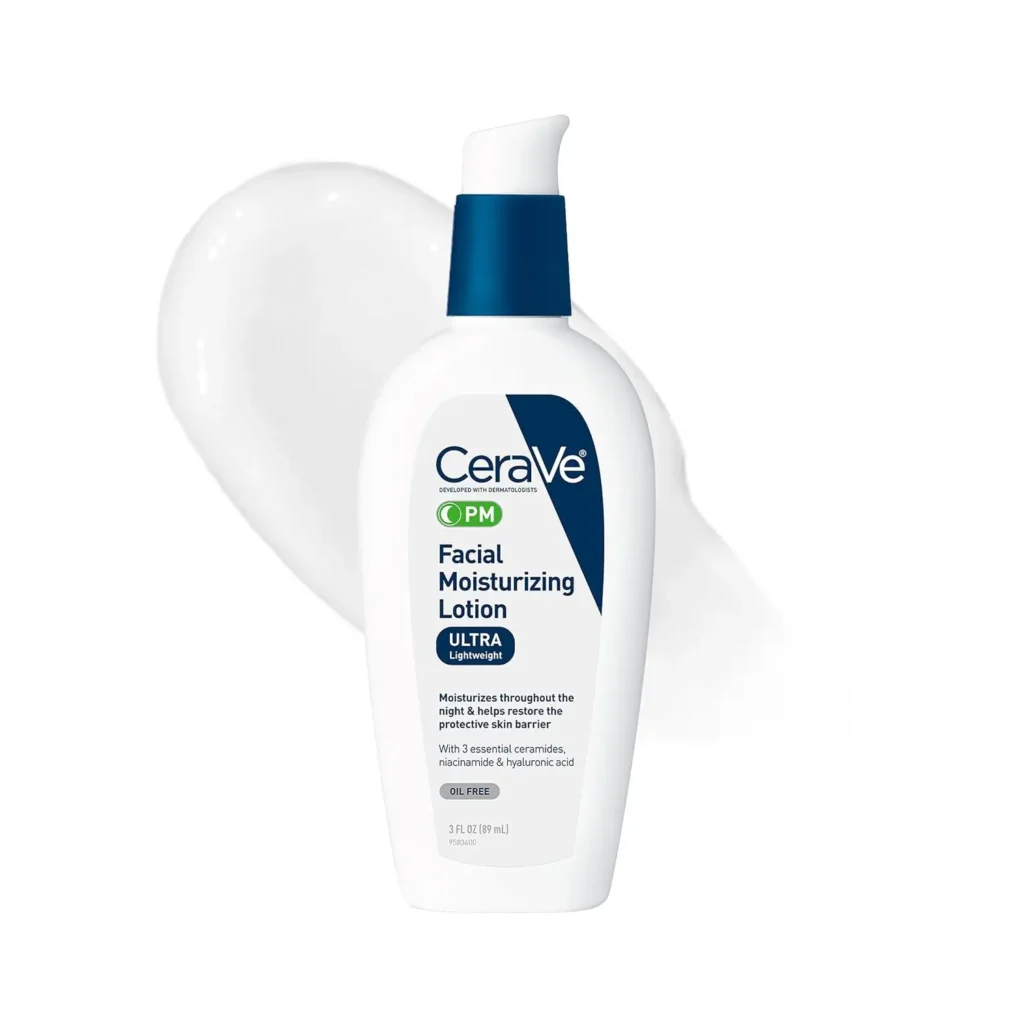
Best for: Night-time hydration
A lightweight lotion with ceramides and niacinamide.
What makes it stand out: It combines barrier support with a light texture, so it doesn’t feel heavy overnight.
Who may like it: People who want a gentle night moisturizer for oily or combination skin.
Pros:
- Ceramides and niacinamide
- Lightweight
- Fragrance-free
- Affordable
Cons:
- Not specifically mattifying
- No SPF, so it’s meant for night
Verdict: A dependable night-time option that doesn’t feel greasy.
La Roche-Posay Effaclar Mat Moisturizer
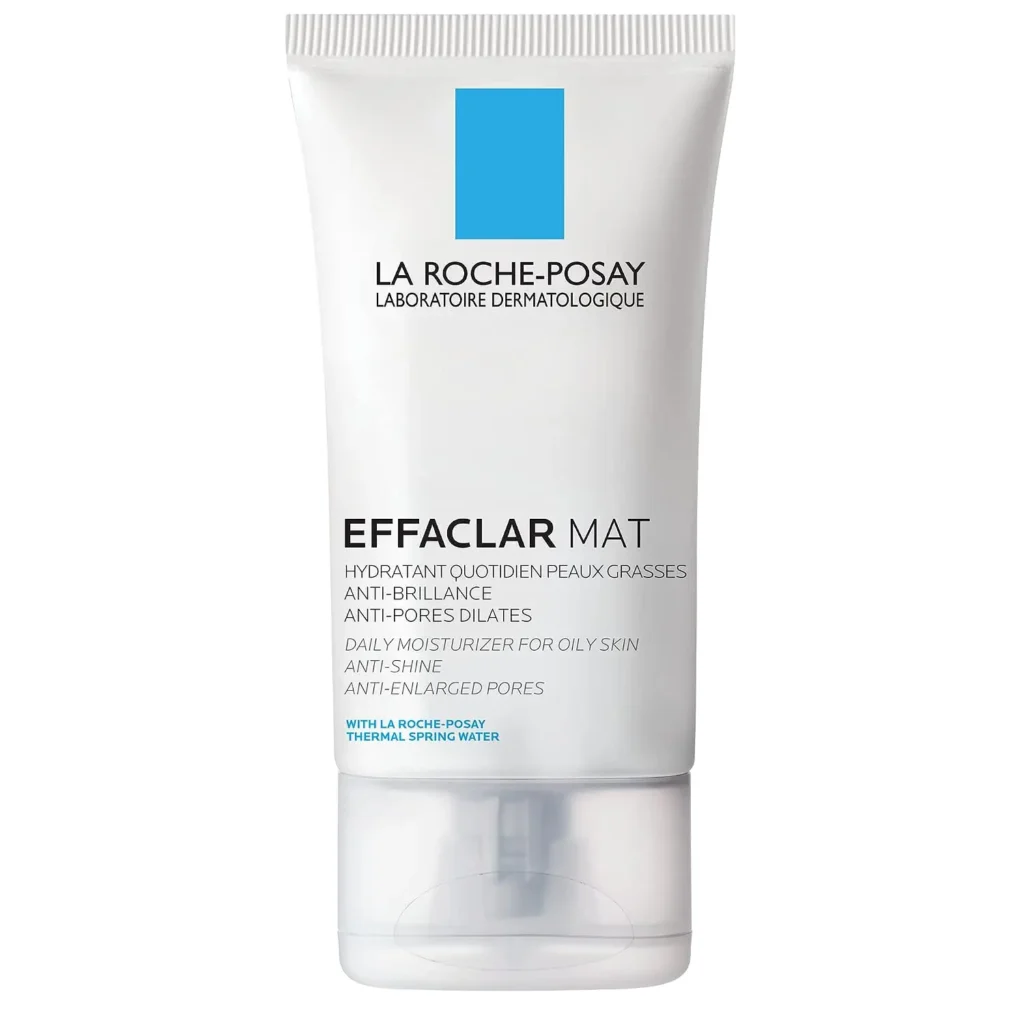
Best for: Shine control
A lightweight moisturizer designed to control shine.
What makes it stand out: It’s formulated to leave a matte finish, which suits very oily skin.
Who may like it: People who struggle with midday shine.
Things to check before buying: Product names and formulas in the Effaclar line change, so confirm that you’re buying the mattifying moisturizer.
Pros:
- Mattifying
- Lightweight
- Good under makeup
- Dermatologist-developed brand
Cons:
- Premium price
- May feel drying on combination skin
Verdict: A strong choice if shine control is your top priority.
Cetaphil Pro Oil Absorbing Moisturizer SPF 30
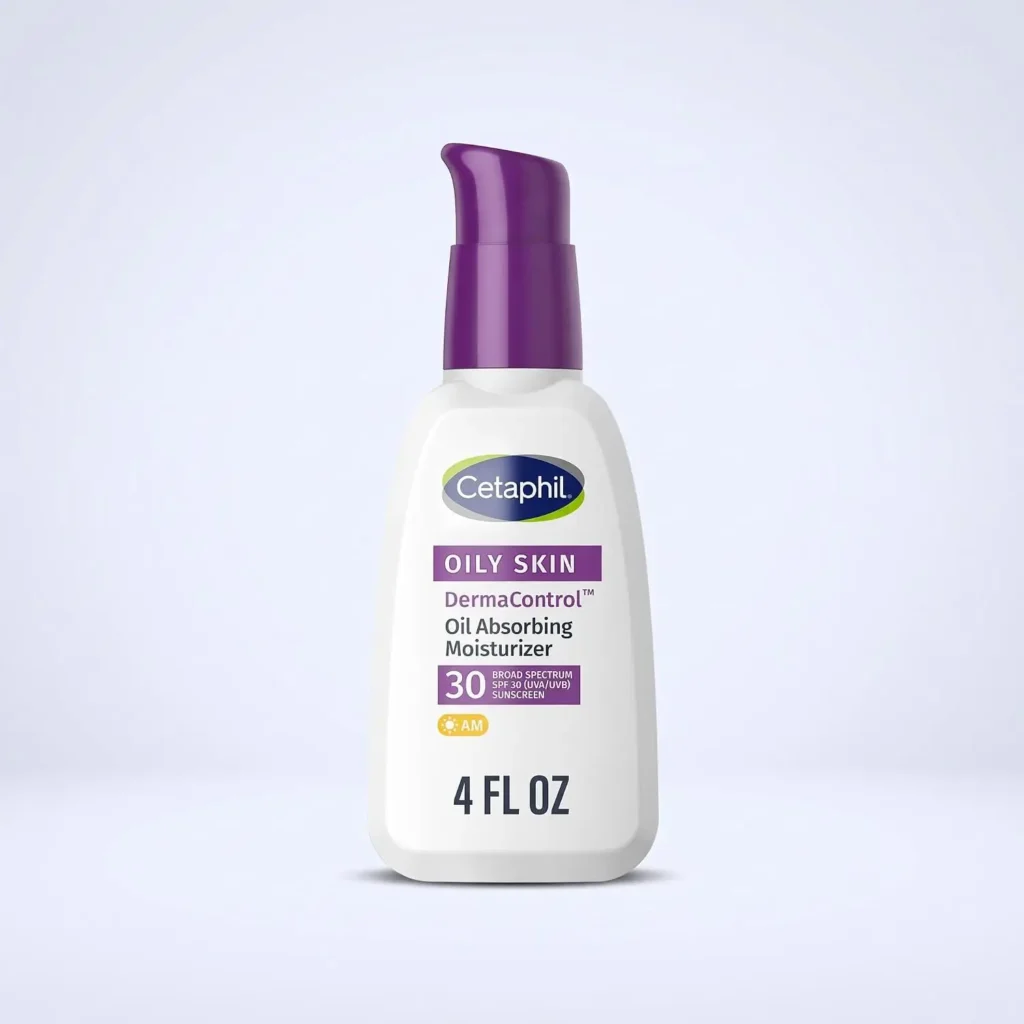
Best for: Daytime with SPF
A daytime moisturizer that absorbs excess oil and includes sun protection.
What makes it stand out: It combines oil control with SPF, which simplifies a morning routine.
Who may like it: People who want one step for hydration and sun protection.
Things to check before buying: Confirm the exact product name and that it’s still sold, since Cetaphil’s product lines change.
Pros:
- Oil-absorbing
- Includes SPF
- Lightweight
- Good for under makeup
Cons:
- May need extra sunscreen for full protection
- Texture varies by person
Verdict: A convenient daytime moisturizer for oily skin.
The Ordinary Natural Moisturizing Factors + HA
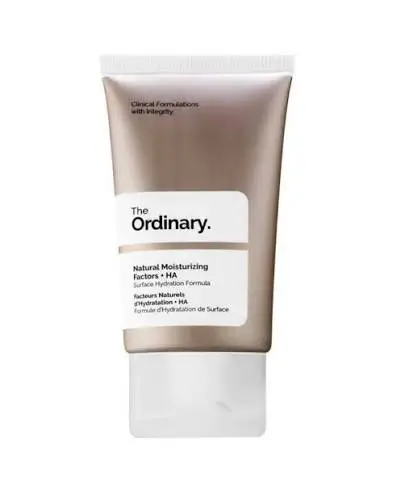
Best for: Minimal, simple routines
A simple, light moisturizer that focuses on hydration.
What makes it stand out: It’s affordable and minimal, with no extras.
Who may like it: People who like a simple, short routine.
Pros:
- Very affordable
- Simple formula
- Lightweight feel
Cons:
- Plain, with few extras
- May feel slightly thick for very oily skin
Verdict: A good basic moisturizer when you want hydration without fuss.
Vanicream Daily Facial Moisturizer
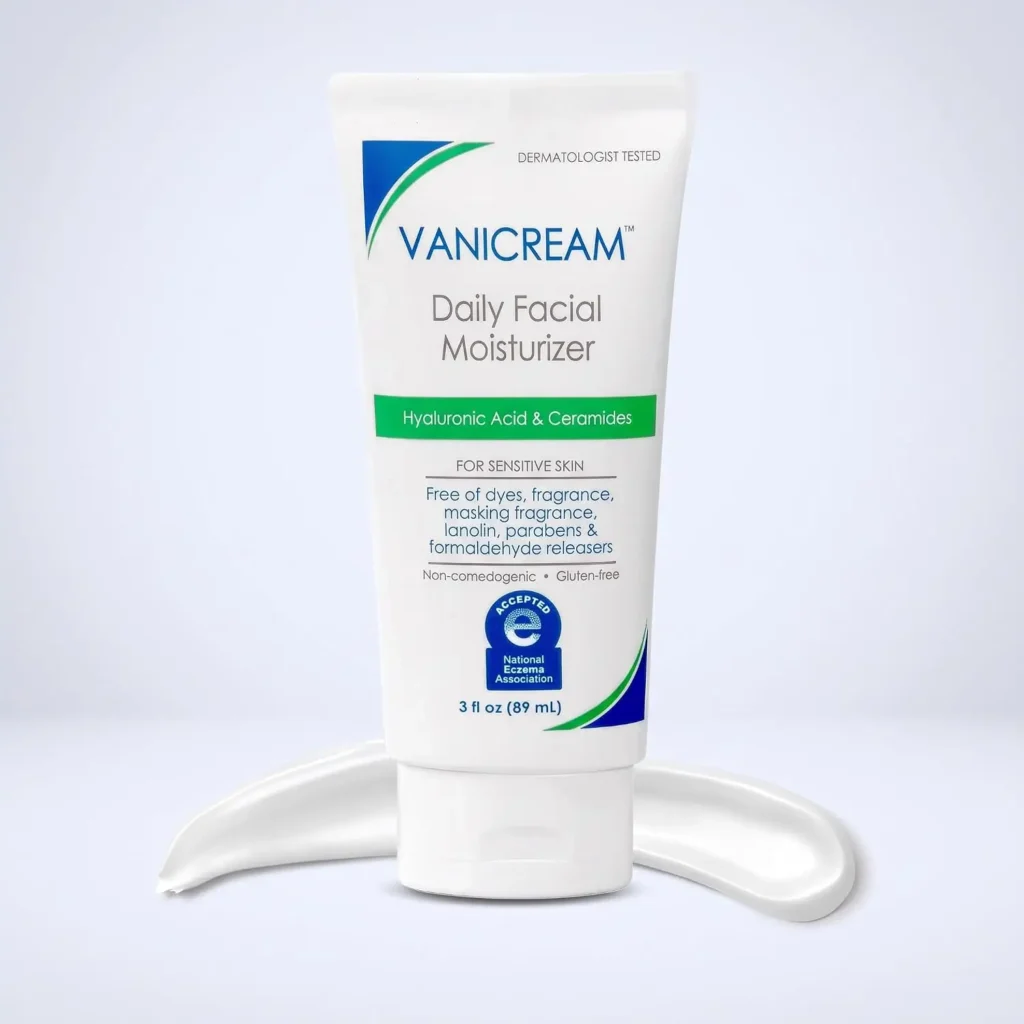
Best for: Sensitive, oily skin
A gentle, fragrance-free lotion.
What makes it stand out: It’s designed for sensitive skin and avoids common irritants.
Who may like it: People with oily skin that’s also easily irritated.
Pros:
- Fragrance-free
- Gentle
- Affordable
- Good for sensitive skin
Cons:
- Not mattifying
- Basic formula
Verdict: A calm, reliable choice for reactive skin.
How to Choose the Best Moisturizer for You
- Dehydrated, oily skin: Neutrogena Hydro Boost Water Gel.
- Night-time use: CeraVe PM Facial Moisturizing Lotion.
- Very shiny skin: La Roche-Posay Effaclar Mat Moisturizer.
- Daytime with SPF: Cetaphil Pro Oil Absorbing Moisturizer SPF 30.
- Minimal routine: The Ordinary Natural Moisturizing Factors + HA.
- Sensitive skin: Vanicream Daily Facial Moisturizer.
How to Moisturize Oily or Combination Skin
- Cleanse gently. Use a gentle cleanser twice a day.
- Apply serums first. A hyaluronic acid serum or niacinamide can go under moisturizer. See our skincare layering guide for the order.
- Use a small amount. A pea-sized to nickel-sized amount is often enough.
- Apply to damp skin. It can help hydration.
- Follow with sunscreen in the morning.
- Adjust by zone. Use a bit more on dry cheeks and less on the T-zone if you have combination skin.
- Moisturize at night too. Skin repairs overnight, and hydration still matters.
Ingredients to Be Cautious With
- Heavy oils and butters like coconut oil or shea butter can feel too rich for some oily skin.
- Fragrance and essential oils can irritate.
- Alcohol-heavy formulas can feel drying and trigger oiliness.
- Overly rich night creams may cause clogged pores in some people.
Everyone’s skin is different, so what works for one oily-skinned person may not suit another.
Common Mistakes
- Skipping moisturizer. Dehydrated skin can look and feel oilier.
- Over-cleansing. Washing too often can strip skin.
- Using too many active products at once. Irritation can increase oil and breakouts.
- Choosing a moisturizer that’s too heavy. Lighter gels often work better.
- Forgetting sunscreen. It’s an essential step.
- Not giving a product time. Skin often needs several weeks to adjust.
Building a Simple Routine for Oily Skin
- Morning: Gentle cleanser, niacinamide serum, lightweight moisturizer, sunscreen.
- Evening: Gentle cleanser, treatment serum if you use one, lightweight moisturizer.
- A few times a week: A gentle exfoliating toner to help keep pores clear.
If you’re using a stronger active such as retinol, see our guide to retinol for beginners to introduce it slowly, and always moisturize afterward.
Makeup Over Moisturizer
If you wear makeup, a lightweight, fast-absorbing moisturizer makes a good base. Let it sink in for a few minutes before applying foundation. A light, oil-free tinted product can also work well, and our guide to tinted moisturizers and BB creams covers options. If your makeup tends to slide off, our guide to long-wear foundations for oily skin can help.
When to See a Dermatologist
See a dermatologist if:
- Your acne is painful, cystic, or scarring
- Your skin is very irritated, red, or peeling
- Over-the-counter products aren’t helping after several weeks
- You suspect an allergy or a skin condition such as rosacea or seborrheic dermatitis
Frequently Asked Questions
Do I need moisturizer if I have oily skin?
Yes. Oily skin can still be dehydrated, and moisturizer supports the skin barrier.
What type of moisturizer is best for oily skin?
Lightweight, oil-free gels and lotions with hyaluronic acid, ceramides, or niacinamide are good options.
Can moisturizer make oily skin worse?
A heavy or pore-clogging formula can, which is why lightweight, non-comedogenic options are preferred.
Is a gel moisturizer better than a cream?
Many people with oily skin prefer gels for their light feel, though creams can work if they’re lightweight.
How often should I moisturize?
Typically twice a day, morning and night.
Can I use a moisturizer with SPF at night?
You don’t need SPF at night, so a regular moisturizer is fine.
Should combination skin use two moisturizers?
Some people do, using a lighter one on the T-zone and a richer one on dry cheeks.
How long should I try a moisturizer before deciding?
Give it a few weeks unless it irritates your skin.
Final Verdict
The best moisturizer for oily or combination skin is lightweight, comfortable, and hydrating. Neutrogena Hydro Boost Water Gel is a popular option for dehydrated oily skin, CeraVe PM Facial Moisturizing Lotion suits night-time, La Roche-Posay Effaclar Mat targets shine, Cetaphil Pro Oil Absorbing Moisturizer SPF 30 handles daytime sun protection, The Ordinary Natural Moisturizing Factors + HA keeps things simple, and Vanicream Daily Facial Moisturizer is gentle for sensitive skin. Don’t skip moisturizer, and give any new product a few weeks before deciding.