Disclosure: This article contains affiliate links. If you purchase a product through one of these links, we may earn a commission at no additional cost to you.

The Best Face Sunscreens for Daily Wear

If you could only keep one skincare product, dermatologists would almost all say the same thing: sunscreen. It is the single most effective everyday step for protecting skin from sun damage, and it supports every other product in your routine, from vitamin C to retinol.
The challenge is finding a face sunscreen you actually enjoy wearing. A formula that feels greasy, leaves a white cast or stings your eyes will end up at the back of the drawer. This guide explains how to choose a face sunscreen for daily wear and highlights popular options for different skin types.
Why You Need Sunscreen Even in Winter
It is easy to skip sunscreen when the weather is gray and cold, but UV rays do not take the season off. UVA rays, which are linked to premature aging and can pass through clouds and window glass, are present all year. If you sit near a window, drive or spend time outside, your skin is getting exposure.
Sunscreen is also not just about avoiding sunburn. Consistent use helps protect against uneven tone, dark spots and visible signs of aging. If you use brightening serums or dark spot correctors, daily sunscreen helps stop those spots from coming back.
Mineral vs. Chemical Sunscreen: What Is the Difference?
Sunscreens fall into two main groups, and each has its fans.
Mineral (physical) sunscreens use zinc oxide, titanium dioxide or both. They sit on top of the skin and reflect or scatter UV rays. They tend to be gentler, which makes them a popular choice for sensitive, reactive or acne-prone skin. Older formulas could leave a white cast, but newer ones are more sheer, and tinted versions blend more easily.
Chemical (organic) sunscreens use ingredients such as avobenzone, octocrylene or newer filters that absorb UV rays and convert them to heat. They are usually lightweight, spread easily and are often invisible on the skin, which many people prefer for daily wear and under makeup. Some people with very sensitive skin find certain chemical filters irritating.
Hybrid sunscreens combine both types. Neither is better in every case. The best sunscreen is the one that suits your skin and that you will wear every day.
What to Look for in a Face Sunscreen
- Broad-spectrum. This means it protects against both UVA and UVB rays.
- SPF 30 or higher. SPF 30 blocks about 97 percent of UVB rays, and SPF 50 blocks slightly more. Higher numbers add only small gains, so wearing it consistently matters more than chasing a high number.
- A texture you like. Lightweight fluids, gel creams, tinted lotions and moisturizing creams all exist. Pick one that suits your skin type.
- Skin-friendly ingredients. Hyaluronic acid, niacinamide, ceramides and glycerin are common additions that make sunscreen feel more comfortable.
- Fragrance-free, if your skin is sensitive.
- Non-comedogenic, if you are prone to breakouts.
Best Face Sunscreens for Daily Wear
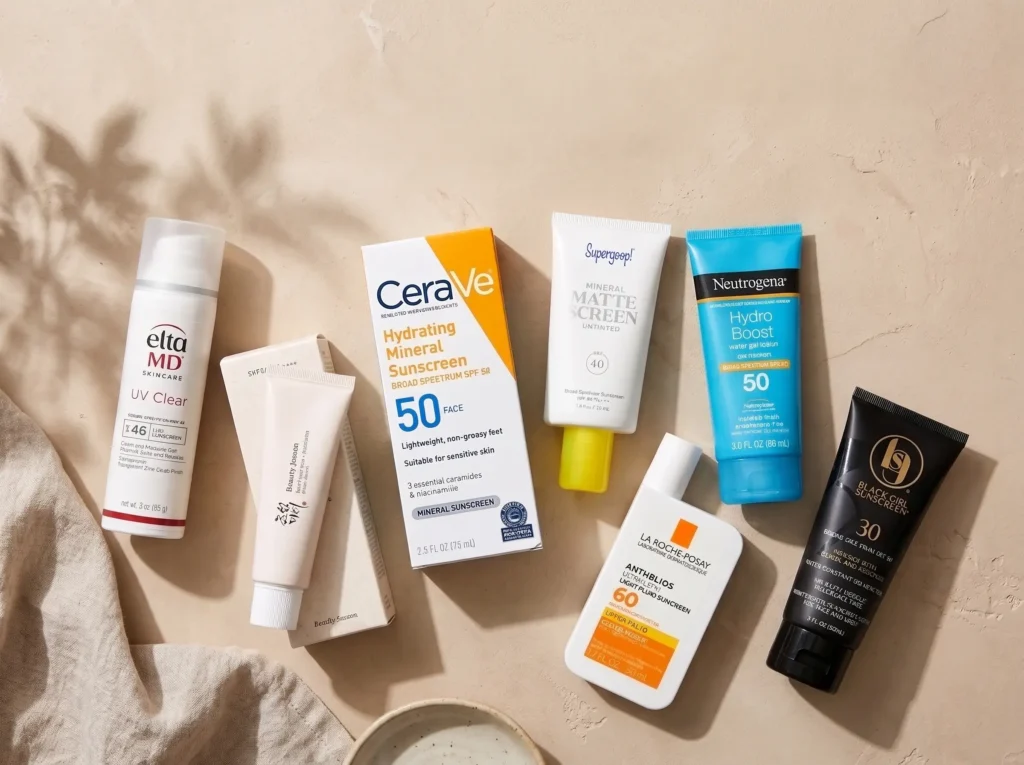
Formulas and labels change, so confirm the SPF and filter type on the current product page.
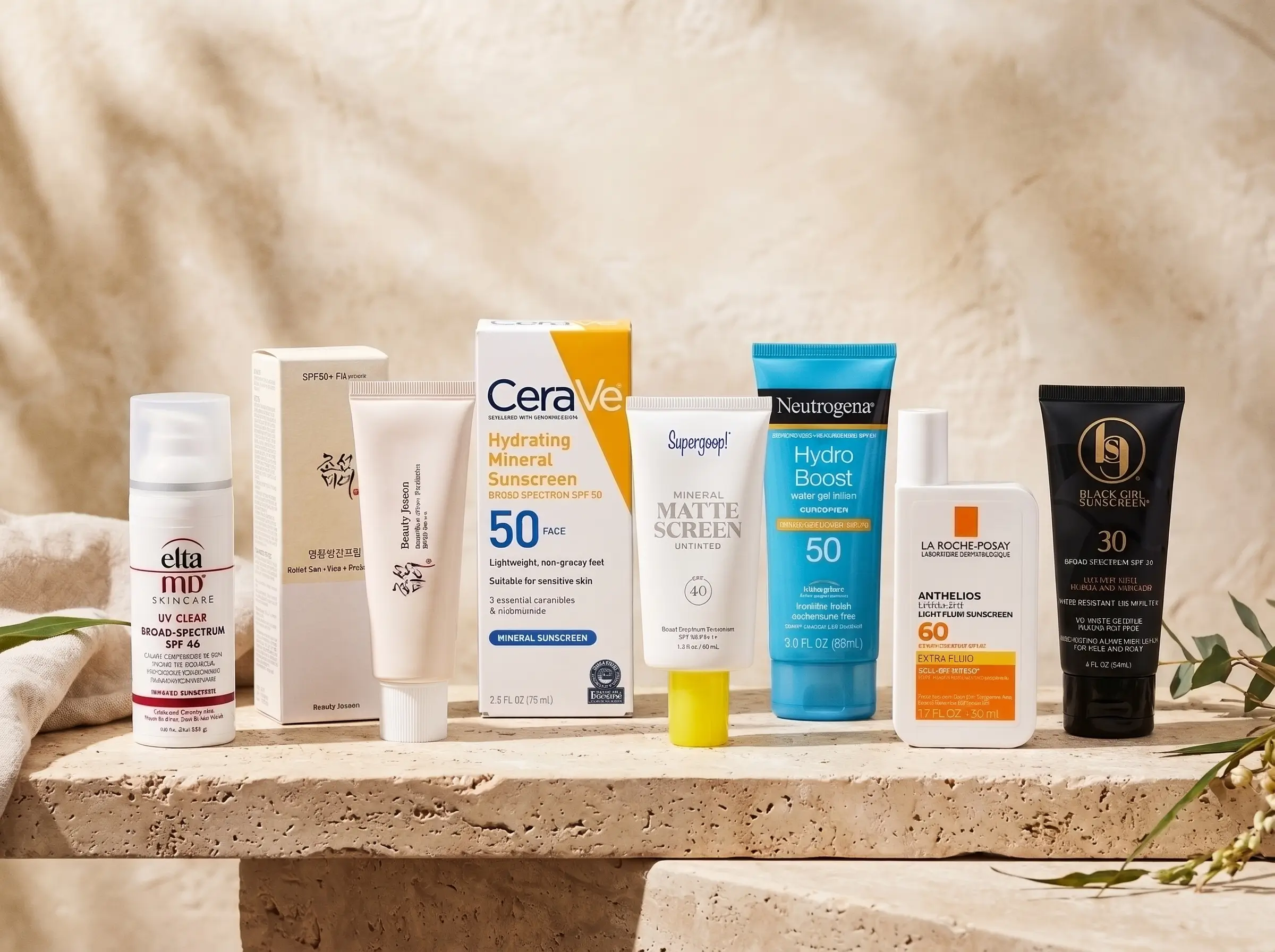
Best for Sensitive Skin: EltaMD UV Clear Broad-Spectrum SPF 46
A long-time favorite with people who have sensitive or breakout-prone skin. It uses a mineral filter blend and includes niacinamide, and it is often recommended by skin professionals.
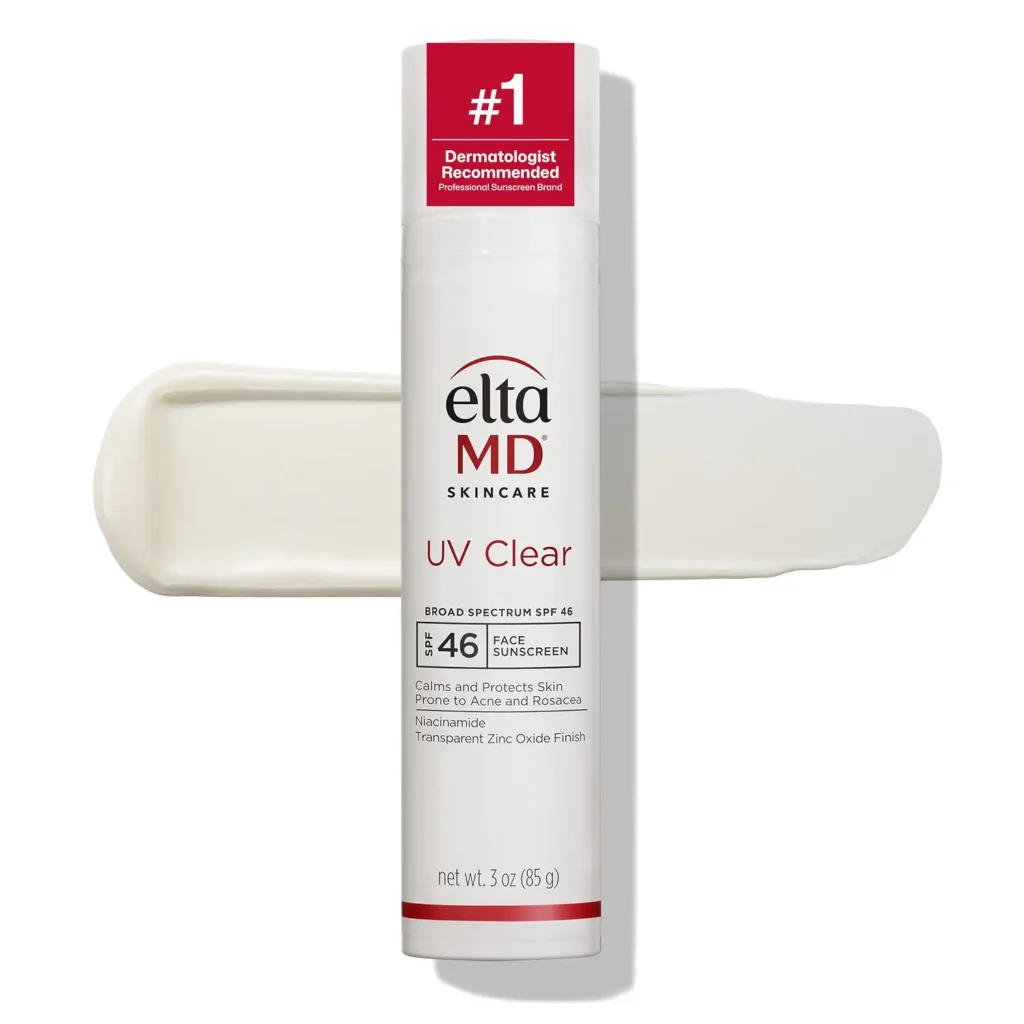
EltaMD UV Clear Broad-Spectrum SPF 46
Best Lightweight Under Makeup: Supergoop Unseen Sunscreen SPF 40
This invisible, silky formula is designed to feel like a primer. It layers smoothly under foundation, which makes it a go-to for daily makeup wearers. If you like a natural finish, you can pair it with a tinted moisturizer for light coverage.
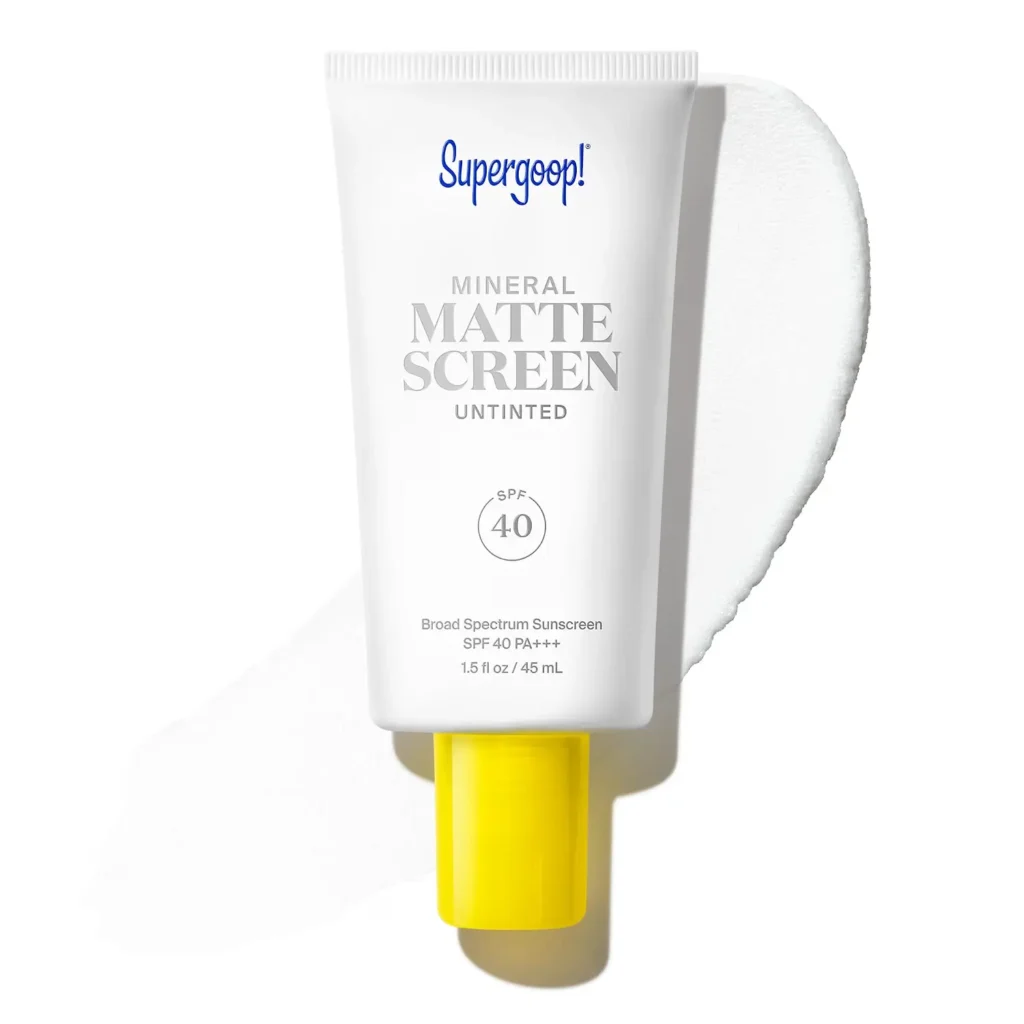
Supergoop Unseen Sunscreen SPF 40
Best Budget Pick: CeraVe Hydrating Mineral Sunscreen for Face
An affordable, easy-to-find mineral option that includes ceramides and niacinamide, with tinted and untinted versions. A good starting point if you are new to daily SPF.
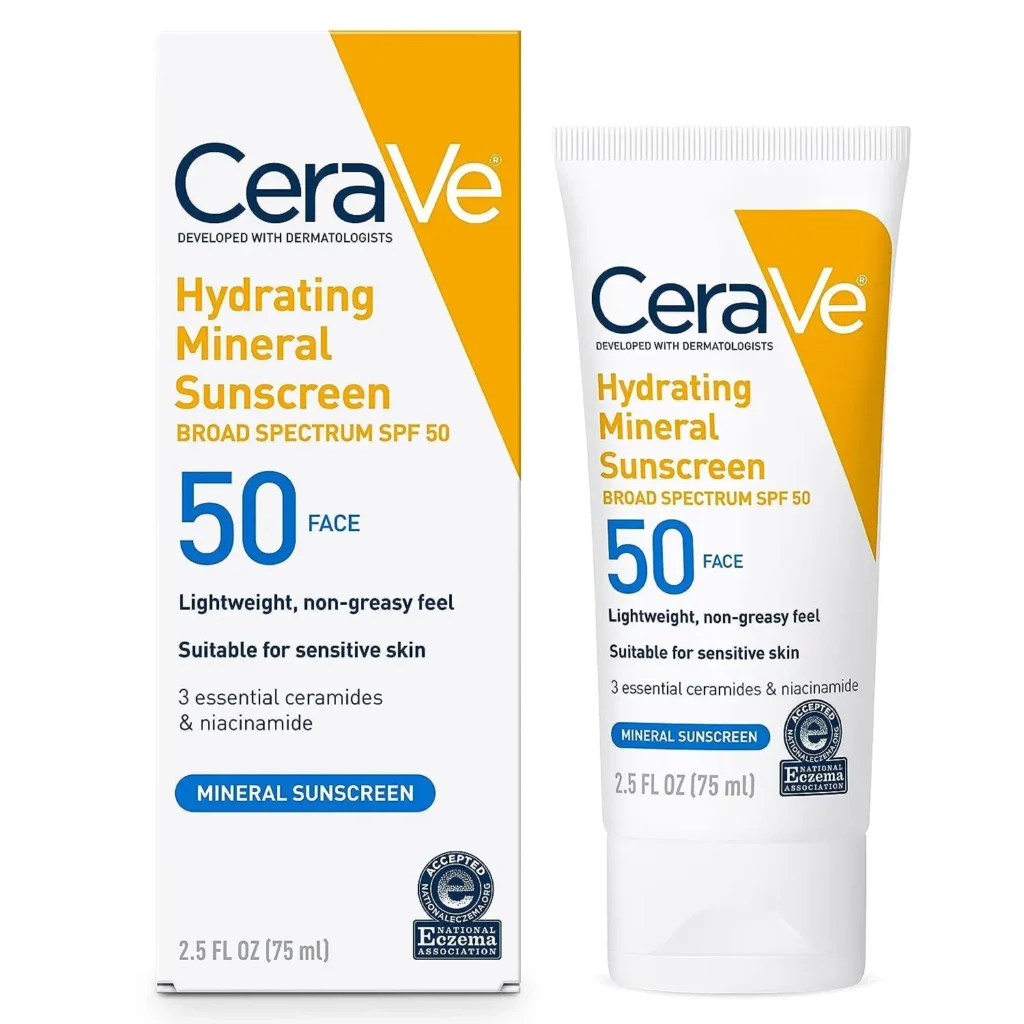
CeraVe Hydrating Mineral Sunscreen Face
Best for Dry Skin: La Roche-Posay Anthelios Face Sunscreen
La Roche-Posay is known for formulas designed for sensitive skin, and its Anthelios range has several face options. Choose a hydrating version if your skin is dry or tight.
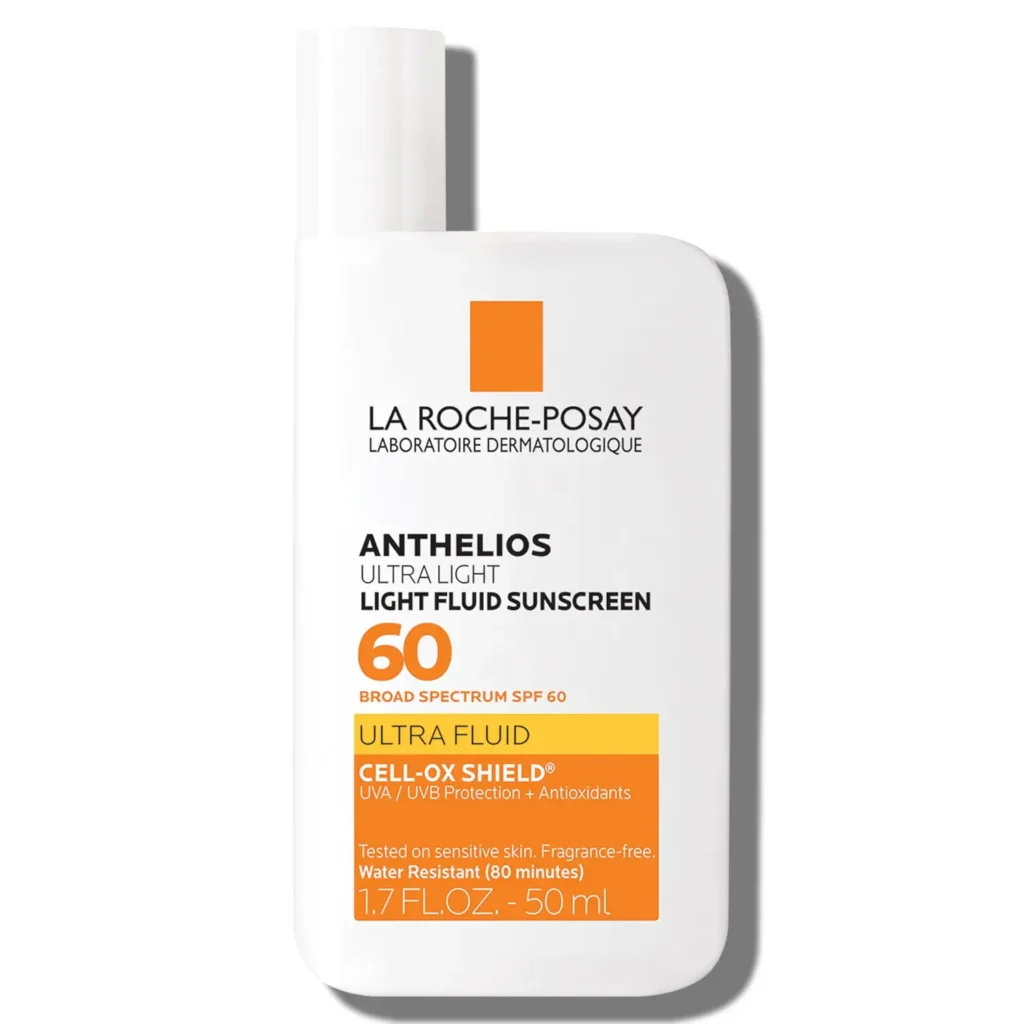
La Roche-Posay Anthelios face sunscreen
Best Gel-Style Option for Oily Skin: Neutrogena Hydro Boost Water Gel Sunscreen
A light, gel-like texture that feels fresh and absorbs quickly, which appeals to people who dislike heavy creams. It is a comfortable pick for normal, combination and oily skin.
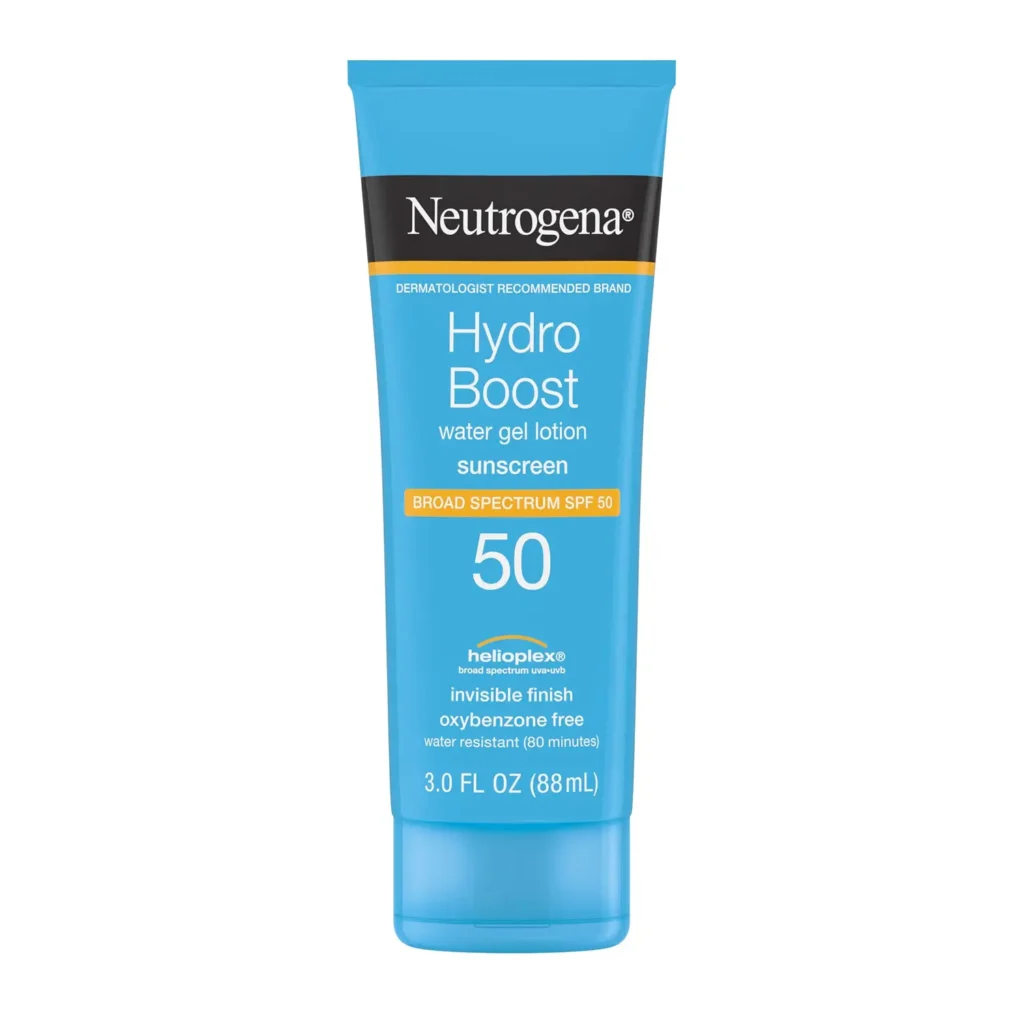
Neutrogena Hydro Boost Water Gel Sunscreen SPF 50
Best Korean-Style Sunscreen: Beauty of Joseon Relief Sun Rice + Probiotics SPF 50+
A popular, lightweight, moisturizing sunscreen that dries down to a soft, non-greasy finish. It is a favorite for daily wear and under makeup.
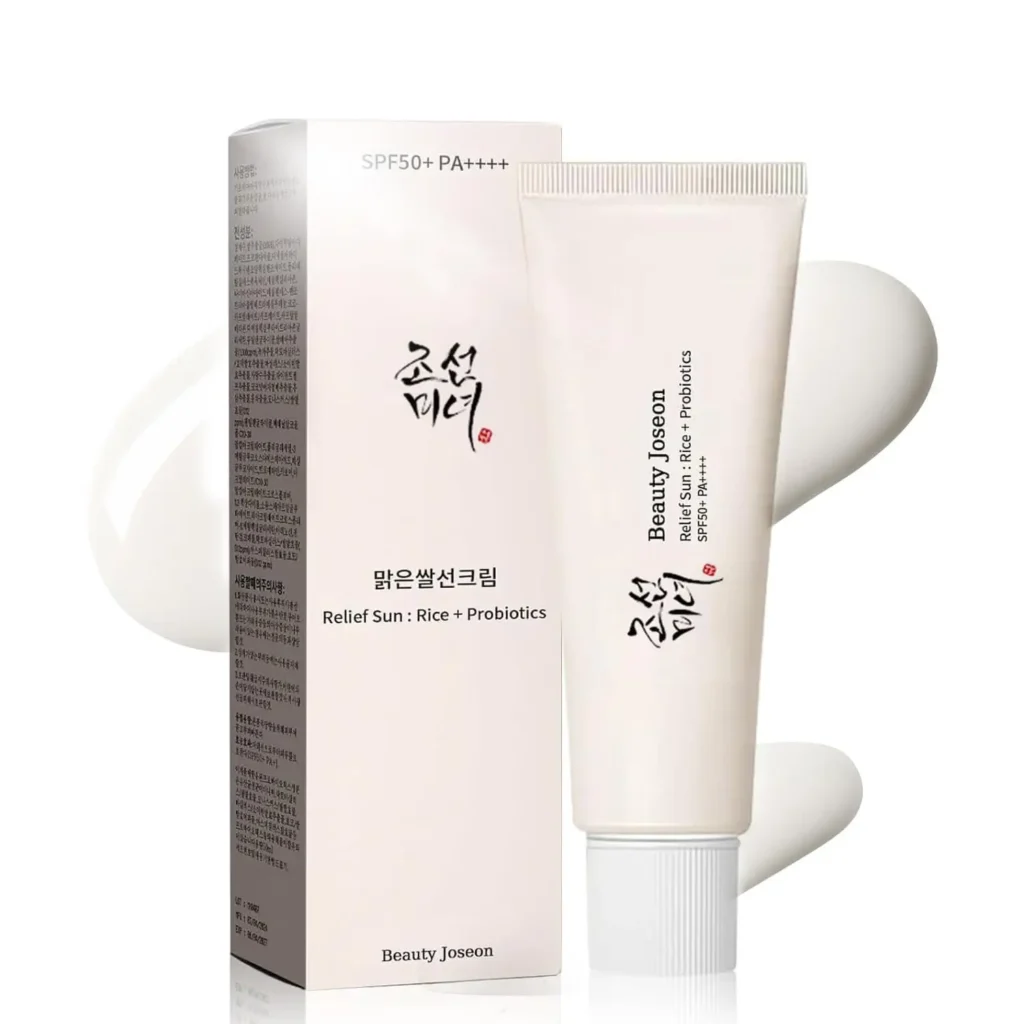
Beauty of Joseon Relief Sun Rice Probiotics SPF 50
Best for Deeper Skin Tones: Black Girl Sunscreen SPF 30 or a sheer tinted mineral formula
If traditional mineral sunscreens leave a gray or white cast, look for formulas designed to blend into deeper skin tones, or a tinted mineral sunscreen that matches your complexion.
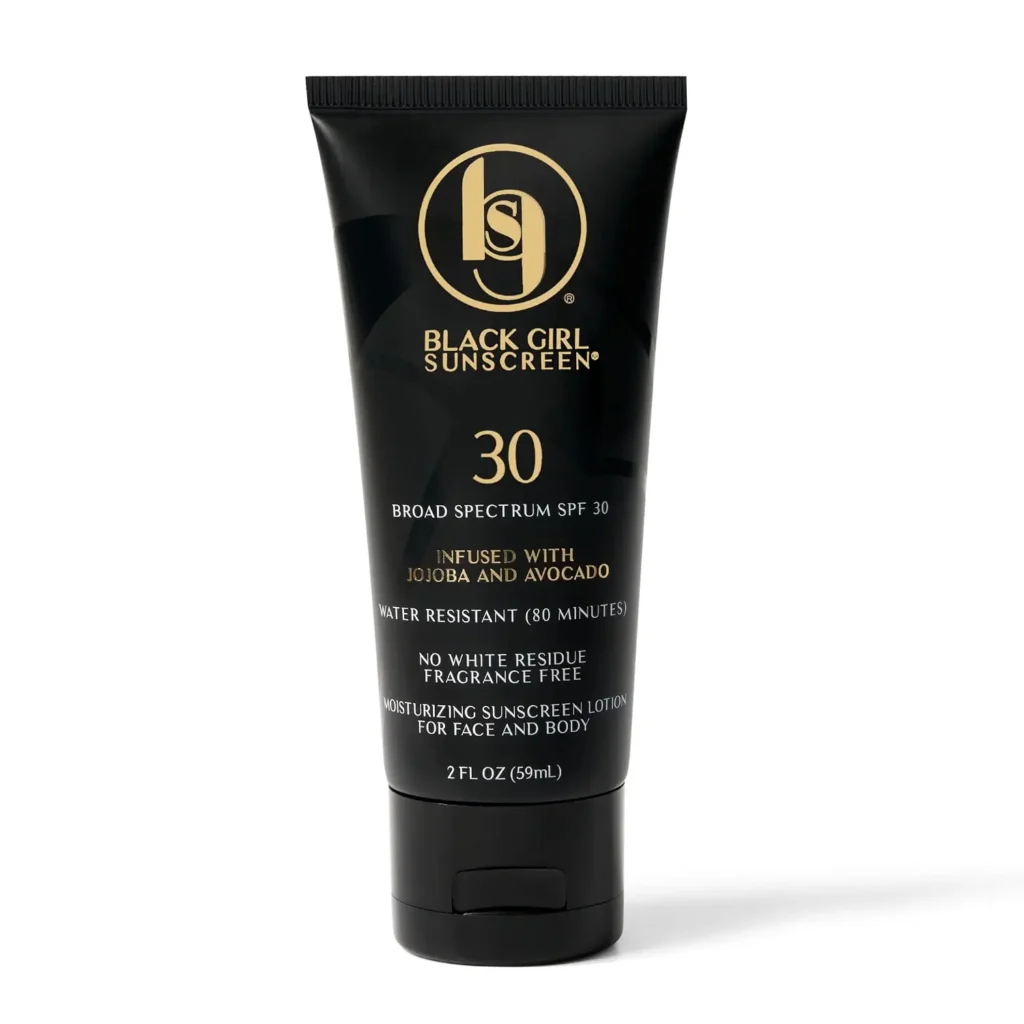
Black Girl Sunscreen SPF 30
How Much Sunscreen Should You Use on Your Face?
Most people use too little. A common guideline is about a quarter of a teaspoon for the face and neck, or two finger lengths of product. If the formula feels too heavy at that amount, switch to a lighter texture instead of using less.
How to Apply Sunscreen Step by Step
- Finish your skincare first. Cleanser, serum and moisturizer come before sunscreen.
- Apply sunscreen as the last skincare step, before makeup.
- Cover everything. Include the ears, neck, hairline and the backs of the hands.
- Wait a minute or two before applying makeup, so the sunscreen can settle.
- Reapply every two hours if you are outdoors, and after sweating or swimming.
How to Wear Sunscreen Under Makeup
Layering SPF under makeup does not have to be messy. Choose a lightweight or primer-style sunscreen, let it dry down fully, and press foundation on with a sponge instead of rubbing. For midday reapplication, a powder or spray SPF can top up protection without disturbing makeup, but these are best seen as a boost, not a replacement for a proper layer in the morning.
Common Sunscreen Mistakes
- Using too little. A thin layer gives much less protection than the label promises.
- Skipping reapplication. Sunscreen wears off, especially outdoors.
- Relying on makeup with SPF alone. You rarely apply enough foundation to reach the stated SPF.
- Forgetting the neck and ears. These areas show sun damage first.
- Using expired sunscreen. Check the date, and replace sunscreen that has changed color or texture.
- Only wearing it in summer. Daily use throughout the year gives the best results.
Frequently Asked Questions
What is the best face sunscreen for everyday use?
The best one is a broad-spectrum SPF 30 or higher formula that suits your skin type and feels comfortable enough to wear daily. Mineral options are often gentler, and lightweight chemical or hybrid options often wear better under makeup.
Is mineral or chemical sunscreen better for the face?
Neither is better in every case. Mineral formulas are popular for sensitive skin, and chemical formulas are often lighter and less visible. Choose based on your skin and preferences.
Do I need sunscreen on cloudy days or indoors?
UV rays penetrate clouds, and UVA rays can pass through windows. If you spend time near windows or outdoors, daily sunscreen is a good habit.
Can I use my moisturizer with SPF instead of sunscreen?
It can work if it is broad-spectrum SPF 30 or higher and you apply enough of it, about the same amount as a regular sunscreen. Many people find a dedicated sunscreen easier to apply correctly.
Does sunscreen cause breakouts?
Some formulas can, especially heavy or oily ones. Look for non-comedogenic, lightweight options, and make sure you cleanse well at night with something gentle such as a cleansing balm.
How often should I replace my sunscreen?
Follow the expiration date or the period-after-opening symbol on the package. As a general rule, replace sunscreen if it separates, smells odd or is more than a year old.
Final Thoughts
The best face sunscreen is the one that fits so well into your routine that you never skip it. Try a lightweight formula for daily wear, find a finish you like, apply it generously and reapply when you are outdoors. Over time, it is one of the most effective steps you can take for healthy, even-toned skin.