Disclosure: This article contains affiliate links. If you purchase a product through one of these links, we may earn a commission at no additional cost to you.

The Best Dark Spot Correctors and Serums for Uneven Skin Tone

Dark spots are one of the most common skin concerns, and one of the most frustrating. They can appear after a breakout heals, after years of sun exposure, or as part of hormonal changes, and they tend to linger far longer than the blemish or damage that caused them. If you’ve noticed patches of color that don’t match the rest of your face, you’re far from alone.
The good news is that dark spots often respond to consistent, patient care. The less welcome news is that there’s no overnight fix, and some products promise far more than they deliver. This guide explains what causes uneven tone, which ingredients have good support behind them, and which dark spot serums and correctors are worth considering. It also covers how to use them safely, because a few common mistakes can make dark spots worse.
What Causes Dark Spots and Uneven Skin Tone?
Understanding the cause helps you choose the right approach, because different types of discoloration respond differently.
Sun Damage
Years of UV exposure can lead to sun spots, sometimes called age spots or solar lentigines. These tend to appear on areas that get the most sun, such as the face, hands, and chest.
Post-Inflammatory Hyperpigmentation
After a pimple, scratch, rash, or other irritation heals, it can leave a flat dark mark behind. This is common in people with acne-prone skin and in deeper skin tones.
Melasma
Melasma shows up as larger, patchy areas of discoloration, often on the cheeks, forehead, and upper lip. It’s linked to hormones, sun exposure, and genetics, and it can be stubborn. Because it often needs a tailored approach, a dermatologist is the best person to guide treatment.
Hormonal Changes
Pregnancy, birth control, and menopause can all influence pigmentation.
Irritation From Skincare
Over-exfoliating, harsh treatments, and certain fragrances can irritate skin and trigger more dark marks.
Why Sunscreen Matters More Than Any Serum
Before any serum, there’s one rule that matters most: protect your skin from the sun. UV exposure can darken existing spots and create new ones, and it can undo weeks of progress in a single sunny afternoon. If you use a dark spot treatment but skip sunscreen, results will likely be disappointing.
Wear a broad-spectrum sunscreen every day, reapply when you’re outdoors, and consider a hat for extra protection. If white cast has put you off sunscreen in the past, our guide to sunscreens that don’t leave a white cast can help you find one you’ll wear consistently.
Ingredients That May Help With Dark Spots
Not every “brightening” product works the same way. These are some of the most commonly used ingredients, along with what to know about each.
Vitamin C
An antioxidant that’s widely used to support a brighter, more even-looking complexion. See our guide to vitamin C serums for more.
Niacinamide
A form of vitamin B3 that may help with the look of uneven tone and texture. See our guide to niacinamide serums.
Azelaic Acid
Azelaic acid is used for uneven tone and breakout-prone skin. It’s often better tolerated than some stronger actives, which makes it popular for sensitive skin.
Alpha Arbutin
A gentle brightening ingredient that’s commonly included in dark spot serums.
Tranexamic Acid
An ingredient increasingly found in over-the-counter serums aimed at stubborn discoloration. Prescription tranexamic acid is also used by doctors in some cases, but that’s a medical treatment.
Retinoids
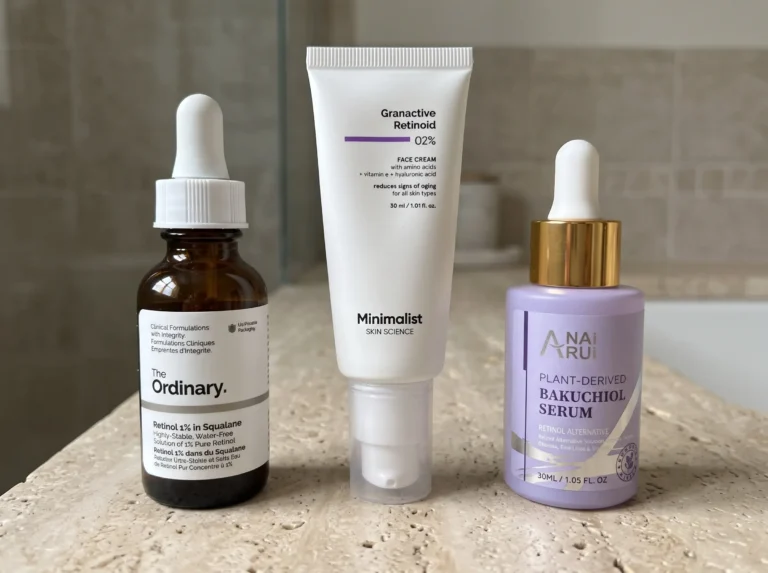
Retinol and related ingredients speed up skin cell turnover, which can help fade marks over time. They can be irritating, so introduce them gradually. See our guide to retinol for beginners.
Exfoliating Acids
Glycolic, lactic, and salicylic acids can help lift surface discoloration but can also irritate if overused. See our guide to exfoliating toners.
Hydroquinone
A prescription-strength lightening ingredient used by dermatologists. It isn’t something to start without medical guidance.
Best Dark Spot Correctors at a Glance
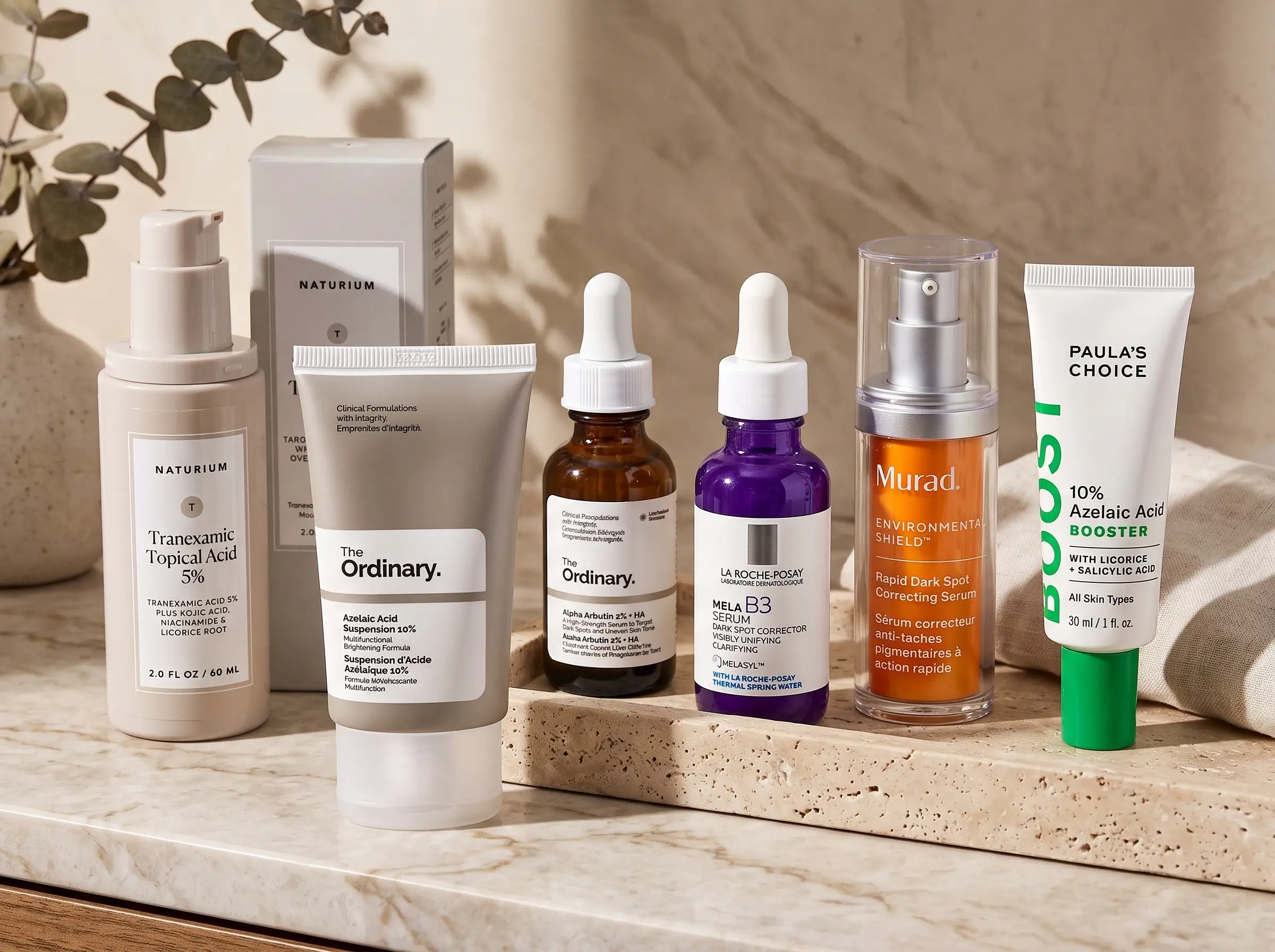
| Product | Best For | Key Ingredient | Key Reason to Consider It |
|---|---|---|---|
| The Ordinary Alpha Arbutin 2% + HA | Budget-friendly, gentle brightening | Alpha arbutin | Simple, affordable formula suited to beginners |
| Paula’s Choice 10% Azelaic Acid Booster | Uneven tone and redness | Azelaic acid | Well-formulated booster with a smooth texture |
| The Ordinary Azelaic Acid Suspension 10% | Budget azelaic acid | Azelaic acid | Inexpensive way to try azelaic acid |
| La Roche-Posay Mela B3 Serum | Stubborn dark spots | Melasyl, niacinamide | Dermatologist-developed formula aimed at dark spots |
| Naturium Tranexamic Topical Acid 5% | Persistent discoloration | Tranexamic acid | Accessible tranexamic acid serum |
| Murad Rapid Dark Spot Correcting Serum | Targeted spot treatment | Brightening actives | Focused spot-correcting formula |
The Ordinary Alpha Arbutin 2% + HA
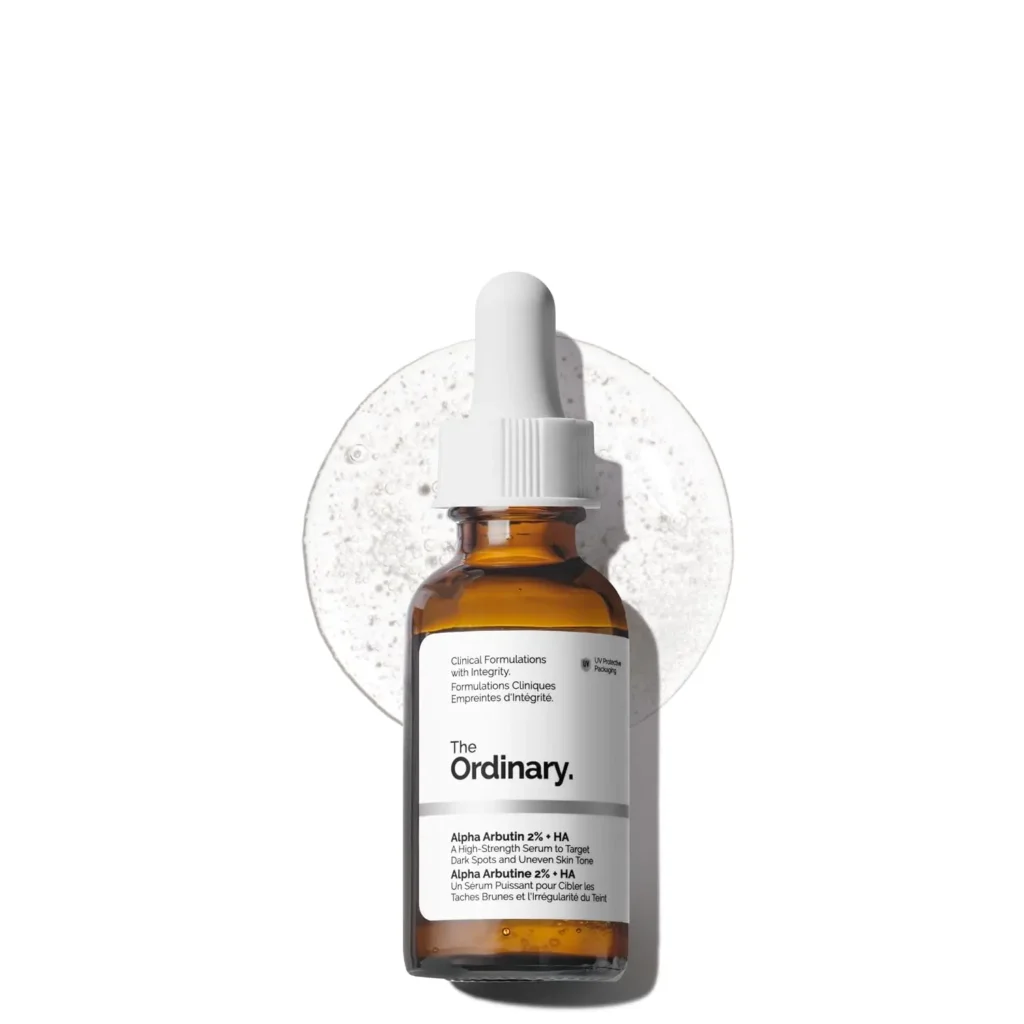
Best for: Budget-friendly, gentle brightening
A simple serum built around alpha arbutin with hyaluronic acid for hydration.
What makes it stand out: It’s affordable and straightforward, which makes it an easy first step for anyone new to dark spot treatments.
Who may like it: People who want a gentle, low-cost introduction to brightening serums.
Pros:
- Very affordable
- Gentle for many skin types
- Simple formula
- Pairs well with other products
Cons:
- Results are gradual
- May feel slightly sticky for some
Verdict: A sensible starting point for mild uneven tone.
Paula’s Choice 10% Azelaic Acid Booster
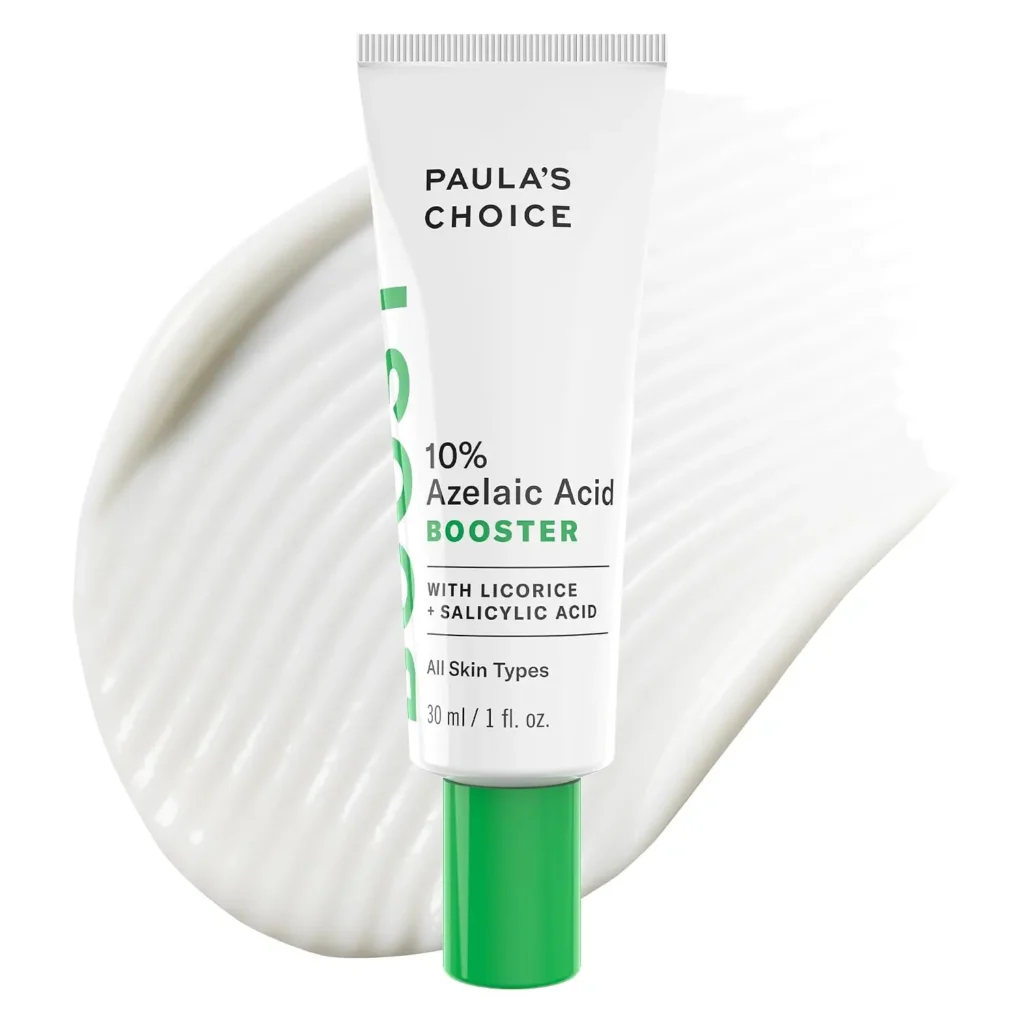
Best for: Uneven tone and redness
A booster that can be used alone or mixed into moisturizer.
What makes it stand out: Azelaic acid is popular for people who want to address both discoloration and breakouts.
Who may like it: Those with acne-prone or sensitive skin who want a well-formulated option.
Pros:
- Smooth texture
- Can be mixed into other products
- Fragrance-free
- Suitable for many skin types
Cons:
- Higher price
- May tingle at first
Verdict: A polished, versatile option for uneven tone.
The Ordinary Azelaic Acid Suspension 10%
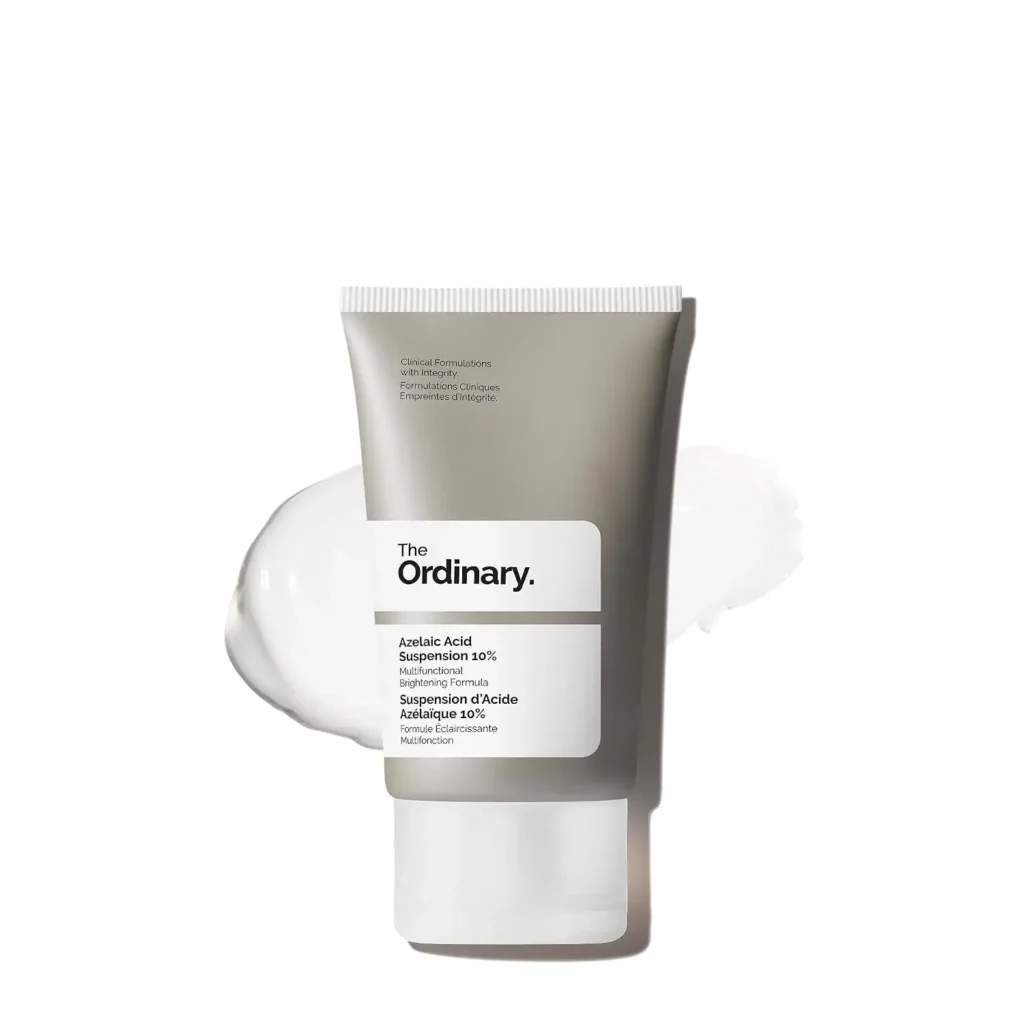
Best for: Budget azelaic acid
A lower-cost way to try azelaic acid.
What makes it stand out: It offers a similar active ingredient at a much lower price.
Who may like it: Budget-conscious shoppers who want to test azelaic acid.
Pros:
- Very affordable
- Effective active
- Easy to find
Cons:
- Texture can feel thick or slightly gritty
- May need to be layered carefully
Verdict: A good value choice, though the texture isn’t for everyone.
La Roche-Posay Mela B3 Serum
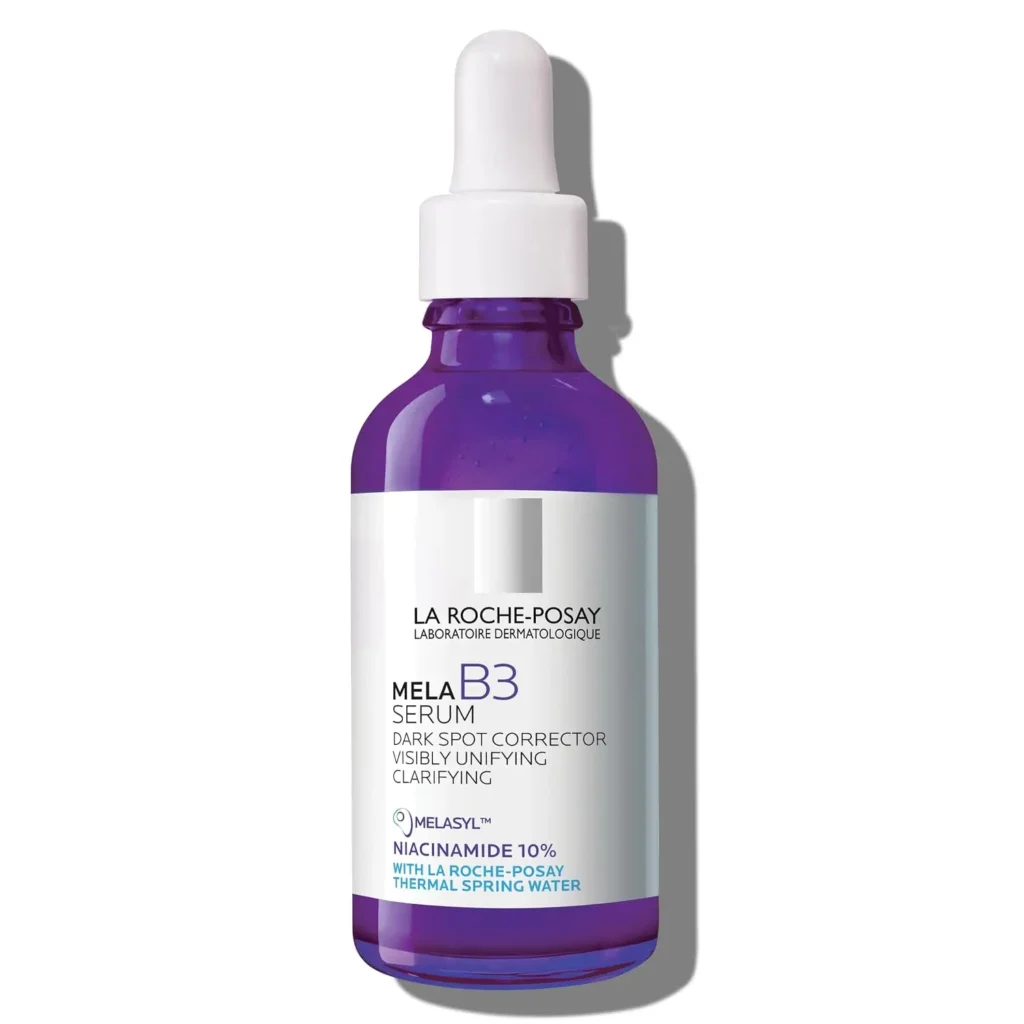
Best for: Stubborn dark spots
A dermatologist-developed serum aimed at dark spots, combining niacinamide with a brightening ingredient.
What makes it stand out: It’s designed specifically for dark spots and comes from a brand known for sensitive-skin-friendly formulas.
Who may like it: People who want a dermatologist-developed option.
Pros:
- Developed for dark spots
- Fragrance-free
- Trusted brand
- Lightweight texture
Cons:
- Premium price
- Results require patience
Verdict: A well-regarded choice for targeted dark spot care.
Naturium Tranexamic Topical Acid 5%
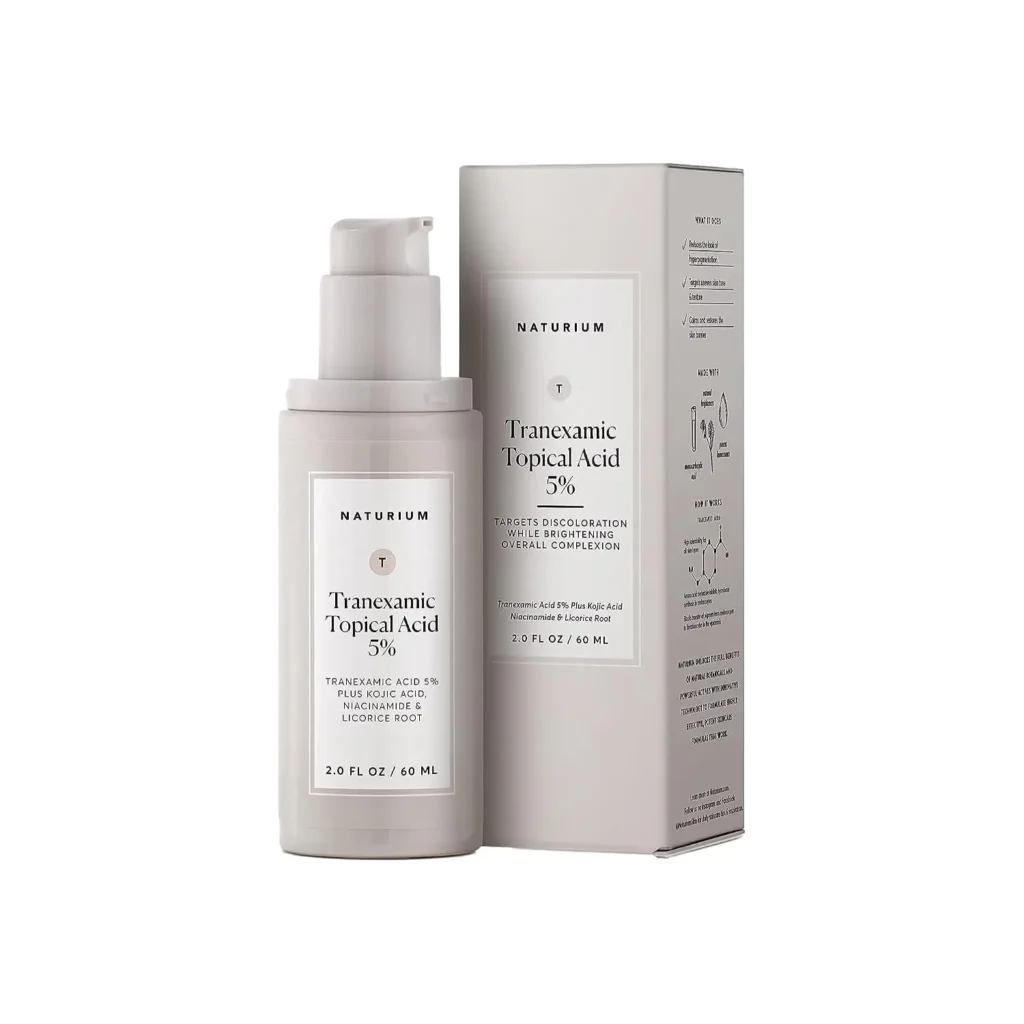
Best for: Persistent discoloration
A serum built around tranexamic acid.
What makes it stand out: Tranexamic acid is a newer popular ingredient for stubborn discoloration.
Who may like it: People who have tried other brightening ingredients and want another option.
Pros:
- Accessible price
- Lightweight
- Fragrance-free
- Easy to layer
Cons:
- Newer ingredient with less long-term evidence in over-the-counter form
- Results vary
Verdict: Worth a look if other brightening serums haven’t been enough.
Murad Rapid Dark Spot Correcting Serum
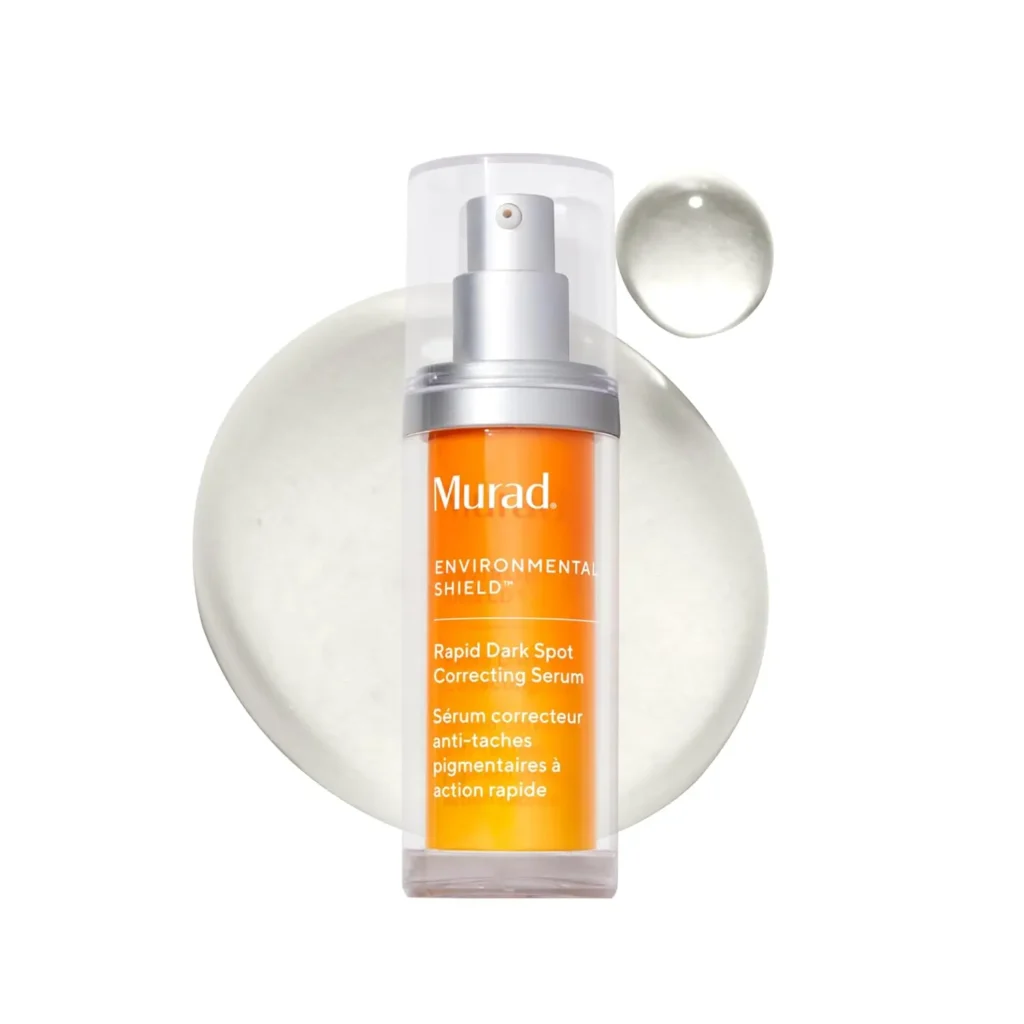
Best for: Targeted spot treatment
A focused spot-correcting serum.
What makes it stand out: It’s designed for targeted use on specific dark spots.
Who may like it: Those who want to treat particular spots.
Pros:
- Targeted application
- Reputable skincare brand
- Fits into most routines
Cons:
- Premium price
- May irritate sensitive skin
Verdict: A good pick for targeted spot treatment.
How to Choose the Best Dark Spot Serum for You
- New to brightening: The Ordinary Alpha Arbutin 2% + HA.
- Sensitive or acne-prone skin: Paula’s Choice 10% Azelaic Acid Booster or The Ordinary Azelaic Acid Suspension 10%.
- Stubborn dark spots: La Roche-Posay Mela B3 Serum or Naturium Tranexamic Topical Acid 5%.
- Targeted spots: Murad Rapid Dark Spot Correcting Serum.
How to Use a Dark Spot Serum
- Patch test first. Try a small area for a few days to check for irritation.
- Start slowly. Use a new serum every other day at first.
- Apply to clean skin, after cleansing and before moisturizer, following the order in our skincare layering guide.
- Use sunscreen every morning. This is non-negotiable.
- Be patient. Most people need eight to twelve weeks of consistent use before noticing changes.
- Avoid picking or scrubbing. Irritation can make marks darker.
- Introduce one new active at a time. That way you can tell what’s working and what’s irritating.
Building a Routine Around Dark Spots
A simple, effective routine usually includes:
- Morning: Gentle cleanser, vitamin C or niacinamide serum, moisturizer, sunscreen.
- Evening: Gentle cleanser, dark spot serum or retinol (not both at first), moisturizer.
If your skin is mature, our anti-aging skincare routine and skincare routine for your 40s are good starting points. Acne-prone skin can pair a serum with a gentle acne-friendly cleanser.
Common Mistakes That Make Dark Spots Worse
- Skipping sunscreen. This is the most common reason treatments fail.
- Over-exfoliating. Irritation can trigger more pigment.
- Using too many actives at once. Layering several strong products can inflame skin.
- Picking at blemishes. Picked spots often leave marks.
- Expecting quick results. Dark spots usually take weeks to months to fade.
- Ignoring changes in a spot. A spot that’s growing, changing color, or looks irregular needs medical attention.
When to See a Dermatologist
Make an appointment if:
- A spot is new, changing, growing, bleeding, or looks irregular
- Your discoloration is widespread or patchy, which could be melasma
- Over-the-counter products haven’t helped after several months
- You’re considering prescription treatments such as hydroquinone, prescription tranexamic acid, or in-office procedures
A dermatologist can identify the type of pigmentation and recommend the safest, most effective option for your skin.
Frequently Asked Questions
What is the best ingredient for dark spots?
It depends on the type of spot and your skin. Vitamin C, niacinamide, azelaic acid, arbutin, tranexamic acid, and retinoids are all commonly used, and many people combine a few.
How long does it take for dark spots to fade?
Most people need around eight to twelve weeks of consistent use to see changes, and deeper spots can take longer.
Can dark spots go away on their own?
Some marks fade gradually, especially post-inflammatory ones, but sun spots usually need treatment and protection to improve.
Is azelaic acid good for sensitive skin?
It’s often better tolerated than some stronger actives, but it can still tingle at first. Patch test and start slowly.
Can I use vitamin C and a dark spot serum together?
Many people use them in the same routine, often vitamin C in the morning and another active at night. Introduce one product at a time.
Do I need sunscreen if I’m using a dark spot serum?
Yes. Sunscreen is essential, because UV exposure can darken spots.
Are dark spot creams safe during pregnancy?
Some ingredients aren’t recommended during pregnancy, so check with your doctor before using retinoids or other actives.
What’s the difference between sun spots and melasma?
Sun spots are usually small, defined patches, while melasma tends to be larger and patchy, often affecting the cheeks and forehead. A dermatologist can tell the difference.
Final Verdict
Dark spots respond best to patience, protection, and the right active ingredient for your skin. The Ordinary Alpha Arbutin 2% + HA is a gentle, affordable starting point, Paula’s Choice 10% Azelaic Acid Booster and The Ordinary Azelaic Acid Suspension 10% suit sensitive or breakout-prone skin, La Roche-Posay Mela B3 Serum and Naturium Tranexamic Topical Acid 5% are options for stubborn discoloration, and Murad Rapid Dark Spot Correcting Serum works for targeted treatment. Pair whichever you choose with daily sunscreen, introduce it gradually, and see a dermatologist for any spot that looks unusual or changes.