Disclosure: This article contains affiliate links. If you purchase a product through one of these links, we may earn a commission at no additional cost to you.

The Best Sweaters and Cardigans for Women

A great sweater is the backbone of a winter wardrobe. It warms you up, dresses up jeans, layers under a coat and makes even a simple outfit look pulled together. A bad one, on the other hand, itches, pills after two washes and stretches out of shape.
The difference is mostly about fabric, knit and fit, not the price tag. This guide explains how to choose sweaters and cardigans that are warm, soft and long-lasting, how to style them, and which types to shop for.
Start With the Fabric
The material determines how warm, soft and durable a sweater will be.
Wool. Naturally warm, breathable and long-lasting. Regular wool can feel scratchy on sensitive skin, but finer wools are softer.
Merino wool. A fine, soft type of wool that is warm without itching. It is a good choice for everyday sweaters and base layers, and it regulates temperature well.
Cashmere. Very soft, light and warm. It is also delicate, and it can pill, so it needs gentle care. Quality varies a lot, so check the fiber content and reviews.
Cotton. Breathable and easy to wash, but less warm than wool. It is a good choice for mild days or layering.
Acrylic and polyester blends. Affordable, easy to care for and often very soft, but less breathable and more prone to pilling. Blends with wool or cotton can give a good balance.
Alpaca and mohair. Soft, warm and fluffy, with a distinctive look. They can shed or feel itchy for some people.
Viscose, rayon and modal blends. Smooth and drapey, often used in lightweight knits. They are less warm than wool, but comfortable for layering.
When shopping, read the fabric content. A blend with a higher percentage of natural fiber is usually warmer and more breathable.
Understand the Knit
- Chunky or cable knits are thick and cozy, with a classic winter look.
- Fine knits are thin, smooth and layer easily under coats and blazers.
- Ribbed knits have stretch and hug the body, which makes them flattering and easy to wear.
- Waffle and textured knits add visual interest and trap warmth.
- Brushed or fuzzy knits are soft and cozy, but they can shed.
A dense knit feels heavier and holds its shape longer. A very loose, thin knit may stretch or snag more easily.
Sweater Styles to Know
Crewneck. Classic and versatile, it layers well with collared shirts and necklaces.
V-neck. Elongates the neck and works well over shirts and tees.
Turtleneck and mock neck. Warm and polished, great under coats and blazers.
Cowl neck. Soft and relaxed, with a draped collar.
Oversized sweater. Slouchy and comfortable, often worn with leggings or slim pants.
Cropped sweater. A modern look that pairs well with high-waisted pants and skirts.
Cardigan. Open at the front, it is the easiest layer to add or remove as temperatures change. Cardigans can be short, long, buttoned or open.
Sweater dress. A one-piece outfit that is warm and easy.
Sweater vest. A layering piece that adds style without extra bulk on the arms.
What to Look for in a Quality Sweater
- Fiber content that suits your needs. Choose wool or wool blends for warmth, and softer blends for comfort.
- Dense, even knitting. Hold the fabric up to the light. If you can see through it, it may wear out faster.
- Reinforced seams and neat finishing at the neckline, cuffs and hem.
- A soft feel against the skin. Rub a corner of the fabric against your neck or wrist to test.
- Stretch and recovery. After you stretch a small piece, it should spring back.
- Reasonable length. Make sure it hits where you want it to on your body.
How to Avoid Itchy Sweaters
If wool tends to irritate your skin, try these:
- Choose merino or cashmere, which have finer fibers.
- Wear a thin cotton or modal layer underneath.
- Look for blends with soft fibers, such as modal or viscose.
- Check reviews for comments about softness.
- Wash new sweaters before wearing, according to the care label, to soften the fibers.
Best Sweaters and Cardigans for Women: Types and Brands to Consider
Styles, colors and sizes change each season, so check current reviews and size charts before buying.
Best Everyday Basics: Amazon Essentials crewneck and V-neck sweaters
Affordable, simple knits in a range of colors that are easy to layer. A practical way to build a base of everyday sweaters without spending much.

Amazon Essentials women’s sweater
Best Cozy Cardigan: A long, open-front cardigan in a soft knit
A long cardigan layers over almost any outfit, from leggings to jeans. Look for a soft, dense knit that will not stretch out.
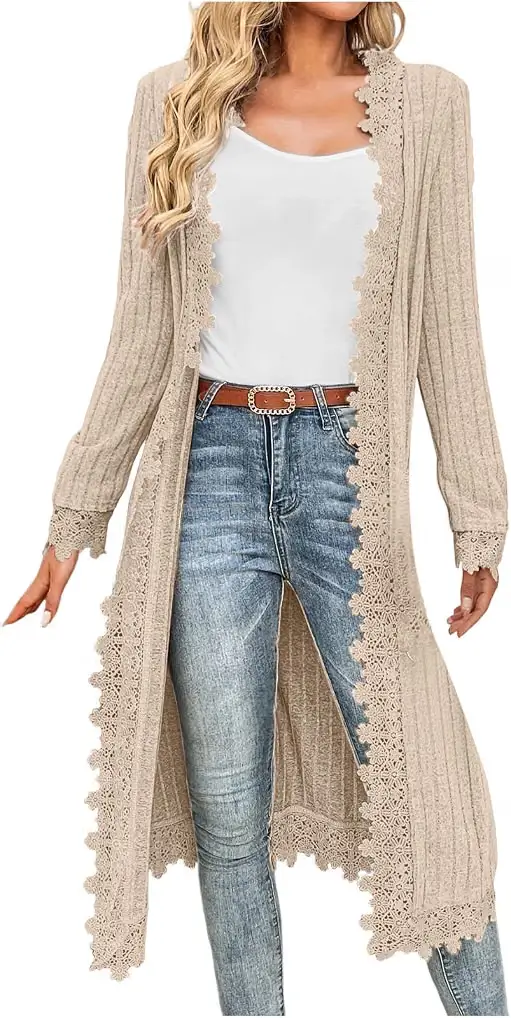
women’s long open front cardigan sweater
Best Warm Chunky Knit: A cable-knit or chunky sweater with wool or wool blend
A classic winter sweater with texture and warmth. Look for a thick knit and a fiber blend that does not itch.

women’s chunky cable knit sweater wool blend
Best for Sensitive Skin: A merino wool sweater
Merino wool is soft and warm, and it tends to feel much gentler on the skin than traditional wool. A good choice if you find wool scratchy.
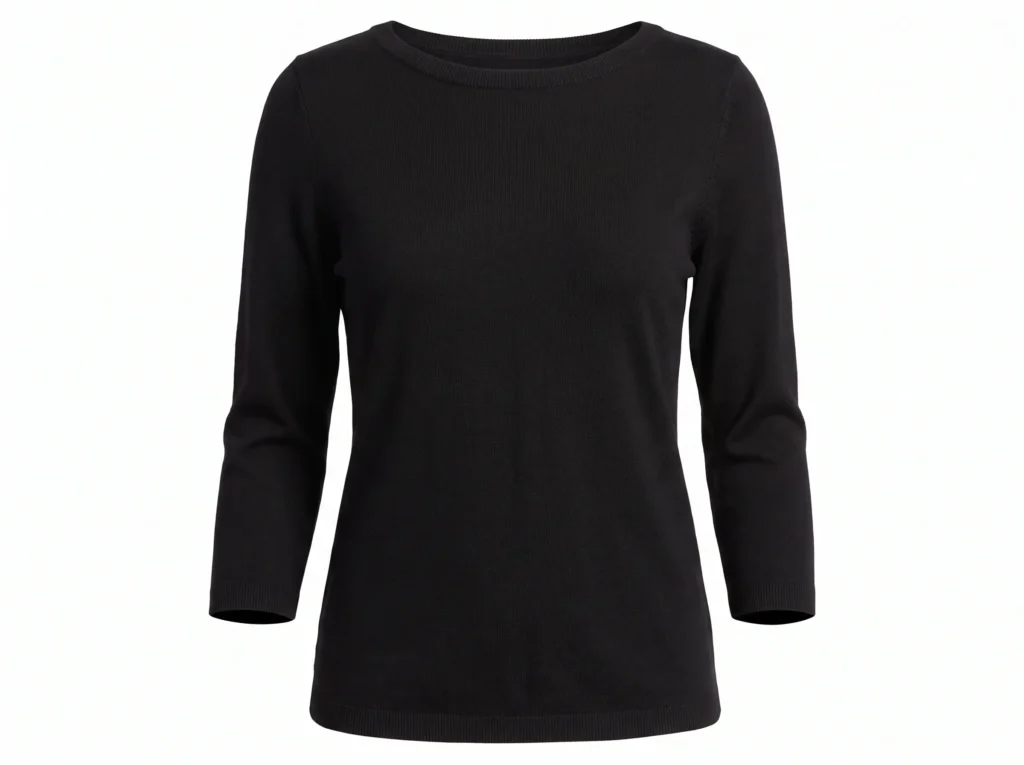
women’s merino wool sweater
Best Affordable Luxury: A cashmere or cashmere-blend sweater
Cashmere feels soft and light, and it keeps you warm without bulk. Look for good reviews, and check care instructions, since cashmere needs gentle washing.

women’s cashmere sweater
Best Turtleneck: A fine-knit turtleneck or mock neck
A turtleneck is a layering essential. It looks polished under a blazer or coat, and it keeps your neck warm.
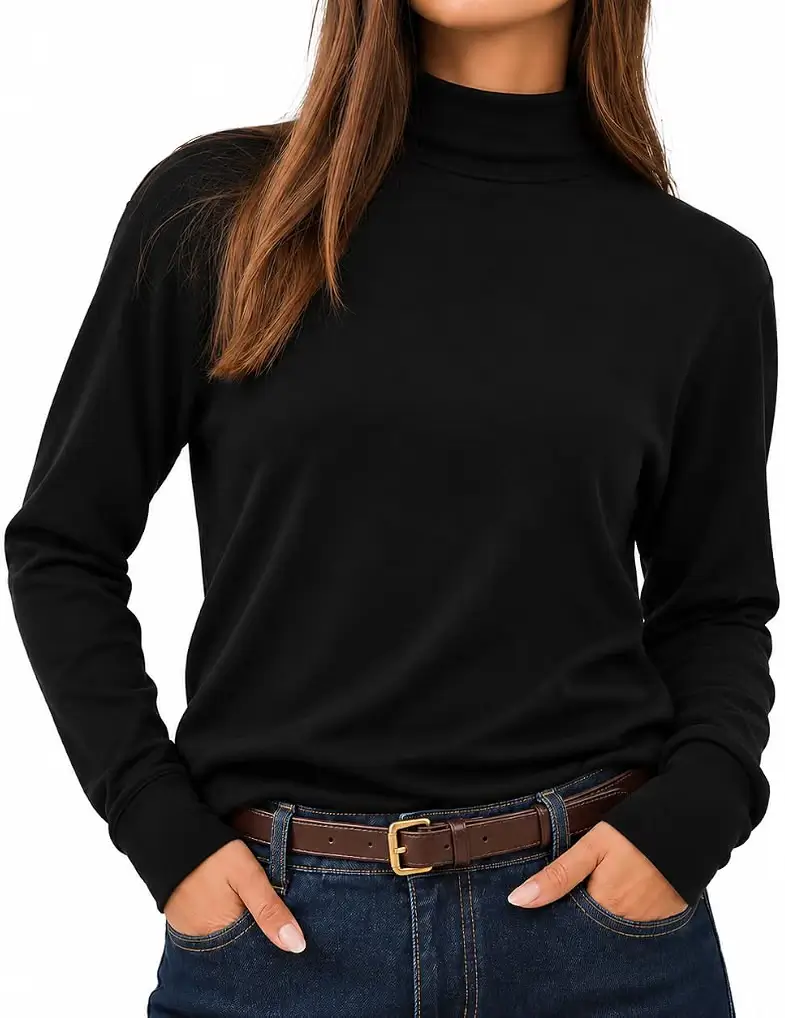
women’s turtleneck sweater fine knit
Best Sweater Dress: A knit sweater dress with ribbed details
A comfortable one-piece that works with tall boots and tights. Look for a length you feel comfortable in.
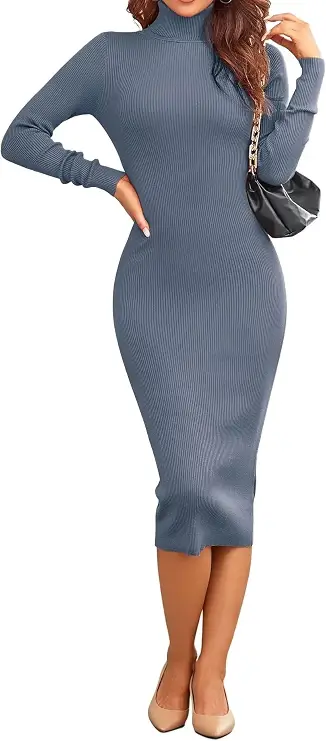
women’s sweater dress ribbed knit
How to Style Sweaters and Cardigans
Outfit formulas that always work:
- Oversized sweater + leggings + boots. Comfortable and put together.
- Fine-knit turtleneck + high-waisted trousers + loafers. A polished office look.
- Cropped sweater + high-rise jeans. Balanced proportions.
- Long cardigan + tee + straight-leg jeans. A relaxed, easy layer.
- Sweater dress + tights + knee-high boots. One-piece and warm.
- Chunky knit + midi skirt. Contrast in texture and shape.
Layering tips:
- Put a collared shirt under a crewneck so the collar peeks out.
- Tuck the front of a sweater into your pants for a casual look.
- Add a belt over a long cardigan to define your waist.
- Wear a thin sweater under a bulky coat, and keep bulkier knits for indoors. Our winter coats guide can help you choose an outer layer.
How to Pick the Right Size and Fit
- Check the size chart, since knitwear can run small or large.
- Consider the fit you want. Oversized sweaters are meant to be loose, so you may not need to size up.
- Look at the sleeve length, because sleeves should end at your wrist, or stack slightly if the style is relaxed.
- Check the hem length. A hem that sits at the hip is the most flattering for many body types, but it depends on your preference.
- Think about layering. If you plan to wear a collared shirt underneath, make sure the neckline has enough room.
How to Care for Sweaters So They Last
Proper care prevents most problems.
- Read the care label before you wash anything.
- Wash less often. Sweaters do not need washing after every wear. Air them out between wears.
- Hand wash or use a gentle cycle with cold water and a mild detergent made for wool or delicates.
- Do not wring. Press out water gently and roll in a towel.
- Dry flat. Hanging wet knits stretches them. Reshape and lay them on a flat surface.
- Avoid the dryer unless the label allows it.
- Fold, do not hang. Hanging stretches shoulders. Fold sweaters and store them in a drawer.
- Store with cedar or lavender to discourage moths during off-season.
How to Deal With Pilling
Pilling, the small balls that form on knitwear, is caused by friction and loose fibers. It is common, especially on soft or blended knits, and it does not mean a sweater is ruined.
- Use a fabric shaver or sweater comb to remove pills gently.
- Wash inside out to reduce friction.
- Avoid wearing a bag strap over the same spot repeatedly.
- Choose tightly knit, longer-fiber fabrics if you want fewer pills.
Common Mistakes When Buying Sweaters
- Ignoring the fabric content. A sweater that looks great online might be thin acrylic that pills quickly.
- Buying only on price. Very cheap knits may not last a season. Choose the best quality you can afford.
- Skipping the care label. A dry-clean-only sweater might not suit your lifestyle.
- Buying too many trendy pieces. Classic sweaters stay in style for years.
- Hanging knitwear. It stretches the shoulders.
- Forgetting how it feels on your skin. If it itches in the store, it will itch at home.
Build a Capsule Winter Sweater Collection
You do not need a closet full of sweaters. A small, versatile collection goes a long way:
- One or two neutral crewnecks or V-necks for everyday wear
- One chunky knit for cold days
- One fine-knit turtleneck for layering
- One long cardigan for comfort
- One statement sweater in a color or pattern you love
Add cozy loungewear, such as our favorite pajama sets, and you have everything for a warm winter.
Frequently Asked Questions
What is the warmest type of sweater?
A thick wool or wool-blend sweater, especially a chunky knit, is among the warmest. Merino and cashmere are warm without bulk.
What is the softest sweater fabric?
Cashmere and merino wool are among the softest. Soft acrylic and modal blends can also feel very smooth.
How do I stop sweaters from pilling?
Wash them gently, avoid friction, and use a fabric shaver to remove pills. Choose tightly knit fabrics and longer fibers.
Can I wash sweaters in the washing machine?
Only if the care label allows it. Use a gentle cycle, cold water, a mesh laundry bag and a detergent made for delicates, then dry flat.
Is cashmere worth it?
It can be, if you want light, soft warmth, but quality varies a lot. Check the fiber content and reviews, and care for it gently.
How should a sweater fit?
It depends on the style. A classic sweater should skim your body without being tight, and an oversized one should look intentionally loose.
How do I make an itchy sweater less itchy?
Wash it according to the label, with a gentle wool detergent, and try a hair conditioner soak. Or wear a thin layer underneath.
Final Thoughts
The best sweaters feel soft, hold their shape and fit the way you want. Look at the fabric, check the knit, follow the care label and build a collection of pieces you will reach for again and again. A few well-chosen knits can carry you through the whole winter.