Disclosure: This article contains affiliate links. If you purchase a product through one of these links, we may earn a commission at no additional cost to you.

How Often Do You Actually Need to Wash Your Face?

It seems like the simplest step in any beauty journey: splash some water, apply a bit of soap, rinse, and go. Yet, for something so fundamental, the question of how often should you wash your face remains one of the most debated topics in the skincare world.
If you scroll through TikTok or Instagram, you’ll find two opposing camps. On one side, the “clean skin” enthusiasts advocate for double cleansing and rigorous scrubbing. On the other, the “skinimalists” suggest that a simple water rinse in the morning is all you need to keep your skin barrier intact.
The truth is that face washing is less about a universal rule and more about finding the “Goldilocks” zone for your specific skin. Wash too little, and you’re left with a buildup of oil, pollution, and dead skin cells that can lead to breakouts and dullness. Wash too much, and you risk stripping away the essential lipids that keep your skin hydrated, leading to redness, irritation, and premature aging.
In this guide, we’re breaking down the science of cleansing so you can build a face washing routine that leaves your skin feeling balanced, refreshed, and healthy.
What to Look for in a Facial Cleanser
The Gold Standard for All Skin Types
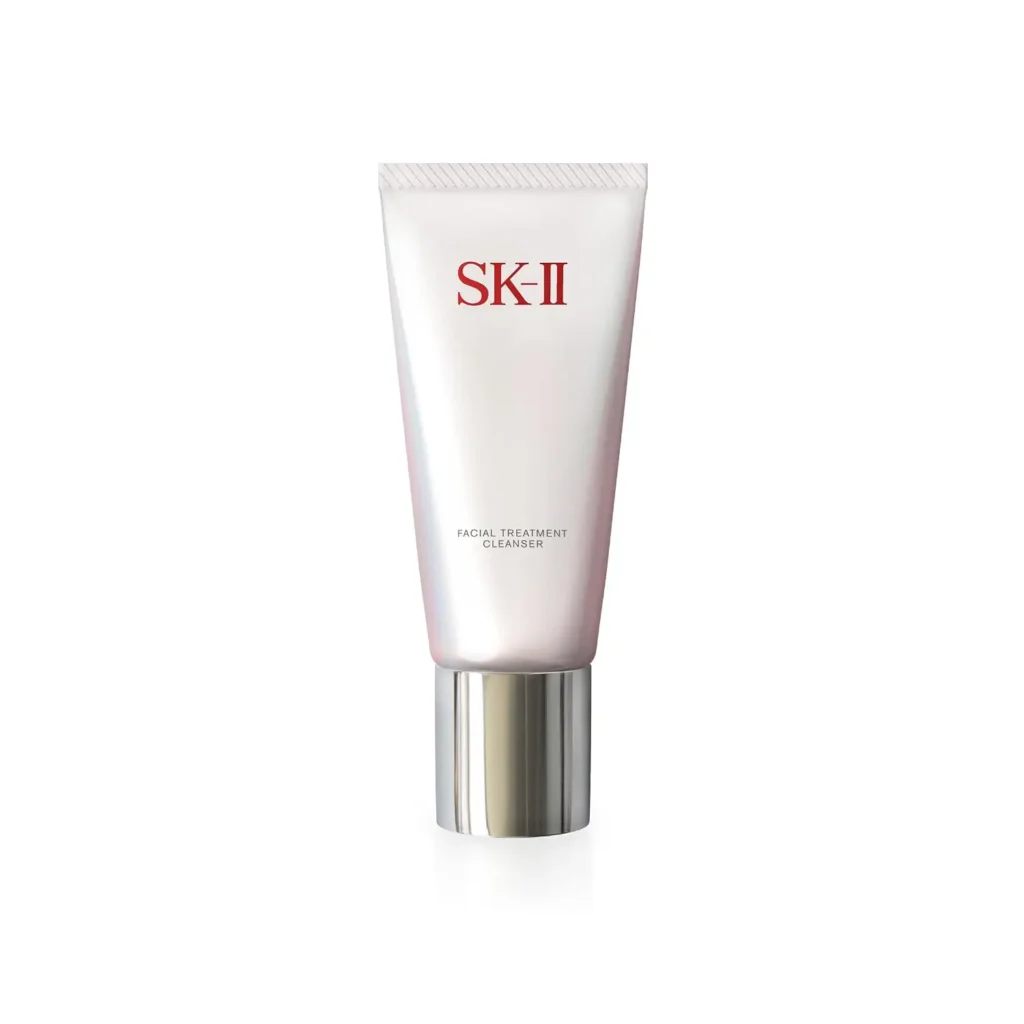
SK-II Facial Treatment Gentle Cleanser
For those who want the ultimate luxury experience, this cleanser is infused with SK-II’s signature ingredient, Pitera™. It is a creamy formula that takes “gentle” to the next level, removing impurities while leaving the skin incredibly soft. It is pH-balanced and creates a fine, decadent lather that doesn’t strip the skin barrier.
The Clinical Powerhouse for Oily and Acne-Prone Skin
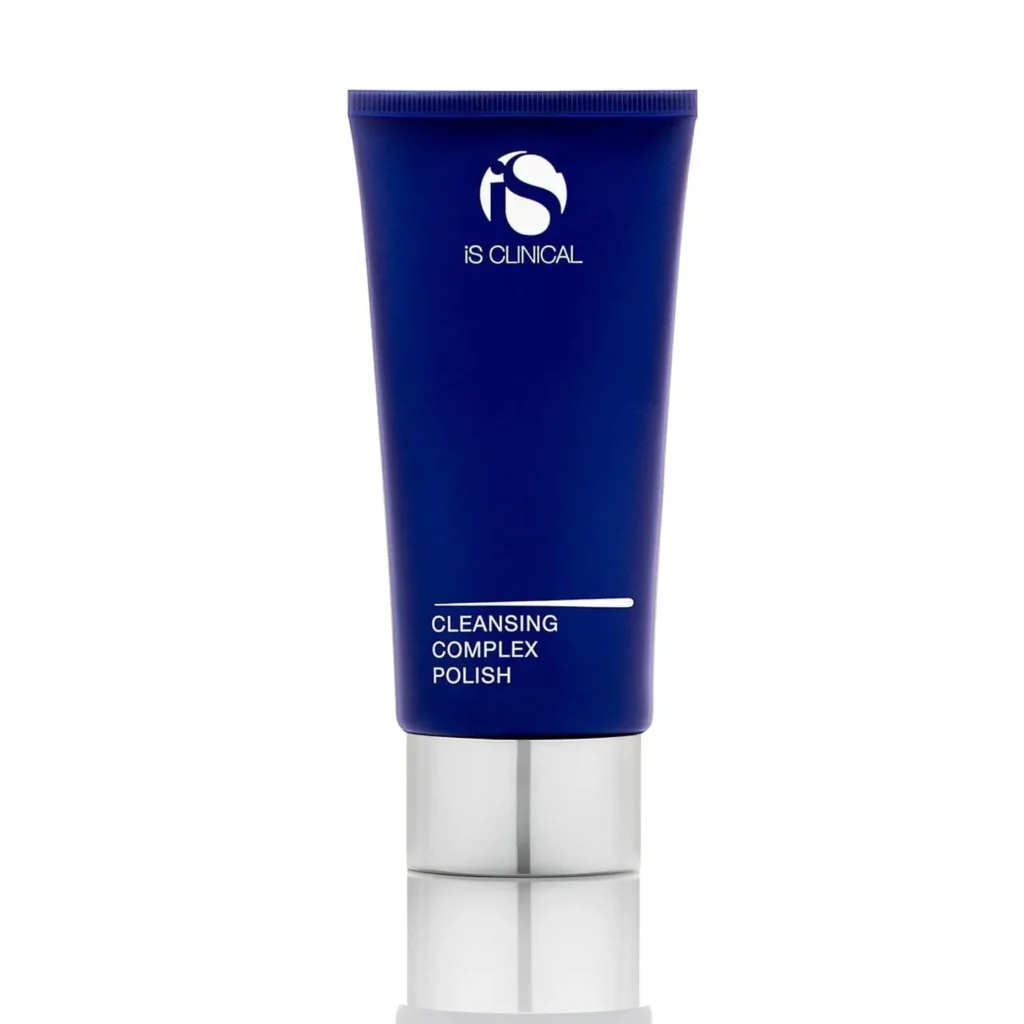
iS CLINICAL Cleansing Complex
A favorite among celebrity estheticians and dermatologists, this clear, lightweight cleansing gel is powerful yet non-irritating. It incorporates professional-grade antioxidants and mild resurfacing ingredients (like White Willow Bark Extract) to deep-clean pores without the tight, dry feeling of cheaper “anti-acne” soaps.

The Ultimate Hydration for Dry and Sensitive Skin
ELEMIS Pro-Collagen Cleansing Balm
If you have dry skin, this melting balm is a masterpiece of texture and efficacy. It starts as a rich balm, transforms into an oil to dissolve makeup and pollutants, and finally turns into a hydrating milk. Infused with Elderberry and Starflower oils, it nourishes the skin’s lipid barrier while providing a luxury aromatherapy experience.
So, How Often Should You Wash Your Face?
The general consensus among dermatologists and estheticians is that most people should wash their face twice a day—once in the morning and once at night.
While twice a day is the standard recommendation, it isn’t a rigid law. The goal of your skincare routine should be to remove what doesn’t belong on your skin (like grime and makeup) while preserving what does (like natural oils and your microbiome). For some, a single thorough cleanse at night is sufficient, while others—especially those with active lifestyles or oily skin—may need to be more diligent.
Why Washing Your Face Matters
Before we dive into the “when,” let’s look at the “why.” Cleansing is the foundation of every other step in your routine. If your “canvas” isn’t clean, the expensive serums and moisturizers you apply afterward won’t be able to penetrate the skin effectively.
1. Removing Dirt and Excess Oil
Throughout the day, your skin produces sebum (oil). While sebum is necessary for skin health, an excess can trap dead skin cells and bacteria inside your pores, leading to acne.
2. Removing Sunscreen and Makeup
Sunscreen is a daily must, but its job is to sit on top of the skin to reflect or absorb UV rays. Many sunscreens are formulated to be water-resistant, meaning a simple splash of water won’t remove them. Leaving these products on overnight is a recipe for congestion.
3. Clearing Environmental Residue
If you live in a city, your skin is constantly bombarded by microscopic pollutants and “urban dust.” These particles can generate free radicals, which break down collagen and lead to fine lines over time.
4. Supporting a Healthy Skin Barrier
The skin barrier is your body’s first line of defense. A proper cleanse removes the “bad stuff” without disrupting the “good stuff,” allowing the barrier to repair itself while you sleep.
Do You Really Need to Wash Your Face in the Morning?
This is the most common point of confusion. If you washed your face before bed and slept on a clean pillowcase, is washing your face in the morning really necessary?
For many, a morning cleanse is about more than just hygiene; it’s about preparation. While you sleep, your skin is still active, producing oil and shedding skin cells. You may also have residue from your heavy nighttime creams or oils.
When to use a cleanser in the morning:
- If you have oily or acne-prone skin, a morning cleanse removes the excess sebum produced overnight.
- If you used a potent active ingredient the night before (like a high-strength retinol or AHAs), you’ll want to wash it off to prevent sensitivity during the day.
When to skip the cleanser:
- If you have very dry or sensitive skin, you might find that using a facial cleanser twice a day is too much. In this case, rinsing with lukewarm water in the morning is perfectly acceptable. This preserves your natural oils while still “waking up” the skin.
Why Washing Your Face at Night Is Important
If you only wash your face once a day, make it the nighttime. Washing your face at night is non-negotiable for skin health.
During the day, your skin is in “defense mode,” fighting off UV rays and pollution. At night, it switches to “repair mode.” By going to bed with a clean face, you are giving your skin the best possible environment to regenerate. Leaving makeup, sweat, and SPF on your face can lead to oxidative stress, which accelerates the aging process and can cause painful inflammatory breakouts.
How Often Should You Wash Your Face Based on Your Skin Type?
Your skin type is the biggest factor in determining your cleansing frequency. Here is how to tailor your routine:
Oily or Acne-Prone Skin
If you struggle with shine and frequent breakouts, you should stick to a twice-daily routine. Look for a facial cleanser that contains ingredients like salicylic acid or niacinamide. However, avoid the temptation to scrub. Aggressive washing can actually trigger “reactive seborrhea,” where your skin produces more oil to compensate for being stripped.
Dry Skin
For those with dry skin, the goal is “moisture preservation.” You should wash your face thoroughly at night with a creamy, non-foaming cleanser. In the morning, you can likely get away with just a lukewarm water rinse or a very gentle, hydrating milk cleanser.
Sensitive Skin
Sensitive skin types need to be wary of over-cleansing. Stick to once or twice a day using fragrance-free, soap-free formulas. If your skin feels hot or looks red after washing, you may be washing too often or using a product that is too harsh for your barrier.
Combination Skin
Combination skin usually features an oily T-zone (forehead, nose, chin) and dry cheeks. You should wash twice a day, focusing your cleansing efforts on the oily areas while being gentler on the drier patches.
Normal Skin
If you have “normal” skin, you have the most flexibility. A consistent morning and evening routine with a gentle, pH-balanced cleanser will keep your skin in its current healthy state.
What to Look for in a Facial Cleanser
Disclosure: This article may contain affiliate links. If you purchase a product through one of these links, we may earn a commission at no additional cost to you.
Choosing the right product is just as important as how often you use it. You want a formula that respects the skin’s natural pH (which is slightly acidic, around 5.5).
- For Oily Skin: Look for foaming gels or clay-based cleansers.
- For Dry Skin: Look for lotions, creams, or oils containing ceramides or hyaluronic acid.
- For Sensitive Skin: Look for “micellar water” or “milk” cleansers that are labeled hypoallergenic.
[Product Placeholder 1: Gentle Daily Cleanser for All Skin Types]
A great starting point for anyone looking for a balanced, non-stripping formula.
[Product Placeholder 2: Salicylic Acid Cleanser for Oily/Acne-Prone Skin]
Ideal for deep cleaning pores and preventing afternoon shine.
[Product Placeholder 3: Hydrating Cream Cleanser for Dry/Sensitive Skin]
Perfect for maintaining the skin barrier while removing daily impurities.
What Happens If You Wash Your Face Too Much?
More isn’t always better. Over-cleansing is one of the most common mistakes people make in their skincare routine. When you wash too frequently, you damage the acid mantle—the thin, protective film on the skin’s surface.
Signs you are over-washing include:
- Tightness: If your skin feels “squeaky clean” or tight after washing, your cleanser is too harsh or you’re doing it too often.
- Increased Oiliness: This sounds counterintuitive, but stripped skin often overproduces oil to protect itself.
- Flaking and Dryness: Patchy skin that doesn’t improve with moisturizer.
- Sensitivity: Products that used to feel fine now sting or burn upon application.
What Happens If You Don’t Wash Your Face Often Enough?
On the flip side, neglecting your face washing routine can lead to a host of avoidable issues.
- Clogged Pores: A mix of dead skin, oil, and makeup creates “plugs” (comedones) that turn into blackheads or whiteheads.
- Dullness: Without regular cleansing, dead skin cells build up, preventing light from reflecting off the skin.
- Product Inefficacy: Your expensive vitamin C serum can’t work if it’s sitting on top of a layer of old sunscreen.
How to Wash Your Face Properly: A Step-by-Step Guide
It’s not just about how often; it’s about the technique. Follow these steps for the perfect cleanse:
- Wash your hands: Never touch your face with dirty hands. You don’t want to transfer bacteria from your phone or keyboard to your pores.
- Use lukewarm water: Hot water can burst capillaries and strip natural oils. Cold water doesn’t effectively dissolve oils. Lukewarm is the “Goldilocks” temperature.
- Apply a gentle facial cleanser: Use a dime-sized amount.
- Massage gently: Use your fingertips to massage the cleanser in circular motions for at least 60 seconds. This gives the ingredients time to work.
- Rinse thoroughly: Pay attention to your hairline and jawline, where soap residue often lingers.
- Pat the skin dry: Never rub your face with a towel. Use a clean, soft towel and gently pat until damp.
- Apply moisturizer: Apply your moisturizer while the skin is still slightly damp to lock in hydration.
- Use sunscreen in the morning: Always finish your AM routine with SPF 30 or higher.
Should You Wash Your Face After Exercising?
Yes! If you’ve been sweating, you should wash your face as soon as possible. Sweat itself isn’t the problem, but when sweat mixes with makeup, surface oils, and bacteria, it can cause “workout breakouts” or heat rashes. If you can’t do a full wash, at least rinse with water or use a gentle micellar water wipe until you can get to a sink.
Common Face-Washing Mistakes to Avoid
- Using Body Soap: The skin on your face is much thinner and more delicate than the skin on your body. Bar soaps for the body usually have a very high pH that will destroy your facial skin barrier.
- Scrubbing Too Hard: Physical exfoliants (like those with large beads or shells) can cause micro-tears in the skin. Let the chemical properties of your cleanser do the work.
- Skipping the Night Cleanse: We’ve all been tired, but sleeping in makeup is one of the most damaging things you can do to your skin.
- Using Dirty Towels: Damp towels are breeding grounds for bacteria. Use a fresh towel every few days or use disposable face cloths.
A Simple Face-Washing Routine for Beginners
If you’re just starting out, keep it simple. You don’t need a 10-step process to see results.
Morning Routine:
- Cleanse: Rinse with water or use a gentle cleanser.
- Hydrate: Apply a lightweight moisturizer.
- Protect: Apply broad-spectrum SPF 30+.
Evening Routine:
- Remove: Use a cleansing balm or micellar water to remove makeup/sunscreen.
- Cleanse: Use your standard facial cleanser to clean the skin itself.
- Treat: Apply any serums or acne treatments.
- Restore: Apply a slightly thicker nighttime moisturizer.
Frequently Asked Questions
Is washing your face twice a day enough?
For the vast majority of people, yes. It provides the perfect balance of hygiene and barrier protection.
Is it okay to wash your face only once a day?
Yes, especially if you have very dry or sensitive skin. If you choose once a day, always make it the evening wash.
Should I wash my face immediately after exercising?
Ideally, yes. Removing sweat and bacteria immediately prevents them from settling into your pores.
Can washing your face too much cause dryness?
Absolutely. Excessive washing strips the natural oils and lipids that hold your skin cells together, leading to a “leaky” skin barrier.
Should I wash my face after wearing makeup?
Yes, always. You should ideally “double cleanse” by using an oil-based remover first, followed by a regular water-based cleanser.
Is water alone enough to clean your face?
Water can rinse away some dust and sweat, but it cannot dissolve oil, sunscreen, or makeup. Think of it like washing a greasy frying pan; you need a surfactant (cleanser) to break down the oil.
Should you wash your face before or after showering?
Most experts recommend washing your face after or at the very end of your shower. This ensures that any shampoo or conditioner residue—which can be pore-clogging—is washed away from your face.
Conclusion
At the end of the day, the answer to how often should you wash your face depends on your lifestyle, your environment, and your unique skin type. While twice a day is a fantastic baseline, listen to your skin. If it feels tight and angry, scale back. If it feels oily and congested, ensure you aren’t skipping your evening cleanse.
The most important takeaway is consistency. A gentle, regular routine will always outperform a harsh, irregular one. Treat your skin with kindness, use the right products for your needs, and you’ll be well on your way to a healthy, glowing complexion.