Disclosure: This article contains affiliate links. If you purchase a product through one of these links, we may earn a commission at no additional cost to you.

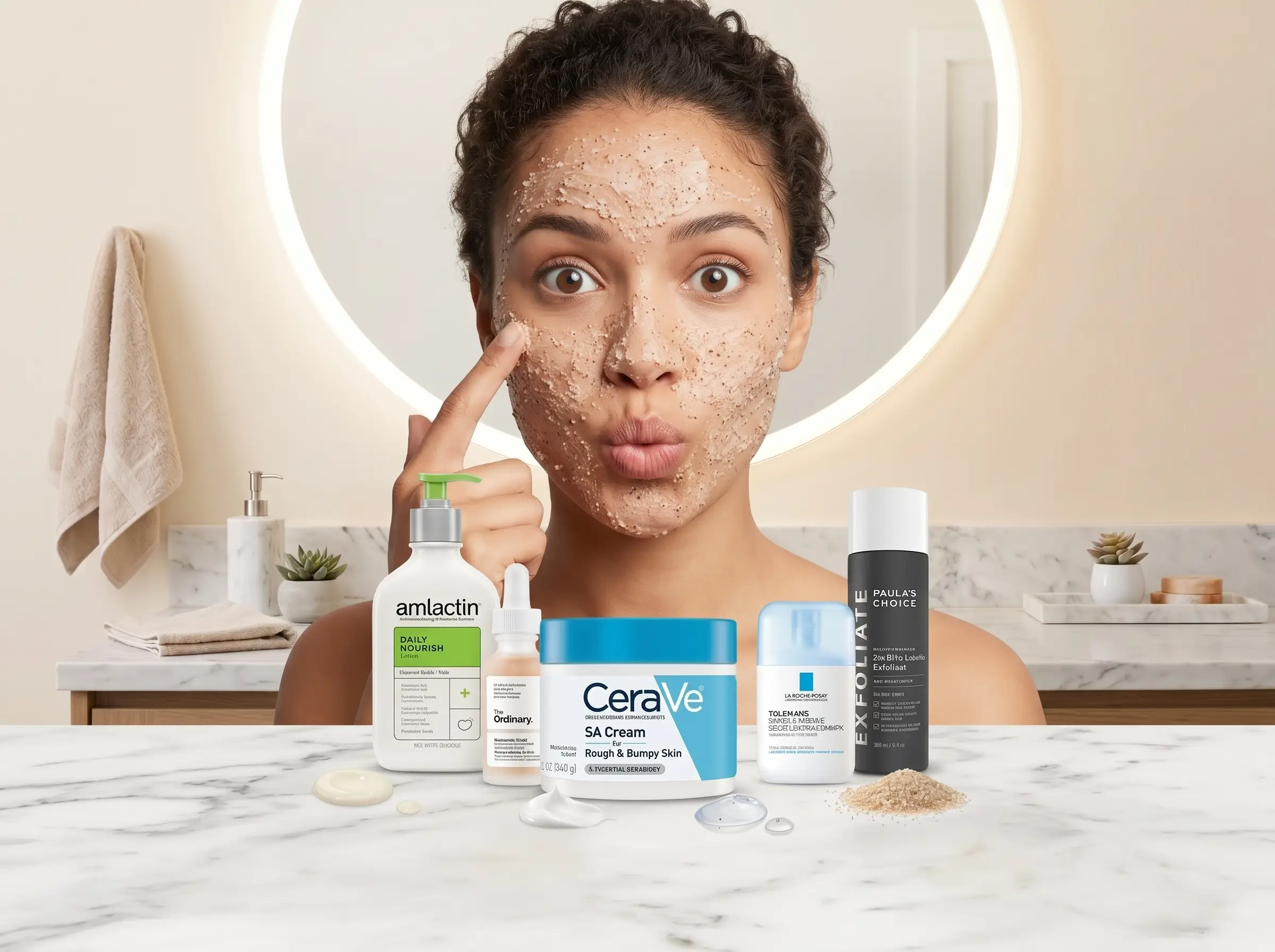
How to Get Rid of Textured, Bumpy Skin on Your Face

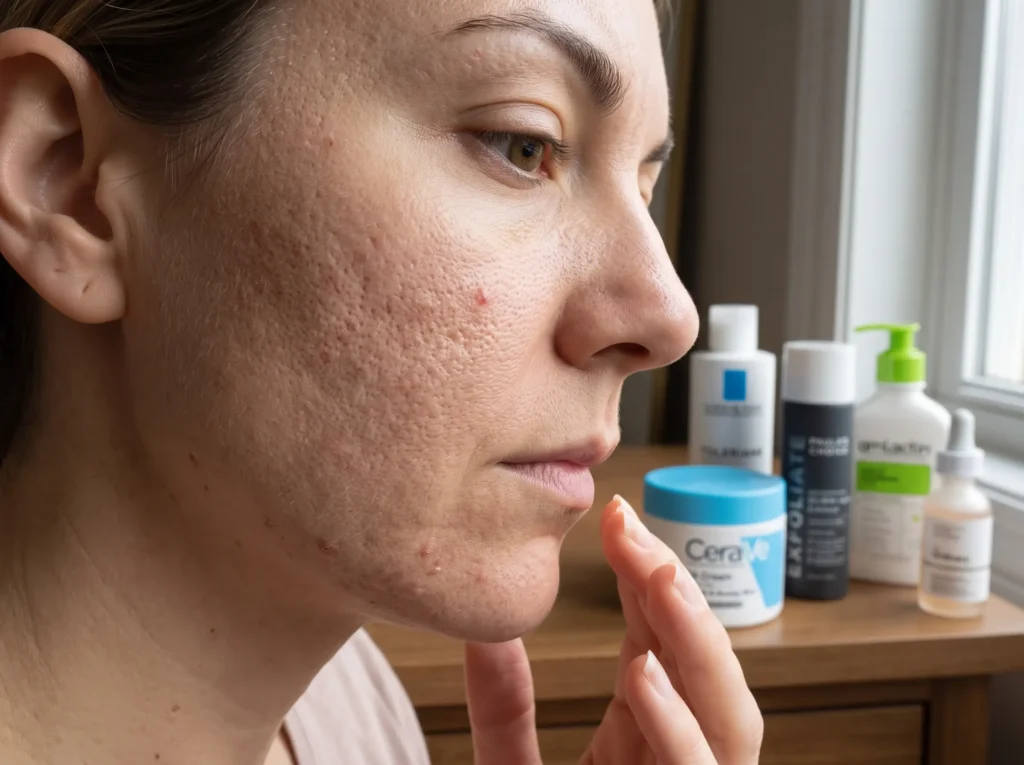
You run your fingers across your cheeks or forehead and feel it before you even see it: tiny bumps, rough patches, an uneven surface that doesn’t show up clearly in the mirror but is impossible to ignore up close. Textured, bumpy skin is one of the most common skin concerns people search for, and one of the most frustrating, mainly because “texture” isn’t a single problem with a single fix.
The truth is, bumpy skin can stem from several different causes, and the right solution depends heavily on what’s actually driving it. Applying the wrong product for the wrong type of texture can leave you spinning your wheels for months without real improvement.
This guide breaks down the most common causes of textured, bumpy skin, and walks through evidence-based, practical ways to help smooth things out, without unrealistic promises or one-size-fits-all fixes.
What Causes Textured, Bumpy Skin?
Before reaching for a product, it helps to understand what might actually be causing the texture you’re seeing and feeling. Several common culprits are worth ruling in or out.
Clogged Pores and Comedones
Tiny bumps, sometimes flesh-colored, sometimes with a slight dark center, are often a sign of clogged pores, whether that’s whiteheads, blackheads, or non-inflamed comedones. This is one of the most common causes of textured skin, particularly around the forehead, nose, and chin.
Buildup of Dead Skin Cells
When dead skin cells aren’t shed efficiently, they can accumulate on the surface, creating a rough, uneven feel. This tends to worsen with age, dehydration, or inconsistent exfoliation habits.
Keratosis Pilaris
Often called “chicken skin,” keratosis pilaris causes small, rough bumps, most commonly on the arms but sometimes on the cheeks, caused by a buildup of keratin around hair follicles. It’s a common, generally harmless skin condition rather than something caused by poor skincare habits.
Dehydration
Skin that lacks adequate water content can appear flaky, rough, or textured, even in the absence of clogged pores or excess oil. This is especially common in colder months or dry climates.
Sun Damage
Cumulative sun exposure over time can lead to thickened, rough patches of skin, along with uneven tone, both of which contribute to an overall textured appearance.
Product Buildup or Barrier Damage
Overuse of heavy products, or a compromised skin barrier from over-exfoliation or harsh actives, can sometimes create a bumpy, irritated texture that’s a reaction to the routine itself rather than an underlying skin condition.
Milia
Small, hard, white bumps just under the skin’s surface, called milia, are trapped keratin that hasn’t been able to reach the surface. They’re common around the eyes and cheeks and typically require a different approach than clogged pores.
How to Address Textured Skin, Based on the Cause
Since texture can stem from several different sources, the right fix really does depend on what’s driving it in your case. Here’s how to approach the most common scenarios.
If You’re Dealing With Clogged Pores
- Introduce a gentle chemical exfoliant. Ingredients like salicylic acid (a BHA) can help clear excess oil and debris from within the pore, while glycolic or lactic acid (AHAs) work more on the surface.
- Avoid heavy, pore-clogging products. Look for “non-comedogenic” labeling, particularly for moisturizers and sunscreens.
- Double cleanse if you wear sunscreen or makeup. Thoroughly removing the day’s products can help prevent buildup that contributes to clogged pores.
- Be patient. Visible improvement in clogged pores often takes four to eight weeks of consistent use before noticeable change appears.
If You’re Dealing With Dead Skin Cell Buildup
- Exfoliate consistently, not aggressively. Two to three times per week with a gentle chemical exfoliant is often more effective, and less irritating, than daily physical scrubs.
- Consider a gentle enzyme exfoliant. Fruit-enzyme-based products can offer a milder alternative to acids for sensitive skin.
- Follow with a hydrating moisturizer. Removing dead skin without replenishing moisture can leave skin feeling tight and can worsen the appearance of texture over time.
If You’re Dealing With Keratosis Pilaris
- Use a gentle chemical exfoliant regularly. Lactic acid or urea-based creams are commonly used to help soften and smooth rough, bumpy patches.
- Avoid harsh physical scrubbing. This can irritate the affected area without meaningfully improving texture.
- Moisturize consistently. Keeping skin well-hydrated can help reduce the rough, dry feel commonly associated with keratosis pilaris.
- Manage expectations. Keratosis pilaris is a chronic condition, and most approaches manage its appearance rather than eliminate it entirely.
If Dehydration Is the Cause
- Add a hydrating serum. Ingredients like hyaluronic acid or glycerin can help draw moisture into the skin.
- Layer a barrier-supporting moisturizer on top. Sealing in hydration with ceramides or fatty acids can help lock moisture in rather than letting it evaporate.
- Reassess your cleanser. Overly stripping cleansers can contribute to ongoing dehydration, undermining other steps in your routine.
If Sun Damage Is a Factor
- Prioritize daily sunscreen use. Preventing further damage is a key part of managing sun-related texture over time.
- Consider ingredients like vitamin C or niacinamide. These are commonly used to help support a more even-looking skin tone and texture over time.
- Be consistent, and be patient. Improvement in sun-related texture tends to happen gradually, often over several months of consistent care.
If Over-Exfoliation or Barrier Damage Is the Culprit
- Pause active ingredients temporarily. Give your skin a break from exfoliating acids, retinoids, and other actives for one to two weeks.
- Focus on gentle, barrier-repairing products. Simple, fragrance-free moisturizers with ceramides can help support recovery.
- Reintroduce actives slowly. Once skin has calmed, ease actives back in gradually, starting with lower frequency than before.
If Milia Are the Issue
- Avoid picking or attempting to extract milia at home. This can lead to irritation, scarring, or infection.
- Gentle exfoliation may help over time, though milia are notoriously slow to resolve and sometimes require professional extraction.
- Consider a dermatologist or esthetician visit. For persistent or widespread milia, professional extraction is often the most effective and safest option.
Product Recommendations for Textured Skin
While the right product depends on your specific cause, a few commonly recommended options tend to work well across multiple types of textured skin concerns.
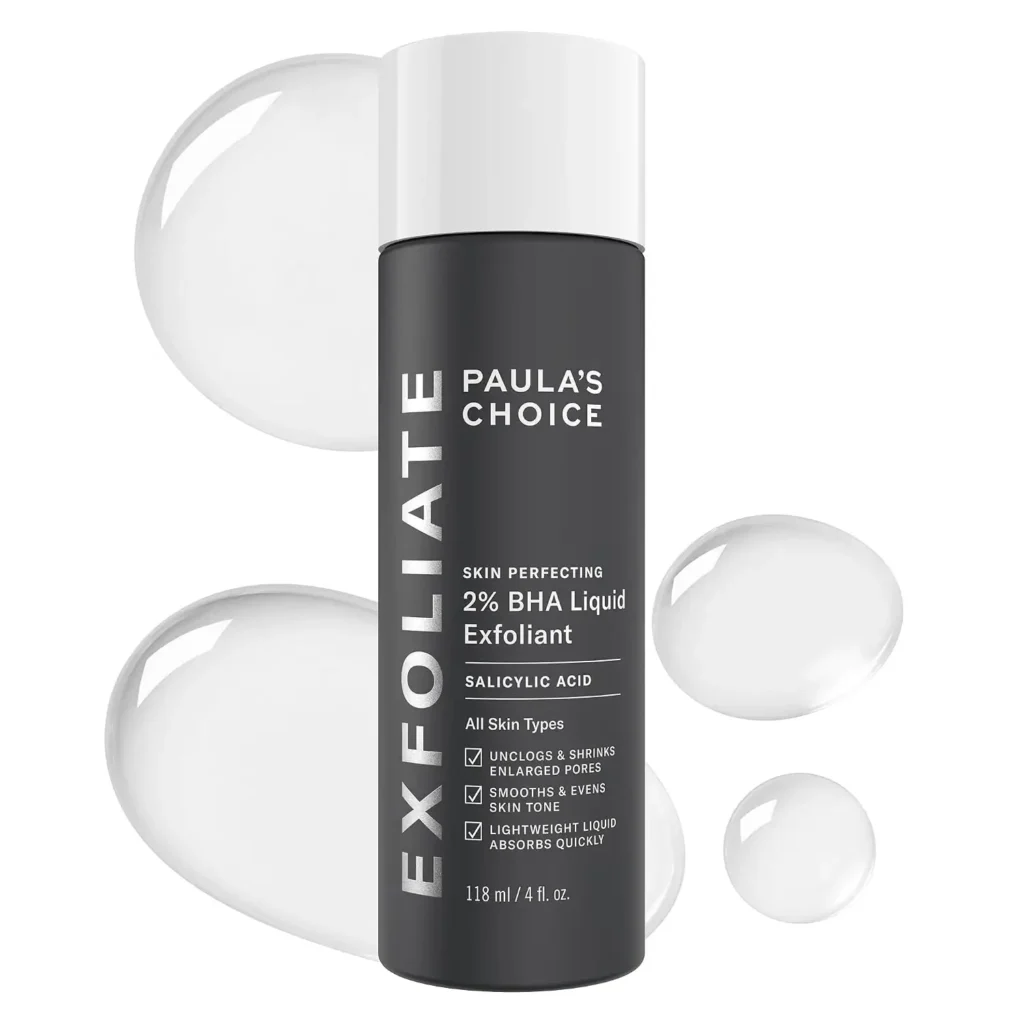
Paula’s Choice 2% BHA Liquid Exfoliant
is frequently recommended for clogged pores and general texture, thanks to its salicylic acid formula that works within the pore itself.
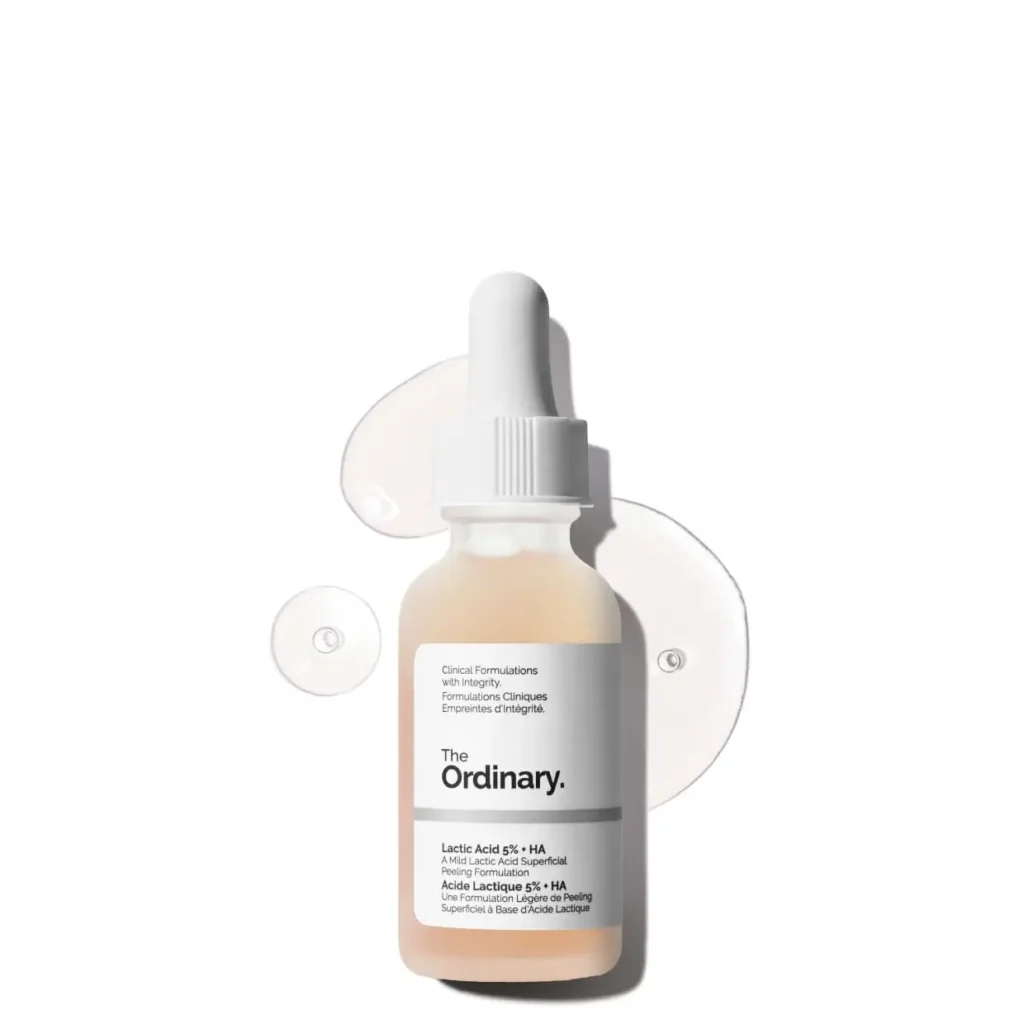
The Ordinary Lactic Acid 5% + HA
offers a gentler AHA option, suitable for those newer to exfoliating acids or with more sensitive skin.

AmLactin Daily Moisturizing Lotion
is a commonly recommended option for keratosis pilaris, thanks to its lactic acid content in a moisturizing base.
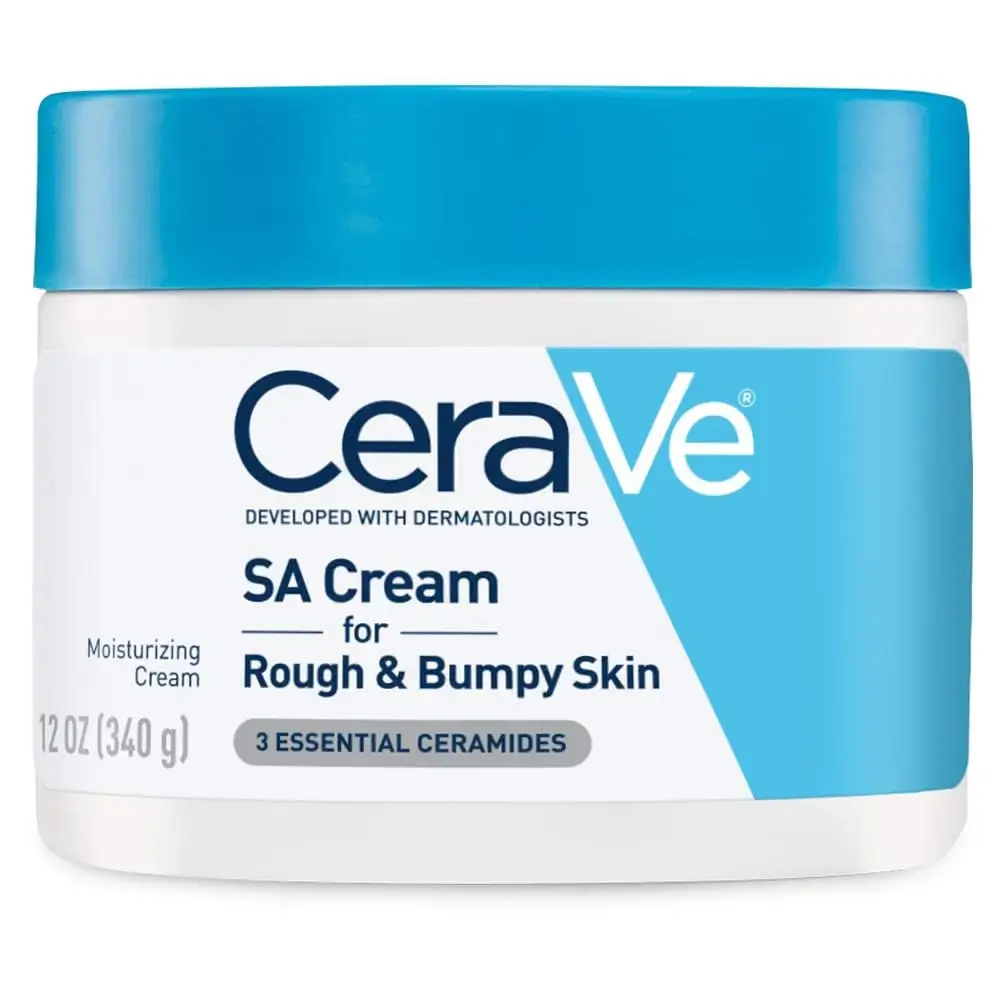
combines salicylic acid with ceramides, aiming to exfoliate while still supporting the skin barrier, making it a reasonable option for rough, bumpy texture on both face and body.
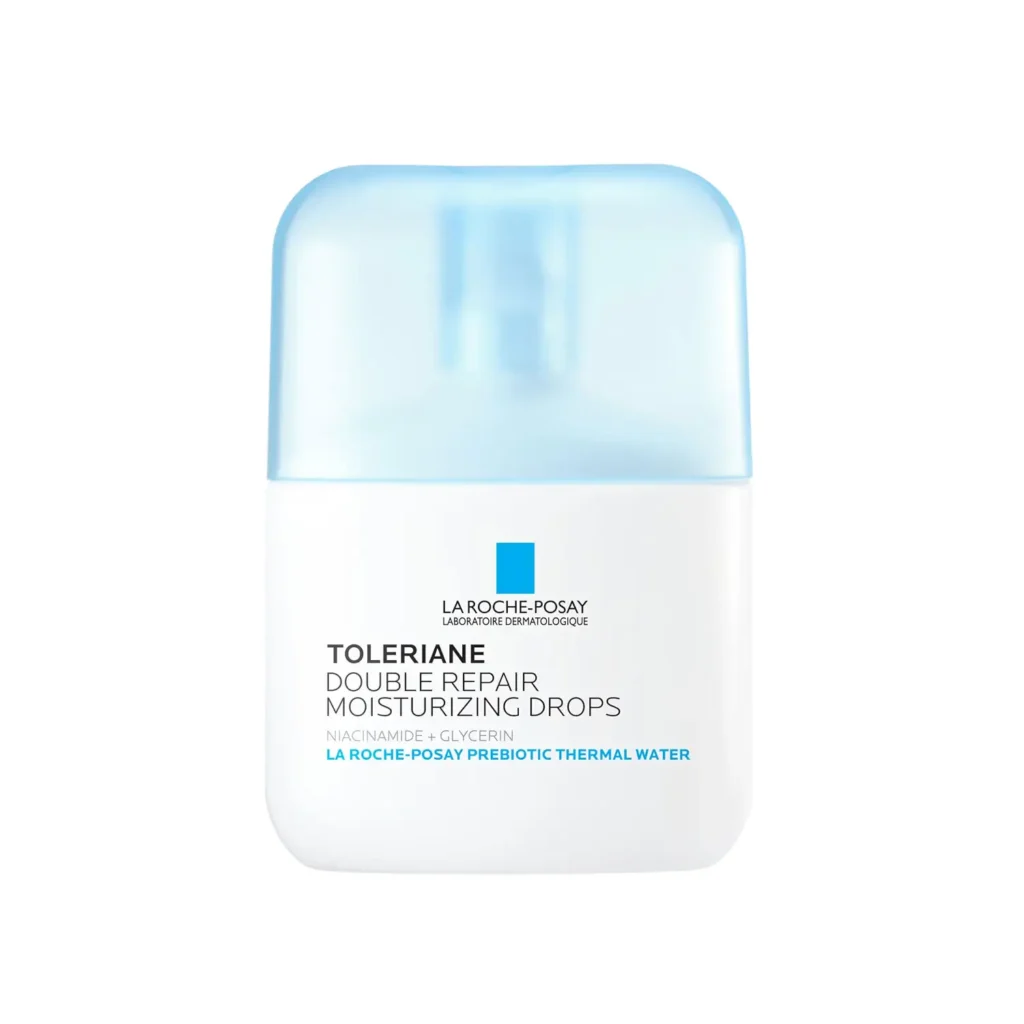
La Roche-Posay Toleriane Double Repair Moisturizer
is often suggested for those recovering from over-exfoliation or barrier damage, given its simple, ceramide-based formula.
A Sample Weekly Routine for Textured Skin
This is a general starting framework. Individual routines should be adjusted based on your specific skin type and the underlying cause of your texture.
- Daily (AM): Gentle cleanser, hydrating serum, moisturizer, sunscreen.
- Daily (PM): Gentle cleanser, moisturizer (barrier-supporting ingredients like ceramides).
- 2–3 times per week: Chemical exfoliant (BHA for clogged pores, AHA for surface texture), applied in place of your evening moisturizer step, followed by a basic moisturizer afterward.
- As needed: Give skin a rest day from actives if it feels irritated, tight, or more textured than usual.
When to See a Dermatologist
While many causes of textured skin can be managed at home, it’s worth booking a dermatologist visit if:
- Texture is accompanied by persistent redness, pain, or inflammation
- Bumps aren’t improving after several months of consistent, appropriate care
- You suspect a condition like milia, cystic acne, or a skin condition that may require professional treatment
- You’re unsure what’s actually causing your texture and want a more targeted diagnosis
A dermatologist can also offer in-office treatments, such as professional-grade exfoliation, extractions, or prescription-strength options, that go beyond what’s available over the counter.
Frequently Asked Questions
What causes textured, bumpy skin on the face?
Textured skin can result from several causes, including clogged pores, dead skin cell buildup, keratosis pilaris, dehydration, sun damage, or a compromised skin barrier.
How long does it take to fix textured skin?
This varies widely depending on the cause, but most people notice gradual improvement over four to eight weeks of consistent, appropriate care, with continued improvement over several months.
Does exfoliating help with bumpy skin?
Regular, gentle exfoliation can help with certain causes of texture, like clogged pores or dead skin buildup, though over-exfoliating can worsen texture if it damages the skin barrier.
Is bumpy skin always related to acne?
Not always. While clogged pores and acne are common causes, textured skin can also stem from keratosis pilaris, dehydration, sun damage, or milia, none of which are technically acne.
Can dehydrated skin feel bumpy?
Yes. Dehydrated skin can appear flaky, rough, or textured, even without clogged pores, which is why hydration is an important part of most texture-focused routines.
What ingredients help with textured skin?
Salicylic acid, lactic acid, glycolic acid, niacinamide, and ceramides are commonly used ingredients, depending on the specific cause of the texture.
Should you use a physical scrub for bumpy skin?
Gentle chemical exfoliants are generally recommended over harsh physical scrubs, which can sometimes irritate skin further without meaningfully improving texture.
Can textured skin be genetic?
Some causes of textured skin, like keratosis pilaris, do have a genetic component, meaning they may be more of a management issue than something that can be fully resolved.
Final Thoughts
Textured, bumpy skin rarely has a single, universal fix, which is exactly why so many people struggle to find lasting improvement. The most effective approach starts with identifying what’s actually causing your texture, whether that’s clogged pores, dehydration, keratosis pilaris, or something else, and then building a routine specifically suited to that cause.
Consistency matters more than intensity here. Gentle, regular care, paired with patience over several weeks or months, tends to outperform aggressive, one-off treatments every time.