Disclosure: This article contains affiliate links. If you purchase a product through one of these links, we may earn a commission at no additional cost to you.

The Best Heat Protectant Sprays for Hair

Blow dryers, flat irons and curling wands make styling easier, but they also take a toll. Repeated heat can leave hair dry, rough, dull and prone to breakage. A good heat protectant will not make hot tools risk-free, but it can reduce the damage and help hair stay smoother and shinier over time.
This guide explains how heat protectants work, how to choose one for your hair type, and which products are worth trying.
What Does a Heat Protectant Actually Do?
A heat protectant coats the hair with a thin layer that slows how quickly heat passes into the strand and helps the hair dry more evenly. Many also add slip, moisture and shine, so hair is easier to style. They do not make hair immune to heat, which is why using the right temperature still matters.
Spray, Cream or Serum: Which Is Best?
- Sprays are lightweight and quick to apply. They suit fine to medium hair and anyone who wants an even, non-greasy layer.
- Creams and lotions add more moisture and smoothing. They work well on thick, coarse, curly or very dry hair.
- Serums and oils add shine and tame frizz. They suit hair that is already fairly healthy, and are best used on dry hair or in small amounts to avoid greasiness.
Some products do more than one job, for example detangling, smoothing and protecting in one step.
What to Look for in a Heat Protectant
- A clear heat rating. Look for products that state the maximum temperature they protect up to. Many are designed for use up to around 400°F (about 200°C).
- Conditioning ingredients. Silicones such as dimethicone, plus proteins, panthenol and natural oils, help smooth and protect hair.
- Weight that suits your hair. Fine hair needs light formulas, while thick or curly hair can handle richer ones.
- Alcohol content. Very drying alcohols can leave dry hair feeling rough, so look for creamier options if that is a concern.
Best Heat Protectant Sprays for Hair
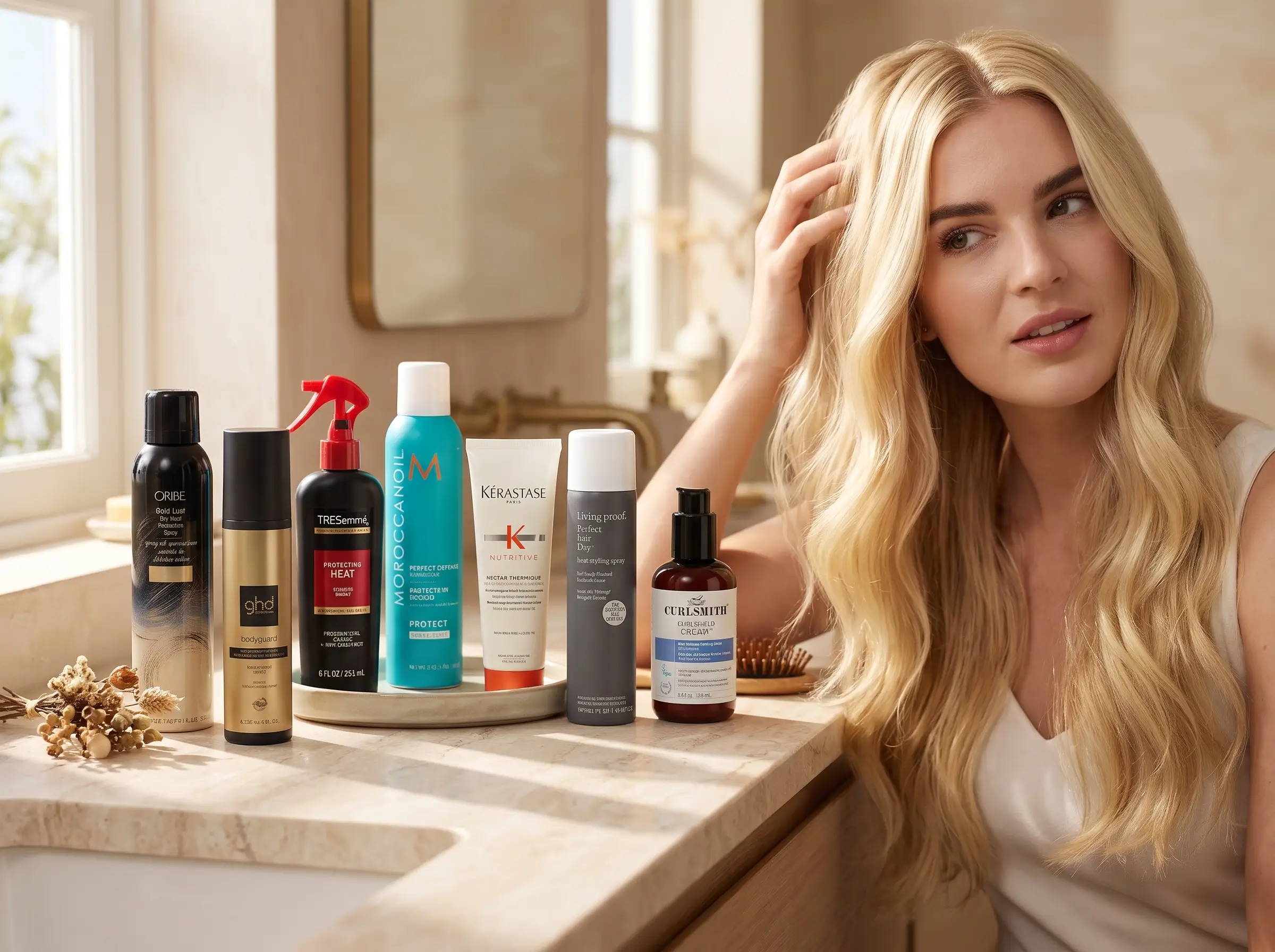
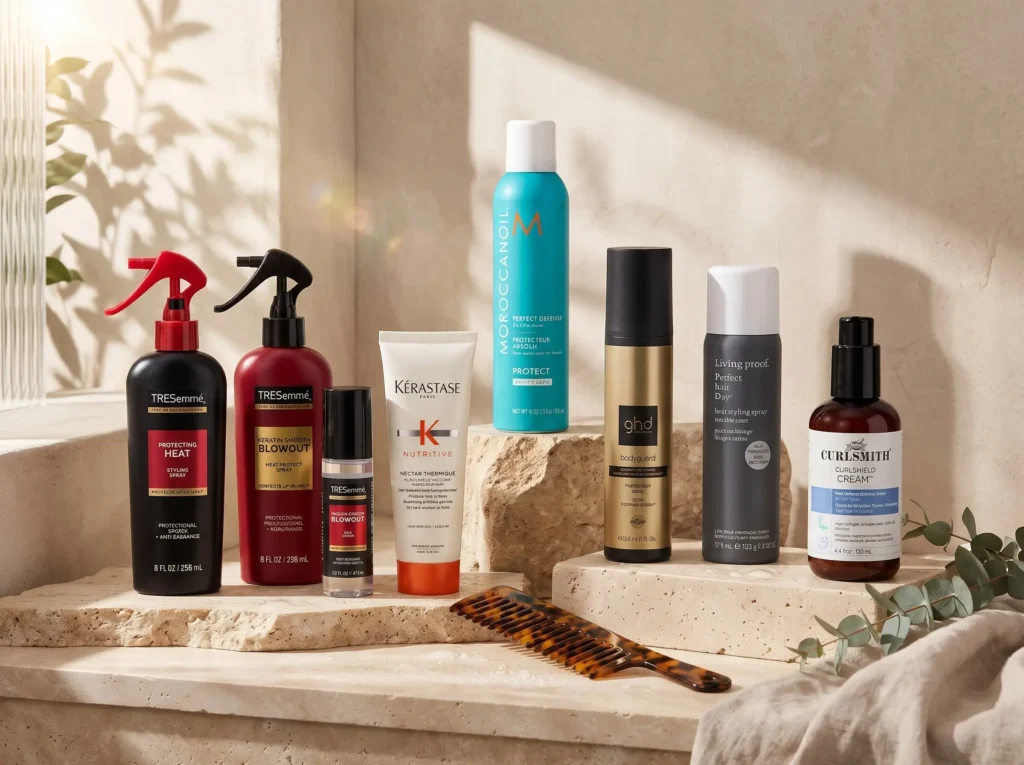
Best Overall: ghd Bodyguard Heat Protect Spray
A well-liked all-rounder designed to protect hair from styling heat while helping it stay smooth and manageable. It suits most hair types and layers well with other products.
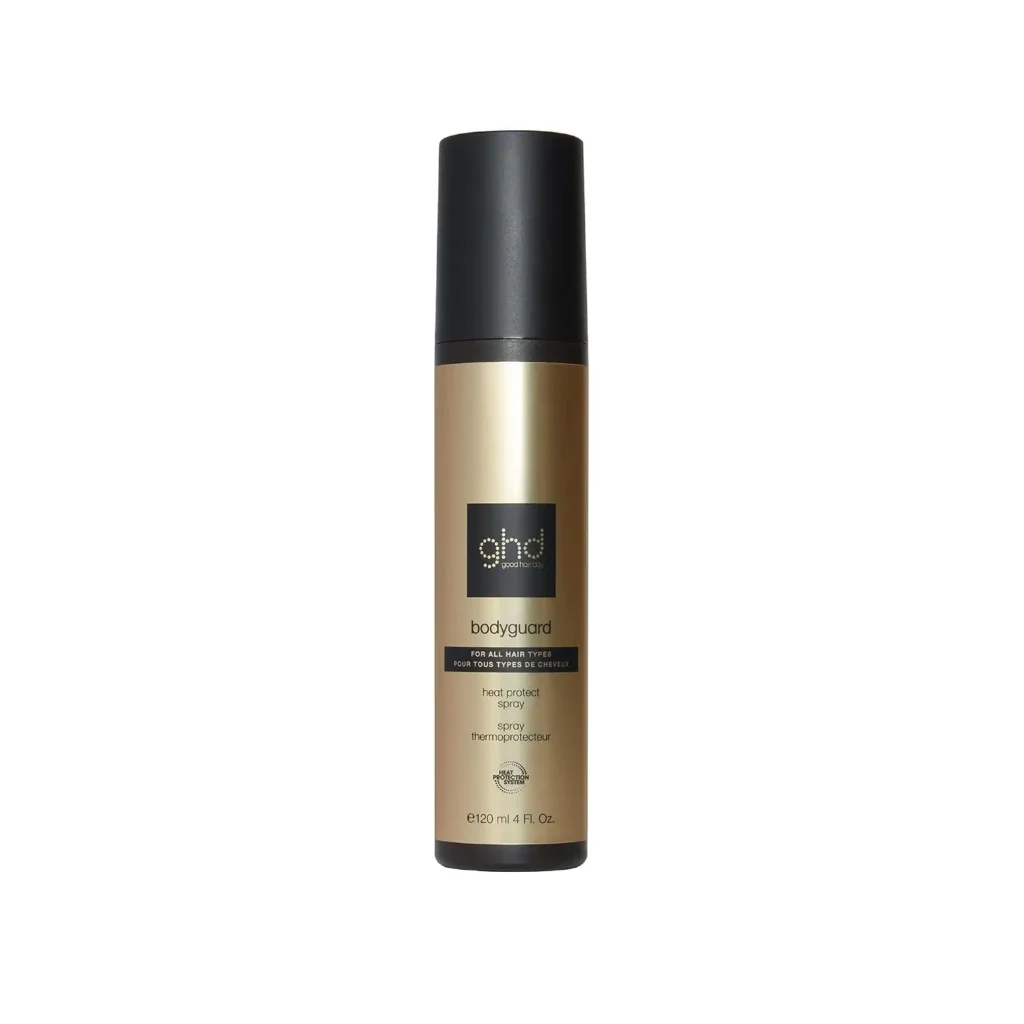
ghd Bodyguard Heat Protect Spray
Best for Fine Hair: Living Proof Perfect Hair Day Heat Styling Spray
A lightweight option that protects without weighing hair down, which makes it a good choice if fine hair tends to fall flat.
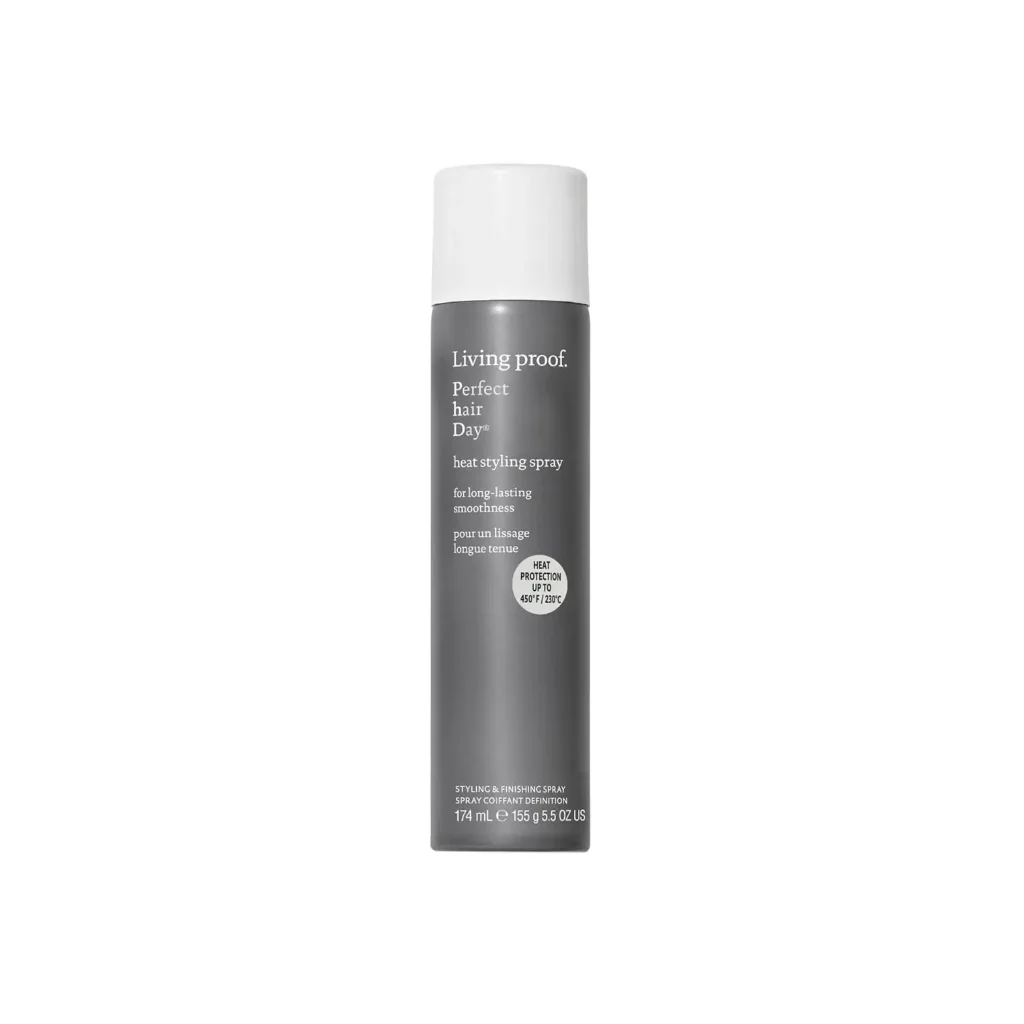
Living Proof Perfect Hair Day Heat Styling Spray
Best Premium Pick: Moroccanoil Perfect Defense
A more luxurious option known for smoothing, shine and protecting hair during blow-drying and styling. Worth considering if you use hot tools often.
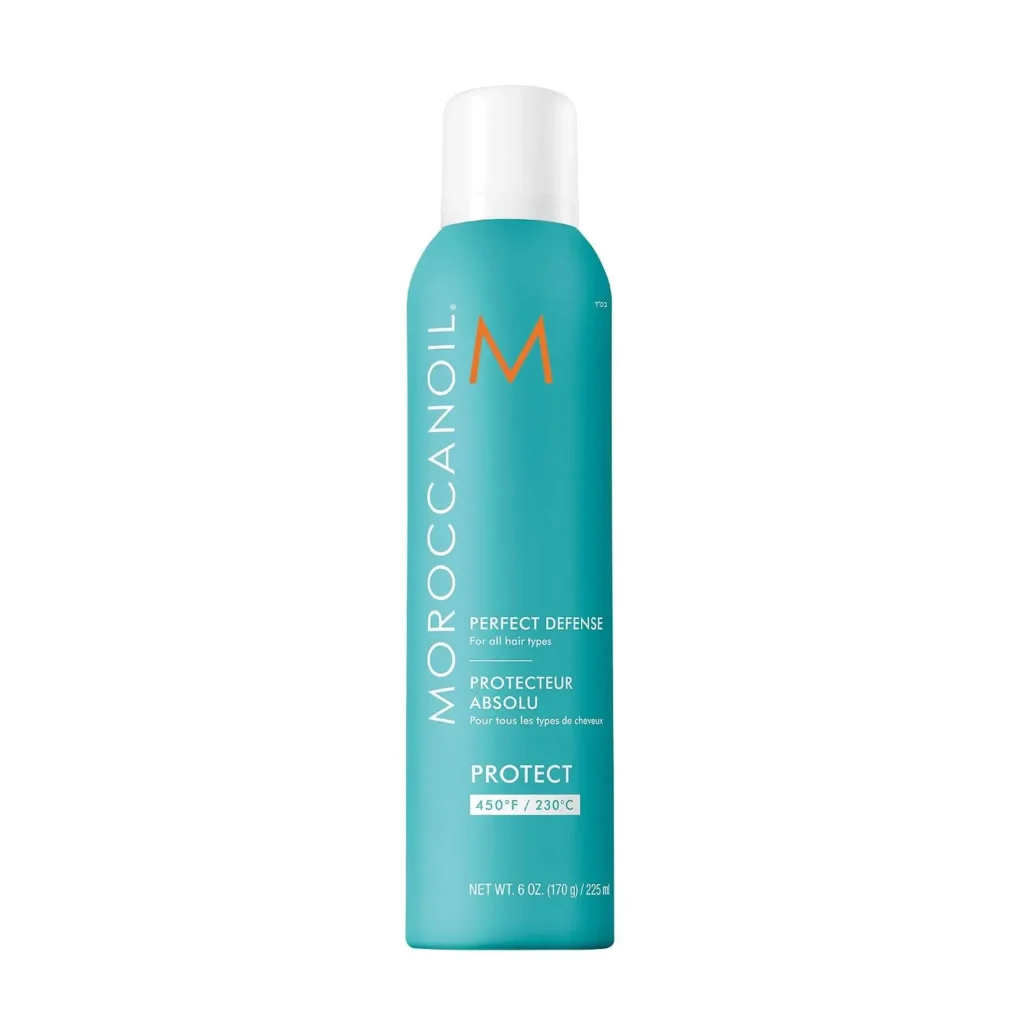
Moroccanoil Perfect Defense Heat Protectant
Best Budget Pick: TRESemmé Thermal Creations Heat Tamer Spray
An affordable and widely available choice that protects hair from heat and helps control frizz. A good place to start if you are new to heat protectants.
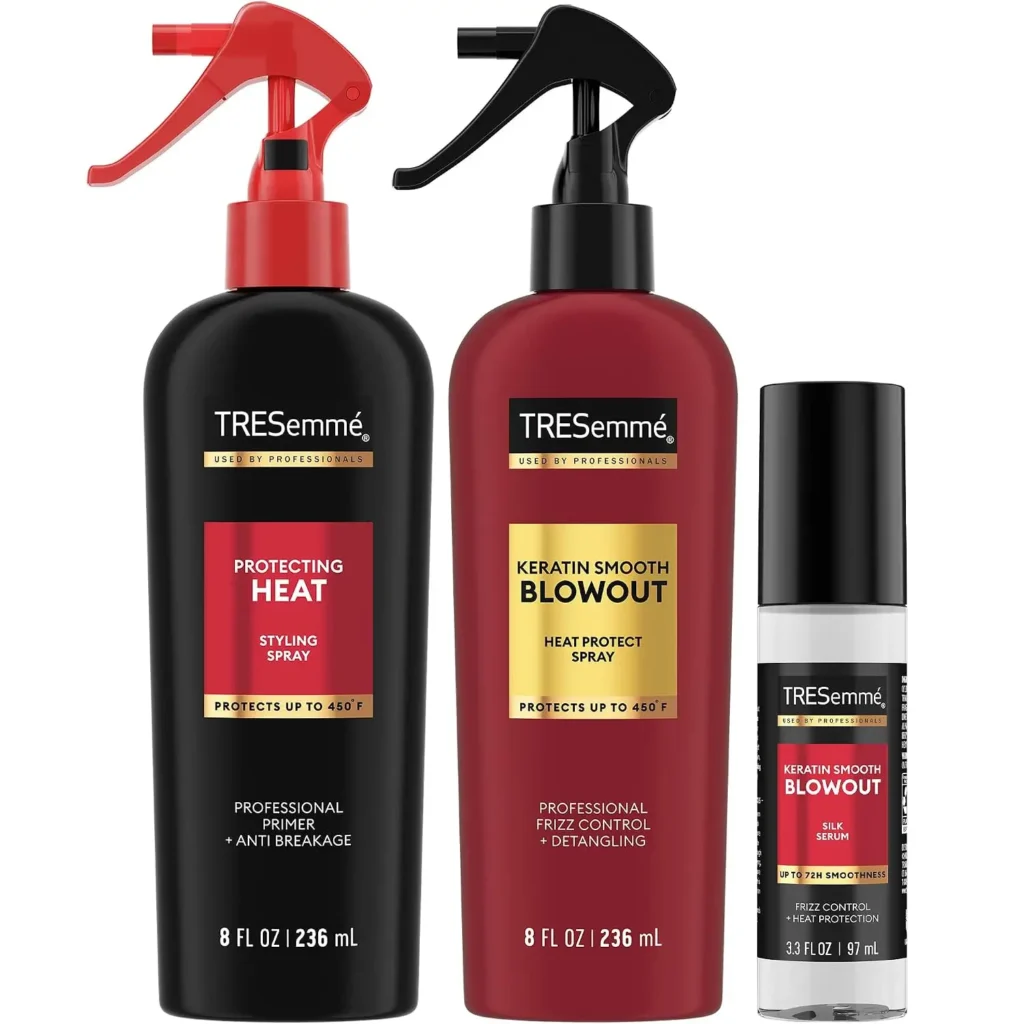
TRESemme Thermal Creations Heat Tamer Spray
Best for Thick or Dry Hair: Kérastase Nectar Thermique or a similar rich serum
Richer formulas deliver more smoothing and moisture. They suit thick, coarse or dry hair, especially for blow-drying.
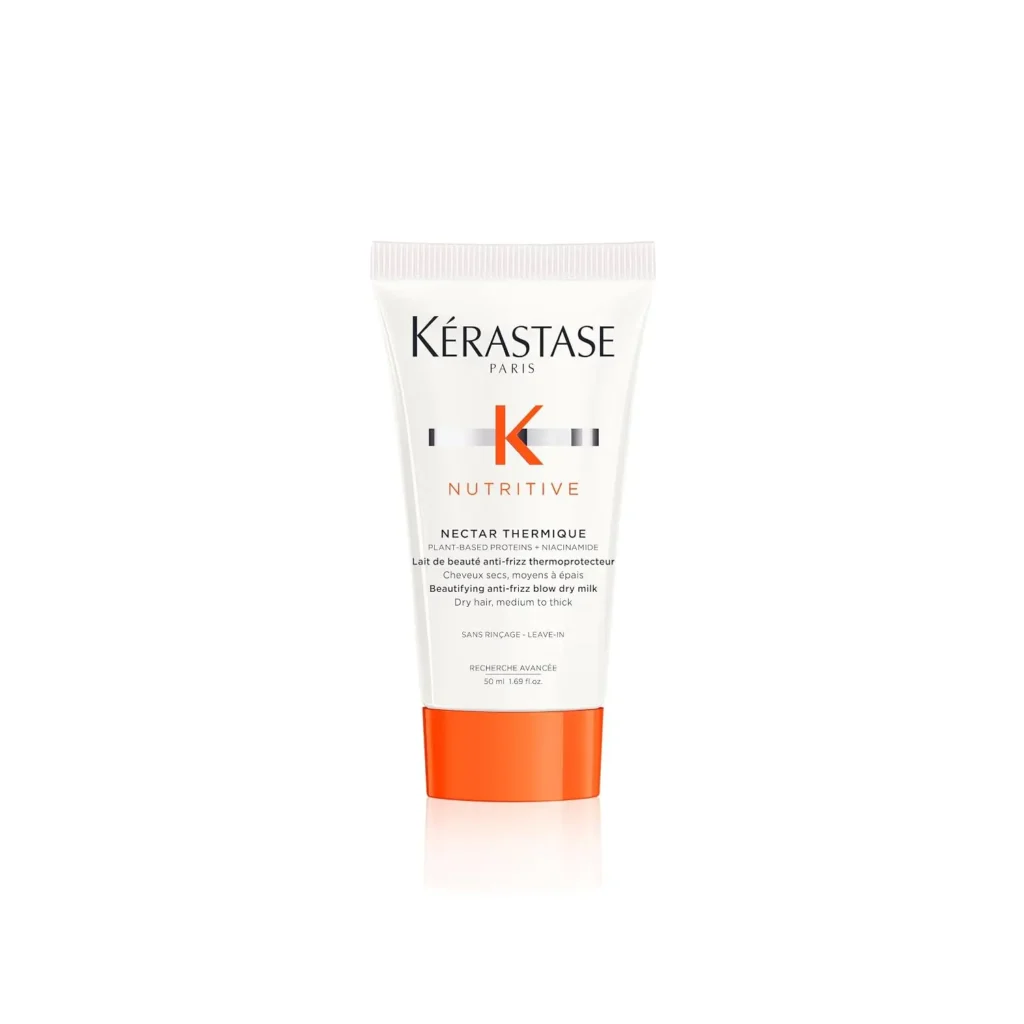
Kerastase Nectar Thermique Cream
Best for Curly Hair: A cream-based heat protectant made for curls
Curly and coily hair tends to be drier, so a cream formula that adds moisture and definition is usually a better match than a thin spray. Check the label for a stated heat protection rating.
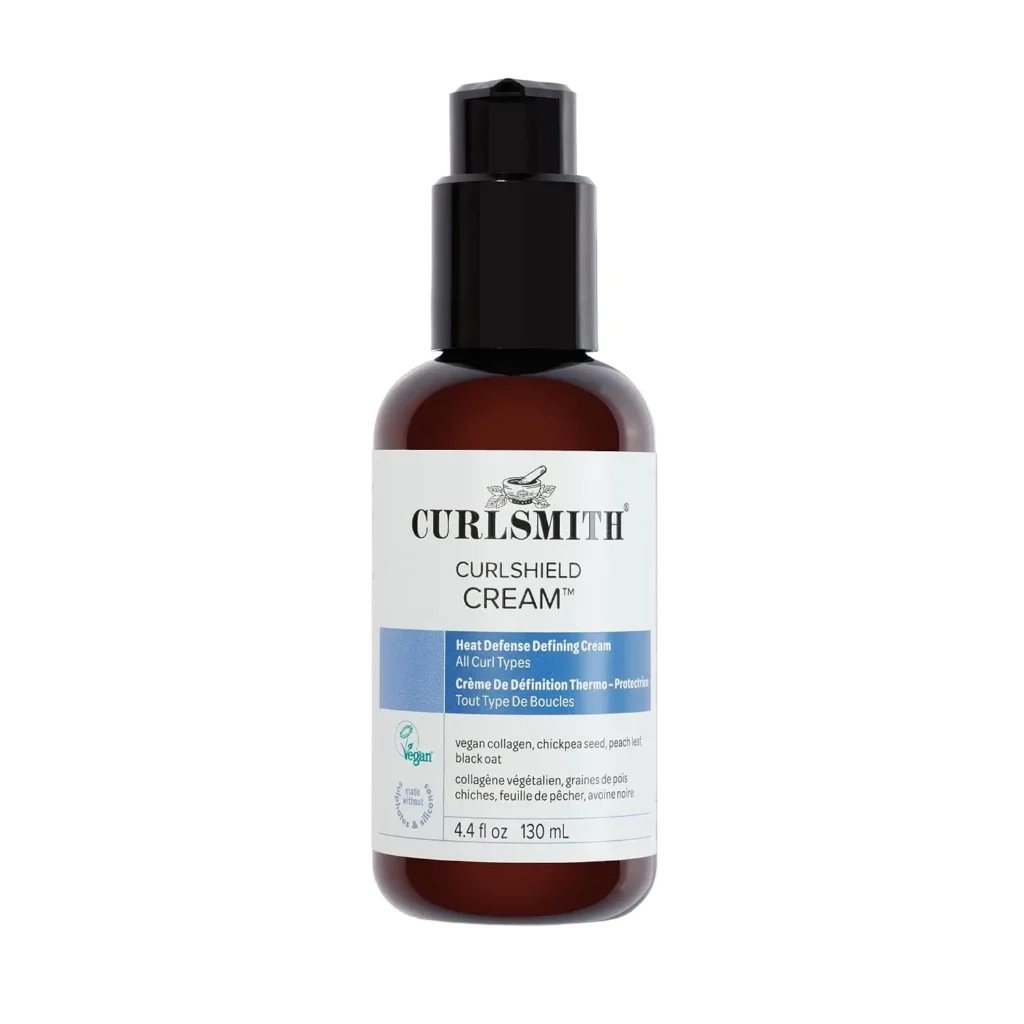
CURLSMITH CurlShield Heat Defense Cream
Safe Styling Temperatures
Temperature matters as much as the product. As a general guide:
- Fine or damaged hair: around 300 to 350°F (150 to 175°C)
- Medium or normal hair: around 350 to 375°F (175 to 190°C)
- Thick or coarse hair: up to about 400°F (200°C)
Start low and raise the temperature only if you need to. Avoid going above 400°F, and do not pass a hot tool over the same section again and again.
How to Use a Heat Protectant Properly
- Apply to damp or towel-dried hair when blow-drying, or to completely dry hair before using flat irons or curling wands, as directed on the label.
- Section your hair. Spray or smooth the product evenly so every strand is covered.
- Comb it through. A wide-tooth comb or a detangling brush spreads it evenly.
- Let it dry fully before using hot tools. Styling wet hair with a flat iron can cause more damage.
- Use the lowest temperature that works.
If your hair is already dry and damaged, pair your heat protectant with a leave-in conditioner for extra moisture.
Common Mistakes to Avoid
- Using a heat protectant only some of the time
- Applying too little product
- Using hot tools on wet hair
- Setting the temperature too high
- Skipping deep conditioning
Signs of Heat Damage in Your Hair
Heat damage builds up slowly, so it is easy to miss until your hair already feels different. Common signs include:
- Hair that feels rough, dry or brittle even after conditioning
- Dullness and less shine than before
- Split ends and frequent breakage
- Frizz that does not settle with smoothing products
- Curls that no longer hold their shape, which can happen when hair is repeatedly overheated
- Hair that looks fine when wet but feels straw-like once dry
If you notice several of these signs, reduce how often you use hot tools and add a deep conditioning treatment to your routine. Damaged hair cannot be truly repaired, but good care can make it look and feel healthier while new hair grows in.
How to Use Heat Protectant With Each Tool
The best method depends on which tool you are using.
Blow dryer. Apply the product to damp, towel-dried hair and comb it through. Use the medium heat setting and keep the dryer moving, about six inches from your hair. Finish with a cool blast to help set the style and add shine.
Flat iron. Make sure your hair is completely dry before straightening. Use a protectant labeled for dry hair or flat ironing, work in small sections, and glide the iron through once or twice instead of repeating passes.
Curling iron or wand. Apply protectant to dry hair, curl in small sections and hold for a few seconds only. Holding the iron for a long time at a high temperature increases the risk of damage.
Hot rollers or hot brushes. These use lower, gentler heat, but they still benefit from a light layer of protectant, especially on fine hair.
Heat Protectant Routine by Hair Type
Fine or thin hair. Choose a lightweight spray and use only a small amount, so hair does not look flat or greasy. Start the iron at a lower temperature, since fine hair can be damaged more easily.
Thick or coarse hair. Rich creams and serums help smooth the cuticle and add moisture. You can use a slightly higher temperature, but use it sparingly and keep sections small so the heat reaches evenly.
Curly or coily hair. Use a cream-based heat protectant on damp or dry hair, depending on the product. Try not to use high heat very often, because heat can loosen curl patterns. Pair styling with a regular deep conditioning treatment and a leave-in conditioner.
Color-treated or bleached hair. Color-treated hair is more fragile, so use a protectant every time and keep temperatures on the lower end. Look for formulas designed for color-treated hair.
Ways to Style With Less Heat
The best way to protect hair from heat is to use less of it. These habits can help:
- Air-dry partway. Let hair dry to about 80 percent before blow-drying, which shortens the time heat touches it.
- Use a microfiber towel or soft T-shirt. Rough terry towels can rough up the hair cuticle.
- Try heatless curls. Braids, twists, bun sets and soft curl rods can create waves overnight without a hot tool.
- Detangle gently. A good detangling brush reduces breakage, especially before styling.
- Sleep on a smooth surface. A silk or satin pillowcase can reduce friction while you sleep, which helps styles last and hair stay smoother.
- Space out hot styling days. Giving hair a few days between heat sessions lets it recover.
How to Tell if Your Heat Protectant Is Working
It is hard to see heat damage prevented, but you can watch for good signs. Your hair should feel smooth and flexible after styling, not stiff, crunchy or sticky. Styles should hold without needing a second pass. Over several weeks, you should notice less frizz and breakage. If hair feels coated or heavy, you may be using too much product, or the formula may be too rich for your hair type.
Heat Protectant Buying Checklist
Before you buy, run through these questions:
- Does it state a heat protection temperature?
- Is it suited to my hair type, whether fine, thick, curly or color-treated?
- Can I use it on wet hair, dry hair or both?
- Does it add value, such as smoothing, shine or detangling?
- Is the scent something I can live with every day?
- Does the size and price suit how often I style my hair?
Frequently Asked Questions
Do I really need a heat protectant?
If you use heat tools regularly, yes. It will not eliminate damage, but it helps reduce it and keeps hair feeling smoother.
Can I use heat protectant on dry hair?
Yes, as long as the product says it is suitable for dry styling. Many sprays work on both damp and dry hair.
How much heat protectant should I use?
Follow the directions, usually a light, even coating. Too much can leave hair greasy, and too little leaves it unprotected.
Is heat protectant the same as leave-in conditioner?
No. A leave-in conditioner adds moisture, while a heat protectant is designed to shield hair from heat. Some products do both.
Does heat protectant work at high temperatures?
It reduces damage, but no product makes extreme temperatures safe. Keep tools at the lowest effective setting.
How often should I use heat tools on my hair?
The less often, the better. Many stylists suggest limiting hot tools to a few times a week at most and giving hair rest days. Always use a protectant and keep the temperature as low as works for you.
Can I use heat protectant on color-treated hair?
Yes, and it is especially helpful. Color-treated and bleached hair is more fragile, so choose a formula designed for it and keep the temperature moderate.
Does heat protectant prevent split ends?
It can help reduce the damage that leads to dryness and breakage, but it cannot prevent split ends entirely. Regular trims are the only way to remove them.
Should I apply heat protectant before or after other hair products?
Apply it after leave-in conditioners or detanglers and before any styling tools. Layer lightly so hair does not feel heavy.
Final Thoughts
The best heat protectant is the one that suits your hair type and that you use every time. Pair it with a sensible temperature, a conditioning routine and a little patience, and your hair will stay healthier even if you style it often.