Disclosure: This article contains affiliate links. If you purchase a product through one of these links, we may earn a commission at no additional cost to you.
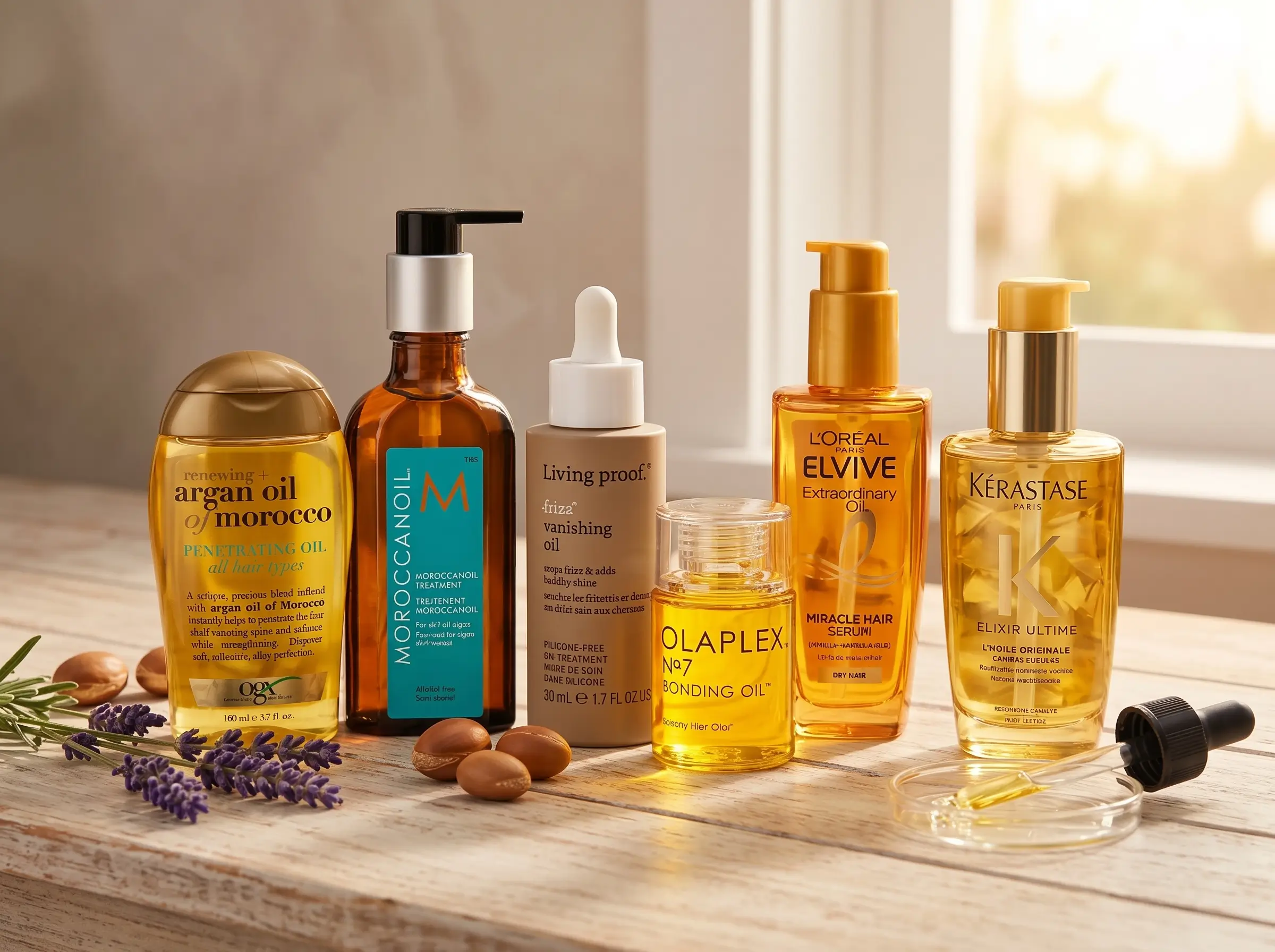
The Best Hair Oils for Frizz, Shine, and Split Ends

Frizz, dullness, and split ends are three of the most common hair complaints, and they often share a root cause: a compromised or dehydrated hair cuticle. When the outer layer of the hair shaft is rough or lifted, light doesn’t reflect off it evenly, moisture escapes more easily, and strands become more prone to breaking or splitting.
Hair oil won’t repair split ends once they’ve already happened, but the right formula can smooth the cuticle, add slip and shine, and help reduce the look and feel of frizz, while also making hair more resistant to future damage.
In this guide, we’re rounding up some of the best hair oils for frizz, shine, and split ends, along with tips on choosing and using the right one for your hair type.
What to Look for in a Hair Oil
Not all hair oils are formulated the same way, and the right one depends heavily on your hair type and main concern.
Oil Type and Weight
Lighter oils, like argan or grapeseed oil, tend to work well for fine or thin hair, while richer oils, like coconut or marula oil, are often better suited to thick, coarse, or very dry hair.
Frizz Control
Look for oils that mention smoothing or anti-frizz benefits specifically, often formulated with silicones or lightweight oils that coat the hair shaft without weighing it down.
Shine-Boosting Ingredients
Oils rich in fatty acids, like argan, jojoba, or camellia oil, tend to reflect light more effectively, contributing to a glossy, healthy-looking finish.
Split-End Support
While no product can truly “repair” a split end, oils with strengthening ingredients like keratin, biotin, or bond-building technology may help smooth the appearance of split or damaged ends and reduce further breakage.
Application Method
Some oils are designed for damp hair as a leave-in treatment, others for dry hair as a finishing touch, and some double as an overnight deep treatment. Check the intended use before applying.
Hair Type Compatibility
Fine hair typically benefits from lighter oils used sparingly, while thick, curly, or coarse hair can often handle richer formulas applied more generously.
Best Hair Oils at a Glance
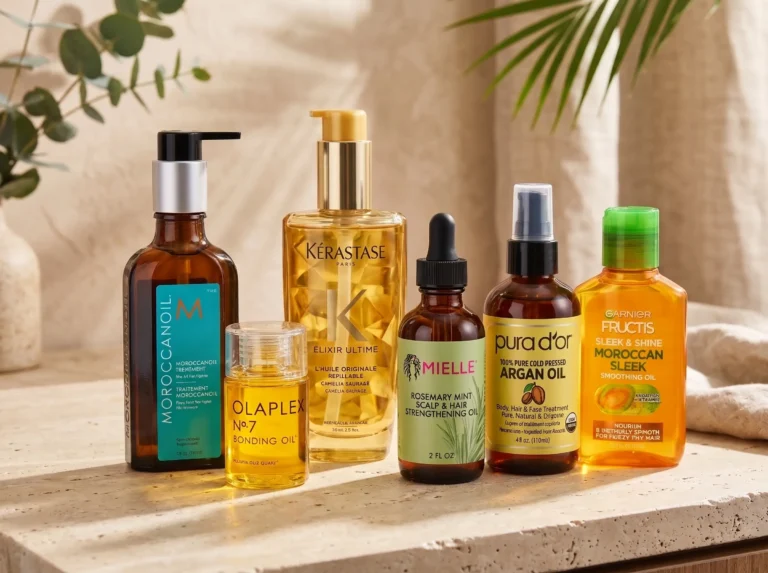
| Product | Best For | Oil Type/Formula | Key Reason to Consider It |
|---|---|---|---|
| Moroccanoil Treatment | All-around frizz and shine | Argan oil-based | Iconic, versatile formula suited to most hair types |
| OGX Argan Oil of Morocco Penetrating Oil | Budget-friendly everyday use | Argan oil blend | Affordable option with a lightweight, smoothing feel |
| Olaplex No. 7 Bonding Oil | Damaged hair and split ends | Bond-building oil | Strengthening technology alongside frizz control |
| Living Proof No Frizz Nourishing Styling Oil | Fine or thin hair | Lightweight silicone-oil blend | Designed specifically to fight frizz without weighing hair down |
| Kérastase Elixir Ultime | Luxury shine and softness | Multi-oil blend | Rich, multi-oil formula for a glossy, salon-like finish |
| L’Oréal Paris Elvive Extraordinary Oil | Drugstore accessibility | Six-oil blend | Widely available with a versatile, multi-purpose formula |
Moroccanoil Treatment
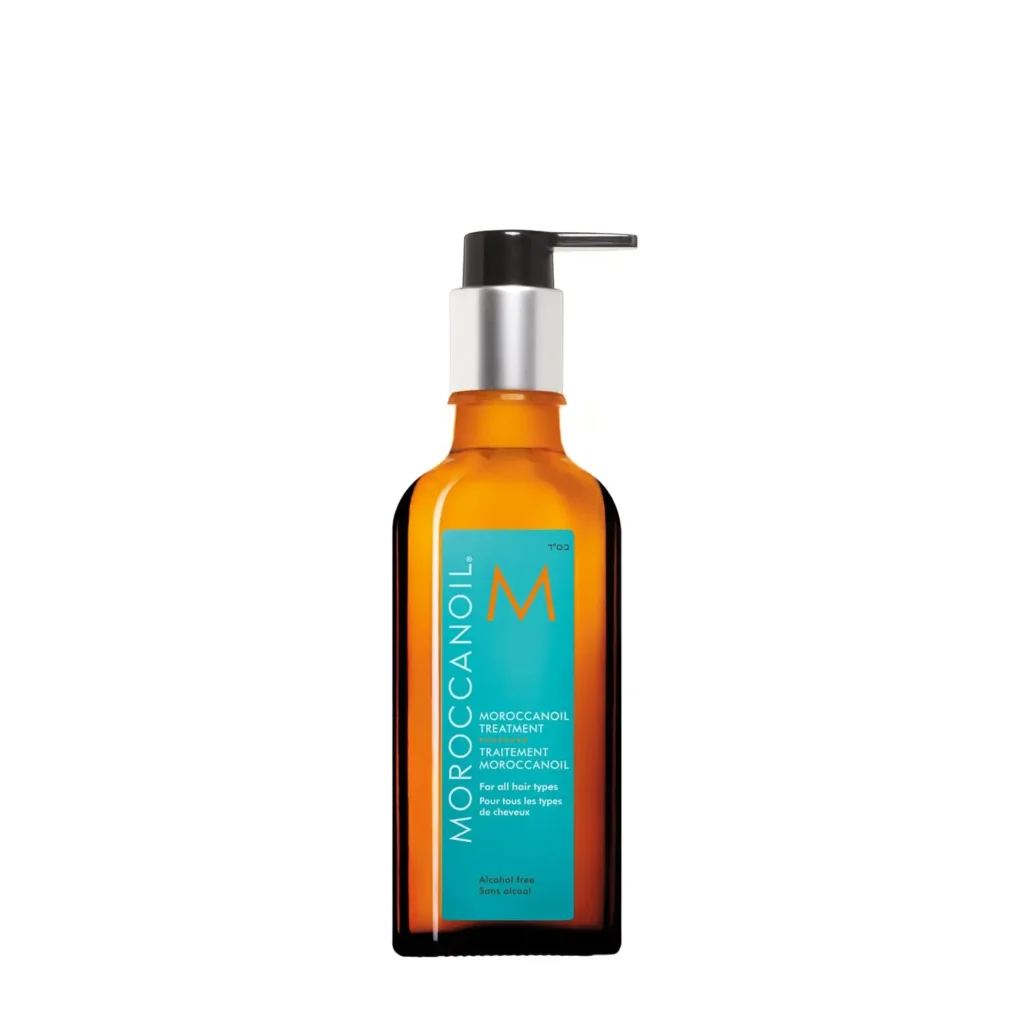
Best for: All-around frizz and shine
Moroccanoil Treatment helped popularize argan oil in haircare, and it remains one of the most recognized names in the category for good reason.
What makes it stand out: Its argan oil-based formula is versatile enough to work as a pre-styling treatment, a finishing oil, or even a light leave-in for damp hair.
Texture and feel: Lightweight for an oil, absorbing without leaving hair feeling greasy, even when used generously.
Who may like it: Nearly anyone dealing with frizz or dullness, regardless of hair type, given its adaptable formula.
Hair-type considerations: Works well across fine, medium, and thick hair types, though fine hair should start with a very small amount.
Pros:
- Versatile, multi-use formula
- Lightweight despite being oil-based
- Iconic, long-standing reputation
- Suitable for most hair types
Cons:
- Higher price point than drugstore alternatives
- Fine hair may need to use sparingly to avoid weighing hair down
Verdict: A reliable, well-loved formula that lives up to its reputation for taming frizz and adding shine.
OGX Argan Oil of Morocco Penetrating Oil
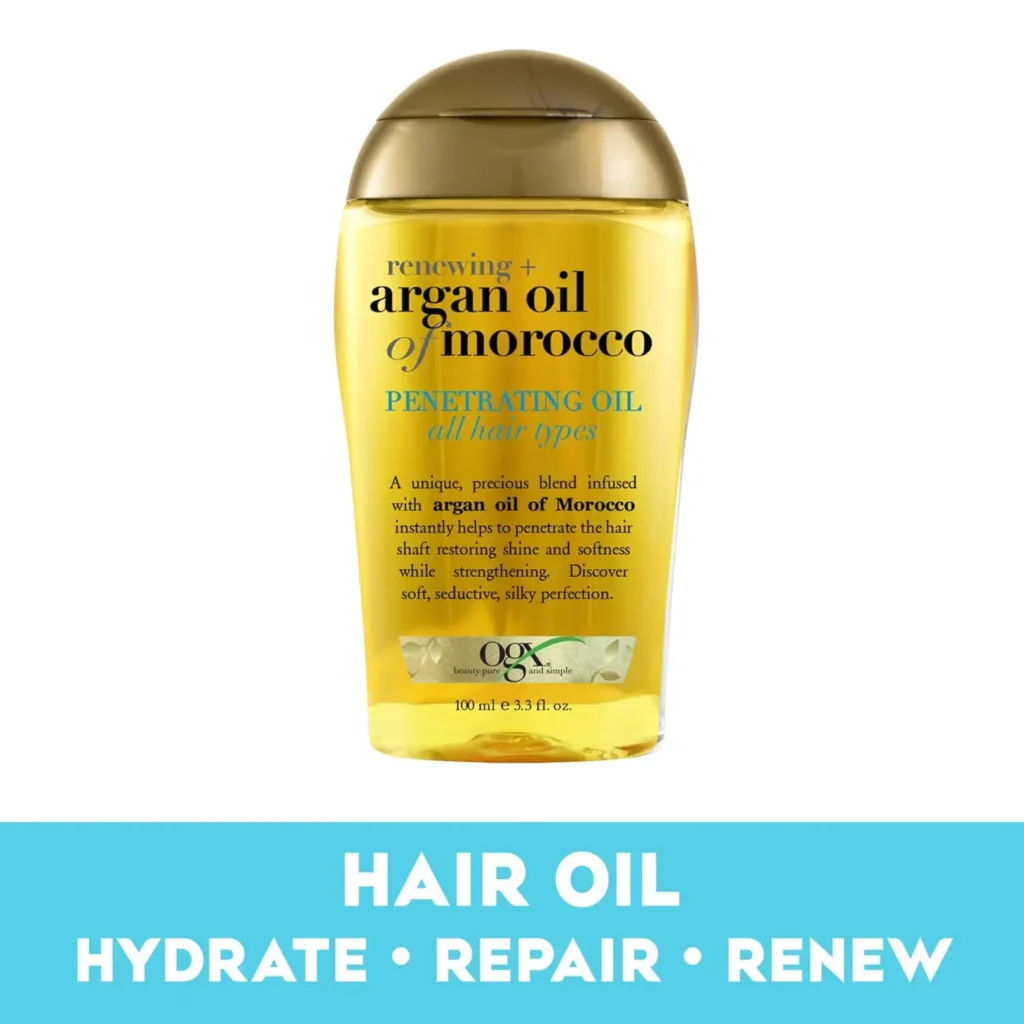
Best for: Budget-friendly everyday use
OGX offers an accessible entry point into argan oil treatments, delivering a similar concept to pricier options at a fraction of the cost.
What makes it stand out: Its affordability makes it easy to use generously and experiment with without a significant financial commitment.
Texture and feel: Lightweight and fast-absorbing, though slightly less refined than higher-end alternatives.
Who may like it: Budget-conscious shoppers who want to try an argan oil treatment without a big investment.
Hair-type considerations: Works well for normal to dry hair. Very fine hair may want to apply only to the ends to avoid a heavier feel.
Pros:
- Affordable and widely available
- Lightweight, fast-absorbing formula
- Good introduction to argan oil treatments
- Pleasant, mild scent
Cons:
- Less concentrated than premium argan oil formulas
- May require more frequent reapplication for noticeable results
Verdict: A solid, wallet-friendly way to add argan oil into your routine without overcommitting.
Olaplex No. 7 Bonding Oil
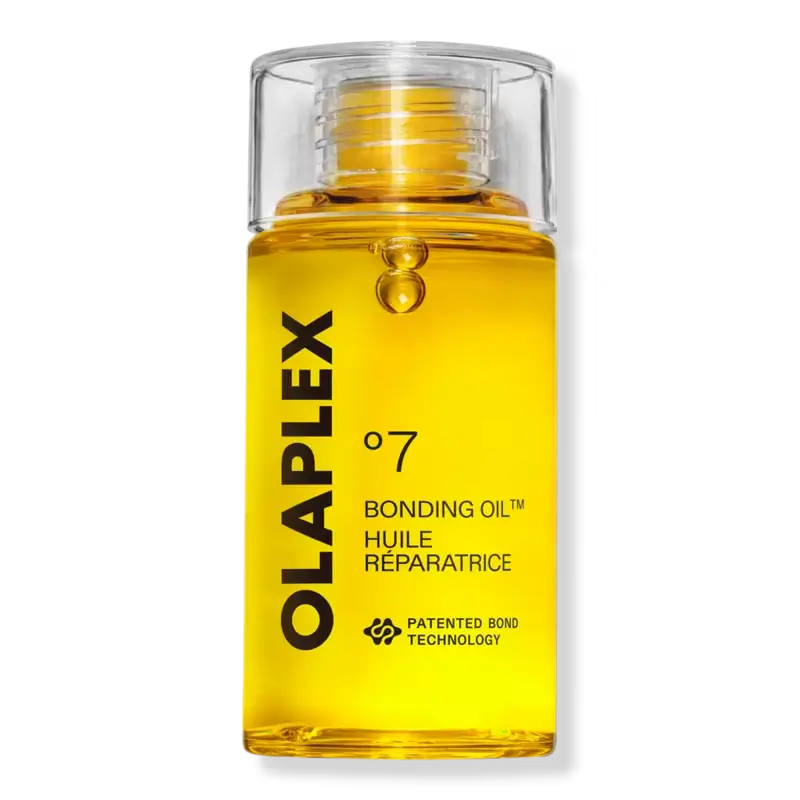
Best for: Damaged hair and split ends
Olaplex built its reputation on bond-building technology, and this oil brings that same concept to a lightweight, frizz-fighting finishing product.
What makes it stand out: Beyond typical shine and frizz benefits, its bonding technology is designed to help strengthen hair from within, which may help reduce the appearance of splitting and future breakage.
Texture and feel: Lightweight and non-greasy, despite delivering a concentrated dose of oil.
Who may like it: Those dealing with chemically treated, heat-damaged, or otherwise compromised hair, especially anyone already using other Olaplex products.
Hair-type considerations: Suitable for most hair types, though it’s particularly well suited to damaged or over-processed hair.
Pros:
- Bond-building technology alongside frizz control
- Lightweight, non-greasy finish
- Multi-use application (heat protectant, leave-in, or finishing oil)
- Suitable for color-treated hair
Cons:
- Higher price point than standard finishing oils
- Won’t reverse existing split ends, only help manage their appearance
Verdict: A strong choice for those specifically targeting damage and split ends, not just surface-level frizz and shine.
Living Proof No Frizz Nourishing Styling Oil
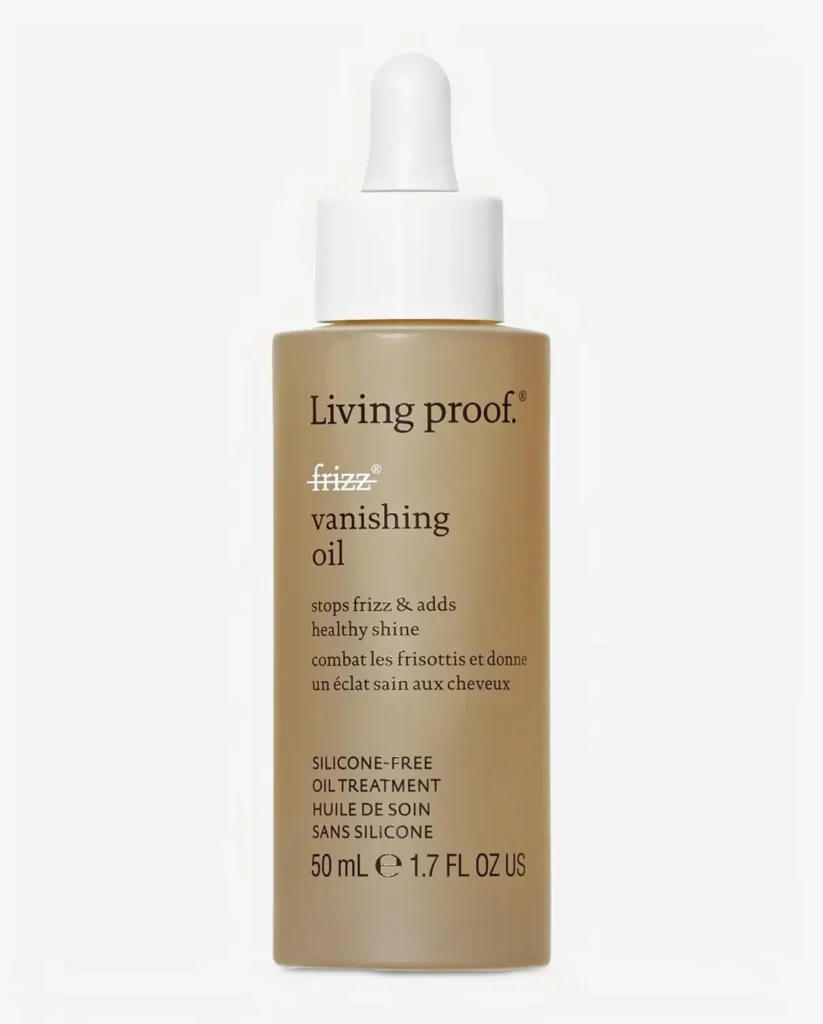
Best for: Fine or thin hair
Living Proof formulates with fine hair specifically in mind, and this styling oil delivers frizz control without the heaviness that many oils can bring to thinner strands.
What makes it stand out: Its lightweight, silicone-oil blend is designed to smooth the hair cuticle without weighing down fine or thin hair, a common concern with richer oil formulas.
Texture and feel: Very lightweight, almost weightless once applied, with a smooth, non-greasy finish.
Who may like it: Those with fine or thin hair who want frizz control without sacrificing volume.
Hair-type considerations: Particularly well suited to fine or thin hair. Thicker or coarser hair types may find it too lightweight to fully tame frizz on its own.
Pros:
- Specifically formulated for fine hair
- Lightweight, weightless feel
- Effective frizz control without heaviness
- Doesn’t compromise volume
Cons:
- May not be rich enough for thick or very coarse hair
- Higher price point than some drugstore alternatives
Verdict: One of the best options available for fine or thin hair types who’ve struggled to find an oil that doesn’t flatten their hair.
Kérastase Elixir Ultime
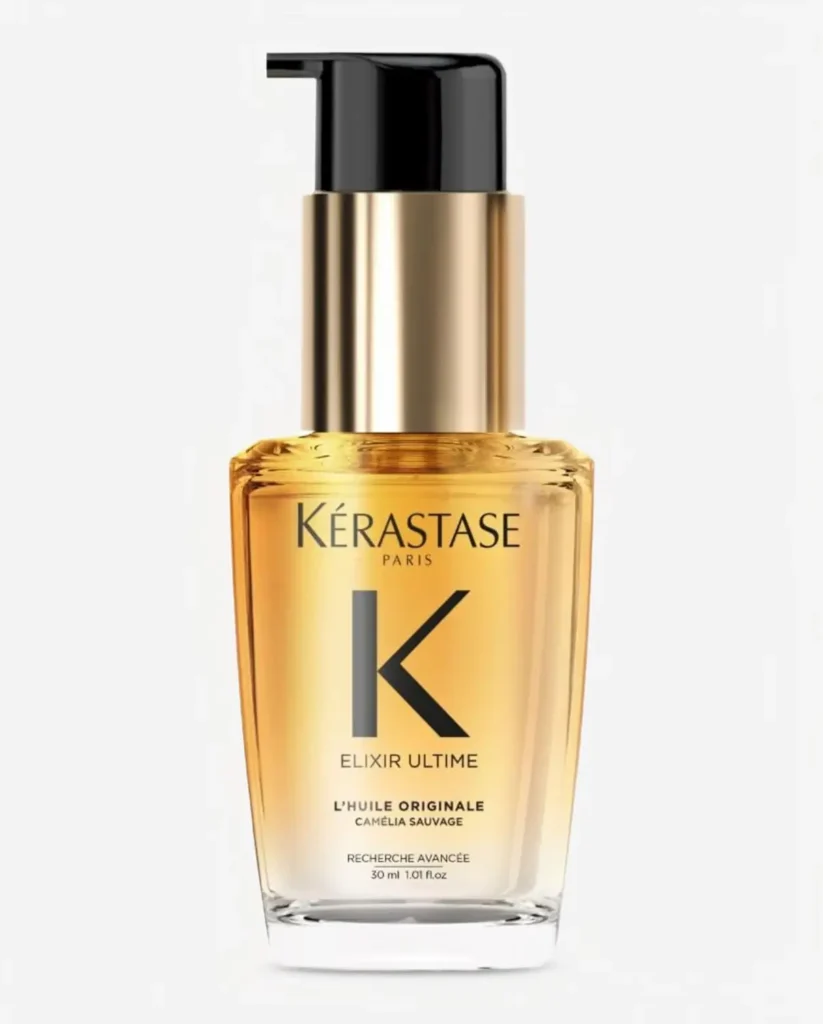
Best for: Luxury shine and softness
Kérastase’s Elixir Ultime brings a multi-oil blend to the table, positioned as a more indulgent, salon-caliber treatment for shine and softness.
What makes it stand out: Its blend of multiple nourishing oils is designed to deliver a noticeably glossy, salon-like finish, often associated with professional haircare lines.
Texture and feel: Rich but still workable, absorbing well when used in appropriate amounts for your hair type.
Who may like it: Those willing to invest in a more premium, luxury haircare experience, particularly for thick or dry hair that can handle a richer formula.
Hair-type considerations: Best suited to normal, thick, or dry hair. Fine hair should use a very small amount to avoid weighing hair down.
Pros:
- Rich, multi-oil blend
- Luxurious, salon-like finish
- Effective for both frizz and shine
- Pleasant, elevated fragrance
Cons:
- Premium price point
- Too rich for very fine or thin hair in larger amounts
Verdict: A worthwhile splurge for those with thick or dry hair looking for a truly luxurious shine treatment.
L’Oréal Paris Elvive Extraordinary Oil
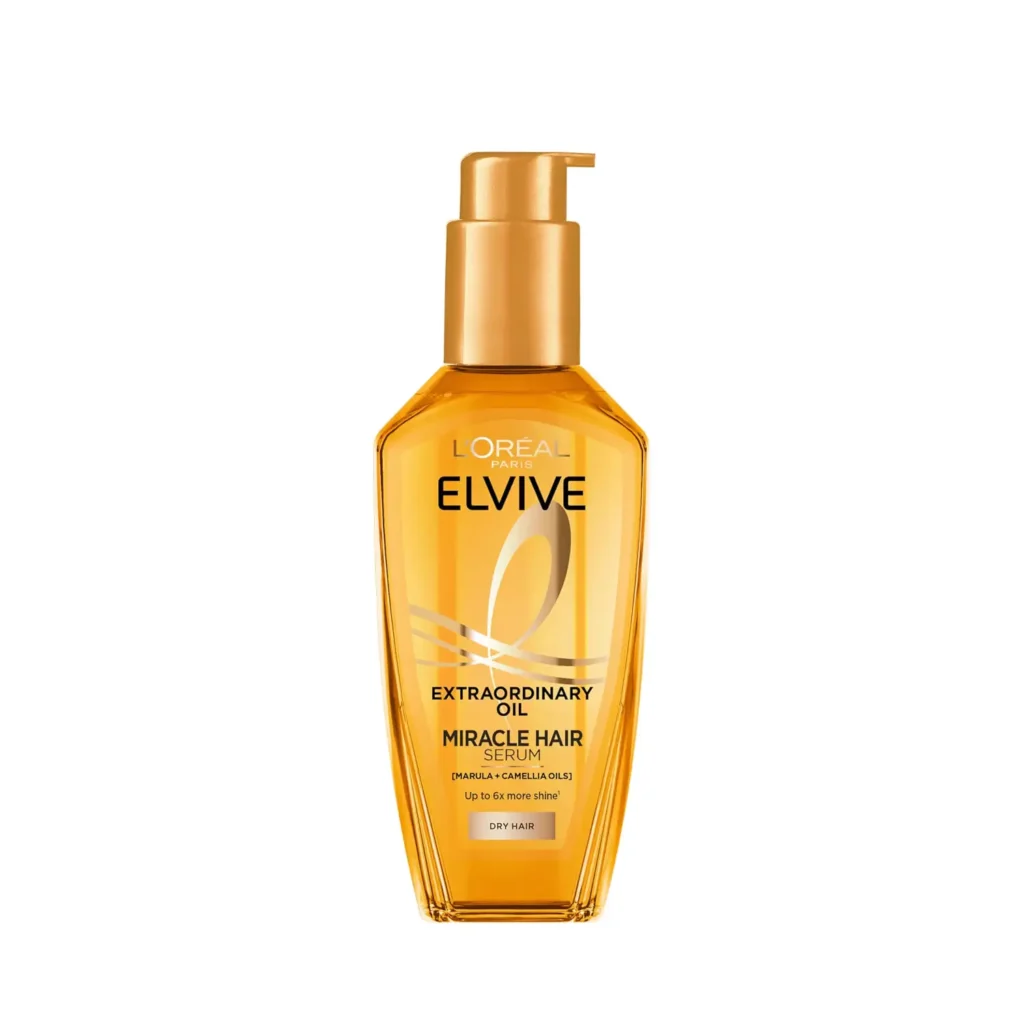
Best for: Drugstore accessibility
This six-oil blend from L’Oréal offers a versatile, budget-friendly option that’s easy to find at most drugstores.
What makes it stand out: Its multi-oil formula (including argan, camellia, and cherry seed oils) aims to deliver comparable benefits to pricier options at a much lower price point.
Texture and feel: Lightweight to medium, absorbing well without significant residue.
Who may like it: Budget-conscious shoppers who want a versatile, multi-purpose hair oil without shopping outside their usual drugstore run.
Hair-type considerations: Works well for normal to dry hair. Fine hair should apply sparingly, focusing on the ends.
Pros:
- Affordable and widely available
- Multi-oil blend
- Versatile for both damp and dry hair application
- Pleasant fragrance
Cons:
- May not feel as refined as higher-end multi-oil blends
- Fine hair types should use minimal amounts
Verdict: A dependable, easy-to-find option for those who want a versatile hair oil without a big price tag.
How to Choose the Best Hair Oil for Your Hair Type
- Fine or thin hair: Living Proof No Frizz Nourishing Styling Oil offers frizz control without weighing hair down.
- Thick or coarse hair: Kérastase Elixir Ultime or Moroccanoil Treatment can handle richer application for maximum shine and smoothing.
- Damaged or chemically treated hair: Olaplex No. 7 Bonding Oil targets both frizz and underlying strand strength.
- Budget-conscious shoppers: OGX Argan Oil of Morocco or L’Oréal Paris Elvive Extraordinary Oil offer accessible, drugstore-friendly options.
- All-around, versatile use: Moroccanoil Treatment remains a reliable, adaptable choice across most hair types and concerns.
How to Use Hair Oil for the Best Results
- Start with a small amount. It’s easier to add more than to remove excess oil once applied.
- Focus on mid-lengths and ends. Applying oil directly to the scalp can weigh down roots and contribute to a greasy appearance, especially for fine hair.
- Apply to damp hair for smoothing, dry hair for shine. Many oils can be used at either stage, but application timing affects the final result.
- Use as a pre-heat protectant. Applying a small amount before using heat tools can help minimize additional damage.
- Consider an overnight treatment. For very dry or damaged hair, applying oil generously and washing it out in the morning can offer a deeper conditioning effect.
- Don’t skip regular trims. Hair oil can improve the appearance of split ends, but only a trim can fully remove them.
Frequently Asked Questions
What is the best hair oil for frizz?
Lightweight, smoothing oils like Moroccanoil Treatment or Living Proof No Frizz Nourishing Styling Oil are generally effective for controlling frizz without weighing hair down.
Can hair oil repair split ends?
Hair oil can’t truly repair split ends once they’ve occurred, but it can smooth their appearance and help reduce the likelihood of further splitting.
How often should you use hair oil?
This varies by hair type, but many people use hair oil a few times per week as a finishing product, or more frequently as a deep treatment for very dry hair.
Should hair oil be applied to wet or dry hair?
It depends on the product and desired result. Applying to damp hair can help with smoothing and detangling, while applying to dry hair often boosts shine as a finishing step.
What hair oil is best for fine hair?
Lightweight formulas like Living Proof No Frizz Nourishing Styling Oil are specifically designed to avoid weighing down fine or thin hair.
Can you use hair oil every day?
Some lightweight oils can be used daily, particularly on the ends, though richer oils may be better reserved for a few times a week to avoid buildup.
Does hair oil make hair grow faster?
There’s limited evidence that topical hair oils significantly speed up hair growth, though they can improve the look and feel of existing hair by reducing breakage and dryness.
What’s the difference between hair oil and hair serum?
Hair oils are typically pure or blended natural oils, while serums often include a mix of silicones, oils, and other ingredients formulated for specific finishing effects.
Final Verdict
Frizz, dullness, and split ends each respond differently to hair oil, which is why choosing the right formula for your specific hair type and concern matters more than chasing the most popular option.
For an all-around, reliable pick, Moroccanoil Treatment remains a trusted classic. Budget-focused shoppers can get similar benefits from OGX Argan Oil of Morocco or L’Oréal Paris Elvive Extraordinary Oil. Those managing damage or split ends specifically may find more value in Olaplex No. 7 Bonding Oil, while fine-haired readers will likely appreciate the weightless formula of Living Proof No Frizz Nourishing Styling Oil. And for a truly luxurious shine treatment, Kérastase Elixir Ultime delivers a salon-caliber finish.
Whichever oil you choose, remember that consistent use, the right amount for your hair type, and regular trims all work together for genuinely smoother, shinier, healthier-looking hair.