Disclosure: This article contains affiliate links. If you purchase a product through one of these links, we may earn a commission at no additional cost to you.

The Best Detangling Hair Brushes for Tangle-Free Hair

Few things are as frustrating as a knot you can’t get out. You tug, the brush catches, and by the time you’re done, your scalp hurts and there’s hair all over the bathroom floor. A lot of that damage comes from using the wrong brush, or from brushing the wrong way, rather than from your hair itself.
A good detangling brush is designed to glide through knots with less pulling. The bristles flex, the teeth are spaced to separate strands gently, and the handle is shaped to give you control. They won’t fix severely damaged hair, but used correctly, they can reduce breakage and make brushing more comfortable. They’re also a popular low-cost gift, which makes them a useful pick for the holiday season.
This guide explains how detangling brushes work, how to choose one for your hair type, and how to brush so you don’t cause more damage.
Why Hair Tangles
- Dryness and damage. Dry, rough hair has a lifted cuticle that catches on neighboring strands.
- Hair length. Long hair has more surface area to tangle.
- Texture. Curly and coily hair forms natural curls that can interlock.
- Friction. Wind, scarves, and sleeping on rough fabric can cause knots. A smoother surface may help, and our guide to silk and satin pillowcases covers this.
- Product buildup. Heavy products can make hair sticky and tangle-prone.
- Heat and chemical damage. Styling and coloring can weaken hair, making it more prone to knots.
How Detangling Brushes Work
Standard brushes have rigid bristles that can snag knots and pull on strands. Detangling brushes use a few design features to reduce that:
- Flexible bristles. They bend as they meet resistance, instead of yanking.
- Varied bristle lengths. Longer and shorter bristles work through different layers of hair.
- Wide spacing. Gaps between bristles let hair pass through more easily.
- Ball tips or rounded ends. These are gentler on the scalp.
- Cushioned bases. A flexible base absorbs tension.
Wet vs. Dry Brushing
Hair is weaker when it’s wet, so brushing it requires care.
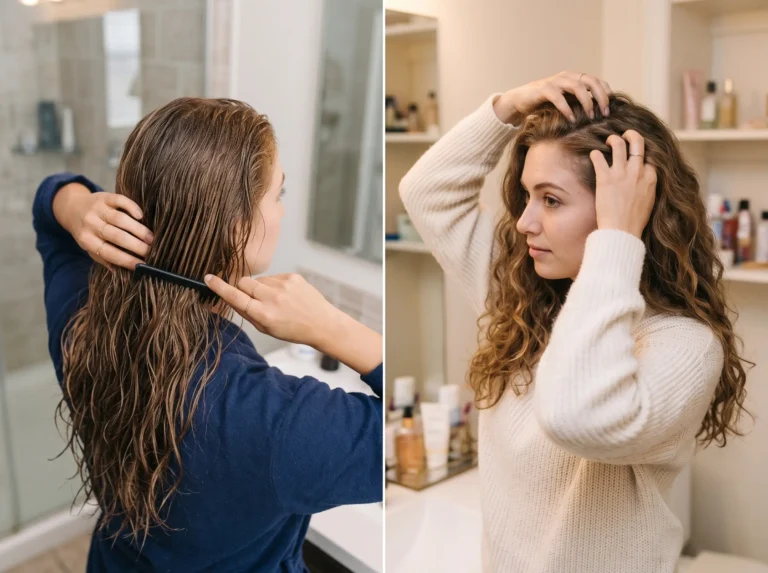
- Wet hair: Use a detangling brush designed for wet hair, and apply a conditioner or leave-in first. Start at the ends and work upward.
- Dry hair: Dry brushing is more common for smoothing and styling, but curly hair is often detangled when damp or wet with product.
Always be gentle, and avoid yanking.
What to Look for in a Detangling Brush
Bristle Flexibility
Flexible bristles are gentler on knots. Stiffer bristles are better for smoothing and styling than for detangling.
Hair Type Fit
Fine hair needs soft, gentle bristles. Thick and curly hair benefits from wider spacing and longer bristles.
Handle and Grip
A comfortable handle helps you control the brush. Wet hands can be slippery, so a grip that doesn’t slide is helpful.
Size
Larger brushes cover more hair, while compact brushes are better for travel.
Material
Plastic brushes are easy to clean and durable. Boar bristle brushes distribute oils, but they’re less effective at detangling.
Heat Resistance
If you plan to use a brush with a blow dryer, check that it’s heat-safe.
Ease of Cleaning
Hair and product build up in brushes, so look for one that’s easy to clean.
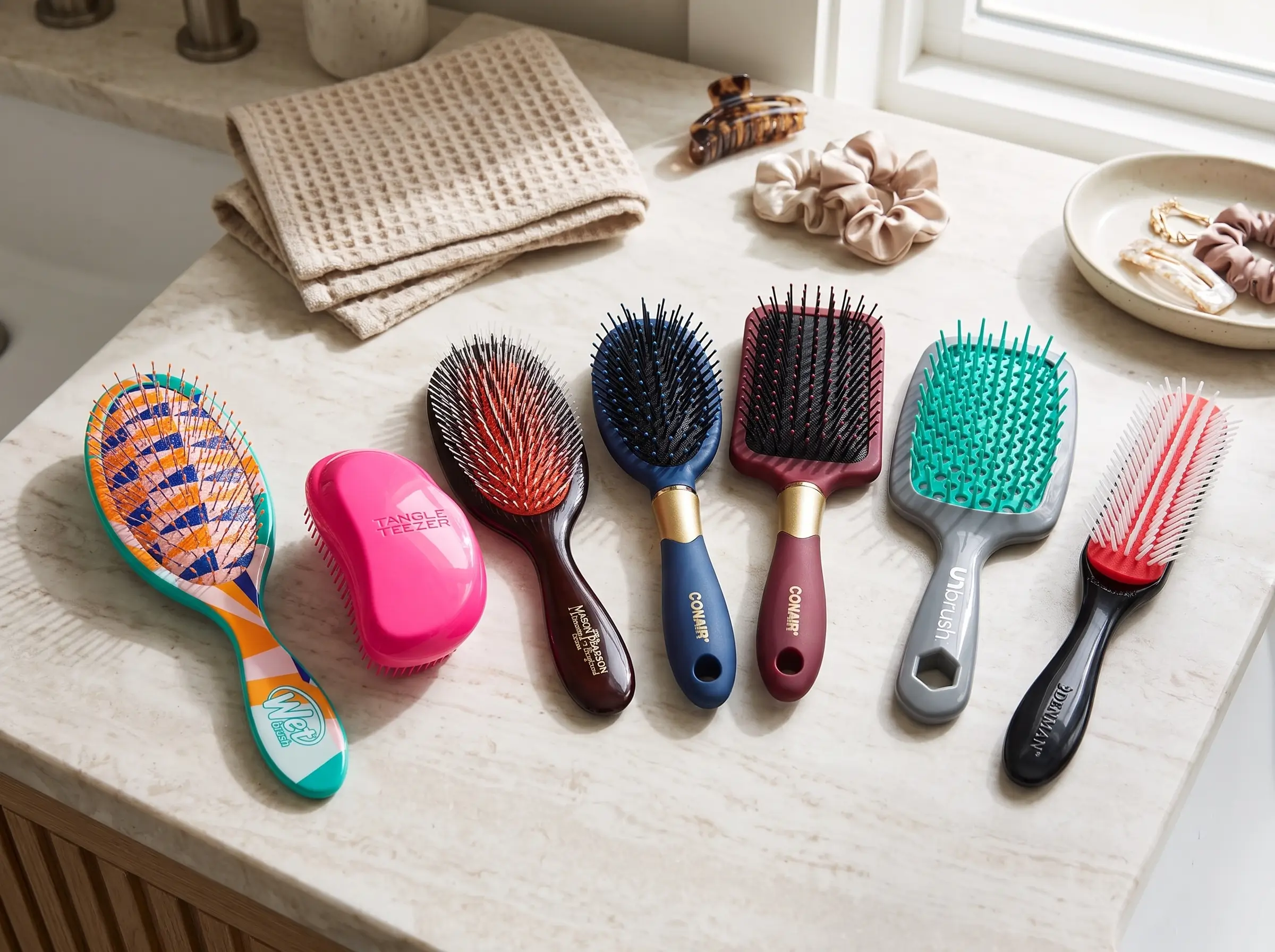
Best Detangling Hair Brushes at a Glance
| Product | Best For | Hair Type | Key Reason to Consider It |
|---|---|---|---|
| Wet Brush Original Detangler | All-around detangling | Most hair types | Flexible bristles, popular and widely available |
| Tangle Teezer The Original Detangling Hairbrush | Compact, wet or dry | Fine to medium | Soft teeth in a handle-free design |
| FHI Heat Unbrush Detangling Brush | Gentle detangling | Most hair types | Soft, flexible bristles and a grippy handle |
| Denman D3 Classic Styling Brush | Curly hair | Wavy and curly | Classic brush for defining curls |
| Mason Pearson Handy Mixture Bristle & Nylon Brush | Premium, long-lasting | Most hair types | Heritage brand with a premium build |
| Conair Velvet Touch Detangling Brush | Budget detangler | Most hair types | Affordable detangling brush |
Wet Brush Original Detangler
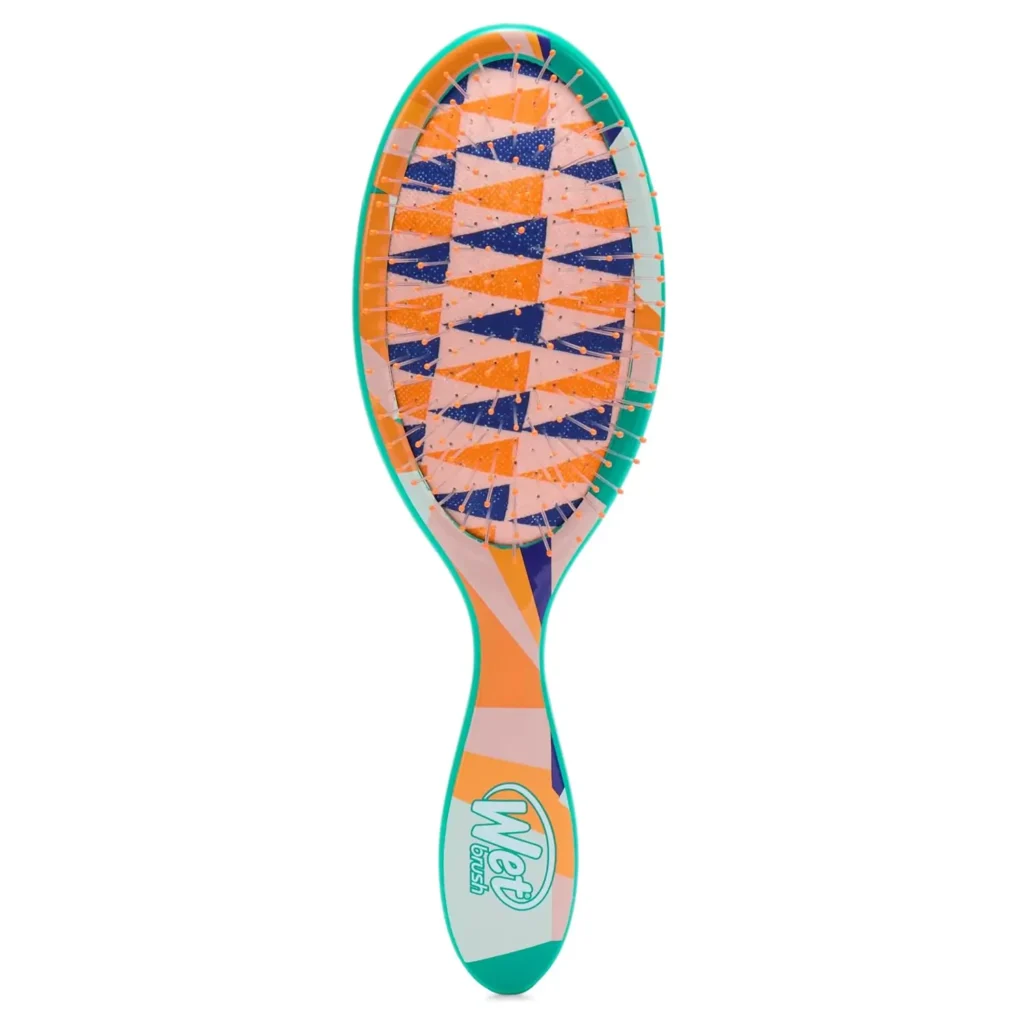
Best for: All-around detangling
A popular detangling brush with flexible bristles.
What makes it stand out: It’s designed to glide through knots with less pulling, and it works on wet or dry hair.
Who may like it: People who want a reliable, affordable detangler.
Things to check before buying: Wet Brush sells many versions, so check the size and type, since some are designed for kids, thick hair, or travel.
Pros:
- Flexible bristles
- Affordable
- Works on wet or dry hair
- Many sizes and colors
Cons:
- Bristles can wear over time
- Can be less effective on very thick or curly hair
Verdict: A popular all-rounder for most hair types.
Tangle Teezer The Original Detangling Hairbrush
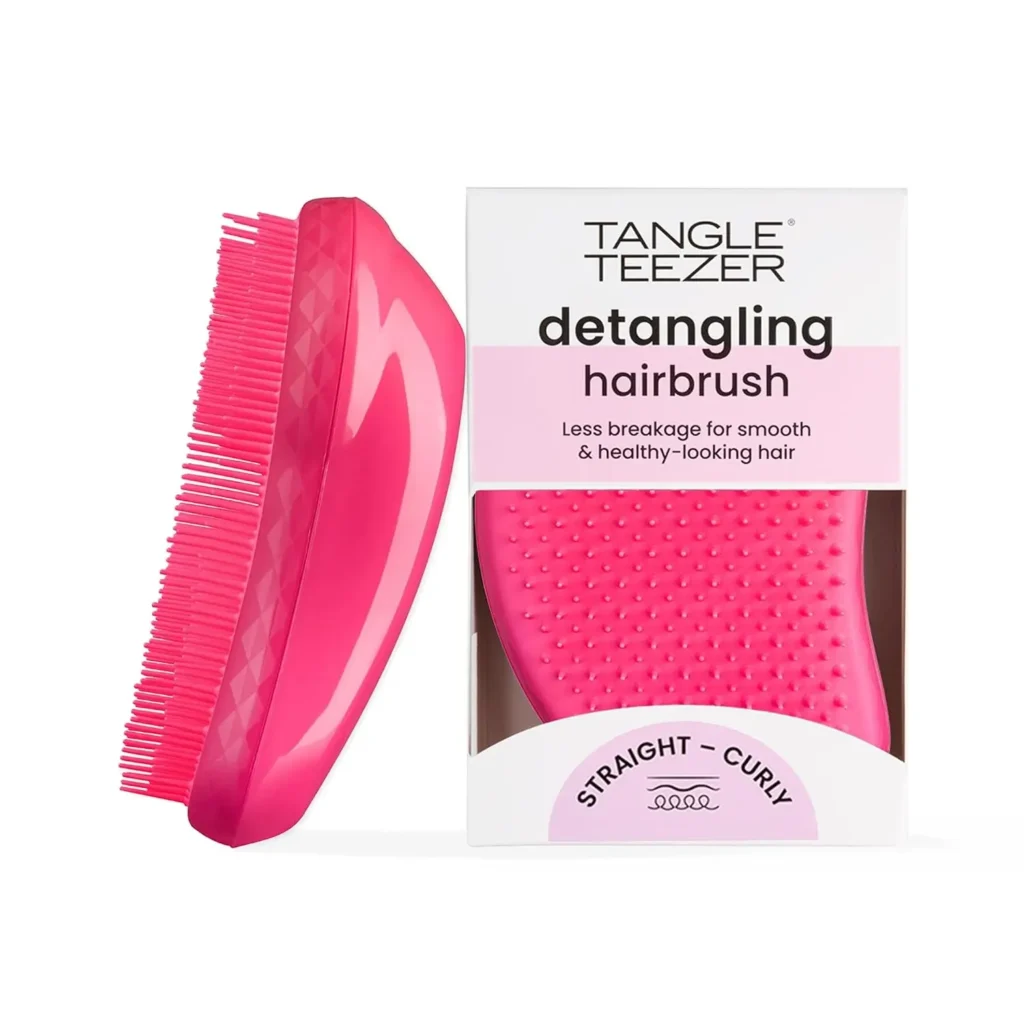
Best for: Compact, wet or dry
A handle-free brush with soft teeth designed to detangle.
What makes it stand out: It’s compact, easy to carry, and gentle on knots.
Who may like it: People who want a travel-friendly brush.
Things to check before buying: Tangle Teezer sells several versions, such as The Original, The Ultimate, and Compact Styler, so confirm the exact style.
Pros:
- Compact
- Gentle teeth
- Works on wet or dry hair
- Easy to clean
Cons:
- No handle for some
- Less control for thick hair
Verdict: A convenient, gentle option for travel and everyday use.
FHI Heat Unbrush Detangling Brush
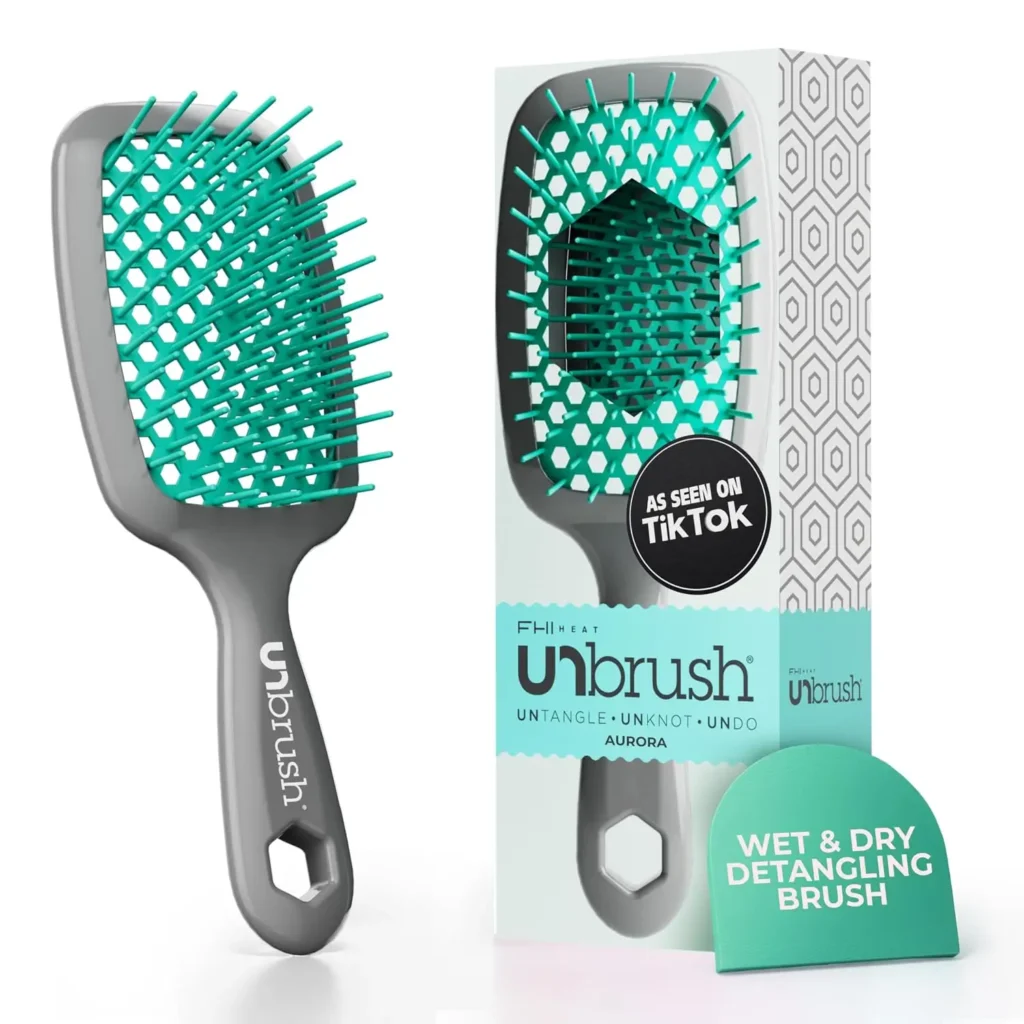
Best for: Gentle detangling
A flexible brush with a comfortable handle.
What makes it stand out: It’s designed to detangle gently, and some versions are heat-resistant.
Who may like it: People who want a gentle brush with a better grip.
Things to check before buying: Confirm the model and whether it’s heat-safe, since specs vary.
Pros:
- Flexible bristles
- Comfortable handle
- Gentle on scalp
Cons:
- Higher price than basic brushes
- Smaller size may need more passes
Verdict: A comfortable, gentle detangler.
Denman D3 Classic Styling Brush
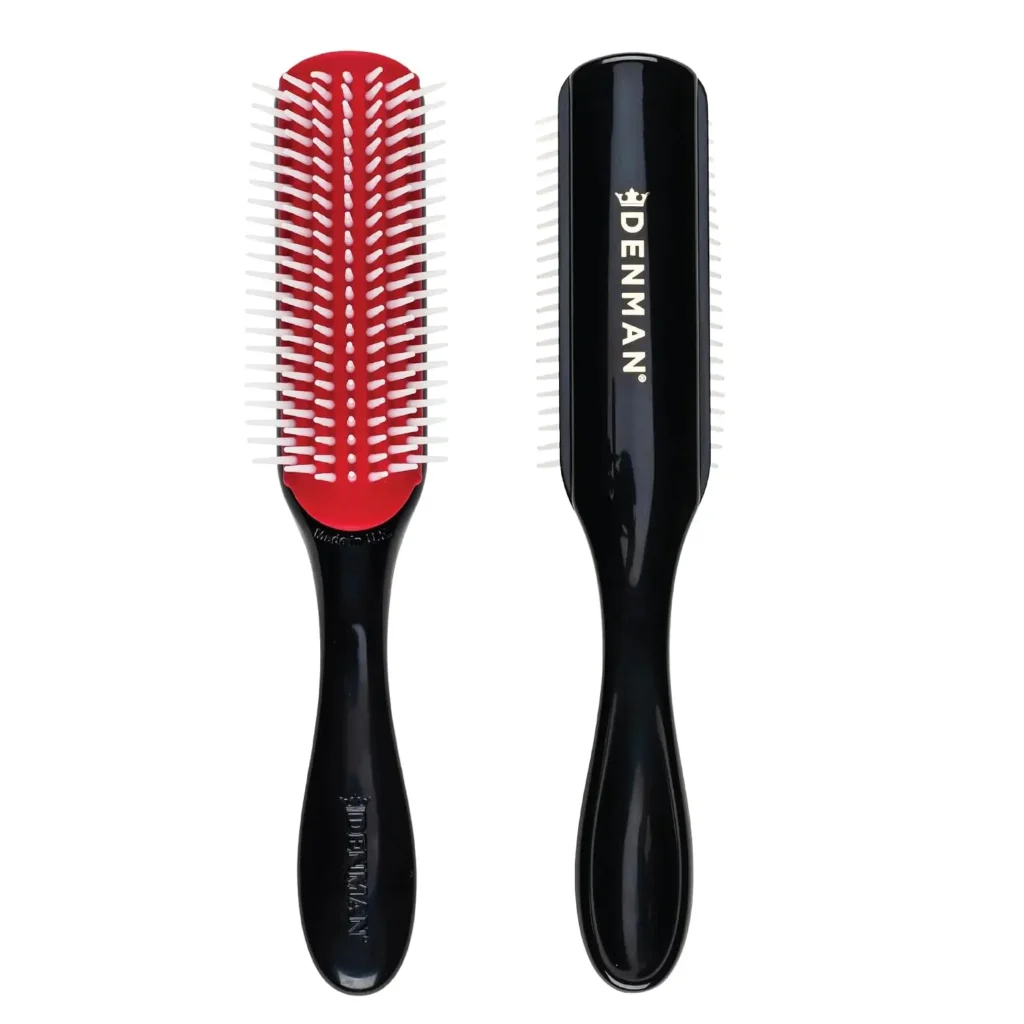
Best for: Curly hair
A classic brush known for styling and defining curls.
What makes it stand out: It’s widely used by people with wavy and curly hair to shape and define curls.
Who may like it: People with curly or wavy hair who want to define curls.
Things to check before buying: It isn’t a typical detangler, and some people use it on wet hair with a conditioner. Check the size and rows, since Denman sells several models.
Pros:
- Defines curls
- Long-lasting
- Popular among curly-haired people
Cons:
- Not a traditional detangler
- Learning curve
Verdict: A good styling brush for curls, best used with a detangler first.
Mason Pearson Handy Mixture Bristle & Nylon Brush
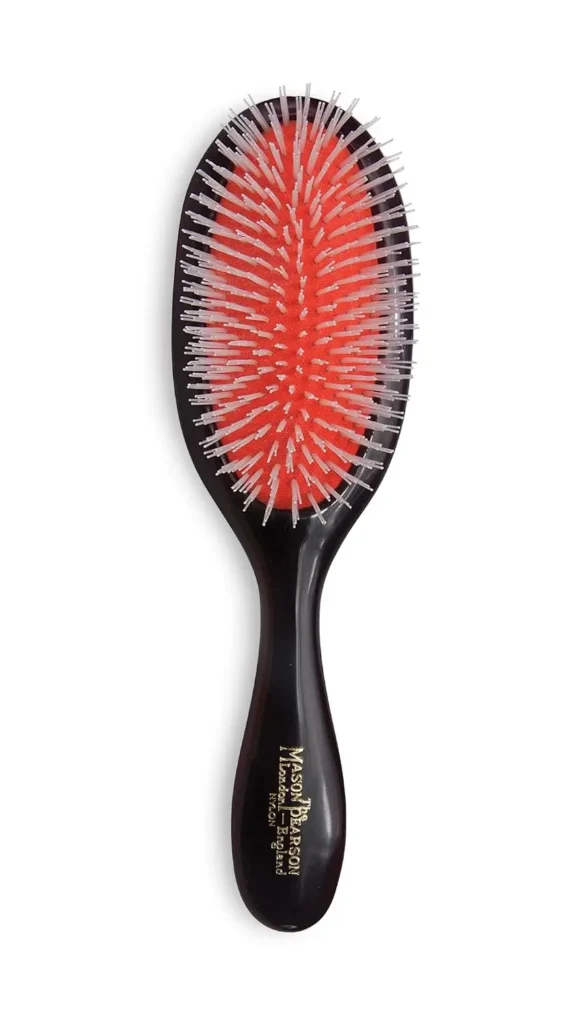
Best for: Premium, long-lasting
A premium brush with a mix of boar bristles and nylon.
What makes it stand out: It’s known for its quality construction and longevity.
Who may like it: People who want a premium, long-lasting brush.
Things to check before buying: Confirm availability from an authorized seller, and note that mixed boar bristle brushes aren’t specifically detanglers.
Pros:
- Premium quality
- Durable
- Distributes natural oils
Cons:
- High price
- Not designed for severe tangles
Verdict: A luxury choice for smoothing and styling.
Conair Velvet Touch Detangling Brush
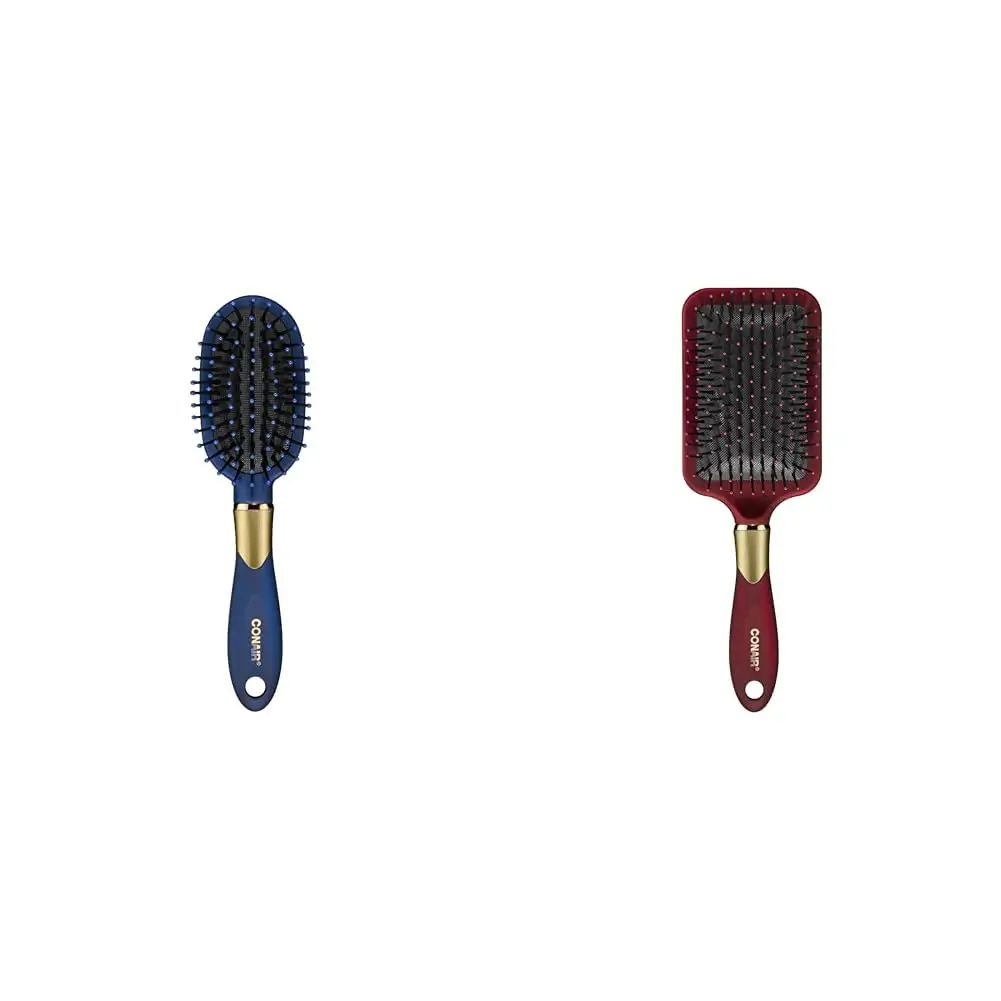
Best for: Budget detangler
An inexpensive detangling brush with a soft-touch handle.
What makes it stand out: It’s affordable and easy to find.
Who may like it: Budget-conscious shoppers.
Things to check before buying: Check the exact product name and design, since Conair updates its brush lines.
Pros:
- Affordable
- Easy to hold
- Gentle on knots
Cons:
- May not last as long
- Basic design
Verdict: A budget-friendly option for everyday use.
How to Choose the Best Detangling Brush for You
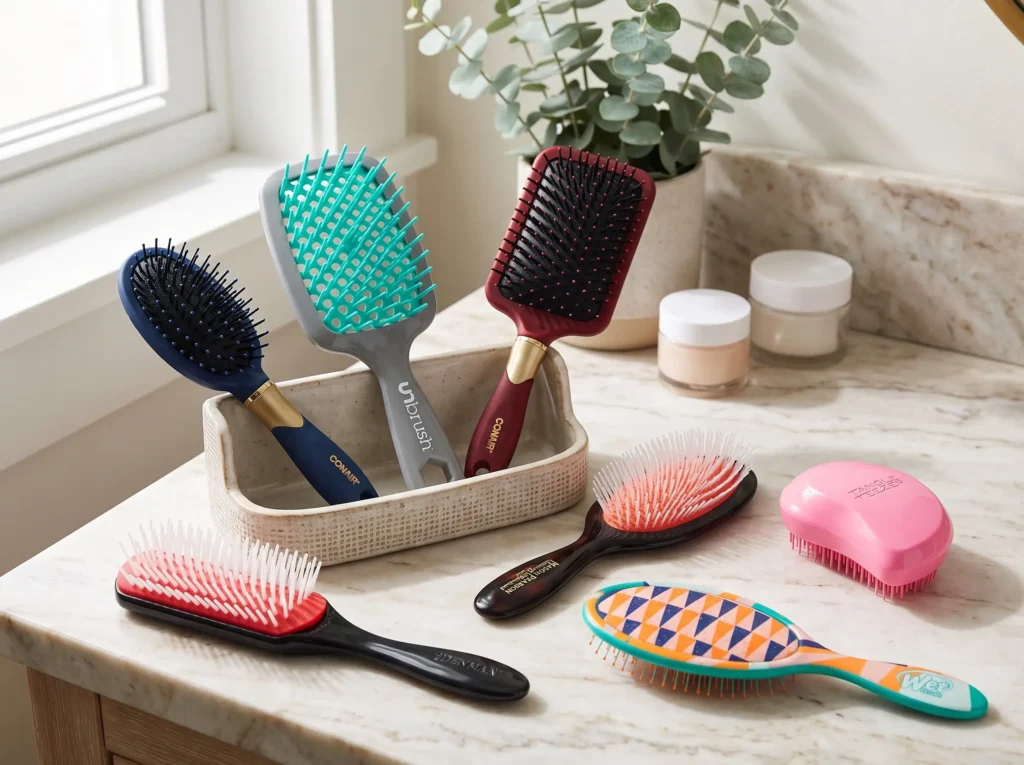
- All-around use: Wet Brush Original Detangler.
- Compact and travel-friendly: Tangle Teezer The Original Detangling Hairbrush.
- Gentle detangling with a good grip: FHI Heat Unbrush Detangling Brush.
- Curly hair: Denman D3 Classic Styling Brush, used with a wide-tooth comb or finger detangling first.
- Premium: Mason Pearson Handy Mixture Bristle & Nylon Brush.
- Budget: Conair Velvet Touch Detangling Brush.
How to Brush Without Causing Breakage
- Start at the ends. Hold the hair above the knot and work the ends first.
- Work upward in small sections. Move toward the roots gradually.
- Use a detangling product. A leave-in conditioner adds slip and reduces breakage.
- Be patient. Don’t force a knot. Work it gently with your fingers if needed.
- Brush gently. Short, light strokes are better than long, hard pulls.
- Detangle in the shower, with conditioner in your hair, if it’s very tangled.
- Don’t brush soaking wet hair roughly. Wait a minute, or comb gently.
Brushing Tips by Hair Type
Fine Hair
Fine hair breaks easily, so use a soft detangling brush and avoid overbrushing. Brushing too often can cause breakage. If your hair is also flat, our guide to fixing flat hair may help.
Thick Hair
Thick hair needs more passes, so work in small sections.
Curly and Coily Hair
Detangle when hair is wet and coated with conditioner or a leave-in, using a wide-tooth comb or a flexible detangling brush. Avoid brushing dry curls, which can cause frizz.
Damaged or Color-Treated Hair
Be extra gentle. A weekly overnight hair mask and a few drops of hair oil on the ends can make brushing easier. If your hair is color-treated, see our guide to shampoos and conditioners for color-treated hair.
Thinning Hair
Brush gently, since hair can be fragile. Our guide to shampoos and scalp care for thinning hair covers other tips and when to see a doctor.
How to Clean Your Brush
A dirty brush can redistribute oil, product, and dust. To clean it:
- Remove hair from the bristles with a comb or your fingers.
- Soak the brush in warm water with a little shampoo for a few minutes.
- Scrub gently with an old toothbrush.
- Rinse and shake off excess water.
- Let it air-dry with the bristles facing down.
- Clean every few weeks, or more often if you use many products.
Protecting Hair Beyond Brushing
- Use heat protection. See our guide to heat protectant sprays.
- Avoid sleeping with wet hair.
- Use a gentle hairstyle at night, such as a loose braid.
- Trim regularly. Split ends can lead to more tangles.
- Don’t overwash. Dry hair tangles more easily.
- Keep your scalp healthy. A scalp massager can be a relaxing addition.
Detangling Brushes as Gifts
Detangling brushes are inexpensive, useful, and easy to wrap, which makes them a good stocking stuffer. Pair one with a leave-in conditioner or a satin pillowcase for a thoughtful set, or see our guide to beauty gift sets under $50 for more ideas.
Common Mistakes
- Brushing from the roots down. This pushes knots tighter.
- Brushing dry, tangled hair without product.
- Pulling or yanking.
- Using the wrong brush for your hair type.
- Overbrushing. Excessive brushing can cause breakage.
- Never cleaning the brush.
- Ignoring sudden hair loss. See a doctor if you’re concerned.
Frequently Asked Questions
What’s the best brush for tangled hair?
A flexible detangling brush, such as a Wet Brush or Tangle Teezer, is usually a good choice.
Is a detangling brush better than a comb?
Both can work. A wide-tooth comb is gentle for wet or curly hair, while detangling brushes are convenient for most hair types.
Can I use a detangling brush on wet hair?
Many are designed for wet hair, but be gentle and use a conditioner or leave-in.
Is boar bristle better?
Boar bristle brushes distribute oils and smooth hair, but they aren’t specifically designed to detangle.
How often should I brush my hair?
Brush as needed to detangle and style. Overbrushing isn’t necessary.
Can a detangling brush cause hair loss?
Gentle brushing shouldn’t. Sudden hair loss should be checked by a doctor.
Do detangling brushes work on curly hair?
Many do, especially on wet, conditioned hair. Curly hair often benefits from a wide-tooth comb too.
How do I clean a detangling brush?
Remove hair, soak and scrub gently with shampoo and water, rinse, and air-dry.
Final Verdict
The best detangling brush suits your hair type and is used gently. Wet Brush Original Detangler is a dependable all-rounder, Tangle Teezer The Original is compact and travel-friendly, FHI Heat Unbrush offers a comfortable grip, Denman D3 helps define curls, Mason Pearson is a premium option, and Conair Velvet Touch is a budget pick. Start at the ends, use a leave-in, and be patient, and brushing should be much less painful.